
The stole is a liturgical vestment worn by priests during Mass and other liturgical celebrations in the Catholic Church. The stole is a long, narrowband of fabric, usually silk or a similar material, worn around the neck and hanging down in front of the priest's chest. Here are some reasons why priests wear a stole:
1. Symbol of ordination: The stole is a symbol of the priest's ordination and represents the authority he has received from Christ to administer the sacraments and preach the gospel.
2. Sign of Ministry: The stole is a sign of the priestly ministry and represents the yoke of Christ that he has taken upon himself to serve the people of God.
3. Liturgical Colors: The stole is often worn in the liturgical color of the day, which changes according to the liturgical season or feast day, and serves as a reminder of the meaning and significance of the liturgical celebration.

What is a priest stole used for?
The priest stole is a liturgical vestment that serves both practical and symbolic purposes during Mass and other liturgical celebrations in the Catholic Church. Here are some of the ways in which the priest's stole is used:
1. Symbol of Ordination: The stole is a symbol of the priest's ordination and represents the authority he has received from Christ to administer the sacraments and preach the Gospel.
2. Sign of Ministry: The stole is a sign of the priestly ministry and represents the yoke of Christ that he has taken upon himself to serve the people of God.
3. Liturgical Colors: The stole is often worn in the liturgical color of the day, which changes according to the liturgical season or feast day, and serves as a reminder of the meaning and significance of the liturgical celebration.
4. Sacramental Sign: The stole is also a sacramental sign used by the priest to bless people and objects, such as the bread and wine, during the Eucharistic Prayer.
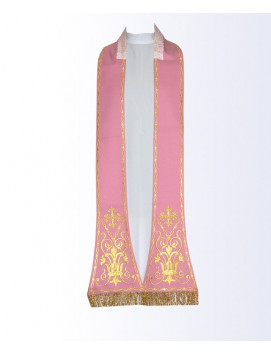


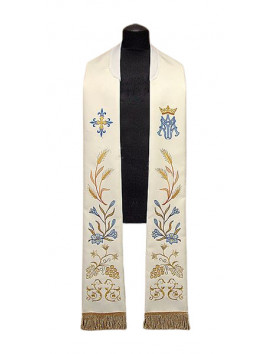
What is a priests’ scarf called?
The scarf-like garment worn by priests is called a "stole". It is a liturgical vestment worn around the neck and hanging in front of the priest's chest. The stole is usually made of silk or a similar material, and is often decorated with symbols and colors that correspond to the liturgical season or feast day. The stole is an important symbol of the priest's authority as an ordained minister and is worn during Mass and other liturgical celebrations in the Catholic Church.
Can a priest celebrate Mass without a stole?
Ideally, a priest should celebrate Mass wearing a stole, as it is a liturgical vestment that is considered an essential part of the priest's dress during Mass and other liturgical celebrations in the Catholic Church. In exceptional circumstances, however, a priest may celebrate Mass without a stole. For example, if a stole is unavailable due to an emergency, or if it is lost or damaged, a priest may celebrate Mass without a stole. It is important to note that the stole is a symbol of the priest's authority as an ordained minister, and its absence should not be taken lightly. However, the absence of a stole should not prevent a priest from celebrating Mass and administering the sacraments to the faithful.
Can a stole be worn over a chasuble?
Yes, a stole is usually worn over a chasuble during Mass and other liturgical celebrations in the Catholic Church. The chasuble is the outer vestment worn by the priest during Mass, while the stole is worn around the neck and hangs in front of the chest. The stole is usually placed over the chasuble, and it is customary for the priest to move the stole into the appropriate position for each part of Mass, such as draping the stole over both shoulders during the Eucharistic Prayer. This placement of the stole over the chasuble is a symbol of the priest's authority as an ordained minister and reminds the faithful of the priest's role as mediator between God and the people.
What is the difference between a stole and a chasuble?
A stole and a chasuble are both liturgical vestments worn by the priest during Mass and other liturgical celebrations in the Catholic Church, but they have different functions and styles.
A stole is a long, narrow strip of cloth draped around the neck and hanging in front of the chest, with different colors and designs depending on the liturgical season or occasion. The stole is a symbol of the priest's authority as an ordained minister and represents his role as a mediator between God and the people. The stole is worn over the alb and under the chasuble.
A chasuble is a sleeveless outer garment worn over the alb and stole during Mass. It is usually made of richly decorated fabric and has a distinctive shape, resembling a poncho, with an opening at the top for the priest's head. The chasuble is also decorated with different colors and designs depending on the liturgical season or occasion.
What is the first stole of a priest?
A priest's first stole is usually given to him during his ordination ceremony. It is a special stole called an "ordination stole" or "vestment stole" and is usually white. The vestment is a symbol of the priest's new role as an ordained minister and his authority to administer the sacraments. It is worn during the ordination ceremony itself and then kept as a special memento of the occasion. After ordination, the priest usually wears several stoles of different colors and designs, depending on the liturgical season or occasion.
What is the long scarf worn by clergy?
The long scarf worn by the clergy is called a "stole". It is a liturgical vestment worn by ordained ministers, such as priests, deacons, and bishops, during Mass and other liturgical celebrations in the Catholic Church. The stole is a long, narrow strip of cloth that is draped around the neck and hangs in front of the chest. It is typically decorated with different colors and designs depending on the liturgical season or occasion. The stole is a symbol of the priest's authority as an ordained minister and represents his role as a mediator between God and the people.
Why do priests cross their stole?
Priests cross their stole as a sign of reverence and humility before God, and it is a ritual gesture that has been part of the tradition of the Catholic Church for centuries. The act of crossing the stole over the chest is performed at certain times during the liturgy, such as when a blessing is given or when Holy Communion is received. It is believed that this gesture symbolizes the priest's desire to embrace the suffering of Christ and to take up his own cross in service to God and the Church. It also reminds the priest of his role as a mediator between God and the people and of the need to be faithful to the teachings of the Church. Overall, the crossing of the stole is a powerful and meaningful way for priests to express their devotion and commitment to their vocation as ordained ministers.
Why do priests wear the stole and chasuble?
Priests wear the stole and chasuble as part of their liturgical vestments during Mass and other liturgical celebrations. The stole and chasuble are both important symbols that represent the priest's role as a mediator between God and the people, and they have specific meanings and purposes.
The stole is a long, narrow strip of cloth worn around the neck and hanging in front of the chest. It is considered a symbol of the priest's authority as an ordained minister and represents his role as a mediator between God and the people. The stole is usually decorated with different colors and designs depending on the liturgical season or occasion. It is used by the priest during the celebration of sacraments such as baptism, confession, and anointing of the sick, as well as during Mass, when he proclaims the Gospel and gives blessings.
The chasuble is a sleeveless outer garment worn over the alb and stole. It is usually decorated with different colors and designs depending on the liturgical season or occasion.
Where does the priest's stole come from?
The stole developed from the scarf of office worn by imperial officials in the Roman Empire. As members of the clergy took part in the Roman administration, they received similar marks of honor, and the Church gradually adopted the scarf as a liturgical vestment called the orarium. Some older theories linked the stole to the Jewish prayer shawl (tallit), but today the Roman origin is regarded as the most likely. In many places the stole itself was simply called the orarium.
On many hand-embroidered stoles the two front panels are joined at the neck by a decorative cord or braid — a traditional finishing detail that also strengthens the most stressed point of the vestment. You can see it on our double-sided red and green stole with a decorative cord (22).
Who wears the stole?
In the Catholic Church the stole is worn only by deacons, priests, and bishops. A deacon places it over his left shoulder and ties it cross-wise at his right side, while a priest and a bishop wear it around the neck with the ends hanging down in front. The stole is the specific mark of the diaconal and priestly orders, and it is also used by the clergy of other Churches, including the Orthodox Church and, in various forms, Anglican and Lutheran communities. The color of the stole follows the liturgical season — see our guide to the meaning of liturgical colors.
What does the stole symbolize at ordination?
At ordination the bishop lays the stole on the candidate with the words: "Receive the yoke of the Lord, for His yoke is sweet and His burden is light." The stole is therefore a sign of the priestly office and of the authority received from Christ. When it is crossed over the chest, it is also explained as a reminder of the bonds and chains that bound Jesus during his Passion.


