
No products
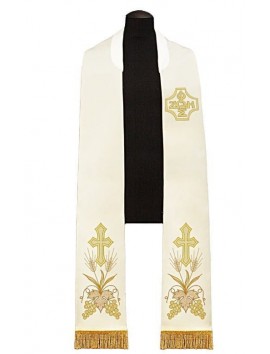
Clergy Stoles
Clergy stoles made in Poland for priests, deacons and pastors, in silk, brocade and velvet. All liturgical colours, prices from $56, with hand embroidery and custom options.
Customer reviews: 4.96/5 from 56 customer reviews on product pages.
Shop by type: deacon stoles · Marian stoles · Roman stoles · stoles with saints · wedding stoles · Christmas stoles · Easter stoles.
Colour guides: white · gold · purple · red · green.
Planning an ordination? White, red and gold are traditional. Anglican and Lutheran clergy often choose classic stoles. Guides: how to choose a stole · why priests wear a stole · stole for the occasion · complete vestments guide.
Subcategories
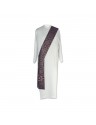
Deacon stole
A deacon stole is a long, narrow strip of cloth worn by deacons in many Christian traditions, including Catholic, Anglican, and Lutheran churches. Unlike the priest’s stole, which hangs straight down from both shoulders, the deacon’s stole is worn diagonally, over the left shoulder and across the chest, fastening at the right side. This unique style isn’t just for looks; it’s a visible marker that sets deacons apart in their ministry.
Our deacon stoles are made in Poland in eight colourways, in jacquard, silk and brocade, with custom embroidery. Prices start at $68; sets and double-sided stoles are also available. Shop purple deacon stoles, red deacon stoles, green deacon stoles or the deacon stole set.
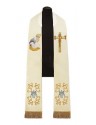
Marian stole
A Marian stole is a liturgical vestment worn by clergy, specifically designed to honor the Virgin Mary. It stands out because of its distinctive Marian symbols—crowns, lilies, or the Marian monogram—and its signature colors, usually blue and white, representing purity and devotion to Mary.
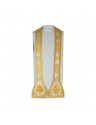
Roman stole
Hand-embroidered Roman stoles made in Poland — 12 styles in liturgical colours, from $111.
A Roman stole is a liturgical vestment—think of it as the “uniform” for clergy in the Roman Catholic tradition. It’s a long, narrow strip of cloth, usually made from silk or another delicate fabric, that’s worn around the neck and hangs down the front. The stole isn’t just for show; it’s a badge of office, signaling that the wearer has been ordained and carries specific responsibilities within the Church.
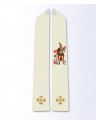
Stole with saints
A stole with saints is a type of liturgical vestment worn by clergy members in various Christian denominations, including Roman Catholic, Anglican, Lutheran, Methodist, Presbyterian, United Church of Christ, Christian Church (Disciples of Christ), and other denominations. The stole is a long colored band of cloth worn around the neck with two ends hanging parallel in the front. The stole with saints is often decorated with embroidered images of saints, such as St. Florian, and is made of high-quality fabric that is stain and crease-resistant. The stole with saints is available in various colors and designs, including a multicolored butterfly print. It is often used during special liturgical celebrations, such as Easter and All Saints' Day, and is a symbol of the authority and responsibility of the clergy member who wears it. The stole with saints is a beautiful and meaningful way to show devotion and respect for the saints while enjoying the exquisitely crafted designs that have spiritual significance.
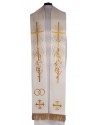
Wedding stole
A wedding stole is a type of accessory worn by brides or grooms during their wedding ceremony. It is a long piece of fabric that is draped over the shoulders and can be made of various materials, including silk, lace, or fur. Wedding stoles can be purchased from various online retailers, and can be custom-made to fit the bride or groom's style and preferences. Some wedding stoles are embroidered with spiritual motifs or adorned with tassels and crosses. Others are made of fur and can be worn as a shawl or wrap to keep the bride or groom warm during a winter wedding. Wedding stoles can also be rented instead of purchased, which is a more affordable option for those who do not want to spend a lot of money on a one-time accessory. Overall, a wedding stole is a beautiful and practical accessory that can add a touch of elegance and sophistication to a wedding outfit.
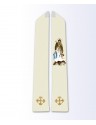
Christmas stole
A Christmas stole is a type of liturgical vestment worn by clergy members during the Christmas season. It is a long colored band of cloth worn around the neck with two ends hanging parallel in the front. The Christmas stole is often decorated with embroidered images of Christmas symbols, such as the Nativity scene, poinsettias, or holly. It can be made of various materials, including satin, textured polyester, or silk. The Christmas stole is available in various colors, including white and gold. It is often used during special liturgical celebrations, such as Christmas Eve and Christmas Day services, and is a symbol of the authority and responsibility of the clergy member who wears it. Christmas stoles can be purchased from various online retailers, and can be custom-made to fit the clergy member's style and preferences. Overall, a Christmas stole is a beautiful and meaningful way to show devotion and respect for the Christmas season while enjoying the exquisitely crafted designs that have spiritual significance.
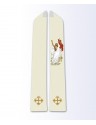
Easter stole
An Easter stole is a type of liturgical vestment worn by clergy members during the Easter season. It is a long colored band of cloth worn around the neck with two ends hanging parallel in the front. The Easter stole is often decorated with embroidered images of Easter symbols, such as the Risen Christ or the Lamb of God. It can be made of various materials, including satin, textured polyester, or silk. The Easter stole is available in various colors, including white and gold. It is often used during special liturgical celebrations, such as Easter Sunday services, and is a symbol of the authority and responsibility of the clergy member who wears it. Easter stoles can be purchased from various online retailers, and can be custom-made to fit the clergy member's style and preferences. Overall, an Easter stole is a beautiful and meaningful way to show devotion and respect for the Easter season while enjoying the exquisitely crafted designs that have spiritual significance.


Clergy stoles: types, selection and care
This page covers the main types of clergy stoles, how to choose one and how to care for it. For the full history, materials, colours and wearing rules, read our detailed guides:
Why priests wear a stole — history, meaning and wearing rules
How to choose a stole for an occasion — weddings, deacons, Roman and Easter
Shop by colour
White clergy stoles · Gold clergy stoles · Purple clergy stoles · Red clergy stoles · Green clergy stoles
Shop by season
Advent stoles · Lent stoles · Pentecost stoles · Green stoles for Ordinary Time · Christmas stoles · Easter stoles
Can women clergy wear stoles, and are there special designs for them?
Yes, women clergy can—and do—wear stoles. The stole is a universal symbol of ordained ministry, authority, and service, regardless of gender. In churches that ordain women as pastors, priests, or deacons, the stole is an essential part of their liturgical attire, just as it is for their male counterparts. It marks their role, authority, and commitment to serve their congregation.
Are There Special Designs for Women’s Clergy Stoles?
While the traditional clergy stole remains the same in terms of its basic shape and symbolism, clergy stoles for women often feature more flexible and modern designs. These adaptations are made to fit women’s bodies better and reflect their personal style and ministry context.
Key features of women’s clergy stoles:
Tailored Fit: Women’s stoles may be cut slightly narrower or shaped to drape more comfortably over different shoulder and necklines. This ensures a professional and dignified look, especially when worn over dresses or blouses.
Modern Designs: Expect vibrant colors, contemporary embroidery, and sometimes symbols that celebrate women’s leadership in ministry.
Personalization: Many women clergy opt for custom stoles that reflect their journey, values, or the unique character of their congregation. Some stoles may feature motifs like doves, flames, or even the names of loved ones or significant dates.
Practical Adjustments: Some designs include lighter materials, adjustable lengths, or sweat guards for comfort during long services.
How Should Women Clergy Wear the Stole?
The rules for wearing a stole don’t change based on gender. Women clergy wear the stole according to their office:
Priests and Pastors: Around the neck, both ends hanging straight in front.
Deacons: Over the left shoulder, crossing the body to the right hip.
The key is wearing the stole with reverence and professionalism, ensuring it complements the rest of the clergy's attire and fits appropriately with the garment's neckline underneath.
Why Do Special Designs Matter?
Special designs for women’s clergy stoles matter because they recognize the diversity and individuality of women in ministry. These stoles honor tradition while allowing for expression, comfort, and a sense of belonging in a role that, for centuries, was reserved for men. The evolution of clergy stoles for women celebrates inclusion and the growing presence of women in church leadership.
What are the different types of clergy stoles?
1. Priestly Stole
Who Wears It: Priests across many Christian denominations
How It’s Worn: Around the back of the neck, with both ends hanging straight down in front (sometimes crossed over the chest)
Features: Often richly decorated with crosses, religious symbols, or ornate embroidery
Purpose: Worn during Mass, baptisms, weddings, and other sacramental services to signify priestly authority and the “yoke of Christ.”
2. Deacon’s Stole
Who Wears It: Deacons
How It’s Worn: Draped over the left shoulder, crossing the body to the right hip like a sash
Features: Usually simpler in design than the priestly stole, but still meaningful and symbolic
Purpose: Worn during liturgical services to signify the deacon’s role as a servant and messenger
3. Bishop’s Stole
Who Wears It: Bishops
How It’s Worn: Like the priestly stole—around the neck with both ends hanging straight down, but never crossed over the chest (since bishops wear a pectoral cross)
Features: Longer, wider, and more ornate than the priestly stole, often adorned with elaborate embroidery and symbols of episcopal authority
Purpose: Worn during essential ceremonies and services, symbolizing the highest level of spiritual authority
4. Pastoral Stole
Who Wears It: Pastors and ministers, especially in Protestant traditions
How It’s Worn: Similar to the priestly stole, around the neck with ends hanging down
Features: Generally more straightforward than Catholic stoles, but still carries significant meaning, often personalized to reflect the pastor’s ministry or church community
Purpose: Worn during church services, weddings, funerals, and other key moments
5. Minister’s Stole
Who Wears It: Ministers in various Christian traditions
How It’s Worn: Typically around the neck, ends hanging straight down
Features: Can be simple or ornate, depending on the tradition and occasion
Purpose: Symbolizes the minister’s responsibility to guide and serve the congregation
6. Special Stole Styles
Tapered Stoles: Feature a curvy, fitted neckline, lying flat against the neck—ideal for a modern, sleek look
Narrow Stoles: Designed for those with smaller frames, offering a comfortable and secure fit
Gothic, Scapular, and Byzantine Stoles: Each with unique shapes and styles, reflecting different liturgical traditions and preferences
Quick Reference Table
| Color | Meaning | When Used |
|---|---|---|
| White | Purity, joy, light | Christmas, Easter, weddings, baptisms, saints’ feasts |
| Green | Hope, renewal, life | Ordinary Time |
| Red | Spirit, martyrdom | Pentecost, Palm Sunday, Good Friday, martyrs’ feasts |
| Purple | Penitence, preparation | Advent, Lent, funerals, and atonement |
| Rose | Joy in penitence | Gaudete & Laetare Sundays |
| Black | Mourning, remembrance | Funerals, All Souls’ Day |
| Gold | Triumph, festivity | Major feasts, solemn celebrations |
| Blue | Marian devotion | Marian feasts (where permitted) |
How do I choose the right stole for a specific occasion or liturgical season?
1. Match the Liturgical Color to the Season or Occasion
Liturgical colors are key. Each season of the church year has its color, and wearing the right one keeps you in sync with centuries of Christian tradition.
Purple: Worn during Advent and Lent, funerals, and memorial services. Purple signals repentance, preparation, and mourning.
White or Gold: Used for Christmas, Easter, weddings, ordinations, and other celebrations. These colors symbolize joy, purity, and new beginnings.
Red: Reserved for Pentecost, feasts of martyrs, Good Friday, and ordination services. Red stands for the Holy Spirit, sacrifice, and passionate faith.
Green: The color for Ordinary Time, representing growth, life, and ongoing faith journeys.
Blue: Sometimes used during Advent or for Marian feasts, depending on your tradition.
Black: Traditionally worn for funerals or All Souls’ Day, though less common today.
2. Consider the Occasion
Weddings: Choose a white or gold stole to reflect celebration and purity.
Baptisms: White is the go-to, symbolizing new life and joy.
Funerals: Purple or black is appropriate, honoring the solemnity and hope of resurrection.
Ordinations: Red is often chosen for its connection to the Holy Spirit and the energy of new ministry.
Special Church Events: Match the stole to the liturgical color of the day or the event's specific theme.
3. Select the Right Style and Fit
Fit matters. Choose a stole that’s the right length and width for your body type. Custom options are available to ensure a professional, dignified look that’s comfortable to wear throughout long services.
Design details. Some stoles feature embroidery, symbols, or trims specific to certain occasions, like crosses for Easter or flames for Pentecost.
Material choice. Silk, linen, and velvet are traditional, but lighter fabrics may be more comfortable for warmer seasons or longer ceremonies.
4. Plan Ahead
Order early. Custom stoles, especially for major milestones like ordination, can take several weeks. Plan to ensure your stole is ready for the big day.
How should a clergy stole be cared for and cleaned?
Caring for a clergy stole isn’t complicated, but it does require attention to detail and a gentle touch. Here’s your step-by-step guide:
1. Always Check the Care Label
Before cleaning, read the care instructions on your stole. Different fabrics and decorations (like silk, velvet, or embroidery) may need special treatment.
2. Dry Cleaning: The Gold Standard
For most clergy stoles, especially those made from silk, velvet, or with intricate embroidery, dry cleaning is the safest and most effective method. Dry cleaning removes stains and odors and helps set the colors, keeping your stole vibrant and crisp.
The first cleaning should always be dry to lock in colors and prevent fading.
3. Spot Cleaning for Minor Stains
If you get a small stain, spot clean immediately. Use a white cloth with cold water and a mild, non-bleach detergent or natural cleaner. Dab gently—don’t rub or scrub, as this can push the stain deeper or damage the fabric.
For candle wax, chill the wax with ice and gently scrape it off with a dull knife.
4. Hand Washing (If Allowed)
Some stoles, especially those made from polyester or cotton blends, can be hand-washed with a gentle soap and cold water. Soak the stole, gently move it in the water, and avoid wringing or twisting.
Always line dry and reshape while damp. Use a cool or silk setting on your iron or a steamer to remove wrinkles.
5. What to Avoid
No Harsh Chemicals: Avoid bleach and strong detergents—they can damage delicate fabrics and fade colors.
No Machine Washing or Drying: The agitation and heat can ruin the stole’s shape and fabric.
No High Heat Ironing: If ironing is necessary, use a pressing cloth with the lowest heat possible, or better yet, use a steamer.
No Rough Handling: Don’t wring, twist, or scrub. Be gentle at every step.
6. Storage Tips
Hang your clergy stole on a wide, padded hanger or keep it in a garment bag to prevent dust, sunlight, and wrinkles.
Store in a cool, dry, dark place to avoid fading and damage. Never cram your stole into a suitcase or drawer with other items—treat it with the same care you’d give a fine suit.
Prevention tips
Avoid eating or drinking while wearing your stole.
Use a stole chain or protector to prevent sweat stains on the neckline.
Please regularly look for stains or damage and address them quickly to avoid permanent issues.
