
No products
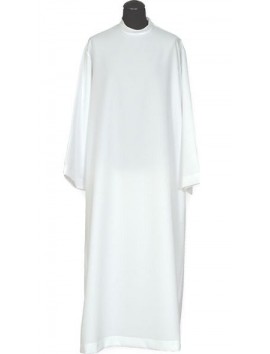
Altar server alb
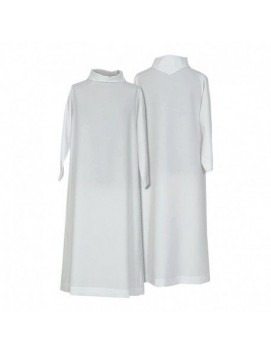
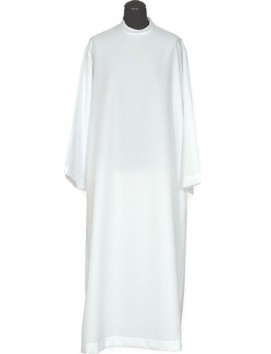
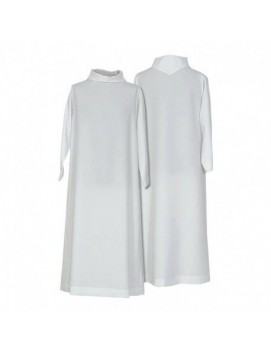
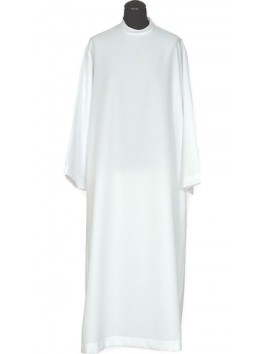
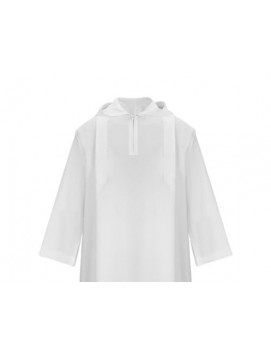
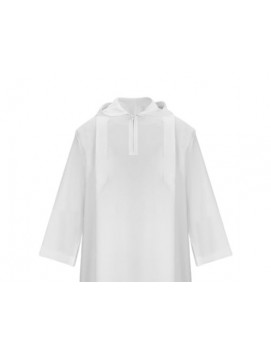
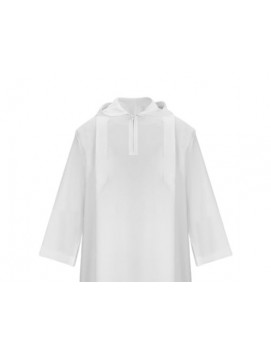
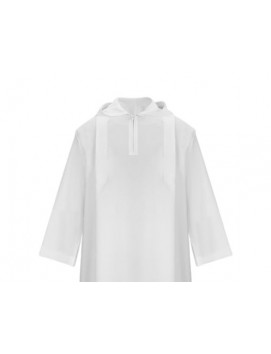
An altar server alb is a long, white garment worn by altar servers—the people who assist the priest at the altar during Christian liturgy. Think of it as the standard-issue gear for anyone serving at the altar. The alb covers regular clothes, so everyone looks unified and focused on the service, not what they wear.
An altar server alb is a long, white garment worn by altar servers—the people who assist the priest at the altar during Christian liturgy. Think of it as the standard-issue gear for anyone serving at the altar. The alb covers regular clothes, so everyone looks unified and focused on the service, not what they wear.
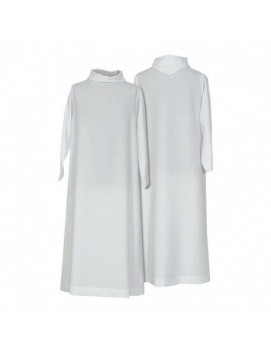
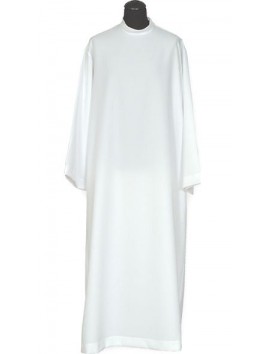
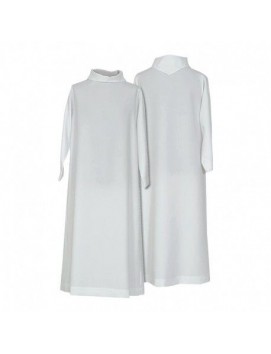
Why do altar servers wear albs?
The main reason altar servers wear albs is simple: the alb symbolizes purity and service. “Alb” comes from the Latin albus, meaning “white.” That white color isn’t just for show; it represents Baptism's purity and spiritual rebirth. When an altar server puts on the alb, it’s a visible reminder to everyone, especially the server themselves, that they’re stepping into a role of responsibility and dignity at the altar.
What Does the Alb Do?
Let’s get tactical. Here’s why the alb matters for altar servers:
Unity and Equality: Everyone looks the same, so there’s no distraction about who’s wearing what. It’s about focusing on the Mass, not on individual style.
Symbolism: The alb is a daily reminder of the call to serve with a pure heart and to live up to the Gospel’s standards.
Tradition: Wearing the alb connects altar servers to centuries of Christian history. This isn’t just a new trend—it’s a tradition that’s stood the test of time.
Practicality: The alb covers regular clothes, so servers always look neat and appropriate, no matter what they wore to church.
Why Not Just Wear Regular Clothes?
Great question. The answer is about respect and focus. The alb sets apart the altar server’s role as something special. It’s not just another Sunday chore—it’s a ministry. By wearing the alb, altar servers respect the sacred space and help everyone in the church focus on worship, not what someone is wearing.
What Should You Know About Wearing Albs?
Here’s the quick checklist:
The alb should be clean, white, and fit properly—no tripping or dragging on the floor.
All altar servers should wear the same style of vestment for consistency and unity.
The alb is usually tied at the waist with a cincture, symbolizing discipline and readiness to serve.
Underneath, keep it simple—no flashy colors or logos that might show through.
Is there a difference between an alb for altar servers and clergy?
The basic alb—the long, white garment—is fundamentally the same for both altar servers and clergy in terms of its form and purpose. It’s a symbol of purity and service, designed to cover the regular clothes of the wearer, creating unity and focus at the altar. But there are some important distinctions you need to know.
Who Is the Alb “Proper” To?
Officially, the alb is the proper vestment for bishops, priests, deacons, acolytes, and lectors—instituted or ordained ministers. Altar servers, on the other hand, are deputed lay ministers, not instituted ones. The Universal Church’s guidelines make this distinction clear: the alb belongs to the ordained and instituted ministries, but regional laws—like those in the United States—also extend the alb to altar servers.
Visual and Functional Differences
Design and Quality: No strict rule says an altar server alb must look different from a clergy alb. Both are long, white robes, often tied with a cincture. However, clergy albs may sometimes have higher-quality fabrics, more elaborate embroidery, or lace features rarely found on albs for altar servers, which tend to be simpler for practicality and cost reasons.
Accessories: Clergy may add stoles, chasubles, or dalmatics over the alb, depending on their role. Altar servers typically wear the alb, sometimes with a colored cincture or a simple cross, but not the distinctive vestments of clergy.
Symbolism: While the alb always represents purity, for clergy it also signifies their specific office and function within the liturgy. For altar servers, the alb is about service and assisting at the altar, not about holding an ordained office.
Liturgical Guidelines
The General Instruction of the Roman Missal states that acolytes, altar servers, readers, and other lay ministers “may wear the alb or other appropriate and dignified clothing.” All servers should wear the same liturgical vestment for unity, but the alb is not reserved exclusively for clergy. In some parishes, especially traditional ones, servers may wear a cassock and surplice instead of an alb, but the alb is now the most common choice.
Why Does This Matter?
Clarity of Roles: The Church wants a visible distinction between the various ministries at the altar. That’s why, even though the alb looks similar, the additional vestments and the context in which it’s worn help clarify who’s who.
Respect for Tradition: Allowing altar servers to wear the alb is about dignity and respect for their role, but it’s not meant to blur the line between ordained ministers and lay servers.
What should I wear under my alb?
1. Tops: Go for Light, Solid Colors
Choose a plain white or light-colored shirt or blouse. This keeps things discreet—no patterns, logos, or bright colors that might show through the alb.
Short sleeves work best, especially in warmer weather. A thin, long-sleeved undershirt in cold churches is fine if it’s not bulky.
2. Bottoms: Comfortable and Neutral
For pants, stick with dark or neutral colors—black, navy, or khaki. Avoid shorts, jeans, or anything flashy.
If you’re wearing a skirt, make sure it’s knee-length or longer and not visible below the alb.
3. Shoes: Dress for Respect
Closed-toe black or dark brown dress shoes are ideal—no sneakers, sandals, or anything that draws attention.
Ensure your shoes are clean and in good condition—this shows respect for the role and the sacred space.
4. Socks: Keep It Simple
Wear socks that match your shoes or pants. White socks with black shoes? Not a good look. Go for black or dark socks for a unified appearance.
What to Avoid Under Your Alb
No bright colors or bold patterns. They can show through the alb and become a distraction.
No bulky clothing. The alb should drape smoothly, so avoid thick sweaters or hoodies.
No hats, flashy jewelry, or accessories. Keep it minimal—your focus is on serving, not standing out.
Why Does It Matter What I Wear Under My Alb?
Wearing the right clothes under your alb isn’t just about looking good. It’s about respect for the liturgy, community, and yourself. When you dress appropriately, you help everyone focus on the Mass, not what you wear. You’re also more comfortable, which means you can serve without distractions.
What type of shoes are appropriate with an alb?
The answer is simple: dark, closed-toe dress shoes are the gold standard for altar servers wearing an alb. Why? Because they’re respectful, professional, and don’t distract from the sacredness of the Mass. Black or dark brown dress shoes are preferred for male and female servers. These shoes should be clean, in good condition, and not flashy.
What Shoes to Wear With an Alb
Black or dark brown dress shoes (preferred by most parishes)
Dressy casual shoes in a dark color if you don’t have formal dress shoes
Plain, simple design—no “bling,” bright colors, or distracting decorations
Low or flat heels for safety and comfort, especially for female servers
Dress sandals may be allowed for females in some parishes, but only if they cover most of the foot, have a heel strap, and are quiet when walking.
Shoes to Avoid With an Alb
Sneakers, athletic, or boat shoes are always a no-go.
Flip-flops, sandals without a heel strap, or open-toe shoes—these are never appropriate
Work boots, hiking boots, or any beach or water shoes—leave them at home
High heels or “blingy” shoes—they’re distracting and unsafe.
Shoes in bright or flashy colors—the goal is to blend in, not stand out
Why Does Shoe Choice Matter With an Alb?
Your shoes are part of your overall appearance. The right shoes help you look unified with the other servers and show respect for the sacredness of the liturgy. Distracting shoes can pull attention away from the Mass and make it harder for you to move quietly and confidently.
Pro Tips for Altar Servers
Keep a pair of dress shoes just for serving. Bring them to church and change before Mass if needed.
Could you make sure your shoes are always clean and polished? First impressions count.
Wear socks that match your shoes or pants. No white socks with black shoes—keep it sharp.
How do I put on an alb and cincture correctly?
1. Start With the Right Foundation
Before touching the alb, ensure you’re wearing the right clothes underneath. Stick with a plain, light shirt, dark pants, or a modest skirt—nothing flashy or bulky. This sets you up for a clean, professional look.
2. Putting On the Alb
Could you find your size? The alb should reach your ankles, not drag on the floor or ride too high.
Unzip or unbutton the alb (if it has fasteners). Step into the alb, pulling it gently over your shoulders.
Smooth it out. Make sure it’s not twisted and that the sleeves are straight. The hem should fall just over your shoes.
Zip up or button up. Secure any fasteners so the alb sits comfortably on your shoulders and chest.
3. How to Put On a Cincture
The cincture is the rope or band that ties around your waist, keeping the alb in place and symbolizing readiness and purity.
Hold the cincture at its midpoint. Place the center of the cincture at your waist, right above your hips.
Wrap it around your waist. Bring both ends to the front, crossing them behind your back if needed.
Tie a simple knot or bow at your side or front, depending on your parish’s custom. The ends should hang down evenly, not dragging on the floor.
Adjust for comfort. The cincture should be snug but not tight, keeping the alb neat and tidy.
4. Final Check
Look in a mirror. Ensure the alb is smooth, the cincture is straight, and nothing underneath shows.
Move around. Walk a few steps to ensure you’re comfortable and the alb isn’t tripping you.
Why Does It Matter How I Put on an Alb and Cincture?
When you put on an alb and cincture correctly, you show respect for your role and liturgy. You look unified with the other servers, move confidently, and help everyone focus on worship, not wardrobe malfunctions.
Pro Tips for Altar Servers
Practice at home. The more you practice, the more natural it feels.
Ask for help if you’re unsure. There’s no shame in double-checking with a veteran server or sacristan.
Keep your alb and cincture clean and ready. Respect for your vestments is respect for your ministry.
How do I choose the right size alb for my child?
1. Measure Your Child Accurately
The first step in choosing the right size alpaca for your child is getting accurate measurements. Here’s what you need:
Height: Measure your child from the top of the head to the floor, shoes on.
Shoulder Width: Measure from one shoulder seam to the other across the back.
Sleeve Length: Measure from the top of the shoulder to the wrist.
Write these numbers down—you’ll need them when checking sizing charts.
2. Check the Alb Size Chart
Most church suppliers offer a size chart for altar servers albs. Match your child’s height and measurements to the chart. If your child is between sizes, always size up. The alb should be a little long (you can hem it) than too short.
3. Fit Matters: What to Look For
Length: The alb should fall just over your child’s shoes—not dragging on the ground, but not riding too high.
Sleeves: Sleeves should reach the wrists but not cover the hands.
Shoulders: The alb should sit comfortably on the shoulders, not tight or drooping.
4. Growth Room
Kids grow fast. When choosing the right size alb for your child, consider buying one size up if they’re in a growth spurt. A slightly longer alb can be hemmed and let out as needed.
5. Try It On Before Mass
Have your child try the alb with their church shoes once you have the alb. Walk around, sit, and move their arms to ensure the fit is comfortable and practical for serving.
Why Does the Right Size Matter?
An alb that fits right helps your child serve confidently and respectfully. Too long, and it’s a tripping hazard. Too short, and it looks sloppy. The right fit means your child looks unified with other servers and can focus on their duties, not their clothes.
Pro Tips for Parents
Label your child’s alb with their name to avoid mix-ups in the sacristy.
Wash and iron the alb regularly to keep it looking crisp.
Check the fit each season—kids grow fast, so reassess every few months.
What materials are best for altar server albs?
1. Polyester
Polyester is the most popular material for altar server albs—and for good reason. It’s affordable, easy to care for, and stands up to frequent washing and wear. Polyester albs don’t wrinkle easily, making them a practical choice for busy parishes. Polyester is a safe bet if you want something that lasts and doesn’t require much ironing.
2. Cotton
Cotton is crisp, breathable, and comfortable—especially for long services or hot weather. It pleats well and has a classic look, but it does need more ironing than polyester. Cotton is also a bit more expensive and can fade over time, but if comfort and breathability are your top priorities, cotton is a great choice.
3. Poly-Cotton Blends
Poly-cotton blends give you the best of both worlds: the breathability and softness of cotton, plus the durability and easy care of polyester. These blends are popular for altar server albs because they’re comfortable, hold up well, and require less maintenance than pure cotton.
4. Linen/Polyester Blends
Linen/polyester blends are another premium option. Linen is lightweight and breathable, while polyester adds strength and wrinkle resistance. This combo is ideal if you want an elegant alb that feels cool but is still easy to maintain.
5. Wool or Wool Blends
Wool, especially tropical wool, is sometimes used for high-end albs. It’s breathable, drapes beautifully, and feels luxurious. However, wool is usually reserved for clergy vestments, as it’s more expensive and requires dry cleaning. Wool blends are not the most practical for altar servers—especially kids—but they offer unmatched quality if budget isn’t a concern.
What Should You Look For in Alb Material?
Breathability: Cotton, linen, and blends are best for keeping cool.
Easy Care: Polyester and blends are low-maintenance and resist wrinkles.
Durability: Polyester and poly-cotton blends last through years of use and washing.
Comfort: Cotton and linen feel soft and natural against the skin.
Pro Tips for Choosing Alb Material
For most parishes, polyester or poly-cotton blends hit the sweet spot between comfort, durability, and budget.
Consider cotton or linen blends for extra breathability if your church is in a hot climate.
For special occasions or clergy, wool or wool blends offer a premium look and feel, but aren’t practical for everyday altar server use.
How do I care for and clean my alb?
The key to caring for and cleaning your alb is consistency. You want that white garment to stay bright, fresh, and professional every time you serve. Here’s how you do it:
1. Check the Label First
Before you do anything, read the care label. Most altar server albs are made from polyester, cotton, or a blend—each has different care needs. The label will tell you if your alb is machine washable or needs special treatment.
2. Washing Your Alb
Machine Wash (Most Common): Use gentle cycle and cold or warm water. Avoid hot water—it can shrink cotton and set stains.
Mild Detergent: Use a gentle, bleach-free detergent. If your alb is stained, use a small amount of oxygen-based bleach (not chlorine) to keep it bright.
Separate Whites: Always wash your alb with other white garments to prevent color transfer.
3. Stain Removal Tips
Act Fast: The sooner you treat a stain, the better. Blot (don’t rub) any spills with a clean cloth.
Spot Clean: Use a mild stain remover or baking soda paste and water for tough spots. Test on a hidden area first.
Avoid Harsh Chemicals: No strong bleach or fabric softeners—they can damage the fabric and yellow the alb.
4. Drying Your Alb
Air Dry: Hang your alb on a hanger to air dry. This prevents wrinkles and keeps the shape crisp.
Tumble Dry (If Allowed): Use a low-heat setting if the label says it’s safe. Remove promptly to avoid wrinkles.
5. Ironing and Storing
Iron on Low: Iron on a low setting if your alb is wrinkled. You can use a pressing cloth to avoid scorching.
Hang, Don’t Fold: Always hang your alb on a wide hanger in a clean, dry closet. This keeps it ready for every service.
Pro Tips for Alb Care
Keep a spare: If you serve often, consider having two albs so you’re never caught with a dirty one.
Regular checks: Inspect your alb for stains or tears after every use. Fix issues right away.
Label it: Put your name on the tag to avoid mix-ups in the sacristy.
Why Does Alb Care Matter?
A clean, well-cared-for alb isn’t just about looking good. It’s about respect for the liturgy, your role, and your community. You show you take your ministry seriously when you care for your alb.