
Žiadne produkty
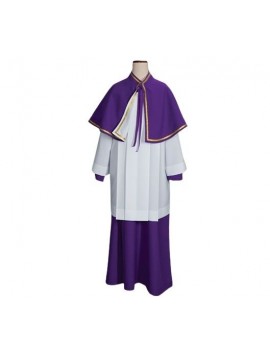
Ministranti
Altar servers are lay assistants to members of the clergy during Christian liturgies. They assist the priest and deacon during the Eucharist and other liturgical ceremonies so that the liturgy can be conducted with grace and reverence. Altar servers attend to supporting tasks at the altar such as fetching and carrying, ringing the altar bell, helping bring up the gifts, and bringing up the liturgical books, among other things. Altar servers can be of any age or gender, and in some Christian denominations, they are known as acolytes. Altar servers are expected to be active and full participants in the celebration, singing, praying, and keeping silence along with the rest of the assembly.
Podkategórie
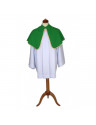
Ramenné plášte pre...
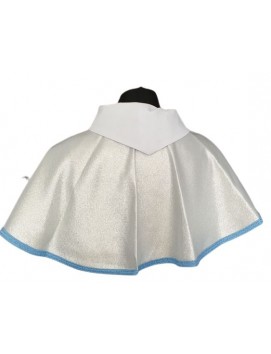
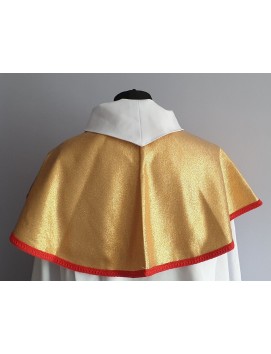
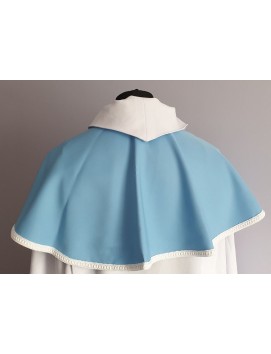
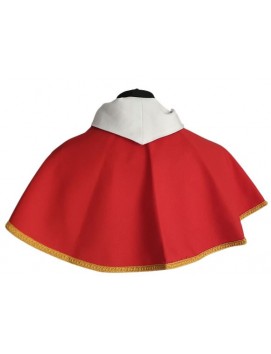
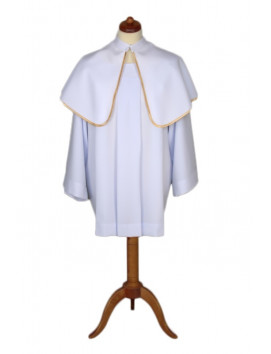
Pluviály pre ministrantov sú druhom liturgického odevu, ktorý nosia členovia cirkevnej hierarchie počas kresťanských liturgií. Sú to krátke pluviály, otvorené zpredu, ktoré siahajú po lakte. Pluviály pre ministrantov sú dostupné vo všetkých liturgických farbách vrátane bielej, zelenej, červenej, fialovej, svetlomodrej a zlatej. Často sú olemované zlatým lemovaním alebo dekoratívnou páskou. Pluviály pre ministrantov používajú kňazi vrátane pápeža, kardinálov, biskupov a ministrantov. Sú to luxusné a jedinečné kusy odevu, ktoré sú odborne vyrobené pre tých, ktorí hľadajú vrcholný štýl. Pluviály pre ministrantov sa zapínajú háčikom a očkom a sú dostupné v univerzálnych veľkostiach
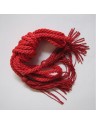
Cingulá
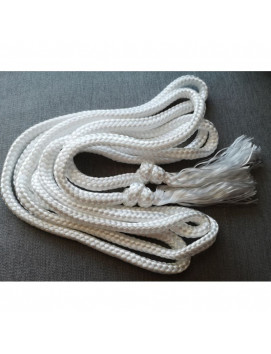
Cingulá sú liturgické opasky alebo hrubé šnúry s kižatkami na oboch koncoch, ktoré používajú kňazi a ministranti v kresťanských cirkvách ako súčasť liturgického odevu. Sú dostupné v rôznych materiáloch vrátane bavlny, rayonu a šnúry a vo všetkých liturgických farbách vrátane červenej, fialovej, zelenej, modrej, zlatej a bielej. Cingulá sa používajú na zapásanie alby, bieleho rúcha, ktoré nosia kňazi, v pase. Používajú sa tiež na zapnutie štóly, dlhej úzkej látky, ktorú kňazi nosia cez albu. Cingulá sú dostupné v rôznych dĺžkach od 72 palcov po 144 palcov a sú ukončené malou kižatkou na každom konci. Sú nevyhnutnou súčasťou liturgického odevu a nosia ich kňazi, diakoni, akolyti a ministranti.
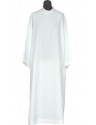
Alba pre ministranta
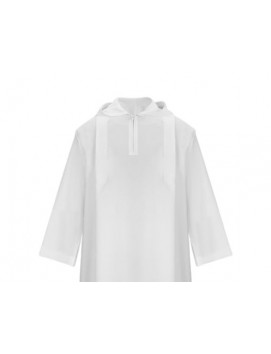
Alba pre ministranta je dlhý biely odievny kus, ktorý nosia ministranti – osoby, ktoré pomáhajú kňazovi pri oltári počas kresťanskej liturgie. Predstavte si ju ako štandardný vybavovací kus pre každého, kto slúži pri oltári. Alba zakrýva bežné oblečenie, aby všetci vyzerali jednotne a sústredene na službu, nie na to, čo majú na sebe.
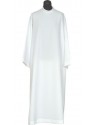
Superpelícia pre...
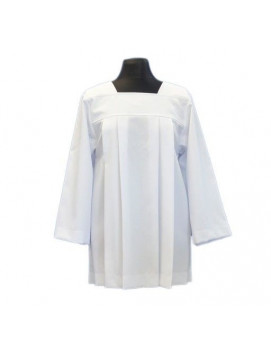
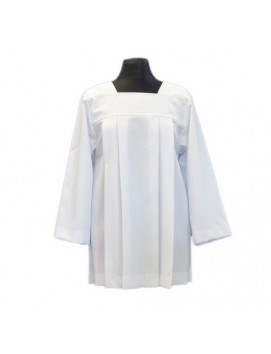
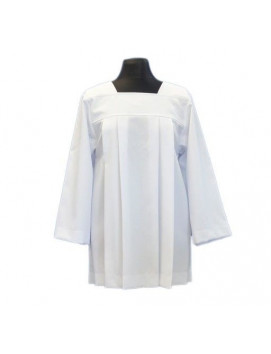
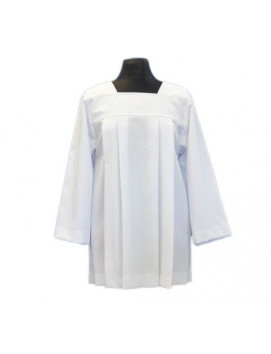
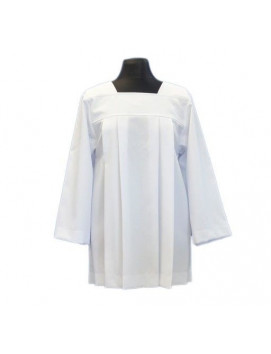
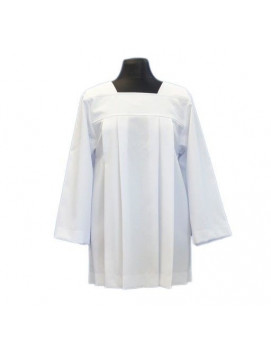
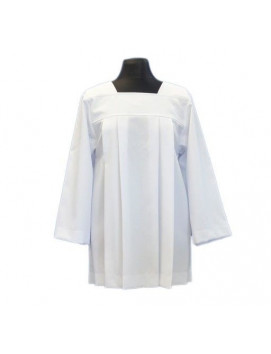
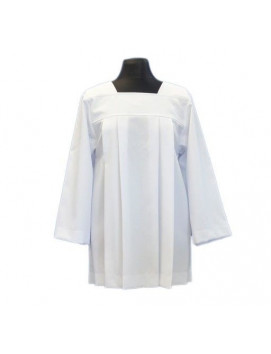
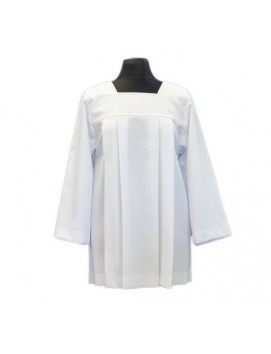
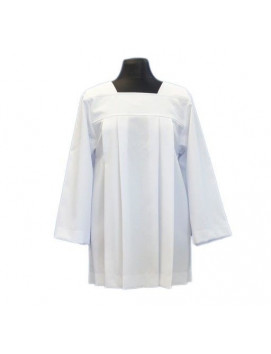
Superpelícia pre ministranta je biely, voľne sediaci liturgický odievny kus, ktorý sa nosí cez reverendu ministrantmi počas katolíckej omši a iných náboženských slávností. Symbolizuje čistotu, službu a tradíciu a je navrhnutá tak, aby zvýšila vážnosť a jednotu liturgickej slávnosti. Superpelície sú zvyčajne vyrobené z ľahkých materiálov, ako je bavlna, polyester, viskóza alebo krajka, a sú dostupné v rôznych štýloch a veľkostiach, aby vyhovovali rôznym potrebám.
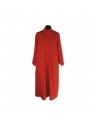
Reverenda pre ministranta
Reverenda pre ministranta je druhom liturgickej výbavy, ktorú ministranti nosia počas svätej omši v Katolíckej cirkvi. Je to dlhý, až po členok siahajúci odiev, ktorý je zvyčajne čierny, biely, červený alebo fialový. Reverendy pre ministrantov sú zvyčajne vyrobené z polyesterových a bavlnených zmesí, ktoré sú ľahké na starostlivosti, a majú odolné gombíky. Reverendy pre ministrantov sú dostupné v rôznych veľkostiach a štýloch vrátane širokého kroja a unisexových modelov. Reverendy pre ministrantov sa nosia cez odev ministranta a sú symbolom úlohy ministranta pri pomoci kňazovi počas svätej omši.
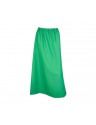
Sukňa pre ministranta
Sukňa pre ministranta je výbornou voľbou pre každú príležitosť. Vyrobená z ľahkého, elastického materiálu s pevným gumiakom na pase je táto sukňa pohodlná a ľahká na údržbu. Tento výrobok ponúka tiež vynikajúcu kvalitu a je dostupný v piatich farbách: biela, čierna, červená, fialová a zelená. Ideálna pre každú službu alebo udalosť, keď potrebujete vyzerať čo najlepšie!
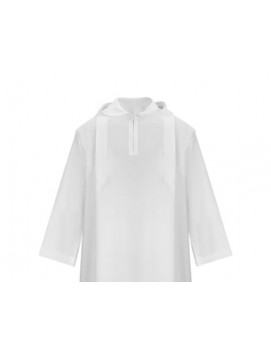
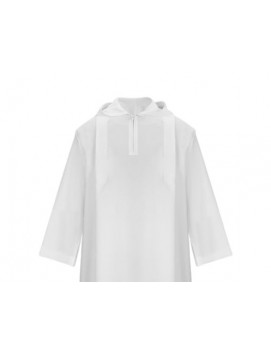
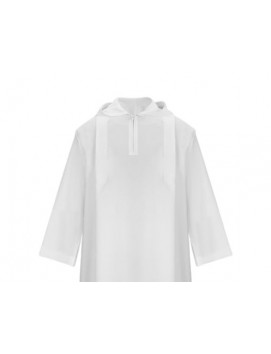
Plášť ministranta biely jednostranný Plášť ministranta biely jednostranný
Plášť ministranta biely jednostranný Plášť ministranta biely...
29€3Recenzie
Altar Servers: The Heartbeat of Liturgical Celebrations
Altar servers hold a special place in the heart of liturgical celebrations, demonstrating piety and decorum to the congregation. Their role, deeply rooted in the ancient traditions of the church and piety, is both a privilege and a responsibility. It's a role that transcends age, gender, and background, uniting individuals in their shared service to the altar, god, and the community. This comprehensive guide dives into the world of altar servers, shedding light on their duties, significance, functions, piety, and the profound impact they have on the liturgical life of the church.
The Role and Responsibilities of Altar Servers
Altar servers are the silent, yet pivotal figures in liturgical celebrations. They assist the priest, god, and deacon as altar servers during the Eucharist and other liturgical ceremonies at the altar table, ensuring that the liturgy is conducted with grace and reverence. Their duties as altar servers are varied and vital, from carrying the cross and processional candles to assisting with the preparation of the gifts and the washing of hands. In the absence of a sacristan, they may also prepare the altar and sacred vessels before Mass.
The Significance of Altar Serving
Serving at the altar as a server is more than just fulfilling a set of tasks; it's a ministry that fosters a deeper understanding and appreciation of the liturgy. It's an opportunity for personal and spiritual growth, allowing servers to develop a closer relationship with God and their community. This ministry has historically been a source of vocations to the priesthood and religious life, highlighting its importance in nurturing future church leaders.
Training and Formation
Becoming an altar server requires proper preparation and commitment. Candidates must be baptized and have received the Eucharist, with confirmation being encouraged but not mandatory. Training programs are essential for equipping servers with the knowledge and skills needed to perform their duties effectively. These programs cover everything from the structure of the Mass and the significance of its parts to the practical aspects of serving at the altar.
The Inclusivity of Altar Serving
The ministry of altar serving is inclusive, welcoming both male and female servers. This openness reflects the church's recognition of the valuable contributions that all members, server, of the community can make to liturgical celebrations. The decision to include female servers is made at the diocesan level, ensuring a uniform policy that respects the diversity of the church.
The Impact of Altar Servers on Liturgical Celebrations
Altar servers play a crucial role in enhancing the solemnity and reverence of liturgical celebrations. Their presence at the altar and participation as a server help to create a prayerful atmosphere that encourages the congregation to engage more fully in the worship experience. By performing their duties with dedication and reverence, altar servers set an example for the assembly, inspiring others to deepen their own participation in the liturgy.
Conclusion
Altar servers are indispensable to the liturgical life of the church. Through their service as server, they not only assist the clergy at the altar and contribute to the beauty of the liturgy but also embark on a journey of personal and spiritual growth. Their ministry is a testament to the power of serving others and the transformative impact it can have on their lives and the lives of those around them. As the church continues to evolve, the ministry of altar serving remains a vital and cherished tradition, embodying the spirit of service and community at the heart of Christian worship.
Altar Server Vestments: What Each Garment Is Called
Altar server vestments are the garments worn by boys and girls who assist the priest at Mass. The most common are the cassock, a long close-fitting robe that reaches the ankles; the surplice, a white wide-sleeved garment worn over the cassock; the alb, a full-length white tunic that may be worn on its own or under other vestments; and the cincture, a cord belt tied around the waist to secure the alb. An altar server cloak (shoulder cape) is a short cape worn over the shoulders, often in the liturgical colour of the day.
- Cassock — the black or coloured robe that forms the base of the altar server's outfit; it is a type of liturgical garment worn by clergy and servers alike.
- Surplice — a white linen or cotton garment with wide sleeves worn over the cassock; it is a type of liturgical vestment that symbolises baptismal purity.
- Alb — a long white tunic with sleeves; the alb is a type of liturgical vestment and symbolises the purity and dignity of baptism.
- Cincture — a braided cord tied around the waist; the cincture is a liturgical accessory worn with the alb.
- Altar server cloak (shoulder cape) — a short cape worn over the shoulders, made in cotton, polyester or wool and available in the liturgical colours.
Altar server vestments are made from cotton, polyester or wool and are available in many sizes, cuts and liturgical colours (white, red, green, purple and black). Each garment helps altar servers present a respectful, unified appearance during the liturgy and expresses reverence and humility in service at the altar. Choose a complete altar server outfit with matching cassock, surplice, alb and cincture, or shop the individual garments by size from the categories below.
Frequently Asked Questions About Altar Servers
What are the vestments worn by Catholic altar servers?
Catholic altar servers most commonly wear a cassock with a surplice, or an alb with a cincture. The cassock is a long robe; the surplice is a white wide-sleeved garment worn over it; the alb is a full-length white tunic; and the cincture is the cord tied around the waist. An altar server cloak (shoulder cape) may be added in the liturgical colour of the day.
What are the robes that altar servers wear called?
The robes worn by altar servers are called a cassock, a surplice and an alb. The cassock is the base robe, the surplice is worn over it, and the alb is a white tunic that may be worn on its own. The cincture is the cord belt worn with the alb.
What is the proper attire for altar servers?
Proper altar server attire is modest, clean and complete: a cassock and surplice (or an alb with a cincture), with everything in the correct size. Servers should also wear appropriate footwear and, where customary, an altar server cloak in the liturgical colour of the day.
What do altar servers wear at Mass?
At Mass, altar servers wear a cassock and surplice or an alb with a cincture, in a colour that matches the liturgical season. White, red, green, purple and black are used according to the day, and a shoulder cape may be worn over the shoulders.
