
Nincs termék
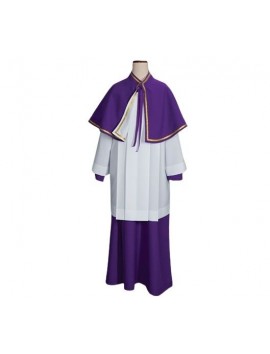
Ministránsok
A ministránsok a keresztény liturgiák során a papság tagjainak világi segítői. A pap és a diakónus segítik az Eucharisztia és más liturgikus szertartások során, hogy a liturgia kegyelemmel és tisztelettel lehessen megtartani. A ministránsok az oltárnál ellátó feladatokat látnak el, például hoznak és visznek tárgyakat, megszólaltatják az oltári harangot, segítenek felvinni a ajándékokat és a liturgikus könyveket, valamint egyéb dolgokat. A ministránsok bármilyen korúak és neműek lehetnek, és egyes keresztény felekezetekben akolitaként ismertek. A ministránsoknak az ünnepély aktív és teljes résztvevőinek kell lenniük, az összesgyűlés többi tagjával együtt énekelni, imádkozni és csendet tartani.
Alkategóriák
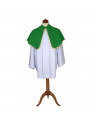
Oltári vállköpenyek
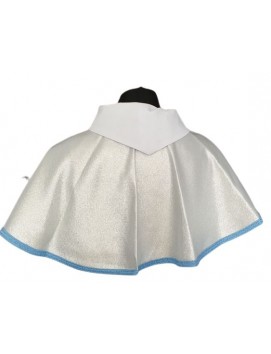
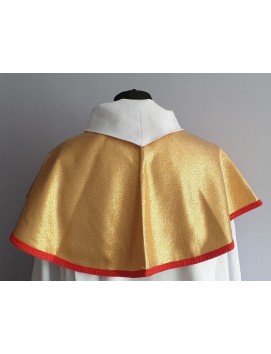
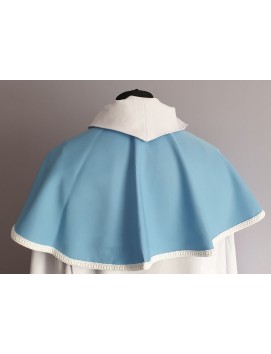
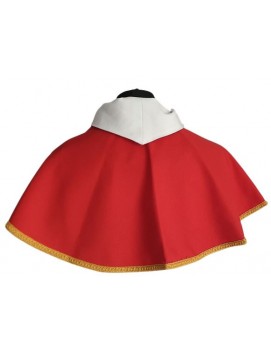
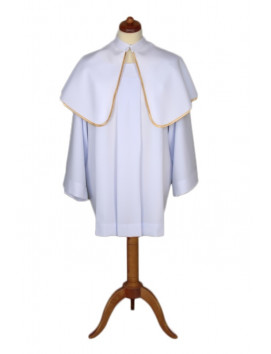
A ministráns vállkabátok olyan liturgikus ruhák, amelyeket a papság tagjai viselnek keresztény liturgiákon. Rövid, elöl nyitott kabátok, amelyek az könyökig érnek. A ministráns vállkabátok minden liturgikus színben elérhetők, beleértve a fehéret, zöldet, pirosat, lila színt, világoskéket és az aranyat. Gyakran arany szegéllyel vagy díszített szalaggal vannak díszítve. A ministráns vállkabátokat a papság tagjai viselik, beleértve a pápát, bíborosokat, püspököket és ministránsokat is. Luxus és egyedi darabok, amelyeket a legmagasabb szintű stílust keresők számára készítenek szakértők. A ministráns vállkabátokat kapcsos zárral rögzítik, és univerzális méretekben kaphatók
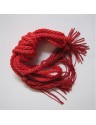
Cingulumok
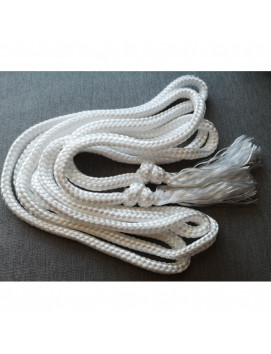
A cingulumok liturgikus övek vagy vastag, mindkét végén tasszelokkal ellátott kötelek, amelyeket a papság és a szolgák viselnek keresztény egyházakban liturgikus öltözet részeként. Különböző anyagokból készülnek, például pamutból, rayonból vagy kötélből, valamint minden liturgikus színben elérhetők, beleértve a pirosat, lila színt, zöldet, kéket, aranyat és fehéret. A cingulumokat az alba, a papság által viselt fehér köntös derékon történő összefogására használják. Emellett a stóla, a papság által az alba fölé viselt hosszú, keskeny anyagsáv rögzítésére is szolgálnak. Különböző hosszúságban kaphatók, 72 és 144 hüvelyk között, és mindkét végükön kis tasszelokkal vannak befejezve. Ez az elem elengedhetetlen a liturgikus öltözet része, amelyet papok, diakónusok, akolitusok és ministránsok viselnek.
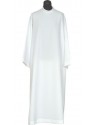
Ministráns alba
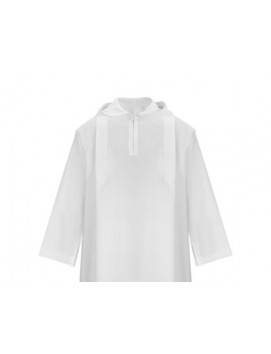
A ministráns alba egy hosszú, fehér ruha, amelyet az oltárosok viselnek – azok, akik a papot segítik az oltárnál a keresztény liturgia során. Gondolhatjuk úgy rá, mint az oltáron szolgálók szabványos felszerelésére. Az alba eltakarja a hétköznapi ruhát, így mindenki egységesen és a szolgálatra összpontosítva jelenik meg.
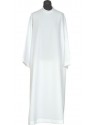
Ministráns karing
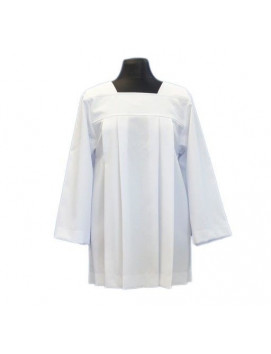
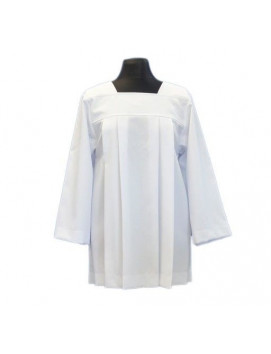
A ministráns karing egy fehér, bő, liturgikus öltözet, amelyet a ministránsok a reverendájuk fölé viselnek a katolikus misén és más vallási ceremóniákon. A tisztaságot, szolgálatot és hagyományt szimbolizálja, és a liturgikus ünnepség ünnepélyességének és egységességének hangsúlyozására szolgál. A karingokat általában könnyű anyagokból készítik, például pamutból, poliészterből, viszkózból vagy csipkeből, és különböző stílusokban és méretekben kaphatók, hogy különböző igényeket is kielégítsenek.
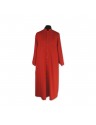
Ministráns reverendák
A ministráns reverenda egy olyan liturgikus öltözet, amelyet a ministránsok a katolikus egyház miséje alatt viselnek. Ez egy hosszú, bokáig érő ruha, amely általában fekete, fehér, piros vagy lila színű. A ministráns reverendákat általában könnyen ápolható poliészter és pamut keverékből készítik, és erős csatokkal rendelkeznek. A ministráns reverendák különböző méretekben és stílusokban kaphatók, többek között bő és univerzális kivitelben. A ministráns reverendát a szolgáló személy ruhája fölé öltik, és a szolgálatos szerepének szimbóluma a pap misében nyújtott segítségében.
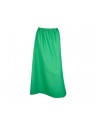
Ministráns szoknya
A ministráns szoknya bármilyen alkalomra kiváló választás. Könnyű, rugalmas anyagból készült, erős rugalmas derékpánttal, így kényelmes és ápolásban egyszerű. Ez a termék kiváló minőséget kínál, és öt színben kapható: fehér, fekete, piros, lila és zöld. Ideális minden olyan szolgálatra vagy eseményre, ahol a legjobb formáját szeretné mutatni!
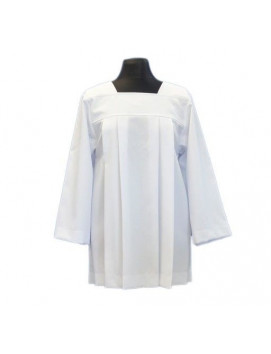
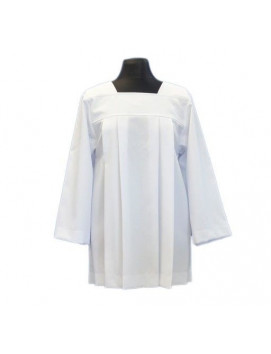
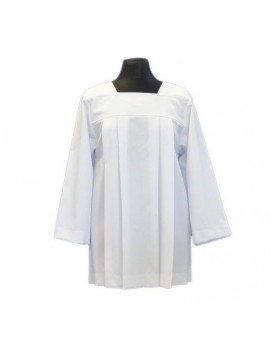
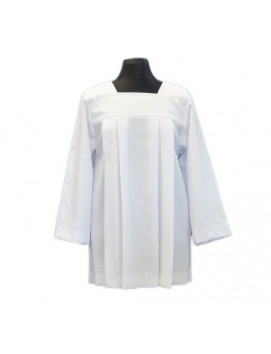
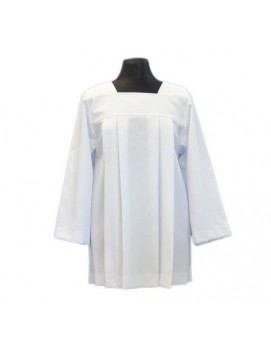
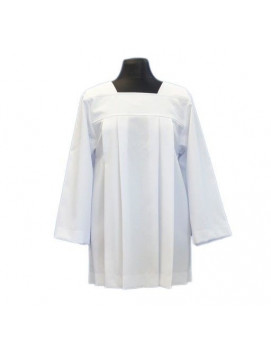
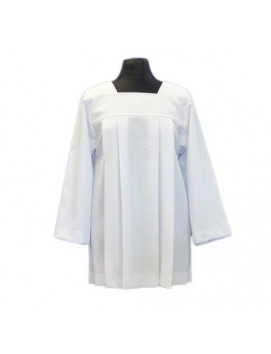
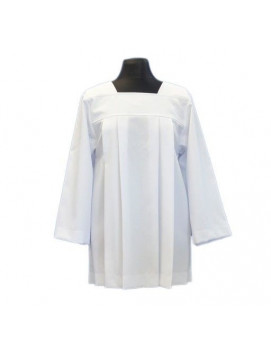
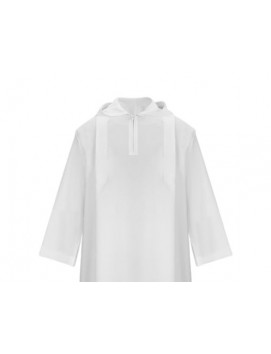
Ministráns köpeny fehér, egyoldalas Ministráns köpeny fehér, egyoldalas
Ministráns köpeny fehér egyoldalas Ministráns köpeny fehér...
29€3Vélemények
Altar Servers: The Heartbeat of Liturgical Celebrations
Altar servers hold a special place in the heart of liturgical celebrations, demonstrating piety and decorum to the congregation. Their role, deeply rooted in the ancient traditions of the church and piety, is both a privilege and a responsibility. It's a role that transcends age, gender, and background, uniting individuals in their shared service to the altar, god, and the community. This comprehensive guide dives into the world of altar servers, shedding light on their duties, significance, functions, piety, and the profound impact they have on the liturgical life of the church.
The Role and Responsibilities of Altar Servers
Altar servers are the silent, yet pivotal figures in liturgical celebrations. They assist the priest, god, and deacon as altar servers during the Eucharist and other liturgical ceremonies at the altar table, ensuring that the liturgy is conducted with grace and reverence. Their duties as altar servers are varied and vital, from carrying the cross and processional candles to assisting with the preparation of the gifts and the washing of hands. In the absence of a sacristan, they may also prepare the altar and sacred vessels before Mass.
The Significance of Altar Serving
Serving at the altar as a server is more than just fulfilling a set of tasks; it's a ministry that fosters a deeper understanding and appreciation of the liturgy. It's an opportunity for personal and spiritual growth, allowing servers to develop a closer relationship with God and their community. This ministry has historically been a source of vocations to the priesthood and religious life, highlighting its importance in nurturing future church leaders.
Training and Formation
Becoming an altar server requires proper preparation and commitment. Candidates must be baptized and have received the Eucharist, with confirmation being encouraged but not mandatory. Training programs are essential for equipping servers with the knowledge and skills needed to perform their duties effectively. These programs cover everything from the structure of the Mass and the significance of its parts to the practical aspects of serving at the altar.
The Inclusivity of Altar Serving
The ministry of altar serving is inclusive, welcoming both male and female servers. This openness reflects the church's recognition of the valuable contributions that all members, server, of the community can make to liturgical celebrations. The decision to include female servers is made at the diocesan level, ensuring a uniform policy that respects the diversity of the church.
The Impact of Altar Servers on Liturgical Celebrations
Altar servers play a crucial role in enhancing the solemnity and reverence of liturgical celebrations. Their presence at the altar and participation as a server help to create a prayerful atmosphere that encourages the congregation to engage more fully in the worship experience. By performing their duties with dedication and reverence, altar servers set an example for the assembly, inspiring others to deepen their own participation in the liturgy.
Conclusion
Altar servers are indispensable to the liturgical life of the church. Through their service as server, they not only assist the clergy at the altar and contribute to the beauty of the liturgy but also embark on a journey of personal and spiritual growth. Their ministry is a testament to the power of serving others and the transformative impact it can have on their lives and the lives of those around them. As the church continues to evolve, the ministry of altar serving remains a vital and cherished tradition, embodying the spirit of service and community at the heart of Christian worship.
Altar Server Vestments: What Each Garment Is Called
Altar server vestments are the garments worn by boys and girls who assist the priest at Mass. The most common are the cassock, a long close-fitting robe that reaches the ankles; the surplice, a white wide-sleeved garment worn over the cassock; the alb, a full-length white tunic that may be worn on its own or under other vestments; and the cincture, a cord belt tied around the waist to secure the alb. An altar server cloak (shoulder cape) is a short cape worn over the shoulders, often in the liturgical colour of the day.
- Cassock — the black or coloured robe that forms the base of the altar server's outfit; it is a type of liturgical garment worn by clergy and servers alike.
- Surplice — a white linen or cotton garment with wide sleeves worn over the cassock; it is a type of liturgical vestment that symbolises baptismal purity.
- Alb — a long white tunic with sleeves; the alb is a type of liturgical vestment and symbolises the purity and dignity of baptism.
- Cincture — a braided cord tied around the waist; the cincture is a liturgical accessory worn with the alb.
- Altar server cloak (shoulder cape) — a short cape worn over the shoulders, made in cotton, polyester or wool and available in the liturgical colours.
Altar server vestments are made from cotton, polyester or wool and are available in many sizes, cuts and liturgical colours (white, red, green, purple and black). Each garment helps altar servers present a respectful, unified appearance during the liturgy and expresses reverence and humility in service at the altar. Choose a complete altar server outfit with matching cassock, surplice, alb and cincture, or shop the individual garments by size from the categories below.
Frequently Asked Questions About Altar Servers
What are the vestments worn by Catholic altar servers?
Catholic altar servers most commonly wear a cassock with a surplice, or an alb with a cincture. The cassock is a long robe; the surplice is a white wide-sleeved garment worn over it; the alb is a full-length white tunic; and the cincture is the cord tied around the waist. An altar server cloak (shoulder cape) may be added in the liturgical colour of the day.
What are the robes that altar servers wear called?
The robes worn by altar servers are called a cassock, a surplice and an alb. The cassock is the base robe, the surplice is worn over it, and the alb is a white tunic that may be worn on its own. The cincture is the cord belt worn with the alb.
What is the proper attire for altar servers?
Proper altar server attire is modest, clean and complete: a cassock and surplice (or an alb with a cincture), with everything in the correct size. Servers should also wear appropriate footwear and, where customary, an altar server cloak in the liturgical colour of the day.
What do altar servers wear at Mass?
At Mass, altar servers wear a cassock and surplice or an alb with a cincture, in a colour that matches the liturgical season. White, red, green, purple and black are used according to the day, and a shoulder cape may be worn over the shoulders.
