
Nincs termék
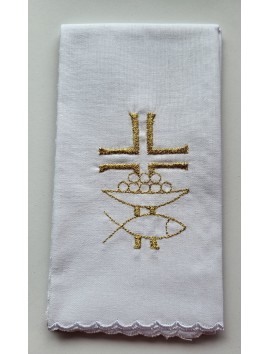
Tisztítókendő
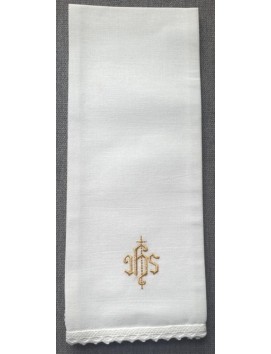
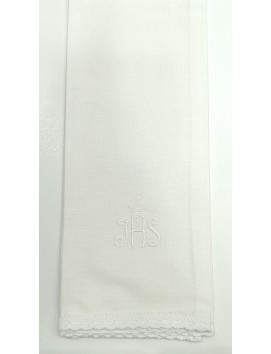
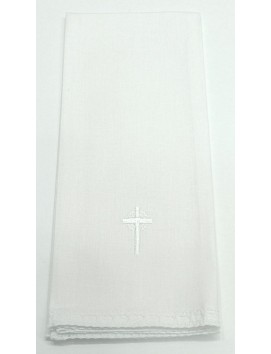
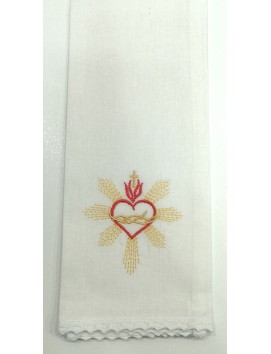
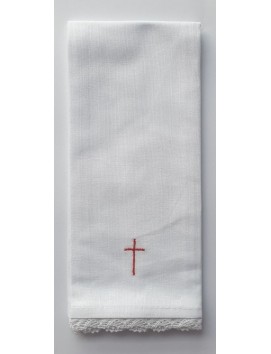
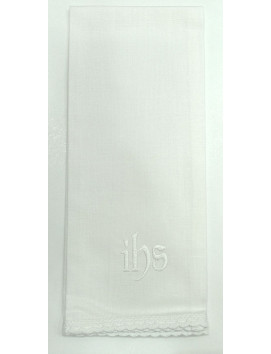
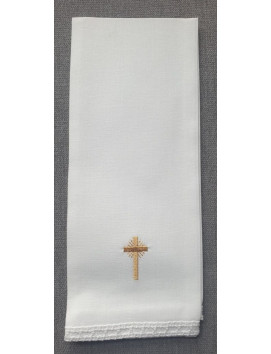
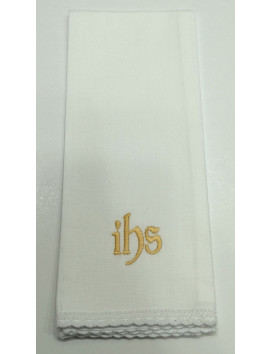
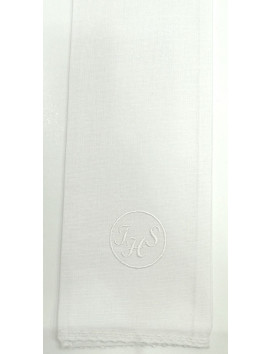
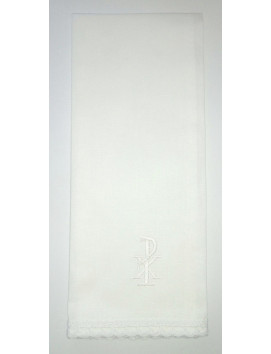
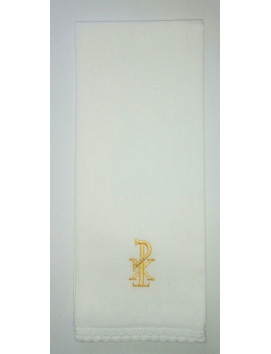
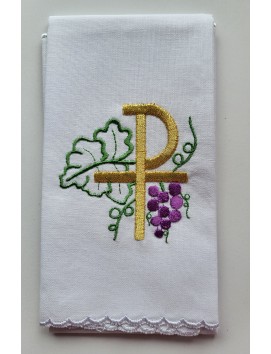
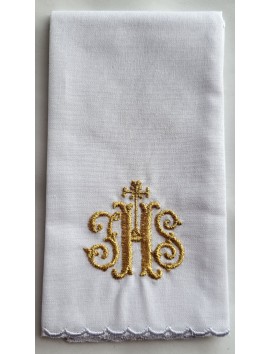
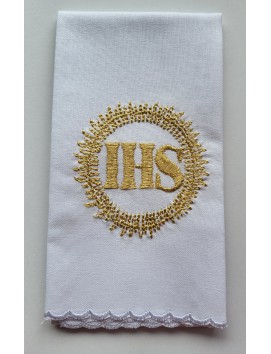
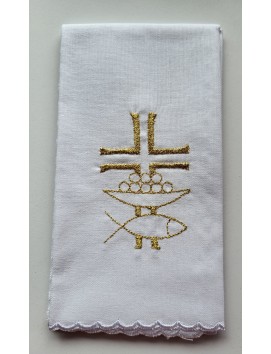
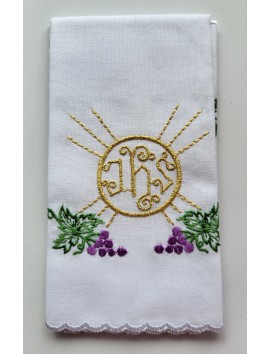
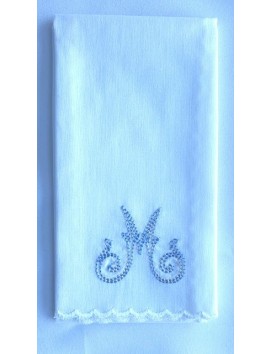
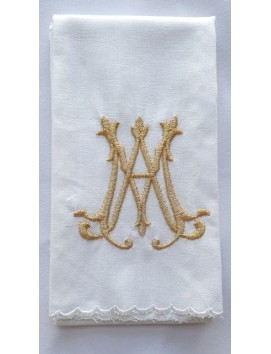
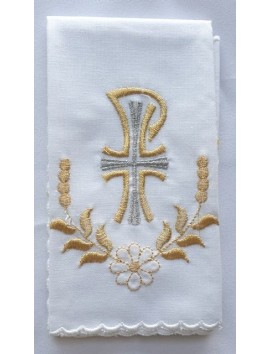
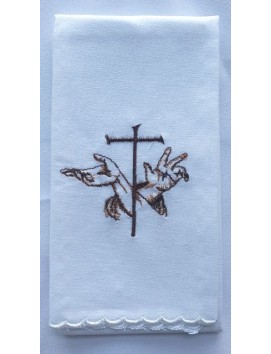
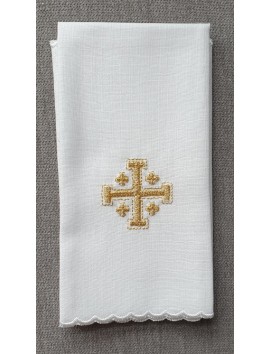
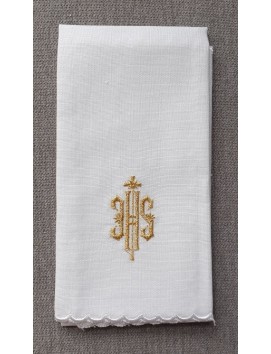
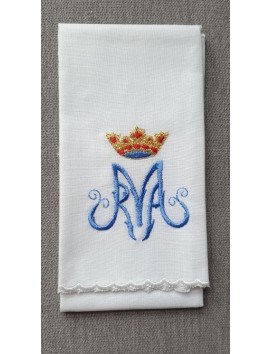
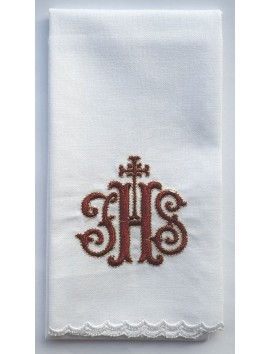
A tisztítókendő egy kis fehér vászondarab, általában körülbelül 30 cm oldalhosszúságú, amelyet a katolikus egyházban az Eucharisztia ünnepe során használnak. A közepén kereszttel van megjelölve, és három rétegre van hajtva. A tisztítókendőt a szentáldozás kiosztása után a kehely és a paténa megtisztítására, valamint a mise utáni megtisztításra használják. Azt is használják, hogy letisztítsa a pap ujjait, miután megkapta az Eucharisztia szent testét. A tisztítókendőt nedvszívó anyagból, általában vászonból készítik, és kereszttel hímezik. Bizonyos esetekben papír zsebkendőt használnak a tisztítókendő helyett. A tisztítókendőt szentként tisztelik, nagy tisztelettel bánnak vele. Mivel az Úr Testével és Vérével lett átitatva, elsőként pap, diakónus vagy alakolitus moshatja a templomban, erre kifejezetten kijelölt helyen vagy edényben. Ezután elküldhető a mosodába, és a többi vászonnal együtt kezelhető.
Understanding the Church Purificator
The church purificator is a small but significant linen in the liturgical practices of many Christian denominations, particularly within the Roman Catholic, Anglican, and other liturgical traditions. It plays a crucial role during the celebration of the Eucharist, also known as Holy Communion or the Mass.
The Role of the Purificator in Liturgical Celebrations
During the Eucharist, the purificator is used by the priest or Eucharistic minister to wipe the chalice after each communicant partakes of the wine, which is consecrated as the Blood of Christ. This act ensures the cleanliness of the chalice for the next communicant and shows reverence for the sacred vessels and their contents. The purificator is also employed to dry the vessels after they have been purified following Communion.
Characteristics of a Purificator
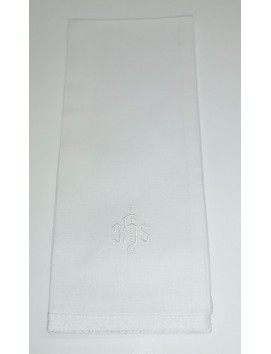
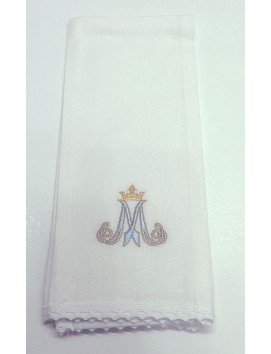
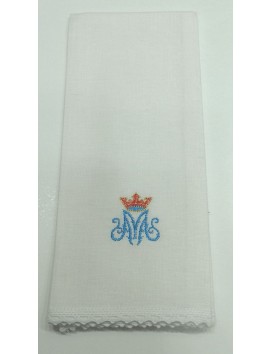
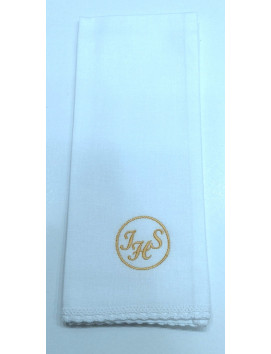
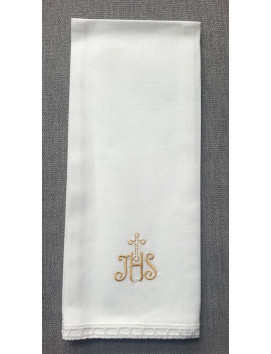
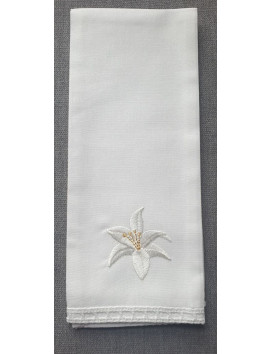
A church purificator is typically a small square of white linen, often marked with an embroidered cross in the center to distinguish it from other linens. The size of purificators can vary, but they commonly range from 10 to 15 inches square. They are folded in three layers and are designed to be absorbent, as they come into contact with the Precious Blood during the sacrament.
The Importance of Proper Care
Given its sacred use, the purificator requires careful handling and maintenance. After each service, purificators are soaked in water to remove any traces of the consecrated wine before being laundered. They are then washed, typically with mild, unscented detergent, and ironed while damp to achieve a crisp finish. It is crucial not to fold purificators with creases, as they need to lay flat during their use.
Making and Maintaining Purificators
Churches often rely on the dedicated service of parishioners for the creation and upkeep of purificators. Some individuals take on the task of hand-making these linens, ensuring they are crafted with care and reverence. The process includes precise cutting, sewing, and sometimes the addition of hand-embroidered crosses or lace edging. The meticulous care given to these linens reflects the respect for their role in the liturgy.
FAQs About Church Purificators
What is a church purificator made of?
A church purificator is made of white linen, chosen for its absorbency and ease of cleaning.
How is a purificator used during Mass?
The purificator is used to wipe the chalice after each communicant receives the wine and to dry the vessels after purification.
How do you clean a purificator?
Purificators are first soaked in water to release any remnants of the consecrated wine, then laundered with mild detergent, and ironed while damp.
Who makes church purificators?
Purificators can be purchased from religious supply stores, but they are also often handcrafted by parish volunteers.
Why is the purificator important?
The purificator is important because it ensures the cleanliness of the chalice during the Eucharist and shows reverence for the sacred vessels.
In conclusion, the church purificator, though small, carries great significance in the celebration of the Eucharist. Its careful preparation and maintenance are acts of devotion and respect for the sacred traditions of the church. Through the humble service of those who create and care for these linens, the purificator continues to serve an essential function in liturgical worship.