
Nincs termék
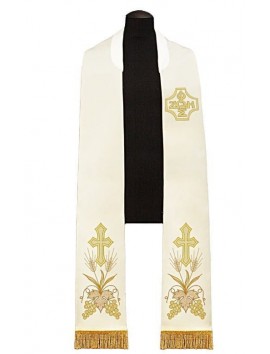
Stólák
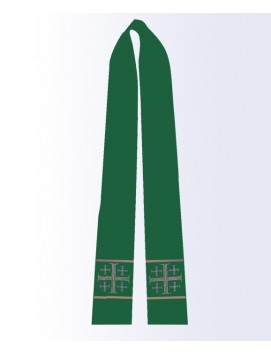
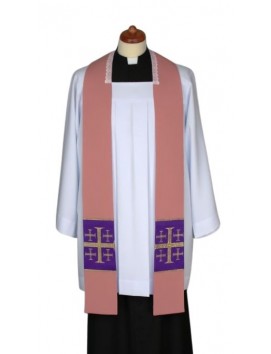
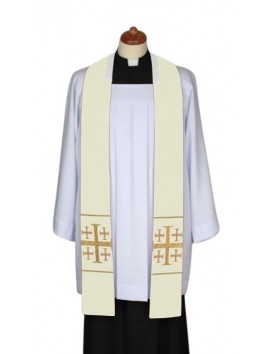
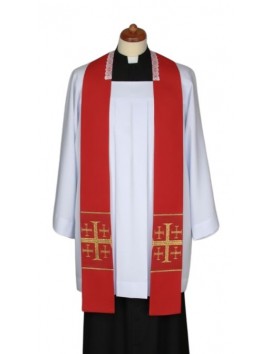
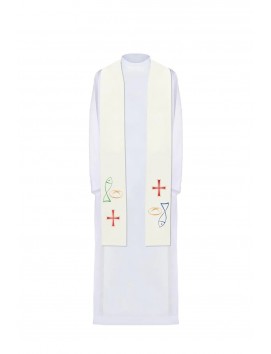
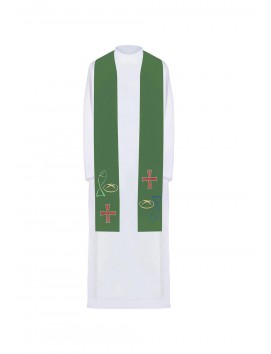
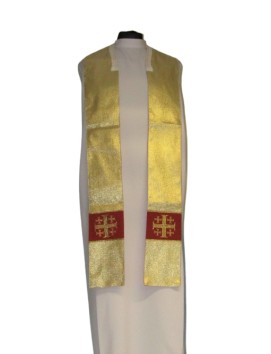
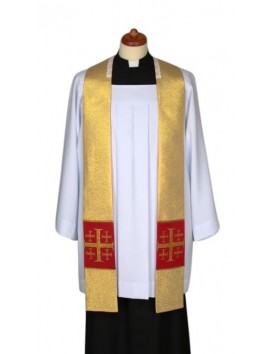
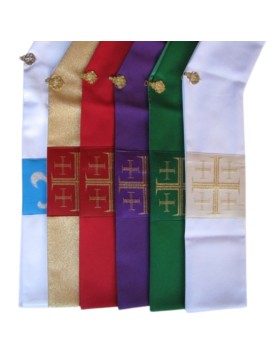
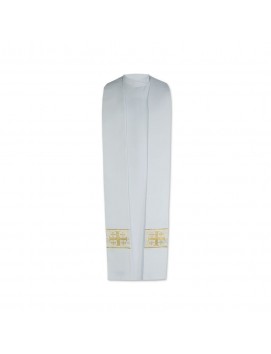
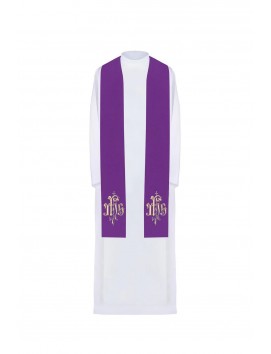
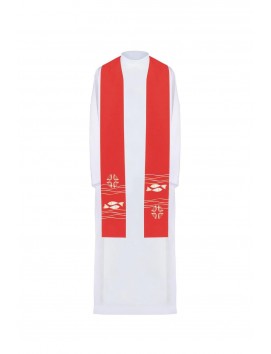
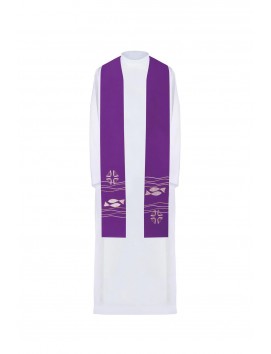
A papsági stóla egy hosszú, keskeny kendődarab, általában selyemből vagy más finom anyagból készült, amelyet a nyak körül viselnek a felszentelt miniszterek, papok, diakónusok és püspökök az egyházi szertartások során. A végei az eleje felé lógnak, néha a mellkas fölött keresztbe kerülnek, és a stólát gyakran vallási szimbólumokkal vagy az egyházi évszakhoz illő színekkel díszítik. Ez a hatalom és a felelősség látható jele, amely az egyházban való vezetői szereppel jár. A viselőjét a közösség szolgálatára, tanítására és vezetésére különösen kijelölt személyként jelöli ki.
Alkategóriák
Diakónus stóla
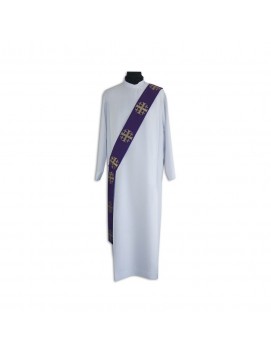
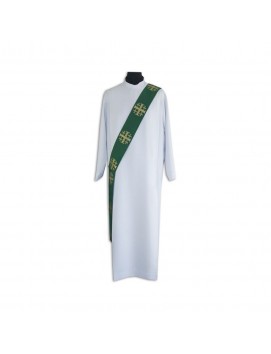
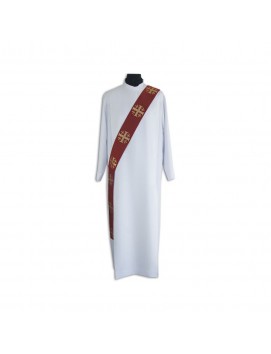
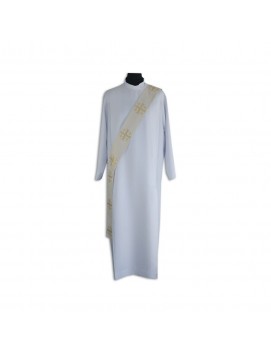
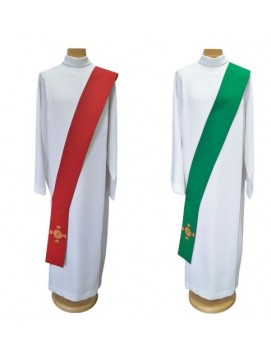
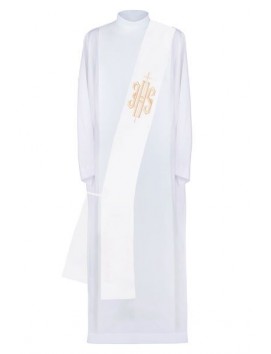
A diakónus stóla egy hosszú, keskeny szövetdarab, amelyet diakónusok viselnek sok keresztény hagyományban, beleértve a katolikus, anglikán és lutheránus egyházakat. A pap stólájával szemben, amely egyenesen lóg mindkét vállról, a diakónus stóláját átlósan viselik, a bal vállon és a mellkason keresztül, a jobb oldalon rögzítve. Ez az egyedi stílus nem csak a megjelenés miatt van; ez egy látható jel, amely megkülönbözteti a diakónusokat a szolgálatukban.
Mária stóla
A Mária-stóla egy liturgikus ruha, amelyet a papság visel, és amelyet kifejezetten a Szűz Mária tiszteletére terveztek. Kiemelkedik a jellegzetes Mária-szimbólumai miatt – korona, liliom vagy a Mária-monogram – és a jellegzetes színei miatt, amelyek általában kék és fehér, és a tisztaságot és a Máriának való odaadást jelképezik.
Római stóla
A római stóla egy liturgikus ruha – gondolj rá, mint a római katolikus hagyományban a papság „egyenruhájára”. Ez egy hosszú, keskeny szövetdarab, amelyet általában selyemből vagy egy másik finom anyagból készítenek, és amelyet a nyak körül viselnek, és előre lóg. A stóla nem csak a megjelenés miatt van; ez a hivatal jelvénye, amely jelezza, hogy a viselője felszenteltetett, és az egyházon belül konkrét felelősségeket visel.
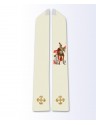
Stóla szentekkel
A szentekkel rendelkező stóla egy olyan liturgikus ruha típusa, amelyet a papság tagjai viselnek különféle keresztény felekezetekben, beleértve a római katolikus, anglikán, lutheránus, metodista, presbiteriánus, Egyesült Krisztus Egyháza, Keresztény Egyház (Krisztus Tanítványai) és egyéb felekezetek. A stóla egy hosszú, színes szövetcsík, amelyet a nyak körül viselnek, és amelynek két vége párhuzamosan lóg előre. A szentekkel rendelkező stóla gyakran szentek hímezett képeivel van díszítve, mint például Szent Flóriannal, és minőségi anyagból készül, amely folt- és crease-álló. A szentekkel rendelkező stóla különféle színekben és dizájnokban kapható, beleértve egy több színű pillanyszönyegmintát. Gyakran használják különleges liturgikus ünnepségek során, mint a húsvét és a Mindenszentek Napja, és a papsági tagság hatalmát és felelősségét jelképezi, aki viseli. A szentekkel rendelkező stóla egy gyönyörű és értelmes módja annak, hogy odaadást és tiszteletet mutasson a szentek iránt, miközben élvezi a kifinomultan készített dizájnoikat, amelyek lelki jelentőséggel bírnak.
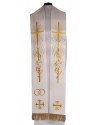
Esküvői stóla
A menyasszonyi vagy vőfélyi stóla egy olyan kiegészítő, amelyet a menyasszony vagy vőlegény visel a házassági szertartás alatt. Ez egy hosszú, vállra terített anyagdarab, amely különféle anyagokból készülhet, például selyemből, csipkéből vagy prémekből. A menyasszonyi stólákat számos online kereskedőnél meg lehet vásárolni, és egyéni igények szerint is készíthetők a menyasszony vagy vőlegény stílusának megfelelően. Egyes menyasszonyi stólákat spirituális motívumokkal hímeznek meg, vagy tasszelyekkel és keresztekkel díszítenek. Mások prémekből készülnek, és sálként vagy köpenyként viselhetők, így melegen tartják a menyasszonyt vagy vőlegényt egy téli esküvő alkalmával. A menyasszonyi stólákat bérelni is lehet a vásárlás helyett, ami olcsóbb megoldás azok számára, akik nem akarnak sok pénzt költeni egy egyszer használatos kiegészítőre. Összességében a menyasszonyi stóla egy gyönyörű és praktikus kiegészítő, amely eleganciát és kifinomultságot kölcsönözhet az esküvői öltözethez.
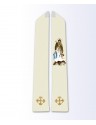
Karácsonyi stóla
A karácsonyi stóla egy olyan liturgikus miseruhaféleség, amelyet a karácsonyi időszakban a papság visel. Ez egy hosszú, színes anyagcsík, amelyet a nyak köré tesznek, és két szabadon lógó vége van elöl. A karácsonyi stólát gyakran hímzett karácsonyi szimbólumokkal díszítik, például a születésjelenettel, a poinsettia virággal vagy a borostyánkkal. Különféle anyagokból készülhet, például selyemből, domború szerkezetű poliészterből vagy selyemből. A karácsonyi stóla különféle színben is kapható, például fehérben és aranyban. Gyakran használják különleges liturgikus ünnepségeken, például szentestén és karácsony napján, és a viselő papi személy hatalmát és felelősségét szimbolizálja. A karácsonyi stólákat számos online kereskedőnél meg lehet vásárolni, és egyéni igények szerint is készíthetők a papi személy stílusának és ízlésének megfelelően. Összességében a karácsonyi stóla egy gyönyörű és jelentőségteljes módja annak, hogy kifejezze a karácsonyi időszak iránti odaadást és tiszteletet, miközben élvezhetők a spirituális jelentőségű, kifinomultan készített minták.
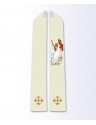
Húsvéti stóla
A húsvéti stóla egy olyan liturgikus miseruhaféleség, amelyet a húsvéti időszakban a papság visel. Ez egy hosszú, színes anyagcsík, amelyet a nyak köré tesznek, és két szabadon lógó vége van elöl. A húsvéti stólát gyakran hímzett húsvéti szimbólumokkal díszítik, például a feltámadott Krisztussal vagy Isten Bárányával. Különféle anyagokból készülhet, például selyemből, domború szerkezetű poliészterből vagy selyemből. A húsvéti stóla különféle színben is kapható, például fehérben és aranyban. Gyakran használják különleges liturgikus ünnepségeken, például húsvétvasárnapon, és a viselő papi személy hatalmát és felelősségét szimbolizálja. A húsvéti stólákat számos online kereskedőnél meg lehet vásárolni, és egyéni igények szerint is készíthetők a papi személy stílusának és ízlésének megfelelően. Összességében a húsvéti stóla egy gyönyörű és jelentőségteljes módja annak, hogy kifejezze a húsvéti időszak iránti odaadást és tiszteletet, miközben élvezhetők a spirituális jelentőségű, kifinomultan készített minták.
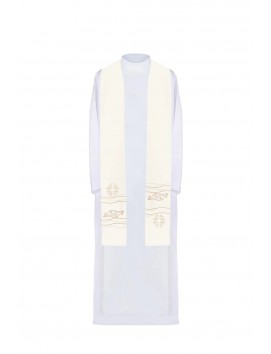
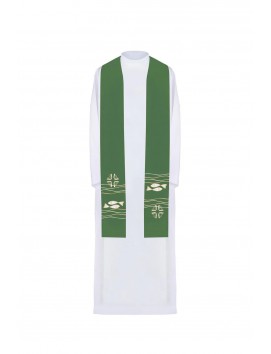
What is the history of the clergy stole in the Christian church?
The clergy stole didn’t start as a religious garment at all. Its roots go back to the Roman Empire, where it was a scarf of office worn by imperial officials. As Christianity gained traction, especially after Constantine’s conversion, church leaders began to adopt the stole as a symbol of their new spiritual authority, mirroring the ranks of Roman society.
By the fourth and fifth centuries, we see the stole referenced in the Eastern church, especially for deacons. It appears in records from the sixth and seventh centuries in the West, but by then, it was already considered a well-established tradition. Over time, the stole evolved from a practical garment into a distinctive mark of ordained ministry.
How Did the Clergy Stole Evolve?
Here’s how the clergy stole changed over the centuries:
Ancient Roots: The stole may have started as a secular scarf or napkin (orarium), worn by the rich and powerful. Some even trace its origins to pre-Christian religious rituals in Italy, where priests wore a stole during sacrifices.
Early Christian Adoption: As church leaders gained influence, the stole became a badge of office, signaling authority and service. It was worn differently by bishops, priests, and deacons to indicate their unique roles.
Middle Ages: The stole became more ornate, with colors and decorations reflecting the liturgical calendar and the wearer's status. By the ninth century, priests were often required to wear the stole constantly, especially when traveling.
Symbolism: Over time, the stole came to represent the “yoke of Christ”—a reminder that clergy are called to serve with humility and faithfulness. It’s also seen as a sign of spiritual authority and the sacramental role of the clergy.
Why Does the Clergy Stole Matter Today?
The history of the clergy stole in the Christian church is more than just a fashion story. It’s about identity, authority, and service. The stole is a sign that someone has been set apart for ministry. It connects today’s clergy with centuries of tradition and reminds both the wearer and the congregation of the sacred responsibilities of spiritual leadership.
What does a clergy stole look like (shape, length, materials, typical decorations)?
The clergy stole is one of the most recognizable vestments in Christian worship, and every detail is intentional.
Shape
The classic clergy stole is a long, narrow band of fabric.
It’s usually straight, but the ends may broaden into a spade or bell shape for extra flair.
Some stoles have a gentle curve at the top to fit comfortably around the neck.
Length
Standard clergy stoles range from about 7.5 to 9 feet long (roughly 90 to 108 inches), and typically 3 to 4 inches wide.
For most people, a stole measuring 53 inches from the center back of the neck to the bottom edge fits well, but shorter or longer versions exist for different heights.
The stole is worn around the neck so the two ends hang down the front, parallel and even.
Materials
Silk is the traditional choice for clergy stoles, but you’ll also see cotton, polyester, velvet, and even silk dupioni for a luxurious look.
Lining is essential for structure—polyester satin, cotton blends, or canvas interfacing are common for durability and drape.
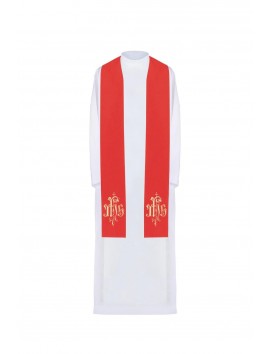
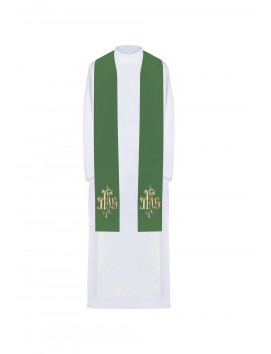
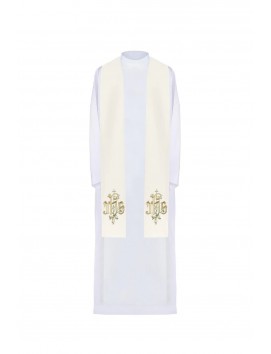
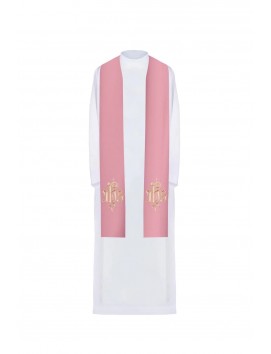
The outer fabric is usually chosen to match the liturgical color of the season—white, green, red, purple, blue, or gold.
Typical Decorations
Expect to see crosses, rays, doves, or other significant religious symbols embroidered or appliquéd onto the fabric.
For a finished look, many stoles feature contrasting galloons (ornamental trim), gold or silver fringe, or even tassels at the ends.
Some stoles are striped or have memorable logos for events like the Jubilee.
You’ll find stoles with unique symbols for special seasons or sacraments—like butterflies for the Trinity or a chalice for Holy Communion.
A sweat guard (white linen or lace) may be stitched onto the back of the collar for comfort and easy cleaning.
Why Does This Matter?
The look of a clergy stole isn’t just about style—it’s about tradition, symbolism, and function. Every material, color, and decoration tells a story about the church season, the role of the clergy, and the message being shared. So, next time you see a clergy stole, you’ll know exactly what you’re looking at and why it matters.
How does the way a stole is worn differ between priests, deacons, and bishops?
Priests
How Priests Wear the Stole: Priests wear the stole draped around the back of the neck, with both ends hanging straight in front. Sometimes, the ends are crossed over the chest, especially when wearing an alb. This “yoke” style symbolizes their priestly authority and their role as spiritual shepherds.
What It Means: This straight-down style signals priestly leadership and the authority to administer sacraments.
Deacons
How Deacons Wear the Stole: Deacons wear the stole differently—over the left shoulder, crossing the body diagonally, and fastening it at the right hip. Think of it like a sash, not a scarf. This diagonal style is unique to deacons and dates back to the early church.
What It Means: The diagonal, “crooked” stole highlights the deacon’s role as servant and messenger, emphasizing service and mobility during liturgical functions.
Bishops
How Bishops Wear the Stole: Bishops wear the stole just like priests, around the neck with both ends hanging straight in front. However, bishops never cross the ends over the chest, because they also wear a pectoral cross that marks their office.
What It Means: The bishop’s stole signals the highest spiritual authority and continuity with apostolic tradition.
Quick Comparison Table
| Role | How the Stole Is Worn | Symbolism |
|---|---|---|
| Priest | Around neck, ends down front (crossed or straight) | Authority, priestly leadership |
| Deacon | Over left shoulder, across body to right hip | Service, messenger, humility |
| Bishop | Around neck, ends down front (never crossed) | Apostolic authority, oversight |
Why Does This Matter?
Understanding how priests, deacons, and bishops wear the stole isn’t just about church fashion—it’s about knowing who’s leading, who’s serving, and how each role fits into the bigger picture of Christian worship. When you see how each stole is worn, you see a visual summary of centuries of tradition, authority, and service.
Can women clergy wear stoles, and are there special designs for them?
Yes, women clergy can—and do—wear stoles. The stole is a universal symbol of ordained ministry, authority, and service, regardless of gender. In churches that ordain women as pastors, priests, or deacons, the stole is an essential part of their liturgical attire, just as it is for their male counterparts. It marks their role, authority, and commitment to serve their congregation.
Are There Special Designs for Women’s Clergy Stoles?
While the traditional clergy stole remains the same in terms of its basic shape and symbolism, clergy stoles for women often feature more flexible and modern designs. These adaptations are made to fit women’s bodies better and reflect their personal style and ministry context.
Key features of women’s clergy stoles:
Tailored Fit: Women’s stoles may be cut slightly narrower or shaped to drape more comfortably over different shoulder and necklines. This ensures a professional and dignified look, especially when worn over dresses or blouses.
Modern Designs: Expect vibrant colors, contemporary embroidery, and sometimes symbols that celebrate women’s leadership in ministry.
Personalization: Many women clergy opt for custom stoles that reflect their journey, values, or the unique character of their congregation. Some stoles may feature motifs like doves, flames, or even the names of loved ones or significant dates.
Practical Adjustments: Some designs include lighter materials, adjustable lengths, or sweat guards for comfort during long services.
How Should Women Clergy Wear the Stole?
The rules for wearing a stole don’t change based on gender. Women clergy wear the stole according to their office:
Priests and Pastors: Around the neck, both ends hanging straight in front.
Deacons: Over the left shoulder, crossing the body to the right hip.
The key is wearing the stole with reverence and professionalism, ensuring it complements the rest of the clergy's attire and fits appropriately with the garment's neckline underneath.
Why Do Special Designs Matter?
Special designs for women’s clergy stoles matter because they recognize the diversity and individuality of women in ministry. These stoles honor tradition while allowing for expression, comfort, and a sense of belonging in a role that, for centuries, was reserved for men. The evolution of clergy stoles for women celebrates inclusion and the growing presence of women in church leadership.
Are there special stoles for weddings, baptisms, funerals, or other ceremonies?
When it comes to church life, every major ceremony has its traditions, including what you wear. Special stoles for weddings, baptisms, funerals, and other ceremonies are designed to reflect the significance of each event, both in symbolism and style.
Wedding Stoles
You’ll often find elegant bridal stoles and wraps made from luxurious materials like silk or cashmere for weddings. These aren’t just for clergy—brides and attendants sometimes wear them, especially for church weddings or cooler weather.
Wedding stoles are all about elegance and celebration. They come in classic whites, creams, or even subtle pastels, and can be styled to match the overall theme of the ceremony. Some are delicate shawls with sleeves, perfect for adding a touch of sophistication to any bridal look.
Baptism Stoles
Baptism stoles are a big deal, especially for infants and children. These stoles are typically white or ivory, symbolizing purity and new life.
You’ll see various designs: some with metallic crosses, doves, flames, or even delicate lace trims. Many are personalized with names, dates, or remarkable embroidery to commemorate the occasion. Materials range from satin and linen to antique lace, making each stole a keepsake for years to come.
Funeral and Memorial Stoles
The stole takes on a more somber, respectful tone for funerals and memorials. Depending on tradition, colors are usually subdued—think white, black, or purple.
Some memorial stoles are highly personalized, featuring photos or remarkable embroidery to honor the deceased's life. These stoles help clergy and family members celebrate and remember their loved ones meaningfully.
Other Ceremonial Stoles
Beyond weddings, baptisms, and funerals, there are stoles for ordinations, confirmations, anniversaries, and even special church holidays.
Each stole is crafted to match the mood and meaning of the event, using specific colors, symbols, and materials that align with the liturgical calendar or the ceremony’s purpose.
Why Do Special Stoles Matter?
Special stoles for weddings, baptisms, funerals, or other ceremonies aren’t just about looking good. They’re about marking the moment—helping everyone present recognize the importance of what’s happening. The right stole can add a sense of reverence, celebration, or remembrance that words alone can’t capture.
What are the different types of clergy stoles?
1. Priestly Stole
Who Wears It: Priests across many Christian denominations
How It’s Worn: Around the back of the neck, with both ends hanging straight down in front (sometimes crossed over the chest)
Features: Often richly decorated with crosses, religious symbols, or ornate embroidery
Purpose: Worn during Mass, baptisms, weddings, and other sacramental services to signify priestly authority and the “yoke of Christ.”
2. Deacon’s Stole
Who Wears It: Deacons
How It’s Worn: Draped over the left shoulder, crossing the body to the right hip like a sash
Features: Usually simpler in design than the priestly stole, but still meaningful and symbolic
Purpose: Worn during liturgical services to signify the deacon’s role as a servant and messenger
3. Bishop’s Stole
Who Wears It: Bishops
How It’s Worn: Like the priestly stole—around the neck with both ends hanging straight down, but never crossed over the chest (since bishops wear a pectoral cross)
Features: Longer, wider, and more ornate than the priestly stole, often adorned with elaborate embroidery and symbols of episcopal authority
Purpose: Worn during essential ceremonies and services, symbolizing the highest level of spiritual authority
4. Pastoral Stole
Who Wears It: Pastors and ministers, especially in Protestant traditions
How It’s Worn: Similar to the priestly stole, around the neck with ends hanging down
Features: Generally more straightforward than Catholic stoles, but still carries significant meaning, often personalized to reflect the pastor’s ministry or church community
Purpose: Worn during church services, weddings, funerals, and other key moments
5. Minister’s Stole
Who Wears It: Ministers in various Christian traditions
How It’s Worn: Typically around the neck, ends hanging straight down
Features: Can be simple or ornate, depending on the tradition and occasion
Purpose: Symbolizes the minister’s responsibility to guide and serve the congregation
6. Special Stole Styles
Tapered Stoles: Feature a curvy, fitted neckline, lying flat against the neck—ideal for a modern, sleek look
Narrow Stoles: Designed for those with smaller frames, offering a comfortable and secure fit
Gothic, Scapular, and Byzantine Stoles: Each with unique shapes and styles, reflecting different liturgical traditions and preferences
What do the colors of clergy stoles mean, and when are they used?
Clergy stoles aren’t just decorative—they’re a visual language that marks the Christian calendar's rhythm and each season's spiritual themes. Here’s what you need to know:
White
Meaning: Purity, joy, light, and the divine presence of Christ.
When Used: Major celebrations—Christmas, Easter, weddings, baptisms, feasts of saints who were not martyrs, and other joyous occasions, White is also used for the sacraments of Baptism, Eucharist, Anointing of the Sick, and marriage.
Green
Meaning: Hope, renewal, and life.
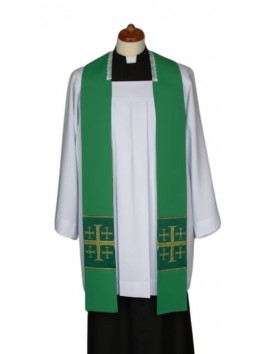
When Used: Ordinary Time—the periods between major church seasons. Green is the most frequently used color, symbolizing spiritual growth and the ongoing journey of faith; to complete the set, see our green chasubles.
Red
Meaning: The Holy Spirit, martyrdom, passion, and sacrifice.
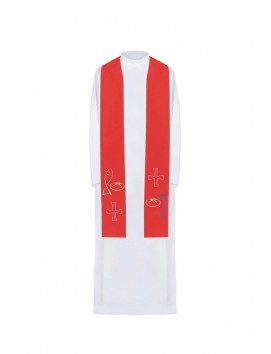
When Used: Pentecost (celebrating the Holy Spirit), Palm Sunday, Good Friday, feasts of apostles and martyrs, and Confirmation. Red connects to Christ’s passion and the fire of the Spirit.
Purple (Violet)
Meaning: Penitence, preparation, and mourning.
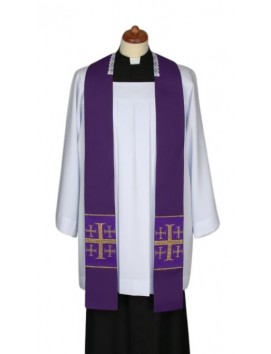
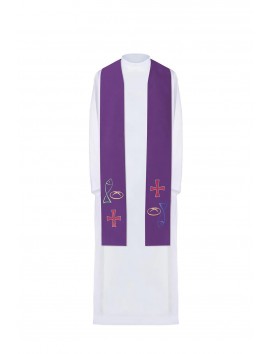
When Used: Advent and Lent, as well as times of atonement and remembrance of the dead. Purple signals a season of reflection, repentance, and anticipation.
Rose (Pink)
Meaning: Joy in the midst of penitence.
When Used: Only twice a year—Gaudete Sunday (third Sunday of Advent) and Laetare Sunday (fourth Sunday of Lent). Rose offers a break of joy and hope in the middle of more somber seasons.
Black
Meaning: Mourning and remembrance.
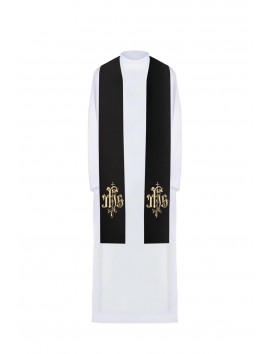
When Used: Traditionally for funerals, memorials, and All Souls’ Day. Black is less common today but is still used in some traditions for occasions of grief.
Gold
Meaning: Triumph, glory, and special festivity.
When Used: Can be used in place of white on major feasts and solemn celebrations, emphasizing the importance of the occasion.
Blue
Meaning: Devotion to the Virgin Mary.
When Used: In certain regions and traditions, blue is worn for Marian feasts, especially the Immaculate Conception. Its use is rare and often requires special permission.
Why Do the Colors Change?
The colors of clergy stoles change to visually guide the congregation through the church year, marking moments of celebration, reflection, sacrifice, and hope. Each color signals the spiritual focus of the season, helping everyone present connect more deeply with the message and meaning of worship.
Quick Reference Table
| Color | Meaning | When Used |
|---|---|---|
| White | Purity, joy, light | Christmas, Easter, weddings, baptisms, saints’ feasts |
| Green | Hope, renewal, life | Ordinary Time |
| Red | Spirit, martyrdom | Pentecost, Palm Sunday, Good Friday, martyrs’ feasts |
| Purple | Penitence, preparation | Advent, Lent, funerals, and atonement |
| Rose | Joy in penitence | Gaudete & Laetare Sundays |
| Black | Mourning, remembrance | Funerals, All Souls’ Day |
| Gold | Triumph, festivity | Major feasts, solemn celebrations |
| Blue | Marian devotion | Marian feasts (where permitted) |
How do I choose the right stole for a specific occasion or liturgical season?
1. Match the Liturgical Color to the Season or Occasion
Liturgical colors are key. Each season of the church year has its color, and wearing the right one keeps you in sync with centuries of Christian tradition.
Purple: Worn during Advent and Lent, funerals, and memorial services. Purple signals repentance, preparation, and mourning.
White or Gold: Used for Christmas, Easter, weddings, ordinations, and other celebrations. These colors symbolize joy, purity, and new beginnings.
Red: Reserved for Pentecost, feasts of martyrs, Good Friday, and ordination services. Red stands for the Holy Spirit, sacrifice, and passionate faith.
Green: The color for Ordinary Time, representing growth, life, and ongoing faith journeys.
Blue: Sometimes used during Advent or for Marian feasts, depending on your tradition.
Black: Traditionally worn for funerals or All Souls’ Day, though less common today.
2. Consider the Occasion
Weddings: Choose a white or gold stole to reflect celebration and purity.
Baptisms: White is the go-to, symbolizing new life and joy.
Funerals: Purple or black is appropriate, honoring the solemnity and hope of resurrection.
Ordinations: Red is often chosen for its connection to the Holy Spirit and the energy of new ministry.
Special Church Events: Match the stole to the liturgical color of the day or the event's specific theme.
3. Select the Right Style and Fit
Fit matters. Choose a stole that’s the right length and width for your body type. Custom options are available to ensure a professional, dignified look that’s comfortable to wear throughout long services.
Design details. Some stoles feature embroidery, symbols, or trims specific to certain occasions, like crosses for Easter or flames for Pentecost.
Material choice. Silk, linen, and velvet are traditional, but lighter fabrics may be more comfortable for warmer seasons or longer ceremonies.
4. Plan Ahead
Order early. Custom stoles, especially for major milestones like ordination, can take several weeks. Plan to ensure your stole is ready for the big day.
What materials are used to make clergy stoles?
1. Main Fabrics for the Face of the Stole
Silk Dupioni: This is a classic for clergy stoles—luxurious, strong, and available in all liturgical colors. Silk dupioni can be the main fabric or a lining for a truly special finish. Its textured look gives stoles a rich and elegant appearance.
Silk Shantung: Slightly lighter than dupioni, silk shantung offers a smooth hand with fewer slubs. It’s semi-transparent, so it usually needs a good lining.
Brocade: Think thick, patterned, and ornate. Brocade is a go-to for traditional, formal stoles, especially when you want the vestment to stand out. Cotton-viscose blends are popular for their breathability and durability.
Velvet: Used for a plush, regal look, especially in purple stoles for Lent or Advent.
Polyester (Carlisle): Durable, machine-washable, and budget-friendly. Polyester stoles are ideal for traveling clergy, hospital chaplains, or anyone needing a stole that’s easy to care for.
Cotton: Lightweight and breathable, cotton is a solid choice for summer or for those who prefer a casual stole.
2. Linings and Interfacing
Polyester Satin: A popular choice for lining, polyester satin adds drape and structure without making the stole too heavy.
Cotton Canvas: The foundation of a well-made stole. Medium-weight cotton canvas is used as interfacing to give the stole body and help it hang correctly. It’s durable and molds to the wearer over time.
Pellon or Fusible Interfacing: Sometimes used for extra stiffness, but cotton canvas is generally preferred for its balance of weight and flexibility.
3. Decorative Elements
Orphrey Bands & Trims: Three-inch orphrey trims and gold oak leaf braids are often added for extra flair and to highlight the stole’s edges or ends.
Appliqué Crosses: Many stoles feature embroidered or appliqué crosses, doves, flames, or other Christian symbols for added meaning and beauty.
Tassels & Fringe: Tassels add weight and elegance to the bottom of the stole, helping it drape perfectly.
4. Special Touches
Stole Chains: Small chains sewn into the back can protect the fabric from oils and help adjust the fit for deacons or priests.
Custom Embroidery: Names, dates, or special symbols can be embroidered for ordinations, anniversaries, or other milestones.
How should a clergy stole be cared for and cleaned?
Caring for a clergy stole isn’t complicated, but it does require attention to detail and a gentle touch. Here’s your step-by-step guide:
1. Always Check the Care Label
Before you do anything, could you read the care instructions on your stole? Different fabrics and decorations (like silk, velvet, or embroidery) may need special treatment.
2. Dry Cleaning: The Gold Standard
For most clergy stoles, especially those made from silk, velvet, or with intricate embroidery, dry cleaning is the safest and most effective method. Dry cleaning removes stains and odors and helps set the colors, keeping your stole vibrant and crisp.
The first cleaning should always be dry to lock in colors and prevent fading.
3. Spot Cleaning for Minor Stains
If you get a small stain, spot clean immediately. Use a white cloth with cold water and a mild, non-bleach detergent or natural cleaner. Dab gently—don’t rub or scrub, as this can push the stain deeper or damage the fabric.
For candle wax, chill the wax with ice and gently scrape it off with a dull knife.
4. Hand Washing (If Allowed)
Some stoles, especially those made from polyester or cotton blends, can be hand-washed with a gentle soap and cold water. Soak the stole, gently move it in the water, and avoid wringing or twisting.
Always line dry and reshape while damp. Use a cool or silk setting on your iron or a steamer to remove wrinkles.
5. What to Avoid
No Harsh Chemicals: Avoid bleach and strong detergents—they can damage delicate fabrics and fade colors.
No Machine Washing or Drying: The agitation and heat can ruin the stole’s shape and fabric.
No High Heat Ironing: If ironing is necessary, use a pressing cloth with the lowest heat possible, or better yet, use a steamer.
No Rough Handling: Don’t wring, twist, or scrub. Be gentle at every step.
6. Storage Tips
Hang your clergy stole on a wide, padded hanger or keep it in a garment bag to prevent dust, sunlight, and wrinkles.
Store in a cool, dry, dark place to avoid fading and damage. Never cram your stole into a suitcase or drawer with other items—treat it with the same care you’d give a fine suit.
7. Prevention Is Key
Avoid eating or drinking while wearing your stole.
Use a stole chain or protector to prevent sweat stains on the neckline.
Please regularly look for stains or damage and address them quickly to avoid permanent issues.
