
Nincs termék
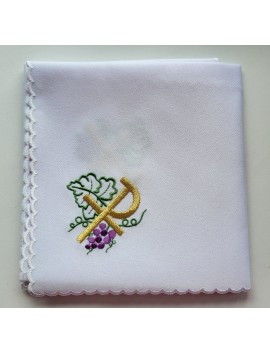
Korporál
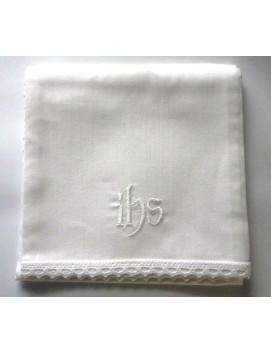
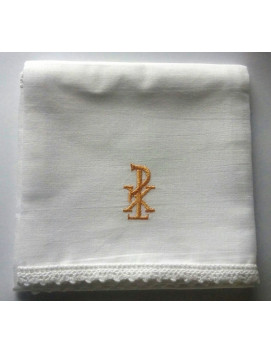
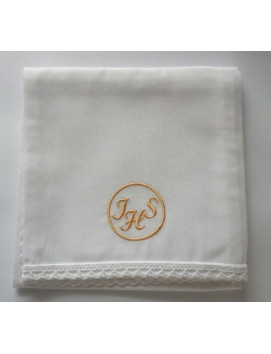
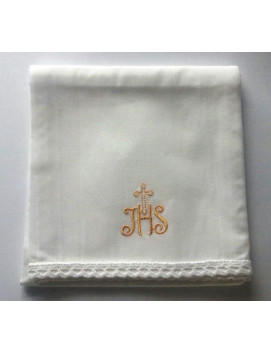
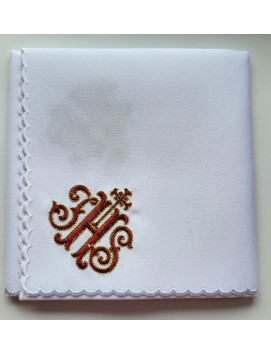
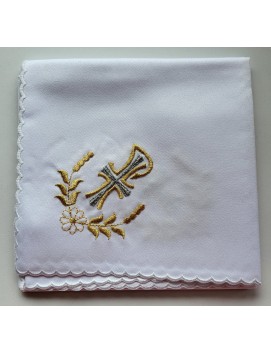
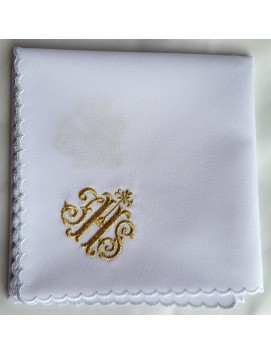
A kopróál egy négyzet alakú, fehér vászondarab, általában körülbelül 50 cm oldalhosszúságú, amelyet a katolikus egyházban a misén használnak. Az oltártakaróra, de a kehely és a paténa alá helyezik. A kopróált arra használják, hogy elnyelje a szentáldozás során lehulló szent ostya vagy bor cseppjeit. A hagyományos liturgikus szabályok szerint a kopróált nem díszíthetik hímzéssel, és kizárólag tiszta fehér vászonból kell készíteni. Használaton kívül általában háromszor hajtják össze, és bursában vagy kopróált-tartóban őrzik. A kopróált szentként tisztelik, nagy tisztelettel bánnak vele. Mivel az Úr Testével és Vérével lett átitatva, elsőként pap, diakónus vagy alakolitus moshatja a templomban, erre kifejezetten kijelölt helyen vagy edényben. Ezután elküldhető a mosodába, és a többi vászonnal együtt kezelhető.

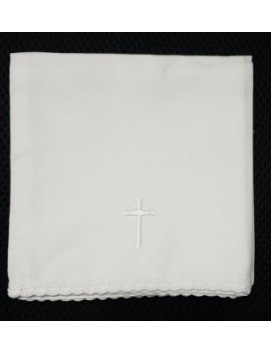
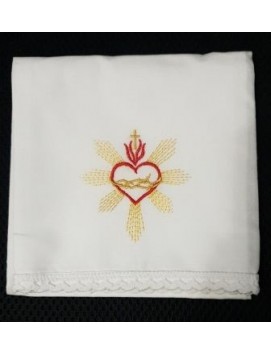
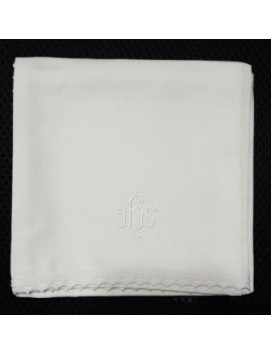
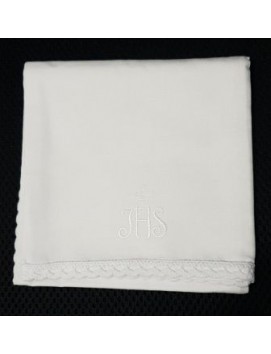
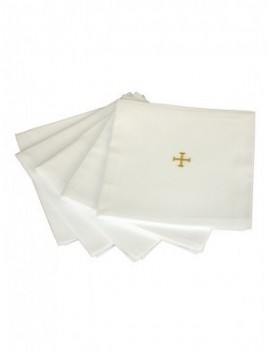
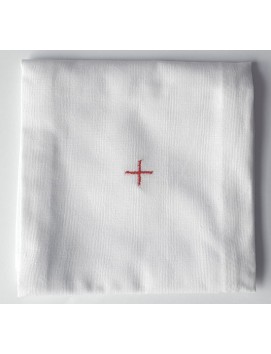
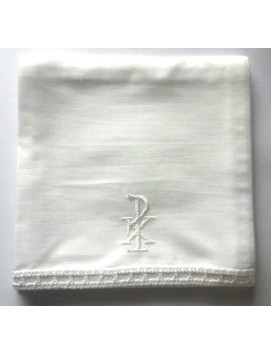
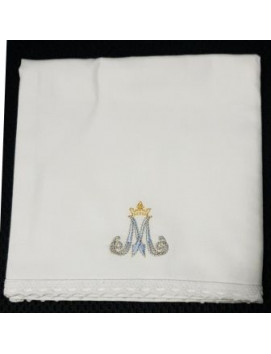

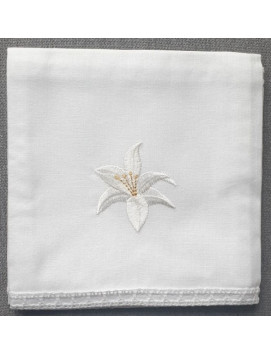
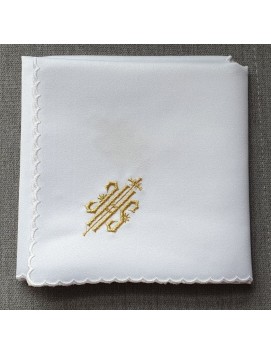
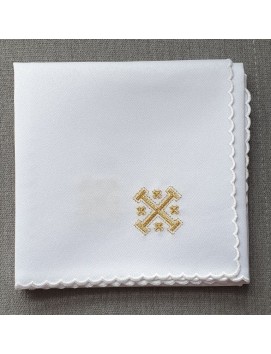
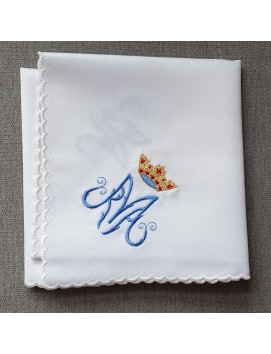
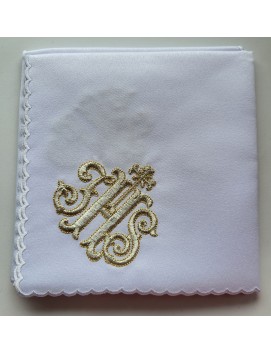
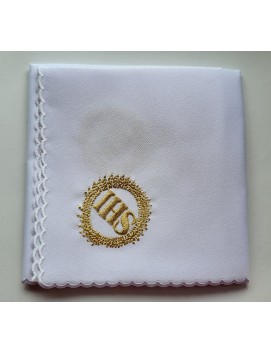
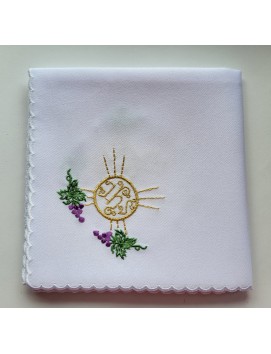
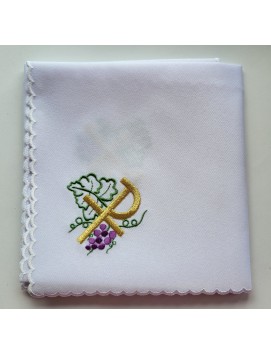
What is a corporal in Catholic church?
A corporal is a square white linen cloth used in Catholic liturgy, specifically during the celebration of the Eucharist. It is placed on top of the altar cloth but beneath the chalice and paten used at Mass. The name "corporal" derives from the Latin word "corpus" meaning "body," reflecting its purpose in relation to the Body of Christ.
What is the role of corporal?
The corporal serves several important liturgical functions:
It catches any fragments of the consecrated host that may fall during the Eucharist
Sacred vessels containing the Body and Blood of Christ are always placed on top of it
It symbolizes the shroud that wrapped Christ's body in the tomb
The corporal is considered a sacred cloth and is treated with great reverence in Catholic tradition. Its use emphasizes the Church's devotion to the Eucharist and the care taken to ensure that no consecrated particles are lost or treated improperly.
Physical Characteristics
The corporal typically has these features:
Made entirely of pure white linen
Usually measures around 18-20 inches square when unfolded
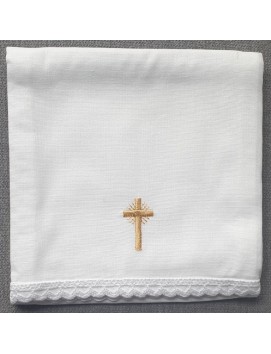
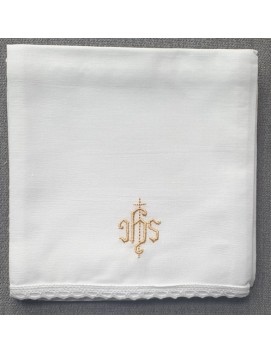
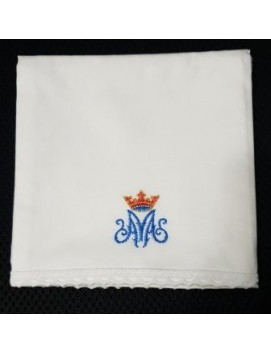
According to traditional rules, it should not be ornamented with embroidery, though some may have a small cross embroidered on them
When folded, it forms nine equal squares (folded in thirds both horizontally and vertically)
What are the corporal works Catholic?
During the Catholic Mass, the corporal is used according to specific protocols:
At the beginning of the Liturgy of the Eucharist, it is unfolded and placed at the center of the altar
The chalice, paten, and ciborium containing hosts are placed upon it
After Communion, any visible Eucharistic particles remaining on the corporal are consumed
When not in use, it is folded in a specific manner (typically in thirds both ways) and stored in a burse or corporas-case
Care and Handling
Due to its sacred nature, the corporal requires special care:
It should only be handled by clergy or specially permitted sacristans
Before laundering, it undergoes a special washing process, traditionally first by a priest, deacon, or subdeacon
It is rinsed in a sacrarium (a special sink with a drain leading directly into the earth) before regular washing
The corporal is never left on the altar permanently but is brought out and removed at appropriate times
This special treatment reflects the Catholic belief that the corporal may have come into contact with the actual Body and Blood of Christ during the Eucharist.
How do you tell the difference between a corporal and a purificator?
The corporal is larger, typically measuring 18 x 18 inches square, while the purificator is smaller, usually about 12 x 12 inches or three times the width of the chalice. The corporal is folded in thirds both ways to create nine equal squares when unfolded, while the purificator is folded in thirds to create a rectangular shape.
Both linens typically feature embroidered crosses, but in different positions. The corporal usually has one cross embroidered in the center front, while the purificator has a small cross embroidered in its center.