
Nincs termék
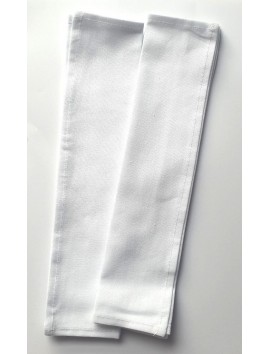
Lavabo kendő
A lavabo kendő egy kis fehér vászondarab, általában körülbelül 28 x 43 cm-es, amelyet a katolikus egyházban a lavabo szertartás során használnak. A lavabo szertartás egy vallási ceremónia, amelyet a pap vagy más szolgák végeznek az Eucharisztia ünnepe előtt. A szertartás során a pap kezét egy lavabo tálból öntött vízzel mossák meg, majd a lavabo kendővel szárítják meg. A lavabo kendő egy kis oltári vagy egyházi vászontermék, amelynek tiszta fehér egyházi vászondarabnak kell lennie, mivel a lavabo szertartásból eredő megtisztulást szimbolizálja. A lavabo kendőket általában középen elhelyezett kereszttel díszítik. Nedvszívó anyagból, általában vászonból készülnek, és nagy tisztelettel bánnak velük. A lavabo kendők fontos részét képezik a katolikus liturgiának, és a mise és más liturgikus szertartások során használják őket.
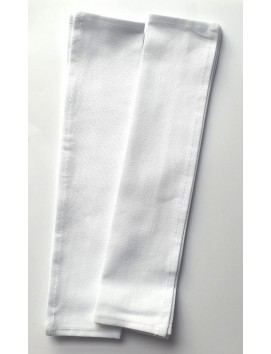
Lavabo Towel: The Unsung Hero of Liturgical Linens
Lavabo towels may not be the most glamorous of church linens, but they play a pivotal role in the sanctity and solemnity of religious ceremonies. These small, often overlooked pieces of fabric are steeped in tradition and symbolism, serving as a reminder of the spiritual cleansing that is a prerequisite for participating in the sacred rites of the Mass.
Understanding the Lavabo Towel
A lavabo towel is a small, white linen cloth used during the lavabo ceremony, a ritual washing of the hands that the priest performs during the Mass. This act symbolizes the desire for inner purification and is accompanied by the priest's prayer, "Lord, wash away my iniquity; cleanse me from my sin," which is derived from Psalm 50. The towel itself is usually adorned with a cross and is treated with great reverence.
The Significance of Pristine White
The requirement for the lavabo towel to be pristine white is not merely for aesthetics. The color white symbolizes purity and the washing away of impurities, aligning with the spiritual significance of the lavabo ceremony. It is a visual representation of the priest's preparation to handle the sacred elements of the Eucharist with clean hands and a pure heart.
The Lavabo Ceremony in Detail
During the lavabo ceremony, the priest washes his hands with water poured from a lavabo bowl and then dries them with the lavabo towel. This simple yet profound act is a personal moment between the priest and God, even when performed in public. It is a tradition that dates back to ancient times and is still practiced in various denominations, including the Roman Catholic, Eastern Orthodox, and some Lutheran churches.
Care and Handling of Lavabo Towels
Given their sacred use, lavabo towels require careful handling. They should be hand washed using mild detergent and treated with reverence throughout the cleaning process. After use, they are first rinsed by a priest, deacon, or subdeacon, and the water is disposed of on sacred ground before the towels are sent to the laundry.
FAQs About Lavabo Towels
What is a lavabo towel made of?
Lavabo towels are typically made of linen or cotton due to their absorbency and durability.
How is a lavabo towel used during Mass?
The priest uses it to dry his hands after washing them in the lavabo ceremony, symbolizing spiritual purification before handling the Eucharistic elements.
Can lavabo towels be decorated?
Yes, they often feature a cross, which is a symbol of Christ and the Christian faith.
How should a lavabo towel be folded?
It is usually folded in thirds, with the cross decoration facing outwards for visibility when stored.
Why is the lavabo towel important?
It is a liturgical item that signifies the cleansing and preparation of the priest before the consecration of the Eucharist, reflecting the sanctity of the Mass.
In conclusion, the lavabo towel may be a humble piece of cloth, but its role in the liturgy is of great importance. It serves as a tangible reminder of the need for spiritual cleanliness and the respect due to the sacred ceremonies of the church.