
Nincs termék
Cingulumok
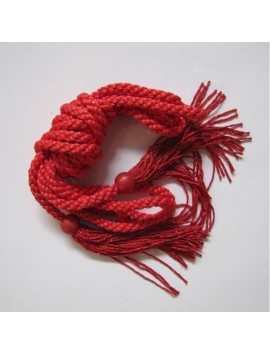
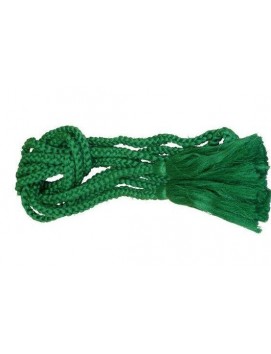
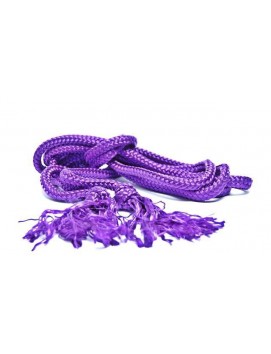
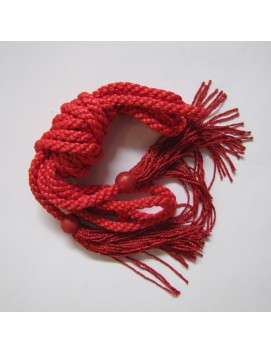
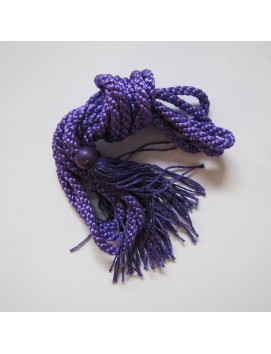
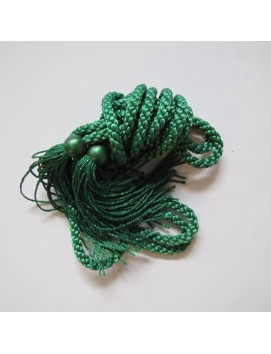
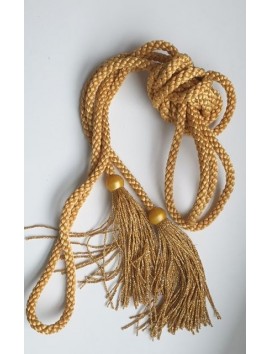
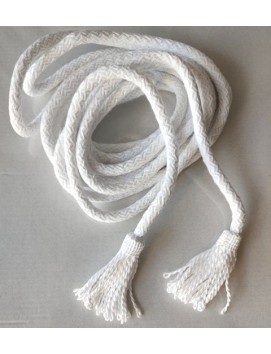
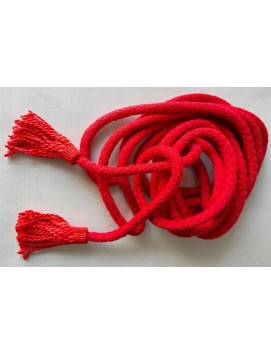
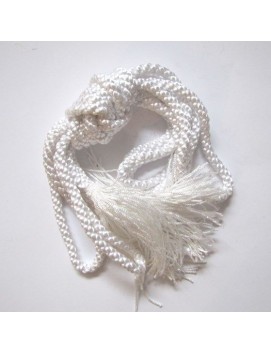
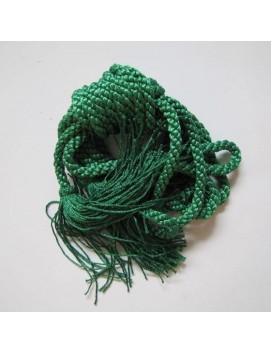
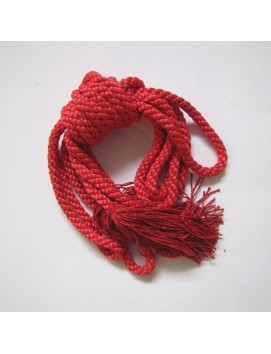
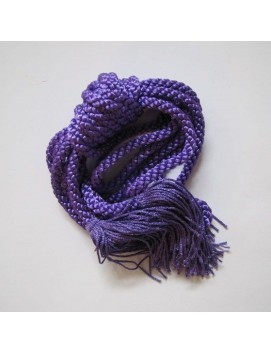
A cingulumok liturgikus övek vagy vastag, mindkét végén tasszelokkal ellátott kötelek, amelyeket a papság és a szolgák viselnek keresztény egyházakban liturgikus öltözet részeként. Különböző anyagokból készülnek, például pamutból, rayonból vagy kötélből, valamint minden liturgikus színben elérhetők, beleértve a pirosat, lila színt, zöldet, kéket, aranyat és fehéret. A cingulumokat az alba, a papság által viselt fehér köntös derékon történő összefogására használják. Emellett a stóla, a papság által az alba fölé viselt hosszú, keskeny anyagsáv rögzítésére is szolgálnak. Különböző hosszúságban kaphatók, 72 és 144 hüvelyk között, és mindkét végükön kis tasszelokkal vannak befejezve. Ez az elem elengedhetetlen a liturgikus öltözet része, amelyet papok, diakónusok, akolitusok és ministránsok viselnek.
Unraveling the Significance of Cinctures in Liturgical Attire
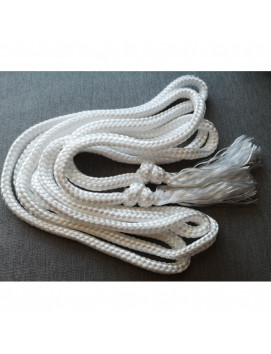
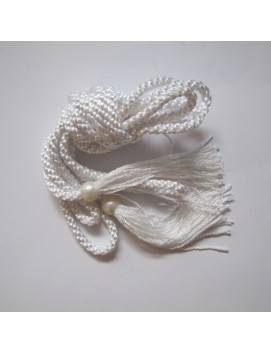
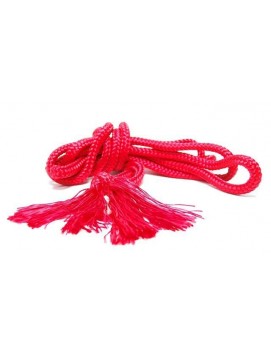
Cinctures, the liturgical belts worn around the waist over the alb or cassock, made from flax and typically measuring a few inches wide by hand, are more than just functional accessories; they are rich in symbolism and tradition within the church's liturgical attire. These cords, often braided and finished with tassels, serve to secure the alb and symbolize purity and the readiness to serve. Let's delve into the fascinating world of cinctures, exploring their history, significance, and the role they play in the liturgical wardrobe.
The Symbolic Meaning of Cinctures
Cinctures carry a profound symbolic weight, representing the virtues of chastity and purity. By cinching the alb at the waist, they also symbolize the spiritual preparation and readiness of the clergy and altar servers to perform their sacred duties. The act of tying the cincture around the waist serves as a physical reminder of the wearer's commitment to service and the church's teachings.
Varieties and Colors of Cinctures
Cinctures come in a variety of materials, including silk, cotton, and wool, and their colors often correspond to the liturgical season or specific church rites, such as red. Common colors include white, red, green, and purple, each carrying its own liturgical significance. For example, white cinctures may be worn during Easter and Christmas seasons, symbolizing purity and joy, while purple cinctures are used during Advent and Lent, reflecting penance and preparation.
The Practical and Ceremonial Roles of Cinctures
Beyond their symbolic significance, cinctures play a practical role in liturgical attire. They help to keep the alb or cassock neatly in place, ensuring that the clergy and altar servers maintain a dignified appearance during services. The ceremonial tying of the cincture can also be a moment of reflection for the wearer, a brief pause to contemplate their duties and the solemnity of the occasion.
How to Properly Wear and Care for Cinctures
Wearing a cincture correctly is crucial for maintaining the intended symbolism and ensuring the liturgical attire looks its best. The cincture should be tied around the waist, with the ends hanging evenly on the left side. Care for cinctures involves gentle cleaning and storage to preserve their appearance and significance. Depending on the material, some may require hand washing or dry cleaning.
FAQs About Cinctures
Who wears cinctures?
Cinctures are worn by clergy and altar servers as part of their liturgical attire during services.Can cinctures be worn by all denominations?
While cinctures are most commonly associated with Roman Catholic, Anglican, and some Orthodox traditions, their use can vary by denomination and local custom.What do the different colors of cinctures signify?
The colors of cinctures correspond to the liturgical calendar, with each color representing different seasons and themes, such as penance, purity, and joy.
Conclusion
Cinctures are a vital component of liturgical attire, imbued with deep symbolic meaning and serving both practical and ceremonial purposes. Through their varied colors and materials, they reflect the richness of the church's traditions and the solemnity of its rites. As we explore the significance of these liturgical belts, we gain a deeper appreciation for the thought and care that goes into every aspect of church attire, highlighting the beauty and depth of liturgical celebrations.