
Nincs termék
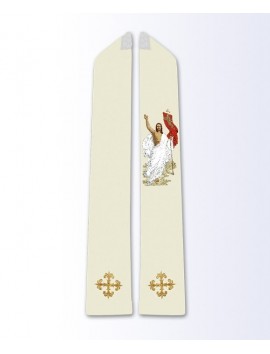
Húsvéti stóla
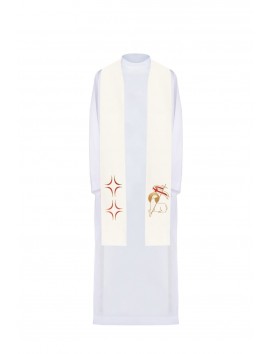
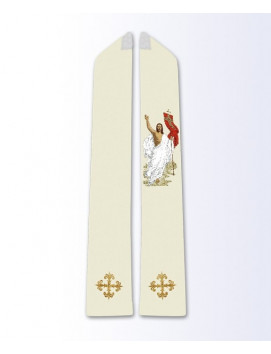
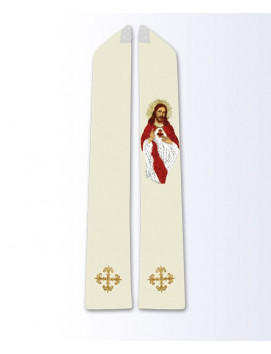
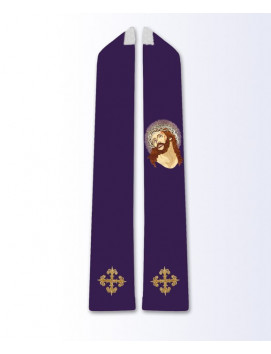
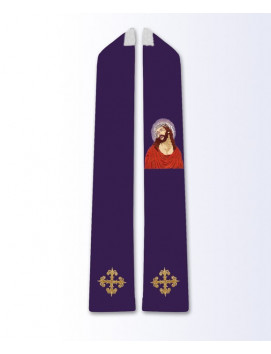
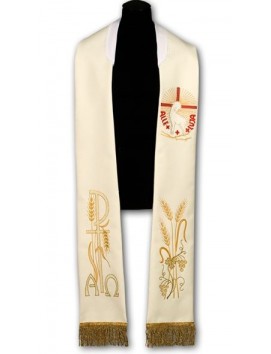
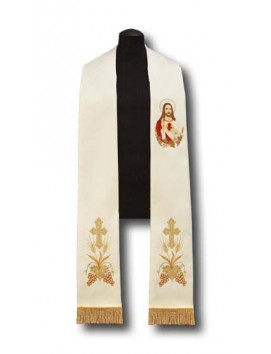
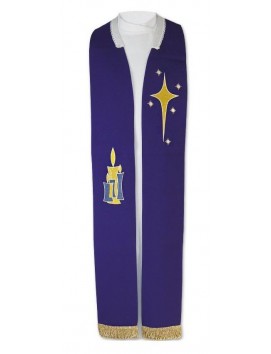
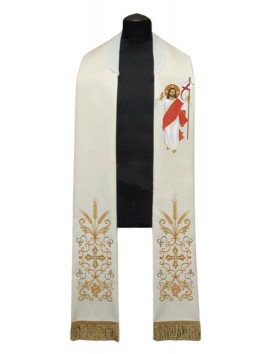
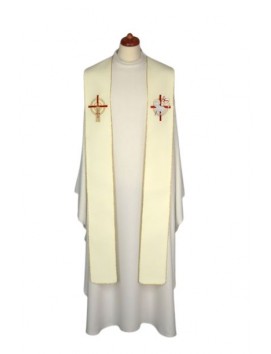
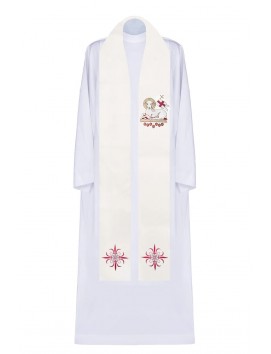
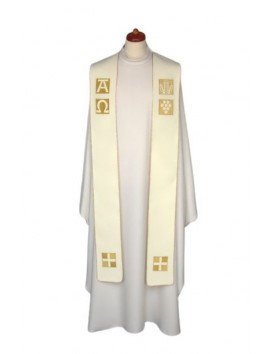
A húsvéti stóla egy olyan liturgikus miseruhaféleség, amelyet a húsvéti időszakban a papság visel. Ez egy hosszú, színes anyagcsík, amelyet a nyak köré tesznek, és két szabadon lógó vége van elöl. A húsvéti stólát gyakran hímzett húsvéti szimbólumokkal díszítik, például a feltámadott Krisztussal vagy Isten Bárányával. Különféle anyagokból készülhet, például selyemből, domború szerkezetű poliészterből vagy selyemből. A húsvéti stóla különféle színben is kapható, például fehérben és aranyban. Gyakran használják különleges liturgikus ünnepségeken, például húsvétvasárnapon, és a viselő papi személy hatalmát és felelősségét szimbolizálja. A húsvéti stólákat számos online kereskedőnél meg lehet vásárolni, és egyéni igények szerint is készíthetők a papi személy stílusának és ízlésének megfelelően. Összességében a húsvéti stóla egy gyönyörű és jelentőségteljes módja annak, hogy kifejezze a húsvéti időszak iránti odaadást és tiszteletet, miközben élvezhetők a spirituális jelentőségű, kifinomultan készített minták.
The Significance of the Easter Stole
Easter, a time of resurrection of Jesus and renewal, is marked by various symbols and traditions that embody the spirit of this pivotal Christian holiday. Among these is the Easter stole, a liturgical vestment that carries deep religious significance and serves as a visual representation of the clergy's role during this sacred season.
Understanding the Easter Stole
The Easter stole is a long, narrow band of fabric that drapes around the neck of clergy members during religious services. Its origins can be traced back to ancient times when garments similar to the stole were used to denote status and authority. In the context of Easter, the stole is embroidered with symbols such as the Risen Christ or the Lamb of God, reflecting the core message of Christ's resurrection.
Symbolism and Color in the Easter Stole
The colors of the Easter clergy stole are rich in meaning, with each hue representing different aspects of the liturgical season. White, for instance, symbolizes joy, purity, and glory, making it the preferred color for stoles during Easter celebrations. It is also used to represent the resurrection, aligning with the triumphant spirit of Easter.
The Easter Stole in Liturgical Practice
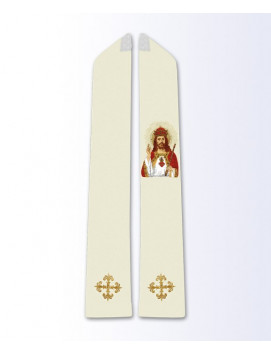
During Easter services, the stole is worn by priests, deacons, and bishops, signifying their role as mediators between God and the congregation. It is a reminder of their sacred duty to guide the faithful and model Christian conduct. The stole's design often includes religious embroidery, such as crosses or symbols related to the Virgin Mary, further emphasizing its spiritual importance.
The Easter Stole's Place in Clergy Attire
As an essential element of Catholic clothing, the Easter stole is matched with the liturgical color of the day, fostering a deeper connection with the mysteries of the season. It is a visible symbol of the clergy's role within the community and their service to the Word of God.
FAQs About the Easter Stole
What does the Easter stole represent?
The Easter stole represents the joy of the resurrection and the purity of Christ. It is a symbol of the clergy's authority and their role as spiritual guides during the Easter season.
Why is the Easter stole white?
White is the color of Easter stoles because it denotes joy, purity, innocence, and glory, all of which are central themes of the resurrection celebrated during Easter.
Can the Easter stole feature other colors?
While white is the primary color for Easter stoles, other colors like gold may be used for essential Masses, such as Midnight Mass, to signify solemnity and celebration.
Is the Easter stole only worn during Easter?
The Easter stole is specifically worn during the Easter season, but stoles of different colors are used throughout the liturgical year to correspond with other seasons and celebrations.
In conclusion, the Easter stole is a garment steeped in history and symbolism, serving as a poignant reminder of the resurrection and the hope it brings to the Christian faith. Its use during Easter services is a tradition that not only honors the past but also enriches the worship experience for believers today.