
No products
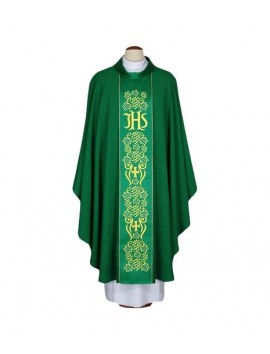
Green chasubles
Green chasubles are an essential part of Catholic liturgical vestments, worn by priests during Mass in Ordinary Time. These emerald-colored garments hold significant symbolism and are used extensively throughout the church year.
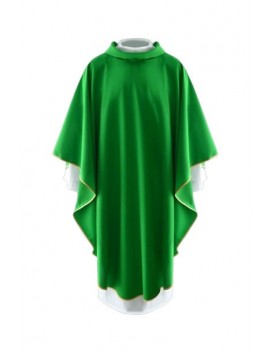
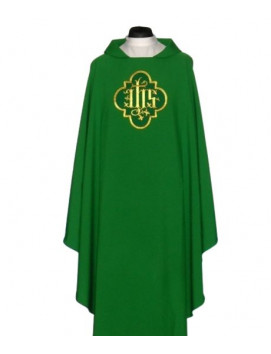
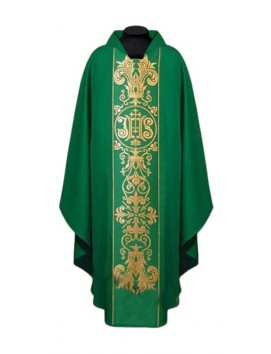
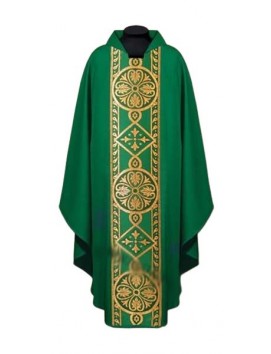
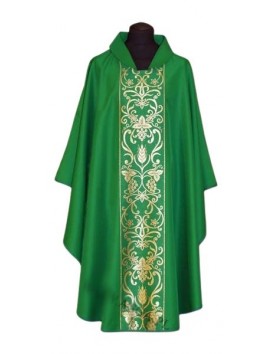
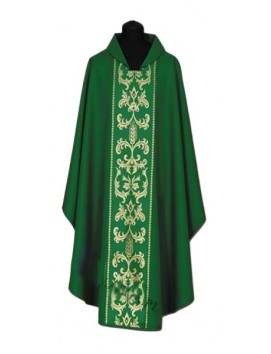
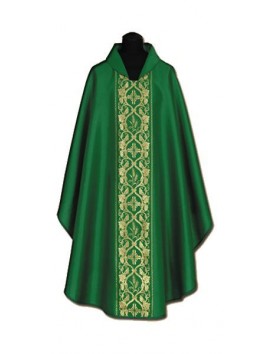

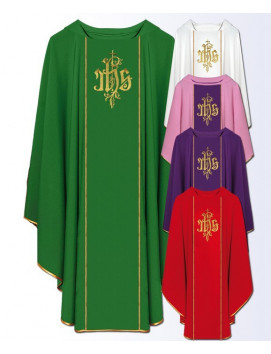
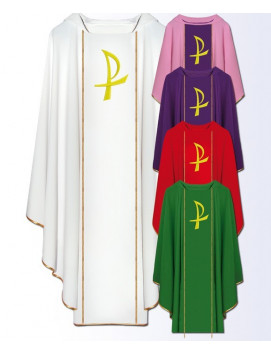
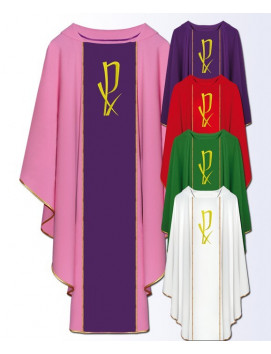
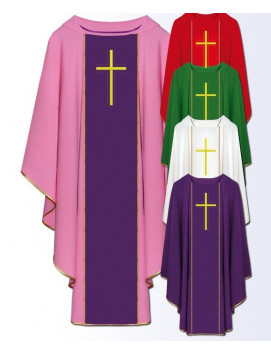
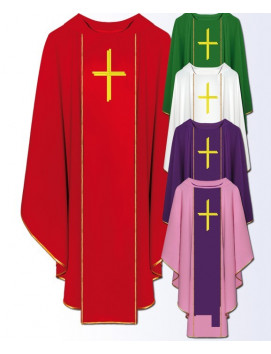
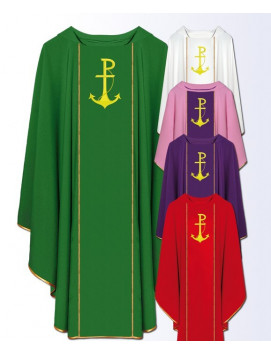
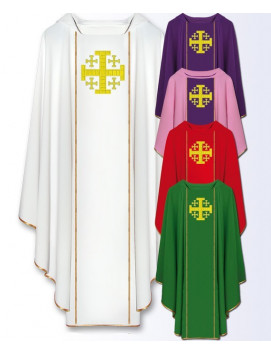
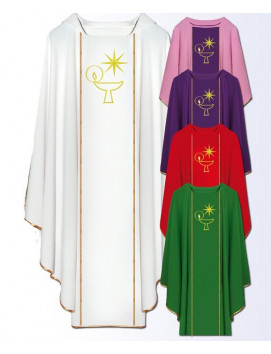
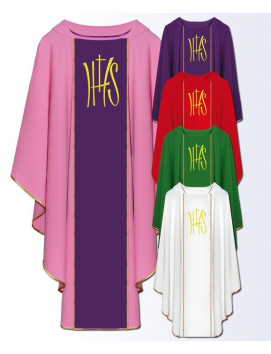
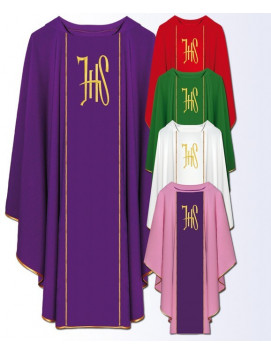
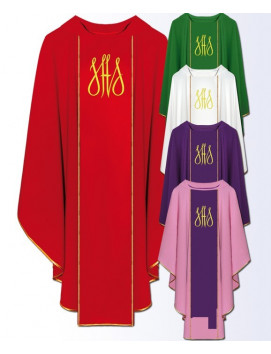
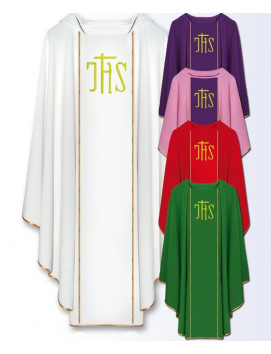
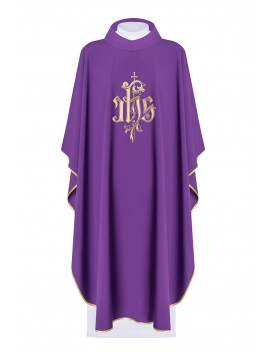
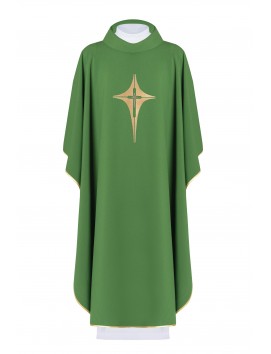
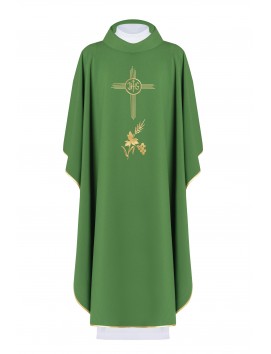
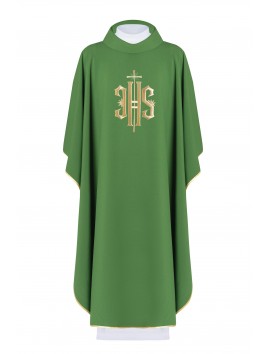
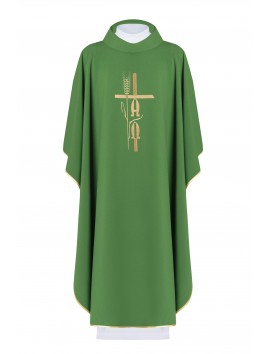
What does a green chasuble mean?
A green chasuble isn’t just a random fashion choice. In the Catholic Church (and many other Christian traditions), the color of the chasuble changes throughout the year to match the liturgical season. Green is the go-to color for “Ordinary Time”-the stretches of the church calendar that aren't Advent, Christmas, Lent, or Easter.
But here’s the kicker: green isn’t just a placeholder. It’s loaded with symbolism:
Hope: Green points to hope-hope in God’s promises and the ongoing work of faith.
Growth: Just like plants grow and thrive, green in the church signals spiritual growth and vitality.
Life: It’s a reminder that faith isn’t just about big moments but the steady, day-to-day journey.
So, when you see a priest in a green chasuble, it’s a visual cue: this is a season for growing, hoping, and living out faith in the real world.
When Is the Green Chasuble Worn?
Let’s get specific. The green chasuble comes out during two main periods:
After Pentecost until Advent: This is the long stretch in the summer and fall.
After the Baptism of the Lord until Ash Wednesday: The early part of the year before Lent kicks in.
In short, most Sundays in the year are “Ordinary Time,” so green is the most common chasuble color you’ll see.
Why Does This Even Matter?
You might wonder, “Why should I care what color the priest wears?” Here’s why:
It’s a teaching tool: The green chasuble is a silent sermon about hope, growth, and the ongoing journey of faith.
It connects us to tradition: For centuries, Christians have used color to mark time and meaning. The green chasuble keeps us rooted in that bigger story.
It’s about everyday faith: Ordinary Time isn’t “boring.” It’s where real life happens- and where real growth takes place.
Quick Recap: What Does a Green Chasuble Mean?
Symbolizes hope, growth, and life in the Christian journey.
Worn during Ordinary Time, the longest part of the church year.
Reminds us that faith is lived out daily, not just on holidays.
Why do priests wear green?
Priests wear green primarily during “Ordinary Time”-the period in the church calendar that falls outside the major seasons like Advent, Christmas, Lent, and Easter. But here’s what’s going on:
Green represents hope. Think about the first buds in spring or fresh grass after winter. That’s the hope the church wants you to feel - hope for new beginnings and the promise of spiritual growth.
It’s about growth and life. Green is the color of things that are alive and growing. In the church, it’s a reminder that faith isn’t static. It’s about constant renewal, learning, and living out the teachings of Jesus.
It marks the journey. Ordinary Time is the longest season in the liturgical year. The green vestments remind us that most life isn’t about big celebrations or deep mourning, but steady, everyday growth.
Why Green? A Bit of History
Tradition meets practicality. Back in the day, green dyes were some of the most accessible. Over time, the church attached more profound meaning to the color, linking it with hope and life.
Official church rules. By the 13th century, green had become one of the official liturgical colors, and it was reserved for Ordinary Time. This tradition stuck, and now it’s the visual signal for the season of growth and reflection.
When Do Priests Wear Green?
After Christmas until Lent.
After Pentecost until Advent.
You'll see green whenever it’s not a special feast or a season of penance.
What Does This Mean for You?
Green vestments are a visual cue. They tell you this is a time to focus on the teachings of Jesus and how to live them out daily.
It’s about personal growth. Ordinary Time isn’t “ordinary” in the boring sense. It’s where the real work of faith happens - growing, learning, and living with hope.
Quick Takeaways: Why Do Priests Wear Green?
Green symbolizes hope, growth, and new life in the church.
Priests wear green during Ordinary Time, the longest part of the liturgical year.
It’s a reminder to keep growing in faith, every single day.
What does a green robe symbolize?
A green robe isn’t just about looking different. Here’s what it signals:
Renewal and Life: Green is the color of new beginnings, fresh starts, and ongoing growth. It’s worn to represent renewal and the flourishing of life, especially in spiritual contexts.
Hope: When you see green, think hope. It’s the same feeling you get seeing the first shoots of spring after a long winter- an expectation that good things are coming.
Growth: Spiritually, green is all about personal, communal, and faith-based growth. It’s a reminder that we’re all works in progress, always moving forward.
Why Green? The Deeper Layers
Let’s dig a little deeper. In many traditions, especially within Christianity, green robes are worn during “Ordinary Time.” This isn’t just filler time- it’s when the focus is on the day-to-day journey of faith, learning, and living out core values.
But green robes aren’t just for church:
Heart and Healing: In spiritual circles, green is linked to the heart chakra - think love, balance, and emotional healing.
Harmony and Nature: Green robes can signal a connection to nature, harmony, and a sense of calmness and reassurance.
Eternal Life: In art, especially Christian art, green symbolizes eternal life and the promise of happiness beyond this world.
Where You’ll See Green Robes (And Why It Matters)
You’ll spot green robes in a few key places:
Churches: Priests wear green during Ordinary Time to remind everyone of hope and steady growth in faith.
Spiritual Gatherings: Leaders might wear green to channel healing, balance, and renewal.
Religious Art: Green robes in paintings and icons often point to eternal life and paradise.
Quick Takeaways: What Does a Green Robe Symbolize?
Let’s make it easy to remember:
Green robe = hope, renewal, growth, and life.
It’s a visual cue for personal and spiritual development.
Art and tradition point to eternal life, healing, and harmony.
So next time you ask, “What does a green robe symbolize?” remember it’s all about hope, renewal, and the ongoing journey of growth. That’s the real power behind the green robe.
Why do Catholics wear green?
If you’ve stepped into a Catholic Church during most of the year, you’ve seen green everywhere. Here’s why:
Green is the color of Ordinary Time. Ordinary Time constitutes most of the Catholic liturgical year, 33 or 34 weeks out of 52. So, if you’re seeing green, you’re probably in Ordinary Time.
It’s not “ordinary” as in boring. In ordinary Time, Catholics focus on Jesus's life and teachings, spiritual growth, and daily faith.
Green means hope and growth. Think about spring-green leaves, new buds, and grass growing. That’s the vibe. Green represents hope, renewal, and the steady growth of faith.
The Deeper Symbolism Behind Green
Let’s get real: why do Catholics wear green, and not some other color? Here’s what the green stands for:
Hope: Green is all about hope, just like seeing the first green shoots after winter. It’s a visual reminder that faith is alive and growing, even when life feels routine.
Life and Renewal: Green ties back to the natural world and the idea of new life, spiritual renewal, and patience. It’s about the journey, not just the big moments.
Connection to Scripture: Green appears dozens of times in the Bible, often linked to flourishing, pastures, and God’s promise of life.
How Did Green Become the Catholic Color?
Let’s get practical for a second. The reason Catholics wear green isn’t just spiritual but historical, too:
Green dyes were easy to find. Green plant dyes were everywhere back in the day, so using them for vestments during the longest season made sense.
Official church rules: By the 13th century, green became one of the four official liturgical colors, locked in by Pope Innocent III.
Tradition became a rule: What started as a tradition became a hard-and-fast rule. Now, green is the go-to color for Ordinary Time, reminding everyone of the passing seasons and the bigger story of faith.
When Do Catholics Wear Green?
Between Christmas and Lent
Between Pentecost and Advent
You'll see green in church whenever it’s not a feast or a season of penance.
Quick Recap: Why Do Catholics Wear Green?
Green is the color of Ordinary Time, the longest part of the Catholic year.
It symbolizes hope, growth, renewal, and spiritual life.
Catholics wear green to remind themselves that faith is lived out daily, not just on holidays or special occasions.
What is the significance of Green in the Liturgy?
You’ll see green most in the liturgical calendar, especially during Ordinary Time, alternating with purple chasubles in Advent and Lent. But don’t let the word “ordinary” fool you. Here’s what the green stands for:
Hope: Green is all about hope. It’s the color of fresh grass, new leaves, and the promise that life keeps progressing.
Growth: Just like plants need time to grow, faith isn’t built in a day. Green in the liturgy is a visual cue that this is a season for spiritual growth, steady progress, and daily transformation.
New Life: Green points to new beginnings and the ongoing renewal possible in your spiritual life.
The Deeper Symbolism of Green in the Liturgy
Let’s get practical. Why does the Church choose green for so many weeks of the year?
It’s the color of Ordinary Time: Green is used when there’s no major feast or penitential season. That means most Sundays and weekdays, you’ll see green vestments.
It reflects the Church’s mission: The Church is like a mighty tree, rooted, growing, and spreading its branches. Green vestments remind us that, like a tree, our faith should grow and bear fruit.
It’s about hope for eternal life: Green isn’t just about this life. It’s a reminder of the hope for eternal life and the promise of paradise.
How Green Shapes the Church Year
Here’s when and why green shows up:
After Christmas until Lent
After Pentecost until Advent
Green is the go-to color whenever it’s not a special feast or a time of penance.
What Does Green Mean to You?
Let’s make it super clear:
Green is a reminder to keep growing in faith, hope, and daily life.
It’s a call to action: Don’t wait for the big moments. Ordinary Time is where fundamental transformation happens.
It’s about daily discipleship: Green in the liturgy means it’s time to live out your faith in the everyday, not just on holidays.
Quick Takeaways: The Significance of Green in the Liturgy
Green symbolizes hope, growth, new life, and the faith journey.
It’s the color of Ordinary Time - the longest part of the liturgical year.
Green in the liturgy is a visual reminder that faith is a daily process, not just a once-in-a-while event.
What are the different Styles of Green Chasubles?
First, green chasubles aren’t just a fashion statement. They symbolize hope, life, and renewal, and are worn during Ordinary Time, the longest stretch in the liturgical year. But here’s the thing: the style of your green chasuble says a lot about your tradition, church, and taste.
The Main Styles of Green Chasubles
Let’s get straight to the point. Here are the most popular styles of green chasubles you’ll see today:
Roman Chasuble (Fiddleback):
Classic, structured, and often richly decorated.
It features a “fiddleback” shape, narrow at the shoulders and wider at the base.
Heavy embroidery, gold thread, and religious symbols are standard.
Perfect for traditional liturgies and those who love historical vibes.
Gothic Chasuble:
Wider, flowing cut with a semicircular shape.
Lightweight, comfortable, and allows for easy movement.
Embroidery ranges from simple to elaborate, often with crosses or sacred motifs.
The go-to for many modern churches looking for a blend of tradition and comfort.
Monastic Chasuble:
Inspired by monastic simplicity.
Broad, ample cut-think “blanket with a hole for your head.”
Minimalist, with little to no ornamentation.
Ideal for those who want a humble, understated look.
Semi-Gothic Chasuble:
A hybrid between Gothic and Roman.
Slightly narrower than Gothic, but not as fitted as Roman.
Offers a balance of tradition and practicality.
Contemporary/Modern Chasuble:
Clean lines and lightweight fabrics are often wrinkle-resistant.
May feature abstract designs, modern embroidery, or bold color blocking.
Great for churches that want to keep things fresh and relevant.
Key Features and Customization Options
Picking a green chasuble is not just about the cut. Here’s what else you should consider:
Materials: High-quality fabrics like silk, wool, or easy-care synthetics for comfort and durability.
Orphreys: Decorative bands or panels, often embroidered or appliqued, add visual interest and symbolic meaning.
Embroidery: From simple crosses to intricate scenes, embroidery can make your chasuble unique.
Custom Fit: Many suppliers offer made-to-measure options for the perfect fit.
Quick Tips for Choosing the Right Green Chasuble
Match your tradition: Roman for classic, Gothic for versatile, and Monastic for simplicity.
Consider comfort: Lightweight fabrics and flowing cuts are best for long services.
Consider customization: Add personal or parish symbols for a unique touch.
Balance style and function: Pick a design that fits your liturgical needs and personal style.
Why the Style of Green Chasuble Matters
The style of green chasuble you choose isn’t just about looks- it’s about expressing the spirit of your community and the meaning of Ordinary Time. Whether you prefer a Roman chasuble’s grandeur or the simplicity of a monastic cut, there’s a green chasuble out there that fits your needs and message. Browse our full range of Catholic chasubles to compare every style and liturgical color.
What materials are used in Green Chasubles?
The Most Common Materials Used in Green Chasubles
Let’s get straight to it. Here are the primary fabrics you’ll find in green chasubles:
Damask
Damask is a classic choice for green chasubles, known for its intricate patterns and luxurious feel. It’s often used for Roman and Gothic styles, giving the vestment a rich, traditional look.
Damask can be made from silk, cotton, or synthetic fibers, and is often paired with gold embroidery for extra impact.
Silk
Silk is the gold standard for sacred vestments. It’s smooth, shiny, and drapes beautifully. Historically, silk was reserved for high-ranking clergy, but you’ll still see it in premium green chasubles today.
Silk blends are also standard, such as mixing silk with linen or viscose for added durability and comfort.
Linen
Linen is lightweight, breathable, and perfect for warmer climates. It’s one of the oldest fabrics used in liturgical garments and is prized for its natural elegance and ability to hold detailed embroidery.
Polyester
Modern green chasubles often use polyester or polyester blends. Why? It’s affordable, durable, and wrinkle-resistant, making it ideal for everyday use.
100% polyester options like SACROLITE fabric are especially popular for their lightness and easy care.
Cotton
Cotton is sometimes used, especially in blends. It’s soft, absorbent, and comfortable, though less common for the outer layer of chasubles than damask or polyester.
Specialty Fabrics
You’ll also find unique fabrics like brocade, tulle, and satin in green chasubles, often used for decorative panels, linings, or trims.
Embroidery is a big deal - expect gold or metallic threads, silk appliqué, and detailed religious symbols to add meaning and beauty.
Why Material Choice Matters for Green Chasubles
Here’s why the material of your green chasuble matters:
Durability: Polyester and blends stand up to frequent use and washing.
Appearance: Damask, silk, and brocade offer a rich, traditional look.
Comfort: Linen and lightweight synthetics keep things cool and comfortable.
Symbolism: Luxurious materials like silk and gold thread highlight the sacredness of the vestment.
Quick Tips for Choosing Green Chasuble Materials
For tradition and elegance: Go with damask or silk.
For daily practicality, Polyester or polyester blends are your best bet.
For breathability: Linen or lightweight synthetics like SACROLITE fabric.
For standout style: Look for chasubles with gold embroidery, brocade, or specialty trims.
What materials are used in green chasubles? Now you know: damask, silk, linen, polyester, cotton, and specialty fabrics all play a role. The right material makes all the difference in comfort, durability, and the visual impact of your green chasuble.
How do you choose the right green chasuble for your needs?
1. Start with High-Quality Materials
The material of your green chasuble is everything. If you’re wearing it for hours, comfort matters. Here’s what to look for:
Lightweight, breathable fabrics like high-quality cotton, linen, or premium polyester for everyday comfort and easy care.
Silk or brocade for a more luxurious, formal look, perfect for special occasions.
Durability is key. Make sure the fabric is resistant to wrinkles and holds up to frequent use and washing.
2. Match the Liturgical Color and Season
Green is the color of Ordinary Time, symbolizing hope, life, and ongoing spiritual growth. Make sure you’re choosing green for the right season and that the shade matches your parish’s tradition.
3. Pick the Right Style and Cut
Not all green chasubles are created equal. Choose a style that fits your needs:
Roman (Fiddleback): Traditional, structured, and ornate - great for high liturgy.
Gothic (Semi-Circular): Lighter, flowing, and practical for most parishes.
Monastic or Modern Cuts: Simple, comfortable, and understated for everyday use.
4. Focus on Design, Motif, and Decorations
The design should reflect both beauty and spiritual meaning:
Classic motifs: Crosses, lilies, or Eucharistic symbols.
Custom embroidery: Personalize with parish symbols or saints for a unique touch.
Orphreys and trims: Decorative bands add visual interest and highlight the vestment’s significance.
5. Ensure the Right Fit
Fit is non-negotiable. It'll distract from the service if it’s too long or too short. Look for:
Standard sizes that match your height and build.
Custom sizing is available for a tailored fit for maximum comfort and movement.
6. Balance Quality and Budget
Set your budget, but don’t skimp on quality. A well-made green chasuble is an investment that will last for years. Consider:
Material and craftsmanship- these drive the price.
Brand reputation: Buy from trusted sellers who stand by their products.
7. Consider the Church’s Decor and Cohesion
Your green chasuble should harmonize with the church’s overall decor for a cohesive, dignified look. Think about how the vestment will look in your worship space.
8. Prioritize Comfort for the Priest
The priest’s comfort is crucial. Choose a green chasuble that’s easy to wear, doesn’t restrict movement, and keeps you cool under pressure.
Quick Checklist: How Do You Choose the Right Green Chasuble for Your Needs?
High-quality, breathable material
Appropriate shade of green for Ordinary Time
Style and cut that fit your liturgical context.
Meaningful, elegant design and motifs
Perfect fit - standard or custom
Balance between quality and budget
Cohesion with church decor
Comfort for the wearer
So, how do you choose the right green chasuble for your needs? Focus on material, style, fit, and meaning because the right green chasuble isn’t just a vestment, it’s a statement of faith and service.
What is the history of Green Chasubles?
Where Did Green Chasubles Come From?
Let’s start at the beginning. The chasuble itself dates back to the Roman Empire. Initially, it was a simple, sleeveless outer garment called the casula or paenula, meaning “little house” in Latin. Back then, everyone wore it- men, women, clergy, and laypeople alike. It was practical, offering shelter from the weather.
When Christianity took root, priests adopted the casula for liturgical use. By the 6th century, the chasuble became the official vestment for celebrating Mass. Over time, it evolved from a standard garment to a symbol of priestly office, reserved exclusively for clergy.
How Did Green Become the Liturgical Color?
The use of color in chasubles wasn’t always a thing. Early on, there were no strict rules about vestment colors. But as the Church developed, specific colors began associating with different liturgical seasons and feasts. By the Middle Ages, these color codes were more formalized.
Green emerged as the color for “Ordinary Time”-the period in the Church calendar outside of major feasts like Christmas, Easter, Advent, and Lent. The symbolism? Green stands for hope, life, renewal, and the steady growth of faith.
The Evolution of Green Chasubles
Medieval Period: Chasubles became more ornate, featuring embroidery, gold thread, and religious symbols. The shape also changed, giving rise to styles like the wide Gothic and shorter Roman chasuble.
Renaissance and Baroque: Materials like silk, velvet, damask, and brocade became popular. Embroidery reached new heights, with some green chasubles adorned with gold, precious stones, and intricate biblical scenes.
Post-Reformation: While some denominations simplified or abandoned ornate vestments, the Catholic Church held on to the chasuble as a symbol of tradition and continuity. Designs became simpler but retained deep symbolic meaning.
Modern Era: After the Second Vatican Council, there was a push for simpler, more comfortable chasubles. Today, you’ll find green chasubles in a range of styles-from traditional to contemporary-using lightweight, durable materials and modern embroidery techniques.
Symbolism and Significance of Green Chasubles
Hope and Growth: Green chasubles are worn during Ordinary Time, symbolizing the ongoing journey of faith, hope, and spiritual growth.
Visual Catechesis: Embroidery and motifs on green chasubles often depict biblical scenes, saints, or symbols of Christ, serving as visual aids for teaching and reflection.
Art and History: Green chasubles have been featured in art and historical records for centuries, showing their enduring role in the Church’s liturgical life.
Quick Facts: What Is the History of Green Chasubles?
Originating from Roman outer garments (casula/paenula) in the early Church.
Became exclusive priestly vestments by the 6th century.
Green became the color for Ordinary Time, symbolizing hope, life, and renewal.
Styles and materials evolved with art, culture, and Church reforms - from ornate silk and gold to modern, comfortable fabrics.
Green chasubles remain a powerful symbol of the Church’s mission to grow and inspire hope in every season.
So, what is the history of green chasubles? It’s a story of transformation- from a Roman cloak to a sacred vestment rich in tradition, artistry, and meaning, still inspiring hope and growth in the Church today.
Green vestments: the complete set for the liturgy
Green is worn for most of the year, so most parishes build a whole green set rather than a single vestment. Beyond the chasuble, the set usually includes a matching stole for each priest, a dalmatic for the deacon, a cope for processions and Benediction, and altar tablecloths and linens in the same tone.
Because every piece is sewn and embroidered in our own workshop in Poland, a green set can be assembled over time and the shades will still match - useful for parishes that spread vestment purchases across budgets.
Green chasubles by style
Every major cut is available in green, so you can match the style your parish already uses. Traditional parishes usually choose a Roman (fiddleback) chasuble; the most common middle ground is the semi-Gothic chasuble. If you are unsure which cut suits your sacristy, start with our guide to Gothic vs Roman chasubles.
Shades of green in Catholic vestments
The rubrics ask for green - not one exact shade - so the tone of a green chasuble varies with the fabric and the light. Deep emerald and forest greens read as formal and traditional, while softer olive and moss tones feel warmer and more contemporary; on damask and silk the weave lifts the colour, while matte polyester and linen appear calmer.
Parishes usually pick one tone and keep the whole set in it. When you order from us, tell us whether you prefer a darker, blue-leaning green or a lighter, warmer one, and we will match the chasuble, stole and cope to a single shade.
How much does a green chasuble cost?
In our collection, green chasubles start at $118 for a simple design and reach about $1,150 for heavily embroidered vestments with decorative stones. Most of the range sits under $400, where you will find Gothic and Roman cuts in wool, damask and easy-care fabrics.
Three things move the price: the fabric, the amount of hand embroidery, and the cut. Every vestment is made to measure in our workshop in Poland - browse the full range on the chasubles page.
How to care for green vestments
Green vestments work harder than any other colour, so a little care keeps them presentable for years. Follow the fabric: wool and damask should be dry-cleaned, while easy-care polyester can be washed gently at low temperature. Test embroidery and decorative stones first, and never tumble-dry a chasuble.
For storage, keep chasubles in a dry, dark place - sunlight is what fades green first - and store the stole and cope with the chasuble so the set wears evenly. Rotating two green chasubles through the year roughly doubles the life of each.
When is green worn? The calendar for 2026 and 2027
Ordinary Time 2026 ends with the First Sunday of Advent on November 29, 2026. Green vestments return after the Baptism of the Lord, and in 2027 they are worn from January 11 until Ash Wednesday on February 10; the season resumes after Pentecost on May 16, 2027, and continues until Advent begins on November 28, 2027.
Feasts interrupt the green: memorials of martyrs are celebrated in red, while feasts of Mary and the last Sunday of the year, Christ the King, call for white. For the full explanation of the season, read our guide to green vestments in Ordinary Time.