
Nincs termék
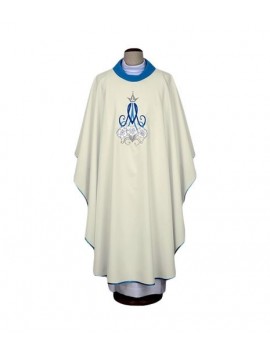
Miseruhák
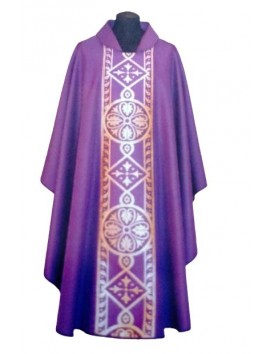
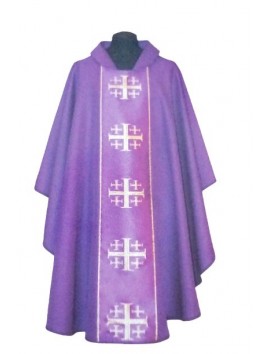
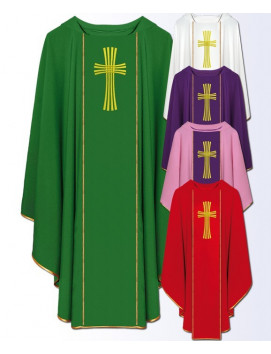
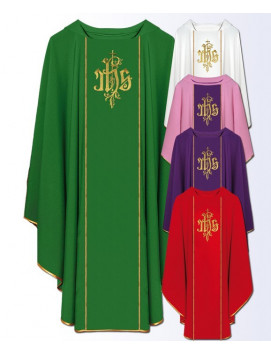
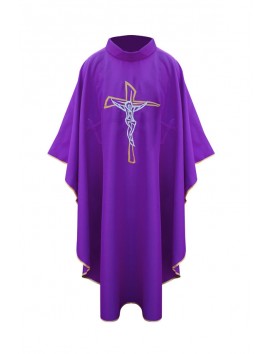
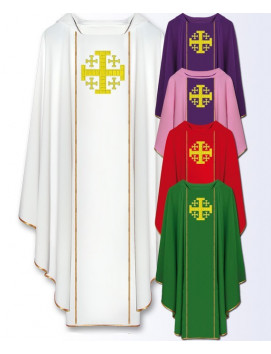
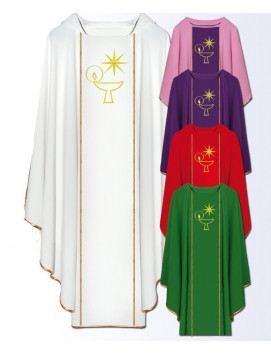
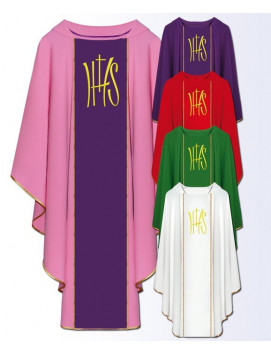
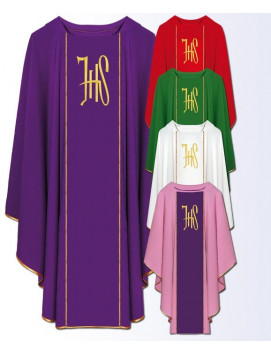
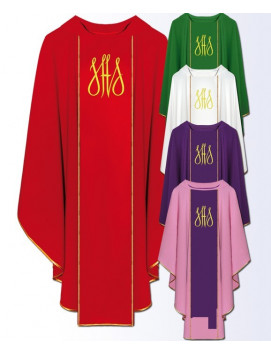
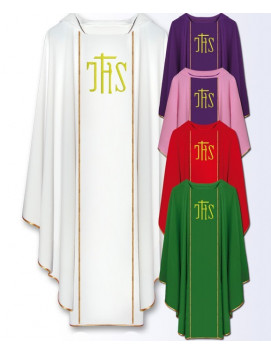
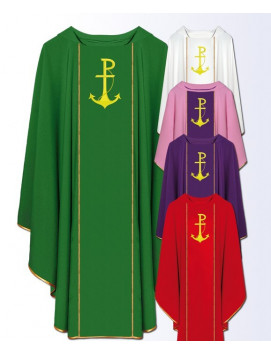
A gótikus miseruha egy liturgikus viselet – gondolj rá mint a fő külső ruhára –, amelyet papok viselnek a mise során, különösen a római katolikus, anglikán és egyes lutheránus egyházakban. A merev, dobozos római miseruhával szemben a gótikus miseruha széles, áramló formájáról, könnyű anyagáról és bőséges borításáról ismert, gyakran a csuklóig ér, és elegánsan a térdig vagy annál is lejjebb ér le. Ez a dizájn nem csak a megjelenésről szól; a liturgia során a kényelemről és a mozgásról szól. Műhelyünkben minden gótikus miseruha megrendelésre készül szabványos hosszúságokban (54"-62" hátsó hossz), és kérésre rövidíthető, így a pap választhat bővebb vagy keskenyebb szabást az orfrium elvesztése nélkül. A panelek könnyű brokát, lenkeverék és gyapjúkeverék anyagokból készülnek, a stóla és az orfrium kézzel hímzett IHS, Mária, kereszt és Szentlélek motívumokkal az öt liturgikus színben, a bíbortól és a zöldtől a vörösön, a fehéren és a rózsaszínen át. A méretek, anyagok és hímzési lehetőségek minden dizájn alatt felsorolásra kerülnek.
Alkategóriák
Római miseruhák
A római miseruha egy speciális stílusú liturgikus öltözet, amelyet papok viselnek, elsősorban a Római Katolikus Egyházban, de néhány anglikánus és luteránus hagyományban is. Ez az Eucharisztia ünnepe során viselt legkülső ruhadarab, amely a „Krisztus igáját” és a pap szent szerepét szimbolizálja az oltárnál.
Mária-miseruhák
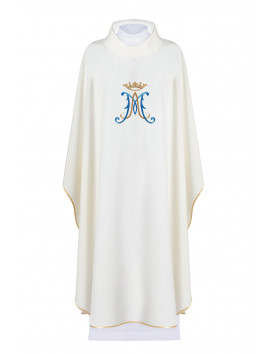
A mariánus miseruha egy különleges típusú liturgikus öltözet, amelyet papok viselnek, kifejezetten a Szűz Mária tiszteletére tartott ünnepeken és ünnepélyeken. Különösen Mária színeivel – elsősorban kékkel és fehérrel – tűnik ki, amelyek a tisztaságot, a reményt és Mária egyedülálló szerepét, mint Isten anyját szimbolizálják. Ezeket a miseruhákat gyakran díszítik mariánus szimbólumokkal, például rózsákkal, liliomokkal, csillagokkal, a tiszta szívvel, a rózsafüzérrel, vagy akár részletes képekkel magáról Máriáról is.
Miseruha szentekkel
Egy szent képét ábrázoló miseruha olyan liturgikus öltözet, amelyet a papság visel, elsősorban az Eucharisztia ünnepe során, és amelyen egy adott szent képe vagy szimbóluma van a szövetbe hímzve vagy szövve. Ez nem csupán díszítés. Ez egy hatásos módja annak, hogy tiszteletet adjanak a szenteknek, összekössék a híveket történeteikkel, és vizuálisan hangsúlyozzák az általuk képviselt értékeket és erényeket.
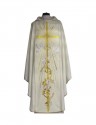
Esküvői miseruha
A esküvői miseruha egy miseruha, vagyis a legkülső liturgikus ruha, amelyet a pap visel a mise alatt, és amelyet kifejezetten esküvőkre terveztek. A katolikus egyházban ez a házassági szentség kiszolgáltatásakor használt fő ruha. Az esküvői miseruha határozza meg a szertartás hangulatát, és a tisztaságot, az örömöt valamint a házassági szövetség szentségét fejezi ki vizuálisan.
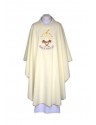
Karácsonyi miseruha
A karácsonyi miseruha a legkülső liturgikus ruha, amelyet a papok a Születés ünnepén és a karácsonyi időszak során viselnek. Tekintsd a pap öltözetének középpontjának, amely luxus anyagokból, mint a bársony, a damaszt vagy a brokát készül, és gyakran gazdag gótikus hímzéssel van ellátva. A színek? Szinte mindig fehér és arany. Miért? Mert ezek a színek a tisztaságot, az örömöt és Krisztus születésének dicsőségét hirdetik.
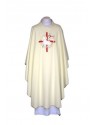
Húsvéti miseruhák
A húsvéti miseruha a húsvéti öröm végső szimbóluma – egy kézzel készített, gazdag jelentésű liturgikus ruha, amely a feltámadást éleszti minden gyülekezeti tag számára. Ha meg akarod érteni a húsvéti liturgia szívét, kezdd a miseruhával. Ez hagyomány, hit és ünnep – mindegyik egyetlen szövetbe fonva.
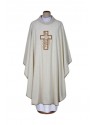
Vászon miseruhák
A vászon miseruhák egy olyan liturgikus ruha típusa, amelyet vászon anyagból készítenek. Gyakran használják a nehezebb ruhák helyettesítésére a nyári hónapokban, mert a vászon könnyű és nedvszívó. A vászon miseruhák különféle mintákkal és szimbólumokkal hímezhetők, például keresztekkel vagy szentek képeivel. Különböző stílusban kaphatók, beleértve a gótikus, római, félgótikus és kolostori stílust. A vászon miseruhák gyakran kézzel készülnek, és különböző online boltokból vásárolhatók. Olyan kialakításúak, hogy a pap a mise celebrálása során kényelmesen érezze magát, miközben betartják az egyház liturgikus színeit és hagyományait.
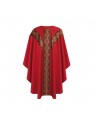
Félgótikus miseruha
A félgótikus miseruha egy liturgikus ruha, amelyet papok viselnek, és amely a klasszikus gótikus stílust a modern kényelemmel ötvözi. Ez az első számú választás azok számára a lelkészek számára, akik a hagyományt szeretnék, de nem áldozzák fel a mozgás könnyűségét vagy a stílust.
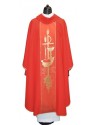
Piros miseruhák
A vörös miseruha a vezető liturgikus ruha, amelyet a papok bizonyos katolikus, anglikán és néhány protestáns szertartás során viselnek. Tekintsd egy nagy, flowing köpenynek – amelyet általában gazdag anyagokból, mint a selyem vagy a damaszt készítenek –, amely a vállakra borul és a test nagy részét takarja. A vörös miseruha nem csak a stílusról szól; tele van jelentéssel és hagyománnyal.
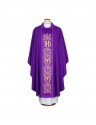
Lila miseruhák
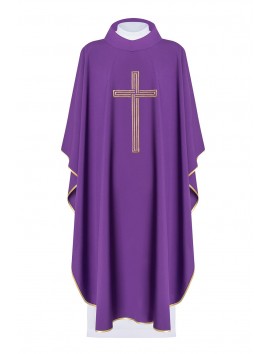
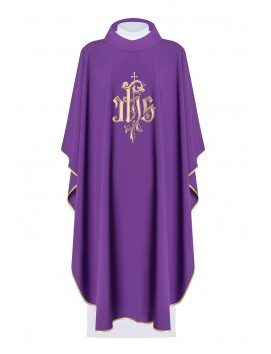
A lila miseruha egy különleges ruha, amelyet a papok a keresztény liturgikus naptár bizonyos időszakaiban viselnek. Ez nem bármilyen köpeny – ez a legkülső ruha, amely minden más fölé borul, és tele van szimbólumokkal. A lila (amit néha bíbornak is neveznek) a bűnbánatot, a felkészülést és a elmélkedést jelenti. Leginkább az advent és a böjt idején látható, de temetéseken és gyászeseményeken is megjelenik.
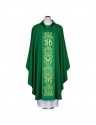
Zöld miseruhák
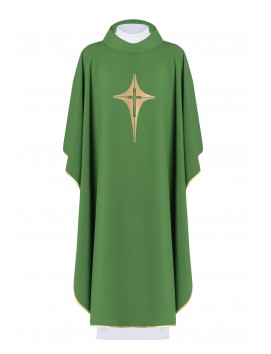
A zöld miseruhák az egyházi liturgikus miseruhák elengedhetetlen részei, amelyeket a papok a szokásos időszak miséin viselnek. Ezek az ezüstzöld színű ruhák fontos szimbólumot hordoznak, és az egyházi év során széles körben használatosak.
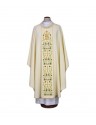
Ecru miseruhák
Az ecru miseruha egy liturgikus ruha, amelyet általában papok viselnek a mise alatt. A kiemelkedő jellemző? A színe ecru, ami egy világos bézs vagy krémszínű fehér. Ez nem csak a stílusról szól. Az ecru miseruha nyugalmat, tisztaságot és hagyományt kölcsönöz az oltárnak, ami miatt szertartásos ceremóniák és különleges liturgikus időszakok kedvence.
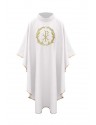
Fehér miseruhák
A fehér miseruha egy hosszú, ujjatlan köpeny, amely a bokáig ér le, és amelyet a papok a mise és a fő liturgikus ünnepségek során viselnek. A fehér szín nem véletlen – tele van jelentéssel. A fehér a tisztaságot, az ártatlanságot és az örömöt jelenti a katolikus hitben. Húsvétkor, karácsonykor, esküvőn, keresztségen és más nagy ünnepélyeken kerül bemutatásra.
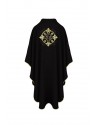
Fekete miseruhák
A fekete miseruha egy ujjatlan külső ruha, amelyet a papok bizonyos liturgikus szertartások során viselnek, leginkább temetéseken, gyászmiséken és a Halottak Napján. A fekete szín nem véletlen. Mély szimbólumai miatt választották: gyászt, bűnbánatot és a halál nyers valóságát, de egyben a hitből fakadó reményt is. Olyan világban, ahol a fehér és a lila egyre gyakoribb a temetéseken, a fekete miseruha kiemelkedik mint a hagyomány és a veszteség érzelmi súlyának bátra megemlékezése.
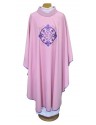
Rózsaszín miseruhák
A rózsaszín miseruha egy különleges liturgikus ruha, amelyet katolikus papok viselnek a mise alatt. Ez nem a mindennapi ruha – két egyedi vasárnapra van fenntartva minden évben: a Gaudete vasárnap (az advent harmadik vasárnapja) és a Laetare vasárnap (a böjt negyedik vasárnapja). Ezek az egyetlen alkalmak, amikor a rózsaszín (technikailag „rózsaszínnek” nevezik) feltűnik a szokásos liturgikus színek között.
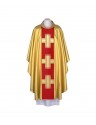
Arany miseruhák
Az arany miseruha egy fontos liturgikus ruha, amelyet a papok egyházi szertartások során viselnek. A hit gazdagságát és pompáját szimbolizálja, és részletesen arany hímzéssel és motívumokkal van kialakítva, ami egy kis eleganciát ad a vallási eseményekhez.
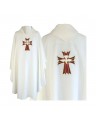
Miseruhák Szent...
A Szentlélek ábrázolással rendelkező miseruhák liturgikus ruhák, amelyeket papok viselnek, főként a katolikus hagyományban, és amelyek a Szentlélek szimbólumait tartalmazzák – leggyakrabban egy galambot, lángokat vagy más elemeket, amelyek a Lélek jelenlétét jelzik. Ezek a ruhák mélyen szimbolikusak, főként jelentős liturgikus ünnepségek során, mint a pünkösd, használják őket, és különféle stílusban és anyagban készülnek, hogy tükrözzék a hagyományt és a kortárs dizájnélkívánságokat.
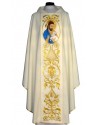
Miseruhák Jézussal
A Jézussal rendelkező miseruhák olyan liturgikus ruhák, amelyek Jézus Krisztus képeit vagy szimbólumait tartalmazzák. Ezek a miseruhák különféle stílusban és dizájnban kaphatók, beleértve a gótikus és római stílust. Egyes Jézussal rendelkező miseruhák Jézus életének képeit is tartalmazhatják, mint például a feltámadása vagy a születése. Mások Jézus szimbólumait tartalmazhatják, mint például a Szent Szívet vagy Jézus Krisztus Király képét. A Jézussal rendelkező miseruhák gyakran minőségi anyagokból készülnek, mint a selyem és a gyapjú, és részletes hímzéssel valamint arany brokát szegélyezéssel vannak díszítve.
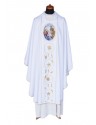
Miseruhák Szent Családdal
A Szent Családdal rendelkező miseruhák olyan liturgikus ruhák, amelyek a Szent Család képeit vagy szimbólumait tartalmazzák, amely Jézust, Máriát és Józsefet foglalja magában. Ezek a miseruhák gyakran gótikus dizájnnal vannak ellátva, és a katolikus hit szentségét kívánják reprezentálni. A Szent Családdal rendelkező miseruhák különféle stílusban és dizájnban kaphatók, beleértve a gótikus és római stílust. Gyakran minőségi anyagokból készülnek, mint a selyem és a gyapjú, és részletes hímzéssel valamint arany brokát szegélyezéssel vannak díszítve.
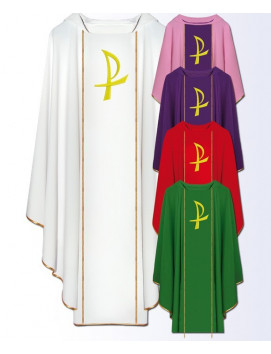
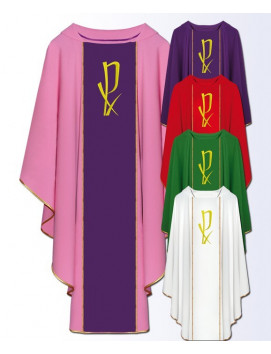
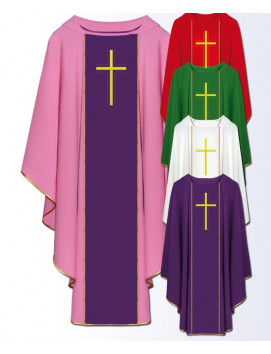
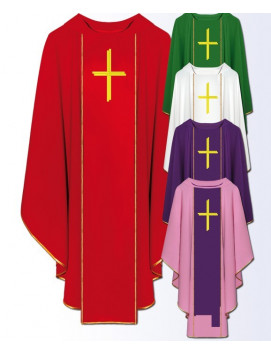
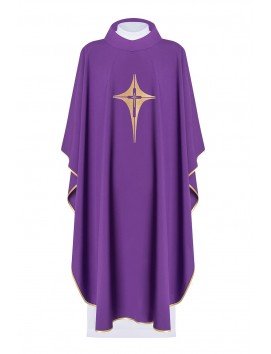
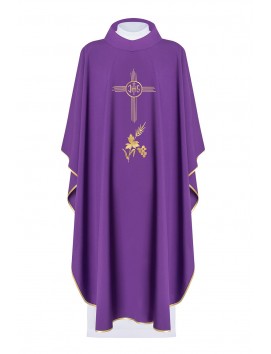
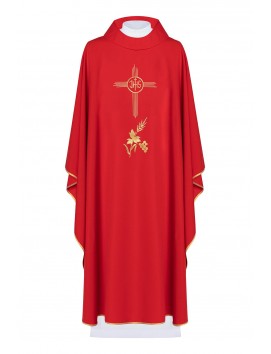
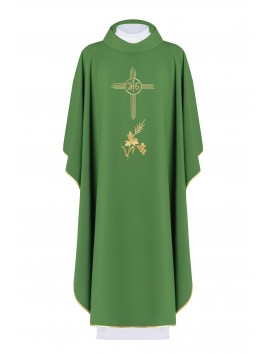
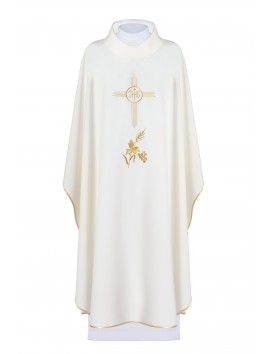
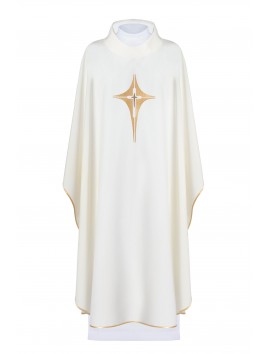
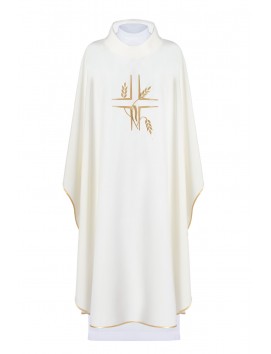
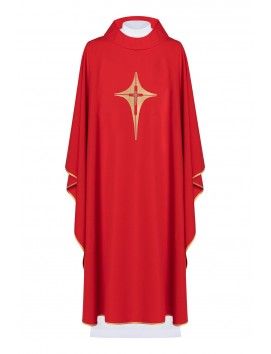
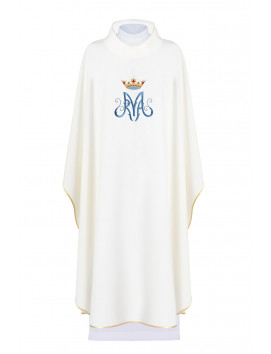
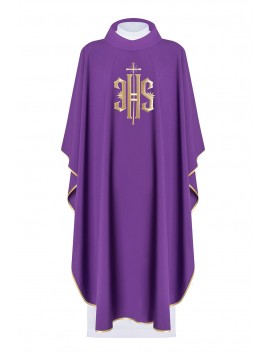
How is the Gothic chasuble used in Christian liturgy?
The Gothic chasuble is a priest's outermost vestment to celebrate the Eucharist in Western Christian traditions, mainly Roman Catholic, Anglican, and Lutheran churches. Its ample, flowing design isn’t just for show; it’s made to allow freedom of movement during the sacred rituals of the Mass.
How is the Gothic Chasuble Worn and Used?
Let’s keep it simple:
The priest puts on the Gothic chasuble over the alb and stole, right before Mass begins.
It covers the priest almost completely, symbolizing that he’s taking on the role of Christ for the congregation.
The chasuble’s color matches the liturgical season—white for celebrations, red for martyrdom or Pentecost, green for Ordinary Time, purple for penance, and so on.
During the Mass, the chasuble is a visible sign of the priest’s authority and his role as a servant of charity, literally “covering” him as he leads the congregation in worship.
Symbolism and Meaning
What matters most is that the Gothic chasuble isn’t just a uniform. It’s packed with meaning:
Charity: The chasuble represents charity, covering the priest as charity covers a multitude of sins.
The Yoke of Christ: By wearing it, the priest accepts the “yoke of Christ,” signifying his willingness to serve and sacrifice for the people.
Liturgical Colors: Each color tells a story—joy, sacrifice, hope, penance, or mourning—helping the congregation connect with the deeper meaning of each season or feast.
The Role of the Gothic Chasuble in the Mass
Celebration of the Eucharist: The Gothic chasuble is essential for the priest when celebrating the Eucharist, making him visually distinct and emphasizing the sacredness of the ritual.
Prayer and Preparation: Many priests recite a special blessing as they put on the chasuble, asking for the grace to bear Christ’s yoke with humility and love.
Visual Catechesis: The embroidery and symbols on the chasuble often teach and inspire, depicting biblical stories or Christian symbols to help the faithful reflect on the mysteries of faith.
How does a Gothic chasuble differ from a Roman chasuble?
The main difference between Gothic and Roman chasubles is the shape, fit, and overall vibe. The Gothic chasuble is about flow and freedom, while the Roman chasuble is about structure and tradition.
Shape and Fit
Gothic chasuble: Think elongated, wide, and flowing. It covers the priest’s shoulders and arms, often reaching the wrists. The design is loose, drapes beautifully, and allows for a full range of movement during the Mass. If you see a vestment resembling a medieval cloak, that’s the Gothic style.
Roman chasuble: This is the “fiddleback” style—shorter, stiffer, and more fitted. It leaves the arms mostly uncovered and has squared or curved edges, making it look almost like a broad scapular. The Roman chasuble is designed to be practical, especially for priests who want to move their arms freely without a lot of fabric getting in the way.
Decoration and Style
Gothic chasuble: Usually less ornate, with subtle embroidery. You often see a vertical or Y-shaped orphrey (decorative band) on the back and front. The focus is on simplicity and liturgical beauty, not flashy decoration.
Roman chasuble: Highly ornate, often featuring heavy embroidery, gold or silver thread, and large crosses or pillar orphreys. The flat, rigid panels are perfect for showing off elaborate designs. Check out the Roman style if you want to see craftsmanship and tradition on display.
Historical Context
Gothic chasuble: This style goes back to the Middle Ages and was revived in the 19th and 20th centuries as part of a movement to return to more ancient, fuller vestments. After Vatican II, the Gothic chasuble became even more popular due to its noble simplicity and focus on liturgical function.
Roman chasuble: Emerged during the Renaissance as a response to the need for a more practical, symbolic vestment. The “fiddleback” cut became the standard in many places, especially among traditionalist clergy.
Comfort and Function
Gothic chasuble: Prioritizes comfort and movement. The ample cut means the priest can easily raise his arms and move during the liturgy without restriction.
Roman chasuble: Prioritizes tradition and visual impact. The stiff, tailored fit can sometimes restrict movement, but many priests appreciate the sense of dignity and heritage it brings.
Quick Comparison Table
| Feature | Gothic Chasuble | Roman Chasuble |
|---|---|---|
| Shape | Elongated, flowing, ample | Short, stiff, fitted |
| Arm Coverage | Covers shoulders and arms | Leaves arms mostly free |
| Decoration | Subtle, Y-shaped orphrey | Ornate, heavy embroidery |
| Historical Period | Medieval, revived modern | Renaissance, Baroque |
| Comfort | High, easy movement | Moderate, more rigid |
| Liturgical Use | Common post-Vatican II | Favored by traditionalists |
Why Does This Matter?
Suppose you’re choosing a vestment or want to understand church tradition. Knowing how a Gothic chasuble differs from a Roman chasuble helps you appreciate the history, symbolism, and practical needs behind each style. Whether you prefer the flowing grace of the Gothic or the rich, ornate tradition of the Roman, both are potent symbols of faith and heritage.
What do the different colors of Gothic chasubles symbolize?
The different colors of Gothic chasubles aren’t just for style—they’re packed with meaning. Each color connects directly to the liturgical calendar, helping the congregation understand the spiritual focus of each season or celebration. Here’s what you need to know:
White: Joy, Purity, and Celebration
Symbolism: White stands for purity, joy, and victory.
When it’s used: Christmas, Easter, feasts of the Lord (except those related to His Passion), feasts of Mary, angels, and saints who weren’t martyrs.
Why it matters: White Gothic chasubles remind us of hope, new beginnings, and the glory of God.
Red: The Holy Spirit and Martyrdom
Symbolism: Red represents the Holy Spirit and the blood of martyrs.
When it’s used: Pentecost, feasts of martyrs, Good Friday, and Palm Sunday.
Why it matters: Red Gothic chasubles call attention to sacrifice, courage, and the fire of the Spirit.
Green: Ordinary Time and Growth
Symbolism: Green is all about life, growth, and hope.
When it’s used: Ordinary Time, the weeks outside major feast seasons.
Why it matters: Green Gothic chasubles keep us focused on spiritual growth and faithfulness in everyday life.
Purple (Violet): Penance and Preparation
Symbolism: Purple means penance, preparation, and humility.
When it’s used: Advent, Lent, and sometimes for funerals.
Why it matters: Purple Gothic chasubles set the tone for reflection, repentance, and getting ready for big celebrations.
Rose: Joy in the Midst of Penance
Symbolism: The Rose signifies joy and hope during a penitential season.
When it’s used: Gaudete Sunday (Advent) and Laetare Sunday (Lent).
Why it matters: Rose Gothic chasubles break up the seriousness of purple with a burst of encouragement.
Black: Mourning and All Souls
Symbolism: Black stands for mourning and remembrance.
When it’s used: All Souls’ Day, funerals (in some traditions).
Why it matters: Black Gothic chasubles help the community express grief and pray for the departed.
Gold: Highest Celebrations
Symbolism: Gold signals majesty, glory, and the highest feasts.
When used: Can replace white, red, or green on major solemnities.
Why it matters: Gold Gothic chasubles elevate the sense of celebration and honor.
Why Do These Colors Matter?
If you’re in the pews or leading the liturgy, understanding what the different colors of Gothic chasubles symbolize connects you to the deeper rhythm of the Christian year. These colors aren’t random—they’re a visual language that brings the story of faith to life, week after week.
What fabrics are typically used to make Gothic chasubles?
When making a Gothic chasuble, the fabric choice isn’t just about looks—it’s about comfort, drape, durability, and how well the vestment holds up during repeated use. Here’s what you need to know:
1. Damask
Damask is a classic choice for Gothic chasubles. It’s a woven fabric, often with intricate patterns, that looks rich and elegant. Damask can be made from silk, polyester, or blends, prized for its luxurious feel and visual depth. Many high-end Gothic chasubles feature damask, sometimes paired with velvet panels for extra detail and texture.
2. Wool
Wool is another traditional favorite, especially fine-suiting wool, wool crepe, or wool sateen. Wool chasubles are durable, drape beautifully, and resist wrinkles. They’re ideal for colder climates and formal liturgies, giving a classic look while keeping the wearer comfortable.
3. Silk
Silk, especially silk dupioni and silk damask, is chosen for its shimmering appearance and luxurious hand. Silk chasubles are often reserved for special occasions because of their elegance and the prestige associated with the fabric. However, silk does require more careful handling and cleaning.
4. Polyester
Polyester is the go-to for parishes on a budget or for vestments that need to stand up to frequent use. It’s lightweight, wrinkle-resistant, easy to wash, and holds its color well. Modern polyester fabrics can mimic the look of more expensive materials while being much easier to maintain.
5. Linen
Made from flax fibers, Linen is breathable and perfect for hot, humid climates. While not as common as wool or polyester, linen chasubles are valued for their coolness and natural feel. The downside? Linen wrinkles easily and can be harder to maintain.
6. Brocade and Blends
Brocade, often a blend of cotton and viscose or silk and polyester, is used for its ornate, raised patterns and rich look. These fabrics add a sense of grandeur to the chasuble and are favored for special feast days or solemnities.
7. Velvet (for Decoration)
While not usually the main fabric, velvet is often used for orphrey bands or decorative panels, adding depth and luxury to the overall design.
Why Fabric Choice Matters
Choosing the right fabric for a Gothic chasuble affects everything: comfort, appearance, durability, and even the message you send during worship. Polyester is your friend if you want something lightweight and easy to care for. If you’re after tradition and luxury, damask, wool, or silk are unbeatable options. For hot climates, linen is a smart pick.
How do I choose the right chasuble for a particular liturgical season?
The secret to choosing the right chasuble for a particular liturgical season is simple: match the color, fabric, and design to the meaning of the season and the needs of your parish.
1. Match the Liturgical Colors
Liturgical color is your first and most important filter. Here’s how I break it down:
Green: Used during Ordinary Time. It symbolizes hope, growth, and the ongoing journey of faith.
Purple (Violet): Worn in Advent and Lent. It stands for penance, preparation, and reflection.
White: Used for Christmas, Easter, feasts of the Blessed Virgin Mary, and saints who weren’t martyrs. It represents joy, purity, and celebration.
Gold: Sometimes replaces white for major feasts, adding a sense of majesty and glory.
Red: Used on Pentecost, Palm Sunday, Good Friday, and feasts of martyrs. It signifies the Holy Spirit, sacrifice, and the blood of martyrs.
Rose (Pink): Worn on Gaudete Sunday (Advent) and Laetare Sunday (Lent) to signal joy in the midst of penance.
Black: Reserved for funerals or All Souls’ Day, symbolizing mourning and remembrance.
2. Pick the Right Fabric
Choose a fabric that fits the season and the solemnity of the celebration:
Silk or brocade: Perfect for Christmas, Easter, and major feasts—these fabrics look rich and festive.
Wool: Great for Ordinary Time or funerals—durable and dignified.
Polyester is affordable, easy to clean, and comfortable for everyday use.
Linen or cotton: Lightweight and breathable, ideal for hot climates or long services.
3. Focus on Design and Motifs
The design and motifs should reflect the season’s spiritual focus:
Simple crosses or Eucharistic symbols: Appropriate for most seasons.
Remarkable embroidery: Angels, lilies, or saints for feasts and solemnities.
Minimalist designs: Best for penitential seasons like Advent and Lent.
4. Ensure Comfort and Fit
A chasuble should fit well—neither too long nor too short—and allow the priest to move freely. Comfort is key, especially during long liturgies or processions.
5. Coordinate with Church Decor
For major feasts, make sure the chasuble harmonizes with the church’s decorations for a cohesive, beautiful celebration.
6. Balance Quality and Budget
Invest in high-quality chasubles for big celebrations, but don’t overlook practical, affordable options for everyday use. Durability and easy care are just as important as looks.
What is included in a typical Gothic chasuble set?
A typical Gothic chasuble set isn’t just about the chasuble itself. It’s a complete package designed to equip the priest to celebrate Mass in style and function. Here’s what you’ll usually find:
1. The Gothic Chasuble
Main Vestment: The centerpiece is a flowing, full-cut garment with wide arms and ample drape. It’s designed for comfort, movement, and visual impact.
Fabric: Often crafted from damask, wool, silk, or high-quality polyester, with elegant orphrey bands or embroidery.
2. Matching Stole
Purpose: The stole is worn around the neck and hangs down the front, symbolizing the priest’s authority and service.
Design: Typically matches the chasuble in color, fabric, and decorative detail. In most sets, the stole features coordinating embroidery or orphrey bands for a unified look.
3. Chalice Veil (Sometimes Included)
Purpose: Used to cover the chalice before and after Communion, adding reverence and beauty to the liturgy.
Design: Made from the same fabric as the chasuble, often with matching trim or embroidery.
4. Maniple and Burse (Occasionally Included)
Maniple: A narrow band worn on the left arm, symbolizing service and sacrifice. Some traditional sets still offer it, while it is not always included or required in modern liturgy.
Burse: A square pouch carrying the corporal (a linen cloth for the altar). It’s less common today but may appear in traditional or deluxe sets like the maniple.
5. Care and Storage Accessories
Garment Bag: Some premium sets include a garment bag for safe storage and transport.
Care Instructions: Clear guidelines for cleaning and maintaining the vestments.
Why Does Each Piece Matter?
When you ask, “What is included in a typical Gothic chasuble set?” you’re asking how to ensure the priest is fully prepared for Mass. Each piece has a purpose:
The chasuble sets the tone for the liturgy and reflects the season or feast.
The stole is essential for the priest’s role and authority.
The chalice veil, maniple, and burse add layers of tradition and reverence, especially for high feasts or traditional celebrations.
How to Choose the Right Gothic Chasuble Set
Check what’s included: Not all sets are equal. Some only offer the chasuble and stole, while others include extra pieces.
Match your liturgical needs: If you celebrate in the Ordinary Form, you may only need the chasuble and stole. For the Extraordinary Form or special occasions, consider a complete set.
Quality matters: Look for durable fabrics, quality embroidery, and a comfortable fit.
What is the history behind the Gothic chasuble’s design?
The Gothic chasuble’s design is a transformation story shaped by centuries of worship, practicality, and artistic revival.
Origins: From Roman Cloak to Liturgical Vestment
The chasuble started as a simple, sleeveless outer garment in the Roman Empire, called the casula or “little house.” It was a conical, poncho-like cloak worn for warmth and protection. Early Christians adopted this garment for liturgical use, and by the 4th century, it was widely used by clergy as a symbol of honor and spiritual authority. Over time, the chasuble became exclusive to priests and bishops, marking their special role in worship.
Medieval Development: The Birth of the Gothic Chasuble
The chasuble evolved into a more ornate and symbolic vestment during the Middle Ages. The classic “Gothic” chasuble emerged, characterized by its wide, flowing shape, ample fabric, and graceful drape, allowing easy movement during Mass. This design was practical, letting priests raise their arms freely, and visually striking, often decorated with simple orphrey bands and subtle embroidery.
Renaissance and Baroque Changes: The Shift to Roman Style
By the Renaissance, liturgical fashion shifted toward more structured and ornate vestments. The chasuble was cut away at the sides and front to create the “Roman” or “fiddleback” style, which exposed the arms and made movement easier with stiffer, heavily embroidered fabrics. The Gothic chasuble’s fuller, flowing form became less common as the Roman style dominated church fashion in Europe.
19th-Century Gothic Revival: A Return to Medieval Roots
The 19th century brought a powerful Gothic Revival, championed by figures like Augustus Pugin, who believed the medieval Gothic style was the most fitting for worship. This movement rejected the rigid, ornate Roman chasuble in favor of the original, ample, dignified Gothic form. The revival made the Gothic chasuble popular again, especially in England, Australia, and among liturgical reformers who valued tradition and simplicity.
Modern Era: Liturgical Renewal and Lasting Influence
After the Second Vatican Council in the 20th century, there was a renewed interest in the Gothic chasuble’s historical shape and symbolic meaning. Modern Gothic chasubles blend traditional flowing lines with contemporary fabrics and embroidery, reflecting heritage and modern practicality. Today, the Gothic chasuble stands as a symbol of continuity, dignity, and the living tradition of Christian worship.
How do I care for and clean a Gothic chasuble?
Understanding its fabric and construction is the secret to caring for a Gothic chasuble. Whether you’re dealing with silk, wool, polyester, or damask, the right approach will keep your vestment pristine and ready for every liturgical season.
1. Read the Label First
Could you always check the care label? Most Gothic chasubles come with specific cleaning instructions based on their fabric and embroidery. If there’s no label, treat it as a delicate item.
2. Dry Cleaning Is Usually Best
Why dry cleaning? Most Gothic chasubles feature delicate embroidery, metallic threads, and high-quality fabrics like silk or wool. Dry cleaning preserves color, shape, and detail.
How often? Only as needed—over-cleaning can wear out the fabric. If the chasuble isn’t visibly soiled, air it out and store it properly instead.
3. Spot Cleaning for Small Stains
Act fast: If you spill wine or get a wax drip, gently blot (don’t rub) the area with a clean, damp cloth.
Mild detergent: Use a tiny amount of mild, non-bleach detergent diluted in water for stubborn spots. Test on an inconspicuous area first.
Avoid soaking: Never immerse the entire chasuble in water—this can damage embroidery and shrink delicate fabrics.
4. Ironing and Steaming
Low heat only: If you need to remove wrinkles, use a warm (not hot) iron. To protect delicate threads, place a clean cloth between the iron and the chasuble.
Steaming: A handheld steamer is great for freshening the vestment without direct contact.
5. Storage Tips
Hang it up: Use a padded hanger to keep the chasuble’s shape and avoid creases.
Cover it: Store it in a breathable garment bag to protect it from dust, moths, and sunlight.
Cool, dry place: Avoid direct sunlight and dampness, which can fade colors or cause mildew.
6. Handling and Wearing
Clean hands: Always handle your Gothic chasuble with clean, dry hands.
Avoid perfumes and sprays: These can stain or degrade delicate fabrics and embroidery.
Bonus: Emergency Care Kit
Keep a small kit with a lint roller, soft brush, and stain-removal pen (for emergencies only—test first!) in the sacristy. Quick action can save your vestment from permanent damage.
How much does a chasuble cost?
The price of a chasuble varies widely depending on the quality of materials, craftsmanship, embroidery, and whether you’re buying a basic model or a deluxe, custom-made piece.
Entry-Level and Standard Gothic Chasubles
Basic polyester or blended fabric chasubles start around €185–€350. These are simple, durable, and perfect for everyday parish use.
Standard models with damask or velvet details and quality embroidery typically range from €350–€580. This price bracket gets you a well-made vestment with elegant touches, suitable for most liturgical celebrations.
Mid-Range and Premium Gothic Chasubles
Mid-range chasubles with more elaborate embroidery, premium fabrics (like silk blends), or special liturgical designs usually cost €580–€770.
Premium or custom-made Gothic chasubles, especially those with hand embroidery, 100% silk, or unique motifs, can run from €770 to €1,000 or more.
High-End and Bespoke Options
Luxury and bespoke Gothic chasubles—crafted by renowned vestment makers, using the finest silks and hand-stitched goldwork—can easily exceed €1,000–€3,000 or more, especially from top-tier suppliers in the UK and Europe.
U.S. Dollar Price Range
Many U.S. retailers list standard Gothic chasubles between $200 and $750 for reference. Premium or custom pieces can range from $750–$1,200+.
What Affects the Cost of a Gothic Chasuble?
Fabric: Silk, damask, and velvet drive up the price. Polyester and blends are more affordable.
Embroidery: Hand embroidery, gold thread, and custom designs add significant cost.
Brand and Origin: European and bespoke makers charge more for craftsmanship and heritage.
Set Inclusions: Some prices include a matching stole or other accessories, which can add value.
Quick Price Guide (EUR)
| Type/Quality | Typical Price Range |
|---|---|
| Basic Polyester/Blend | €185–€350 |
| Standard Damask/Velvet | €350–€580 |
| Mid-Range Premium | €580–€770 |
| Hand-Embroidered/Silk | €770–€1,000+ |
| Bespoke/Luxury | €1,000–€3,000+ |
Chasuble styles & designs
Every chasuble we make follows one of four classic cuts, and the style you choose shapes both the look of the vestment and the way it wears during Mass. Within each cut you can pick the fabric, embroidery and liturgical color.
Gothic chasuble — the most flowing cut, with a wide semicircular shape, full arm coverage and a comfortable drape. It is the style most parishes choose for everyday and festive Masses.
Roman chasuble (fiddleback) — shorter, stiffer and tailored, with ornate embroidery and the classic T-cross. It suits traditional and solemn liturgies.
Semi-Gothic chasuble — slightly shorter and narrower than the Gothic cut, with a more tailored feel and good freedom of movement.
Monastic chasuble — a simple, unadorned design in plain fabrics such as wool or linen, favoured by religious orders.
Modern chasuble designs build on these four cuts: cleaner lines, lighter fabrics and contemporary embroidery motifs, while keeping the traditional shape and the liturgical colors. To go deeper, compare the different types of chasubles or read Gothic vs Roman chasuble.
Chasubles for every occasion and season
The liturgical calendar calls for specific colors: white and gold for Christmas and Easter, red for Pentecost, Good Friday and the feasts of martyrs, purple for Advent and Lent, green chasubles for Ordinary Time, and black for funerals and All Souls.
For the sacraments and special celebrations we offer dedicated designs: a wedding chasuble for the Sacrament of Marriage, a Christmas chasuble for the Nativity season and an Easter chasuble for the Resurrection. For ordinations and first Masses, see our ordination vestments guide.
Catholic chasubles for priests
A Catholic chasuble is the outermost vestment a priest wears for the celebration of the Eucharist, worn over the alb and stole. It is proper to the Mass in the Roman Catholic Church, and our sets follow that use: most of our chasubles come with a matching stole and all are available in the liturgical color of the day. For traditional parishes the Roman chasuble with its regional variations is the classic choice, while for everyday parish life the semi-Gothic cut is the practical one.
