
No products
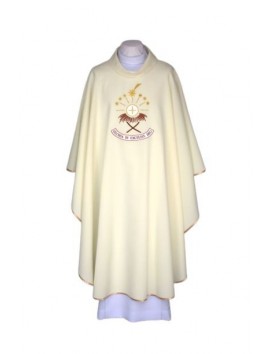
Christmas chasuble
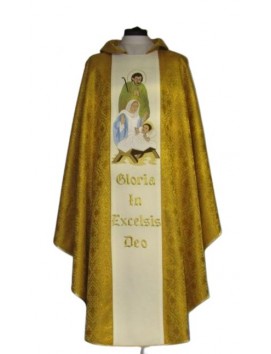
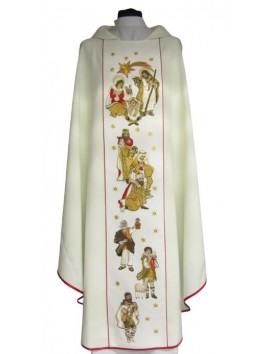
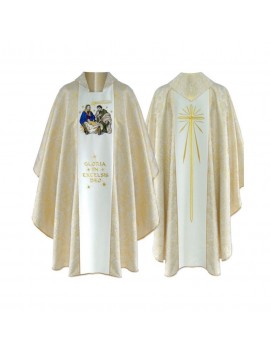
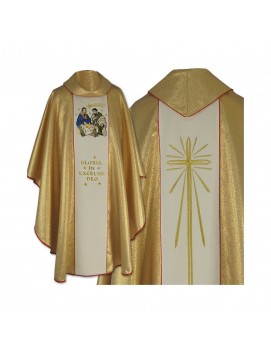
A Christmas chasuble is the outermost liturgical vestment worn by priests during the feast of the Nativity and throughout the Christmas season. Think of it as the centerpiece of the priest’s attire, made from luxurious fabrics like velvet, damask, or brocade, and often adorned with intricate Gothic embroidery. The colors? Almost always white and gold. Why? Because these colors shout purity, joy, and the glory of Christ’s birth.
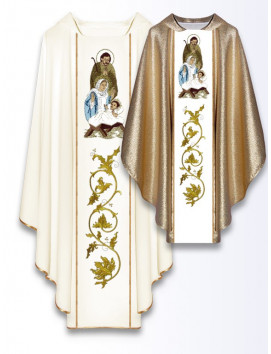
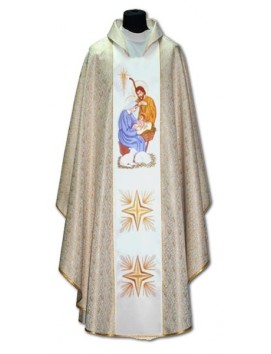

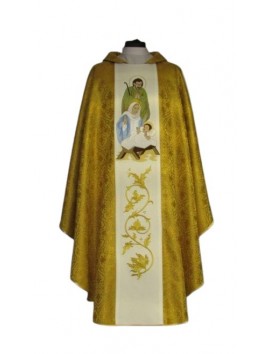


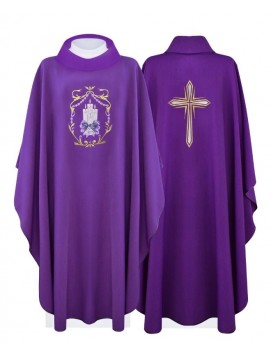
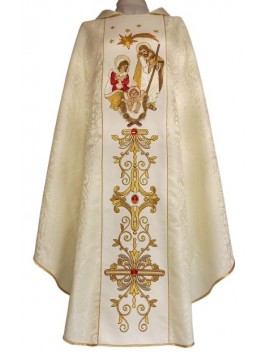
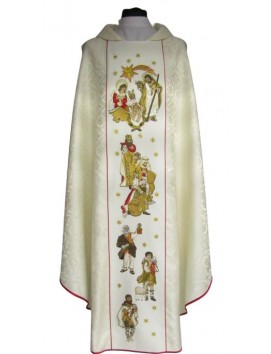

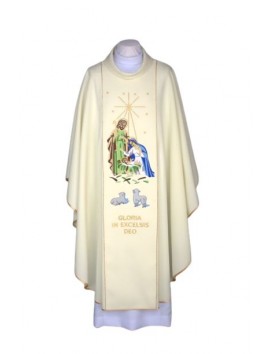


What is the Catholic vestment for Christmas?
Why White and Gold for Christmas Vestments?
Here’s the deal. The Catholic Church is intentional with color. For Christmas, priests wear vestments in white and gold. Why? Because these colors are all about purity, joy, triumph, and grandeur, they are the perfect fit for celebrating the birth of Jesus Christ. White and gold don’t just look good; they symbolize the light of Christ entering the world and the glory of His birth. You’ll see these colors at Christmas and Easter, All Saints’ Day, and major feast days.
What Exactly is a Christmas Chasuble?
Let’s break it down:
The chasuble is the outermost vestment a priest wears during Mass. For Christmas, it’s usually crafted from rich fabrics like velvet, damask, or brocade, and often features intricate embroidery.
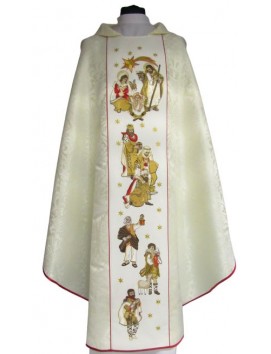
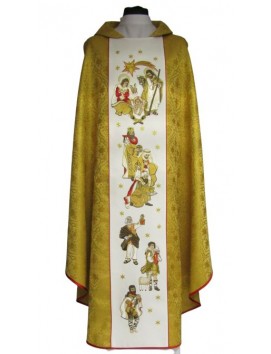
Designs often include symbols of the Nativity-think the Holy Family, Star of Bethlehem, or the Three Wise Men.
Styles can vary. Some are traditional Gothic, while others are Roman or “fiddleback” style. Each brings its flavor to the celebration.
It’s not just about looks. The Christmas chasuble is a visual sermon, telling the story of Christ’s birth through its colors and symbols.
What Other Vestments Are Worn?
While the chasuble is the star, the priest also wears:
Stole: A long, narrow strip of cloth, also in white or gold, symbolizing priestly authority.
Alb: The white robe underneath represents purity and the new life brought by Christ.
Cincture: A cord around the waist, symbolizing chastity and readiness.
Maniple (rare): An optional band worn on the arm, symbolizing service.
Why Does the Catholic Vestment for Christmas Matter?
Here’s why this matters for you and the Church:
It sets the tone. The white and gold vestments instantly signal Christmas is a time of joy and celebration.
It connects us to tradition. These vestments have been worn for centuries, linking today’s worship with the Church’s rich history.
It tells a story. Every color, stitch, and symbol is packed with meaning, drawing the congregation deeper into the mystery of Christ’s birth.
Key Takeaways
The Catholic vestment for Christmas is the Christmas chasuble, worn in white or gold.
These colors symbolize purity, joy, and the glory of Christ’s birth.
The vestment is more than clothing; it is a visual expression of faith, tradition, and celebration.
What is the history of the chasuble in Christian liturgy?
Origins: From Roman Cloak to Sacred Vestment
The chasuble started as everyday Roman outerwear. In the late Roman Empire, people wore a conical poncho called the paenula or casula-Latin for “little house.” It was a practical, sleeveless cloak that protected against the elements, worn by both men and women. Over time, as Christianity spread, early priests wore their best version of this garment during worship. The transition from everyday clothing to sacred vestment was gradual, but by the 6th century, the chasuble was recognized as the official attire for celebrating Mass.
Medieval Evolution: More Than Just Fabric
As the centuries rolled on, the chasuble evolved. In the Middle Ages, it became more elaborate, with intricate embroidery, gold thread, and symbols like crosses and lambs. The shape shifted, too. The garment was tailored to make it easier for priests to move during Mass, giving rise to regional styles like the wide, flowing Gothic chasuble and the shorter, more practical Roman chasuble.
Materials: Early chasubles were linen or wool. Later, silk, velvet, and brocade became popular, especially for major feasts.
Decoration: Hand-embroidered designs, gold braids, and symbolic motifs added visual richness and spiritual meaning.
Reformation and Beyond: Simplicity Returns
The Protestant Reformation in the 16th century shook up church traditions, including vestments. Some denominations ditched ornate garments, but the Catholic Church doubled down on the chasuble as a symbol of continuity and tradition. Designs became simpler and more functional, but the vestment’s symbolic power remained.
Post-Reformation: While some Protestant churches abandoned the chasuble, others, like Scandinavian Lutherans, kept it for communion services.
Anglican Use: The chasuble was rare in Anglicanism until the 19th-century Oxford Movement revived its use.
Modern Adaptations: Tradition Meets Comfort
Fast forward to the 20th century, especially after Vatican II. The chasuble got a makeover: lighter fabrics, modern embroidery, and a blend of traditional and contemporary styles. Today, you’ll see Gothic, Roman, and even custom-designed chasubles with symbols like the cross, dove, or sacred heart.
The Chasuble’s Deeper Meaning
Symbolism: The chasuble represents the “yoke of Christ” and the charity that should cover all. When a priest puts it on, he’s stepping into the role of “another Christ,” leading the congregation in worship.
Function: It’s the outermost vestment, covering all others, and reserved for the celebration of the Eucharist.
Quick Takeaways
The chasuble began as a Roman cloak and became the most prestigious Mass vestment.
Its design, materials, and symbolism have changed, reflecting shifts in theology and church culture.
Today, the chasuble is a visual and spiritual anchor in Christian liturgy, connecting centuries of tradition with every Mass.
What colors are used for Christmas chasubles, and what do they symbolize?
The Main Colors for Christmas Chasubles
When it comes to Christmas chasubles, the two colors you’ll see almost every time are white and gold. Here’s why these colors matter and what they mean:
White: This is the dominant color for Christmas chasubles. White stands for purity, joy, innocence, and the glory of Christ’s birth. It’s the color that shouts, “Something amazing has happened!” White is all about the divinity of Jesus, the light He brings into the world, and the new beginning that Christmas represents.
Gold: Sometimes you’ll see gold or white chasubles with gold accents. Gold is about royalty, majesty, and the solemnity of the celebration. The Church says, “This is a big deal.” Gold can even replace white to emphasize the importance and festivity of Christmas Mass.
Quick Recap:
White = Purity, joy, innocence, glory, divinity, new life
Gold = Majesty, royalty, solemnity, celebration
Why Not Other Colors?
You might wonder, “What about red, green, or purple?”
Red is used for feasts of martyrs, Pentecost, and the Passion, not Christmas.
Green is for Ordinary Time, symbolizing hope and growth, but not for Christmas.
Purple (or violet) is for Advent and Lent, representing penance and preparation, not the celebration itself.
The Deeper Symbolism
Here’s why the Church picks white and gold for Christmas chasubles:
White chasubles reflect the innocence and light of Christ. When a priest wears white at Christmas, it’s a visual sermon on the purity and hope Jesus brings into the world.
Gold chasubles highlight the royalty of Christ the King. Christmas isn’t just a birthday; it's the arrival of the King of Kings, and gold drives that message home.
Combined, these colors turn the Christmas liturgy into a celebration of light, hope, and divine glory.
Embroidery and Decoration: Adding Layers of Meaning
It’s not just about the base color. Christmas chasubles often feature embroidered symbols:
Stars of Bethlehem (guidance, revelation)
The Nativity scene (incarnation, humility)
The Magi (adoration, universality of Christ’s message)
Poinsettias, Madonna and Child, and angels, each adding more depth to the visual storytelling.
Key Takeaways
Christmas chasubles are almost always white or gold.
White symbolizes purity, joy, and the light of Christ’s birth.
Gold represents majesty, royalty, and the solemnity of the celebration.
These colors make the Christmas liturgy a feast for the eyes and the soul, visually reinforcing the meaning of the season.
What materials are commonly used to make Christmas chasubles?
The Top Materials for Christmas Chasubles
When it comes to Christmas chasubles, not all fabrics are created equal. Here’s what you’ll find most often:
Wool: Wool is a classic choice for Christmas chasubles. Why? It’s durable, drapes beautifully, and resists wrinkles. Wool keeps its shape and gives a formal, traditional look, perfect for solemn Christmas liturgies. If you’re in a colder climate, wool is a no-brainer because it insulates well and keeps the chasuble looking crisp all service long.
Silk: If you want luxury, silk is the gold standard for Christmas chasubles. It’s got a natural sheen, feels fantastic, and brings a sense of celebration to the Mass. Silk damask and silk dupioni are especially popular for their rich texture and color variety. The catch? Silk needs special care and is best reserved for major feasts like Christmas.
Polyester: For a budget-friendly and low-maintenance option, polyester is everywhere. It’s lightweight, easy to clean, and wrinkle-resistant. Polyester chasubles are perfect for parishes that need something practical without sacrificing style. The downside? It’s less breathable than natural fibers, but the tradeoff is worth it for many.
Brocade: Want something ornate? Brocade is a decorative fabric woven with patterns, often using gold or silver threads. It’s the go-to for elaborate Christmas chasubles that need to make a statement. Brocade is airy, crease-resistant, and brings instant visual impact to the liturgy.
Linen: Linen is less common for Christmas chasubles, but unbeatable for breathability and a natural look. It’s best for warmer climates and more casual liturgies. Just know it wrinkles easily, so it requires a bit more attention.
Blends (Wool/Polyester, Silk/Polyester, Cotton/Viscose): Sometimes, you’ll see chasubles made from blended fabrics. These combine the best features of each material, like the durability of polyester with the drape of wool or the sheen of silk. Cotton/viscose blends are also used for brocades, giving a soft feel with a rich look.
Why Material Choice Matters
Comfort: Priests wear chasubles for long services. The right fabric keeps things cool or warm, depending on the season.
Durability: Christmas chasubles are special, but they get used year after year. You want something that lasts and keeps its shape.
Appearance: The material affects how the chasuble drapes, catches the light, and holds embroidery or embellishments.
Care: Some fabrics need dry cleaning; others can be washed at home. Choose based on how much maintenance you want.
Quick Tips for Choosing Christmas Chasuble Materials
Go for wool or silk for tradition and elegance.
Pick polyester for easy care and affordability.
Choose brocade if you want your Christmas chasuble to stand out.
Consider blends for the best of both worlds: comfort, style, and longevity.
When is the Christmas chasuble worn during the liturgical year?
The Christmas Chasuble: Timing is Everything
The Christmas chasuble isn’t just for any Sunday. It’s reserved for the most joyful days in the Christian calendar. Here’s exactly when you’ll see it:
Christmas Eve and Christmas Day: The Christmas chasuble makes its first appearance at the Vigil Mass on Christmas Eve and is worn throughout all Christmas Day liturgies. This is the kickoff to the Christmas season, and the chasuble’s colors - white and gold - set the tone for celebration and reverence.
Christmas Season (Christmastide): The use of the Christmas chasuble doesn’t stop after December 25th. It continues to be worn throughout the entire Christmas season, extending from Christmas Day to the Feast of the Baptism of the Lord in early January. This includes major feasts like the Solemnity of Mary, Mother of God (January 1) and Epiphany (January 6).
Major Christmas Liturgies: Mass or liturgical celebration during Christmastide will feature the Christmas chasuble. If you’re attending Mass during this period, expect to see the priest in white or gold, often adorned with rich embroidery and symbols of the Nativity.
Why These Dates Matter
White and Gold Colors: The Christmas chasuble is almost always white or gold. These colors symbolize purity, joy, and the divine glory of Christ’s birth, making them perfect for Christmas.
Not for Advent or Ordinary Time: Don’t expect to see the Christmas chasuble during Advent (when purple is worn) or Ordinary Time (when green is used). The Church is strict about matching vestment colors to the liturgical season, and the Christmas chasuble is strictly for Christmas and its associated feasts.
Quick Takeaways
Worn from Christmas Eve through the Baptism of the Lord
Used for all Christmas Masses and major feasts within the Christmas season
Always in white or gold, never purple, green, or red during this period
Loaded with symbols of joy, purity, and the glory of Christ’s birth
What do the embroidered symbols (e.g., poinsettias, Madonna and Child) on Christmas chasubles mean?
Why Embroidery Matters on Christmas Chasubles
The embroidery on a Christmas chasuble is more than just a decoration. It’s a visual language that brings the message of Christmas to life. Every stitch and symbol is chosen to communicate the richness of the Christian faith and elevate the liturgy. When you see a chasuble adorned with detailed images, you look at centuries of tradition woven into one garment.
The Most Common Embroidered Symbols and Their Meanings
Let’s break down the most popular symbols you’ll find on Christmas chasubles and what each one means:
Poinsettias:
The red poinsettia’s leaves represent Christ’s blood, while the white poinsettia stands for purity and innocence.
Poinsettias also symbolize hope, peace, rebirth, and the festive spirit of Christmas. Their presence on a chasuble reminds them of Christ’s sacrifice and the promise of new beginnings.
Madonna and Child:
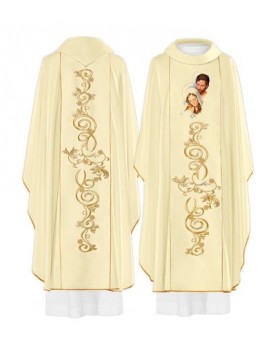
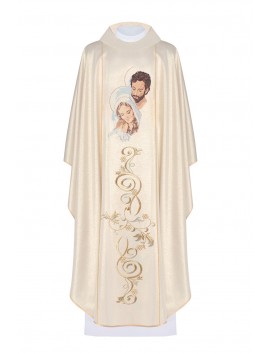
This iconic image captures Mary holding the baby Jesus. It’s a symbol of divine love, maternal care, and the mystery of the Incarnation.
Embroidered Madonna and Child motifs invite the congregation to reflect on the miracle of Christ’s birth and the role of Mary as Mother of God.
Star of Bethlehem:
The star guided the Magi to Jesus, symbolizing divine guidance, hope, and revelation.
On a chasuble, it’s a signpost pointing the faithful toward the true meaning of Christmas.
The Manager:
The humble cradle where Jesus was laid speaks to God’s choice to enter the world in poverty and simplicity.
It’s a powerful reminder of humility and the Incarnation.
The Magi (Three Wise Men):
Embroidered images of the Magi represent the adoration of Christ by all nations and the recognition of His kingship, divinity, and humanity.
Their gifts - gold, frankincense, and myrrh - are loaded with spiritual symbolism.
Angels:
Angels on chasubles symbolize the divine presence, protection, and the heavenly joy of Christmas.
They’re often depicted with musical instruments, celebrating the birth of Christ.
Holy Family:
Images of Jesus, Mary, and Joseph stand for love, unity, and the sanctity of the family.
This embroidery is a visual call to emulate the virtues of the Holy Family in everyday life.
Why All This Symbolism?
Visual Storytelling: Embroidered symbols on Christmas chasubles turn the vestment into a visual homily, helping the congregation connect emotionally and spiritually with the Christmas story.
Tradition and Continuity: These motifs link today’s celebrations with centuries of Christian art and devotion, keeping the faith alive in every detail.
Elevating the Liturgy: The beauty and meaning of these symbols help create a sacred atmosphere, making the Christmas Mass truly special.
Quick Recap
Poinsettias = Christ’s blood, purity, hope, and rebirth
Madonna and Child = Divine love, Incarnation, Mary’s role
Star of Bethlehem = Divine guidance and hope
Manager = Humility and God’s closeness
Magi = Adoration, kingship, universality
Angels = Divine presence and heavenly joy
Holy Family = Love, unity, sanctity of family
How do I choose the right size and fit for a Christmas chasuble?
Why Size and Fit Matter for a Christmas Chasuble
A chasuble that fits right isn’t just about looking good. It’s about:
Freedom of movement: Too long or too short, and you’re distracted or restricted during Mass.
Presence: The right fit enhances the solemnity and dignity of the liturgy.
Comfort: You’ll wear this for extended services, comfort is key.
Step-by-Step: How to Choose the Right Size and Fit
1. Know Your Height and Build
Chasuble sizing is usually based on your height and overall build.
Standard chasubles come in several lengths and widths, with most brands offering sizing charts matched to height ranges.
2. Check the Cut and Style
Gothic Cut: Semi-circular, lighter, and more practical for movement. Standard sizes range from 46” to 52” in length and 52” to 60” in width.
Monastic Cut: Slightly different proportions, but also uses length and width as the main measurements.
Roman (Fiddleback) Cut: Heavier, more ornate, and reaches almost to the ankles.
3. Use a Size Chart
Here’s a brief look at typical sizing for a monastic or gothic chasuble:
| Height Range | Length (inches) | Width (inches) |
|---|---|---|
| 5'6” to 5'8” | 52” | 60” |
| 5'9” to 5'10” | 54” | 60” |
| 5'11” to 6'0” | 56” | 60” |
| 6'1” to 6'2” | 58” | 60” |
| 6'3” to 6'4” | 60” | 60” |
For gothic chasubles, a standard size might be 130cm in length by 154cm in width, suitable for most adults.
The chasuble should generally fall below the knees, letting the alb show beneath.
4. Consider Custom Sizing
If you’re outside standard height/build, or want a tailored fit, many suppliers offer custom sizing-just provide your measurements (height and width across shoulders/wrist-to-wrist).
Custom orders may take longer, but the fit and look are worth it.
5. Double-Check Comfort and Mobility
Ensure the chasuble isn’t too tight at the shoulders or too long to trip over.
Try it on and move your arms-if it restricts you, size up or adjust the cut.
Pro Tips for the Perfect Christmas Chasuble Fit
Material matters: Lighter fabrics drape differently than heavier ones, so factor that into your sizing choice.
Lined vs. unlined: Lined chasubles may feel snugger; unlined ones are lighter and more flexible.
Check stitching and finishing: Quality construction means the chasuble retains shape and fit over time.
Quick Recap
Could you measure your height and build first?
Use the manufacturer’s size chart for the specific chasuble style.
Aim for a length that lands just below the knees.
Go custom if you’re between sizes or want a perfect fit.
Prioritize comfort and unrestricted movement - never sacrifice function for looks.
How should I care for a Christmas chasuble?
The Basics: Christmas Chasuble Care
Spot Clean First: The golden rule for Christmas chasuble care is prevention. Don’t eat or drink while wearing it, and avoid situations where it could get stained or snagged. If you get a spot, use a soft cloth with cool water and mild soap to dab-never rub-the area. Aggressive cleaners and bleach are out.
Dry Cleaning Is Best: For most Christmas chasubles, especially those with embroidery, gold or silver threads, or delicate fabrics, dry cleaning by a professional specializing in vestments is the safest bet. Never toss it in the regular wash.
Hand Wash Only If Allowed: If the manufacturer says it’s okay, you can handwash a simple, unembellished chasuble. Use lukewarm water and a gentle detergent, soak for 30 minutes, rinse well, and never wring it out. Pat dry with a towel and lay flat to finish drying.
No Machine Washing Unless Specified: Some modern, simple chasubles can handle a delicate machine wash in a laundry bag, but only if the label says so. Always use cold or lukewarm water, skip the spin cycle, and remove immediately to avoid creasing.
Ironing and Storing Your Christmas Chasuble
Iron With Care: If your Christmas chasuble gets wrinkled, iron it at a low temperature and always use a cotton cloth between the iron and the fabric, especially over embroidery. Never let the iron touch gold or silver threads directly.
Store in the Right Place: Hang your chasuble on a padded hanger in a dry, ventilated, and dark place-never in plastic or direct sunlight. Use a breathable garment bag (cotton or linen) to keep out dust and moths. Avoid humid spots like basements or attics.
Keep It Flat When Needed: If you must fold it, follow the natural lines and don’t fold in the same place every time to avoid permanent creases. Lying it flat and placing a clean, heavy object on top overnight can help remove stubborn wrinkles.
Pro Tips for Long-Lasting Christmas Chasubles
Check Regularly: Every few months, inspect for stains, loose threads, or moth damage. Fix issues right away to prevent bigger problems.
Avoid Moisture: Humidity is the enemy. Always store in a dry spot and use natural moth repellents like cedar or lavender instead of harsh chemicals.
Handle With Care: When putting on or removing your Christmas chasuble, avoid pulling on delicate embroidery or snagging the fabric.
Quick Recap
Please just spot clean immediately and avoid stains whenever possible.
Dry clean for best results-especially with embroidery or delicate fabrics.
Hand wash only if the label allows, using gentle detergent and cool water.
Iron at low temps, always through a cloth, and never directly on embroidery.
Store on padded hangers, in breathable bags, in a cool, dry, dark place.
Inspect and maintain regularly for a chasuble that lasts generations.
See every style and colour in our complete range of chasubles.