
No products
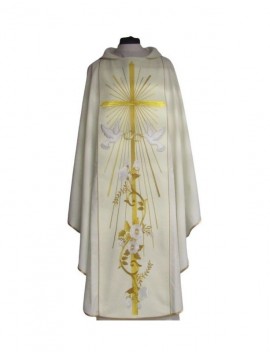
Wedding chasuble
A wedding chasuble is a chasuble, meaning the outermost vestment a priest wears during Mass, specifically designed for weddings. In the Catholic Church, it’s the go-to vestment for administering the Sacrament of Marriage. The wedding chasuble sets the tone for the ceremony, visually expressing purity, joy, and the sacredness of the matrimonial covenant.
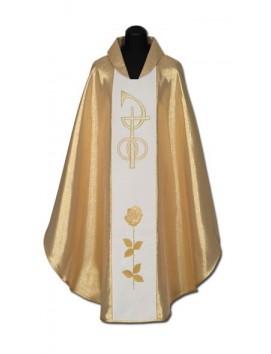
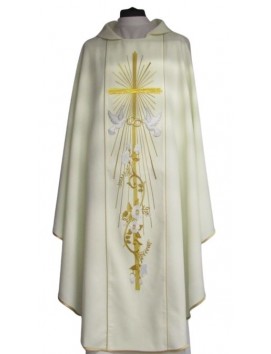
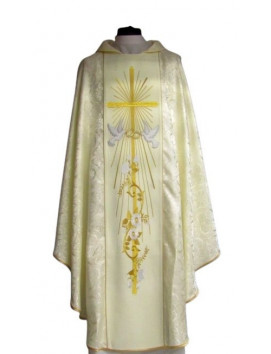

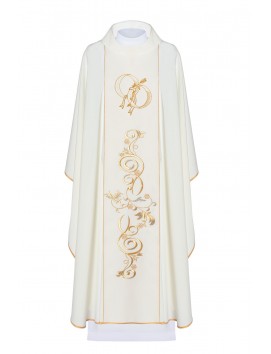
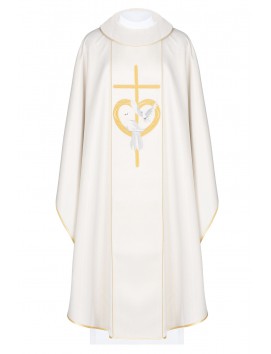

How the wedding chasuble used during the Sacrament of Marriage?
The wedding chasuble isn’t just a piece of clothing; it’s a powerful liturgical vestment that sets the tone for the Sacrament of Marriage. Here’s how it’s used and why it matters:
1. The Priest’s Role and Vesting
The priest officiating the wedding Mass dons the wedding chasuble as the outermost vestment. This isn’t just about looking the part- it’s about visually representing Christ’s love, charity, and the sacredness of the marriage covenant.
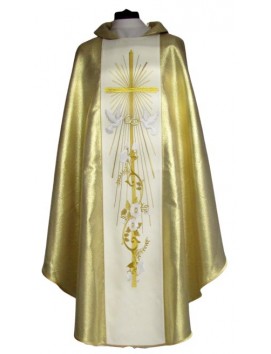
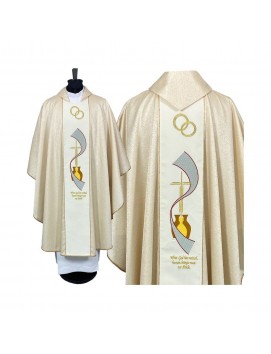
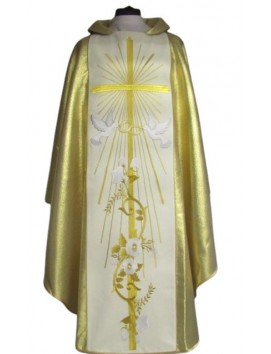
The wedding chasuble is almost always white or ivory, symbolizing purity, new beginnings, and joy. Some feature gold or silver details, delicate embroidery, or symbols of love like rings, doves, or the Holy Family.
2. During the Nuptial Mass or Ceremony
The wedding chasuble is worn throughout the entire celebration of the Sacrament of Marriage, especially during the exchange of vows, the blessing of rings, and the Eucharist (if there is a Mass).
Its presence visually anchors the ceremony in sacred tradition, reminding everyone that this is not just a legal contract, but a holy sacrament.
3. Symbolism and Blessing
The chasuble visually expresses the joy and solemnity of the occasion, reinforcing the idea that marriage is a covenant blessed by God.
In some traditions, like the Coptic Orthodox rite, the priest actually blesses the chasuble and may even vest the bride and groom with special chasubles, symbolizing their new spiritual roles as “family priests”-called to offer daily prayers and sacrifices on the altar of Christian love.
4. Special Rituals and Prayers
The priest prays over the chasuble, asking God to grant the couple “crowns of glory and honor, blessing and salvation, joy and happiness, virtue and justice, strength and stability.” This prayer ties the vestment directly to the couple’s new life together.
The chasuble and crowns in some rites mark the couple’s entry into a new spiritual family and their responsibility to build their home on faith, prayer, and unity.
5. Visual and Spiritual Focal Point
The wedding chasuble, with its bright color and meaningful symbols, becomes the visual centerpiece of the ceremony. It draws attention to the altar and the sacramental action taking place, elevating the spiritual atmosphere for everyone present.
What colors are appropriate for a wedding chasuble?
The color of the wedding chasuble isn’t just a style choice- it’s a powerful symbol. Here’s what you need to know:
1. White: The Classic Choice
Symbolism: White is the traditional color for a wedding chasuble. It represents purity, joy, new beginnings, and the sacred nature of the marriage covenant.
When to Use: White is always appropriate for weddings and is the go-to color for most Catholic and Christian ceremonies.
Why It Works: White visually anchors the ceremony in the themes of innocence, light, and celebration, precisely what a wedding is about.
2. Ivory or Cream: Elegant Alternatives
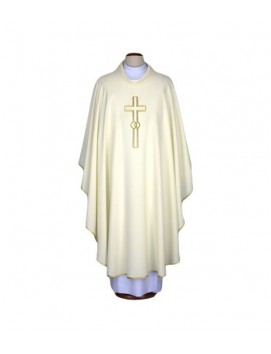
Symbolism: Ivory and cream carry the same meaning as white - purity, joy, and festivity, but with a warmer, softer look.
When to Use: These shades are perfect if you want something a little different from pure white, but still want to keep the traditional symbolism intact.
Why It Works: Ivory and cream add a touch of elegance and refinement, blending beautifully with gold or silver accents.
3. Gold and Silver Accents: Festive Touches
Symbolism: Gold and silver represent royalty, light, and the glory of God. They’re not usually the main color but are often used as accents or embroidery on white or ivory chasubles.
When to Use: Gold or silver details are ideal for adding festivity and solemnity to the wedding liturgy.
Why It Works: These metallic touches elevate the chasuble, making the celebration feel even more special.
4. What About Other Colors?
Red, Green, Purple: These colors are reserved for other liturgical seasons and occasions, not weddings.
Blue: Sometimes used for Marian feasts, but not traditional for weddings.
Rule of Thumb: Stick with white, ivory, cream, and tasteful gold or silver for weddings.
Quick Tips for Choosing a Wedding Chasuble Color
Match the liturgical tradition: White, ivory, or cream are always safe and meaningful choices.
Look for festive details: Gold or silver embroidery, lace, or symbols of love (rings, doves, hearts) add the perfect touch.
Coordinate with the ceremony: Make sure the chasuble’s color and style align with the overall wedding theme and church decor.
What symbols are commonly featured on wedding chasubles?
Wedding chasubles are beyond beautiful garments - they’re visual sermons. Every symbol embroidered or woven onto a wedding chasuble is chosen for its deep spiritual meaning and ability to capture Christian marriage's essence.
1. Intertwined Wedding Rings
Meaning: The most iconic symbol on a wedding chasuble, intertwined rings represent eternal love, fidelity, and the unbreakable bond of marriage.
Why it matters: When the priest wears a chasuble with wedding bands, it visually reinforces the lifelong commitment the couple is making.
2. Doves
Meaning: Doves symbolize peace, purity, and the presence of the Holy Spirit.
Why it matters: Two doves together often represent the couple’s unity and the spiritual harmony at the heart of their marriage.
3. Hearts
Meaning: Hearts are a universal sign of love and devotion.
Why it matters: Embroidered hearts on a wedding chasuble remind everyone that love is the foundation of the sacrament.
4. The Holy Family or Saintly Images
Meaning: Images of the Holy Family (Jesus, Mary, and Joseph) or saints connected to marriage highlight the sacredness and spiritual roots of the union.
Why it matters: These symbols encourage the couple to look to holy examples as models for their new life together.
5. Crosses
Meaning: The cross represents Christ’s sacrifice, the centrality of faith, and the blessing of God over the marriage.
Why it matters: A cross on the chasuble anchors the ceremony in the Christian faith and reminds the couple of the sacrificial love they are called to live out.
6. Tapestry of Life or Floral Motifs
Meaning: Some wedding chasubles feature a “Tapestry of Life” design or floral patterns, symbolizing growth, beauty, and the unfolding journey of marriage.
Why it matters: These motifs add elegance and emphasize the couple’s new beginning.
7. Gold and Silver Accents
Meaning: Gold and silver threads or embellishments stand for the glory of God, festivity, and the preciousness of the sacrament.
Why it matters: These accents elevate the chasuble, making the celebration feel truly special and sacred.
Quick List: Common Wedding Chasuble Symbols
Intertwined rings
Doves
Hearts
Holy Family or saintly images
Crosses
Tapestry of Life/floral motifs
Gold and silver embroidery
Why Do These Symbols Matter?
They teach: Every symbol is a visual catechism, reminding the couple and congregation of the more in-depth meaning behind the vows.
They inspire: These designs elevate the ceremony, making it not just a legal event but a sacred, unforgettable celebration.
They personalize: Many couples choose custom wedding chasubles, adding symbols, dates, or icons that reflect their unique faith journey.
Can a wedding chasuble be reused for other ceremonies or sacraments?
1. Designed for Weddings, But Not Limited to Them
A wedding chasuble is specifically crafted for the Sacrament of Marriage. It’s usually white or cream, decorated with symbols of love and unity like intertwined rings, doves, or the Holy Family. But here’s the key: while its primary role is at weddings, a wedding chasuble doesn’t have to be a one-time-use vestment.
2. Perfect for Anniversaries and Vow Renewals
You can reuse a wedding chasuble for other celebrations, focusing on marriage and unity. Think:
Wedding anniversaries: Marking milestone years with the same chasuble adds meaning and continuity.
Renewal of vows: The symbolism of love, fidelity, and new beginnings fits perfectly.
3. Other Sacramental Celebrations
Because the chasuble is a liturgical vestment, it can be worn at any Mass or sacramental celebration where its color and symbolism are appropriate. For example:
Baptisms or festive Masses: If the chasuble is white or cream and not overly decorated with wedding-specific symbols, it may be used for other joyful sacraments.
Funerals or special blessings: White chasubles are sometimes used for funerals or other rites, provided the design is discreet and not overtly matrimonial
4. Design Is relevant for Versatility
Opt for a wedding chasuble with elegant but subtle embroidery if you want maximum flexibility. Avoid oversized or concrete wedding imagery if you plan to reuse it for other sacraments. Discreet symbols or classic Christian motifs (like crosses or the Holy Family) make the vestment suitable for a broader range of liturgical celebrations.
5. Liturgical Norms and Community Preferences
Check parish guidelines: Some communities have specific preferences or traditions about vestment use, so it’s always smart to check local norms.
Quality and durability: Modern wedding chasubles are made to last and should not be single-use. Investing in quality means you can use the vestment for years across multiple occasions.
Quick Tips for Reusing a Wedding Chasuble
Choose white or cream for the most liturgical flexibility.
Select designs with universal Christian symbols for broader use.
Use for anniversaries, vow renewals, and other joyful sacraments.
Avoid highly personalized embroidery if you want to keep your options open.
Always follow care instructions to maintain its beauty and longevity.
What materials are used to make wedding chasubles?
When it comes to wedding chasubles, the choice of material isn’t just about style- it’s about comfort, durability, and the sacred atmosphere you would like to create. Here’s what you’ll find in the finest wedding chasubles:
1. Silk
Why it’s used: Silk is the gold standard for wedding chasubles. It’s lightweight, luxurious, and has a natural sheen that radiates celebration and solemnity.
Benefits: Breathable, drapes beautifully, and instantly elevates the look of any vestment.
Best for: High-profile weddings, solemn liturgies, or when you want the chasuble to be the visual centerpiece.
2. Brocade
Why it’s used: Brocade is a richly decorated fabric, often woven with metallic threads. It’s perfect for festive occasions like weddings.
Benefits: Adds texture, depth, and a sense of grandeur. Brocade chasubles often feature intricate patterns that complement wedding symbolism.
Best for: Traditional or ornate ceremonies, or when you want to make a statement with your vestment.
3. Damask
Why it’s used: Damask is another classic fabric for wedding chasubles, known for its subtle, elegant patterns woven into the fabric.
Benefits: Soft, durable, and visually rich without being overwhelming.
Best for: Elegant, understated weddings or when you want a timeless look.
4. Linen and Cotton Blends
Why they’re used: Linen is light, elegant, and dries quickly, making it a practical choice for vestments that need to breathe and move easily. Cotton adds softness and absorbency.
Benefits: Comfortable, easy to care for, and perfect for warmer climates or summer weddings.
Best for: Simple, outdoor, or warm-weather ceremonies.
5. Viscose and Polyester Blends
Why they’re used: Blending natural fibers like viscose or linen with polyester adds strength, flexibility, and wrinkle resistance.
Benefits: More affordable, durable, and easy to maintain. After repeated use and cleaning, Polyester also helps the chasuble keep its shape and color.
Best for: Parishes on a budget or anyone seeking a vestment that can handle frequent wear.
6. Specialty Fabrics and Embellishments
Tulle: Used for decorative overlays, lace, or accents, adding lightness and a festive touch.
Gold and Silver Thread: Used in embroidery to add elegance, symbolism, and a sense of the sacred.
Pearls and Precious Stones: Occasionally used for high-end, custom chasubles to add sparkle and luxury.
Quick Tips for Choosing Wedding Chasuble Materials
For elegance and tradition: Choose silk, brocade, or damask.
For comfort and practicality: Opt for linen, cotton, or blends with polyester/viscose.
For a festive look: Seek out gold or silver embroidery, lace, or subtle decorative accents.
For durability, polyester blends and reinforced seams have kept the chasuble looking great for years.
How should a wedding chasuble be cared for and cleaned?
1. Always Start With the Care Label
Every wedding chasuble comes with a care label. This is your first checkpoint. Always follow the manufacturer’s instructions for washing, drying, and ironing to avoid damaging delicate fabrics or embroidery.
2. Gentle Cleaning Is Key
Handwashing: For most wedding chasubles, especially those made from silk, brocade, or with intricate embroidery, handwashing is safest. Use cool or lukewarm water and a mild detergent. Gently agitate - don’t soak for too long or scrub hard.
Machine Washing: If the label allows, use a gentle cycle and place the chasuble in a laundry bag to protect it from snags and wear. Always use mild soap and cold water.
Spot Cleaning: Blot immediately with a soft cloth and cold water for minor stains. Avoid rubbing, which can damage threads or set the stain. Use a non-bleach stain remover, but always test on an inconspicuous area first.
3. Avoid Harsh Chemicals
Never use bleach or strong detergents. These will break down fibers, fade colors, and ruin embroidery. Please stick to mild, eco-friendly detergents designed for delicate fabrics.
4. Proper Drying Techniques
Air Dry Only: Hang the chasuble in a shaded, well-ventilated area. Never dry in direct sunlight - this fades colors and weakens fabric.
Use a Fabric-Covered Hanger: Always dry and store your chasuble on a wide, fabric-covered hanger to maintain its shape and prevent stretching or creasing.
No Tumble Drying: High heat can shrink or damage delicate materials. Air drying is always best.
5. Ironing and Steaming
If ironing is necessary, use a low-heat setting. Place a cloth between the iron and the chasuble to protect the embroidery and fabric. Alternatively, use a garment steamer for gentle wrinkle removal.
Never iron directly on embroidery or metallic threads - this can flatten or melt the details.
6. Storage Matters
Store your wedding chasuble in a cool, dry, and dark place. Avoid plastic bags; use a breathable garment bag to protect against dust and humidity.
Don’t fold the chasuble; hanging preserves its shape and prevents stubborn creases.
7. Professional Cleaning for Intricate or Heavily Embroidered Chasubles
Professional dry cleaning by a specialist in liturgical garments is recommended for chasubles with extensive embroidery or delicate fabrics. You can schedule this every six months or after primary use to keep your vestment pristine.
8. Regular Maintenance and Inspection
Check your chasuble regularly for loose threads, stains, or minor tears. Please address repairs immediately to avoid further damage.
Handle the chasuble by the lining or under the collar, not by the collar itself, to keep it clean and avoid stretching delicate areas.
Are there different styles of wedding chasubles?
Absolutely. Wedding chasubles come in a range of styles, shapes, and decorative approaches. Each style brings its vibe to the ceremony, from classic elegance to modern simplicity.
1. Gothic Wedding Chasuble
Shape & Cut: The Gothic chasuble is known for its full, flowing cut and rounded or pointed neckline. It drapes beautifully, creating a sense of solemnity and grandeur.
Features: Often crafted from luxurious fabrics like brocade or damask, Gothic wedding chasubles are commonly adorned with gold or silver embroidery, featuring symbols of love, unity, or the Holy Family.
Why Choose It: If you want a traditional, elegant look with plenty of visual impact, the Gothic style is a top choice. It’s also highly customizable for embroidery and sizing.
2. Roman Wedding Chasuble
Shape & Cut: Also called the "fiddleback," the Roman chasuble is more structured and tailored, with a distinctive cutaway at the sides for greater arm movement.
Features: Typically features ornate embroidery, sometimes with gold thread, and is often paired with matching stoles. The Roman style is a nod to centuries of Catholic tradition.
Why Choose It: Perfect for those who love classic liturgical aesthetics and want a vestment that stands out for its heritage and formality.
3. Modern and Low Gothic Styles
Shape & Cut: These chasubles offer a more contemporary take, with slightly slimmer cuts and lower necklines for comfort and ease of movement.
Features: Still elegant, but often a bit lighter and less voluminous than the traditional Gothic cut. Modern wedding chasubles may feature metallic thread, subtle patterns, or minimalist embroidery.
Why Choose It: Great for priests who prefer a less bulky vestment or want a modern look without sacrificing tradition.
4. Custom and Embroidered Styles
Customization: Many couples and parishes opt for custom-made wedding chasubles, choosing unique embroidery (rings, doves, hearts, or even Marian images), personalized dedications, or special colors and fabrics.
Why Choose It: Custom chasubles allow you to incorporate personal or parish symbolism, making the vestment a true reflection of the couple’s faith journey.
5. Color and Fabric Variations
Colors: While white and cream are the most traditional for weddings (symbolizing purity and joy), you’ll also find options with gold or silver accents for extra festivity.
Fabrics: Common choices include silk, brocade, damask, and lightweight blends. The fabric you choose affects both the look and the comfort of the chasuble throughout the ceremony.
How to Choose the Right Style of Wedding Chasuble
Match the Ceremony’s Tone: Gothic for classic elegance, Roman for traditional formality, modern for simplicity and comfort.
Consider Embroidery & Symbols: Look for symbols that resonate - rings, doves, hearts, the Holy Family, or Marian images.
Think About Practicality: Choose a cut and fabric that will be comfortable for the entire ceremony, especially if you’re celebrating in a warm or crowded church.
Personalize if Desired: Don’t hesitate to order a custom chasuble with names, dates, or special icons that make the vestment uniquely meaningful.
Browse the full range of Catholic chasubles for weddings and every other celebration.