
No products
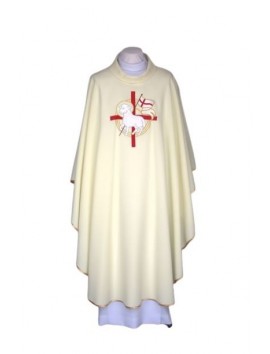
Easter chasubles
Easter chasuble is the ultimate symbol of Easter joy- a handcrafted vestment, rich in meaning, that brings the Resurrection to life for every congregation member. If you want to understand the heart of the Easter liturgy, start with the chasuble. It’s tradition, faith, and celebration-all woven into one.
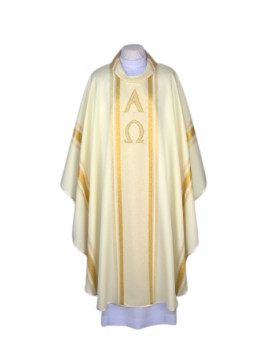
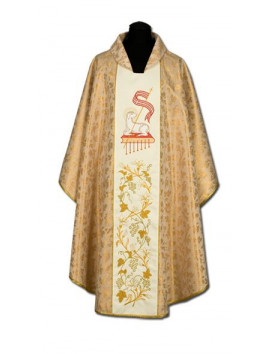
Gold chasuble Alpha and Omega (A3) Gold chasuble Alpha and Omega (A3)
Gold chasuble Alpha and Omega (A3) Gold chasuble Alpha and...
$ 2421Review
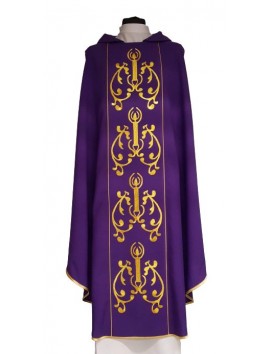
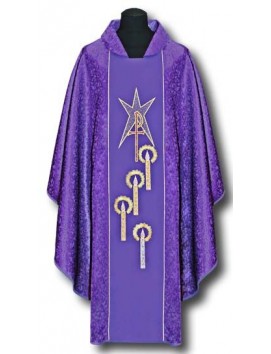






Why are white and gold the preferred colors for Easter chasubles?
The Real Reason White and Gold Dominate Easter Chasubles
When it comes to Easter chasubles, white and gold aren’t just pretty-they’re powerful. Here’s why these colors matter:
White: This isn’t just about looking clean or fresh. White stands for purity, light, joy, and the victory of Christ’s Resurrection. It’s the color of new beginnings, forgiveness, and the light breaking through darkness. When you see a priest in a white chasuble on Easter, please think of the empty tomb and the radiant hope that comes with it.
Gold: Gold is all about triumph, glory, and kingship. It’s the color of royalty, the ultimate celebration, and the eternal glory of Christ. Gold takes everything up a notch-it’s used to highlight the most important feasts, making Easter feel like the “queen of feasts” in the church year.
Why Not Other Colors?
You might be curious-why not red, green, or purple? Here’s the deal:
Red is for martyrs and Pentecost-think fire and sacrifice.
Green is for ordinary time, symbolizing growth and hope.
Purple is for Lent and Advent, seasons of penance and preparation.
White and gold are reserved for the big celebrations-Easter and Christmas-because they scream joy, victory, and glory.
The Symbolism Runs Deep
Let’s break down the symbolism even more:
White: Purity, innocence, peace, resurrection, forgiveness, new life
Gold: Eternal glory, kingship, triumph, heavenly celebration, richness
These colors aren’t just chosen for aesthetics-they’re a visual catechism. Whenever you see white and gold on Easter chasubles, you get a front-row seat to the story of Christ’s victory over death.
How White and Gold Shape the Easter Experience
Here’s what makes white and gold essential for Easter chasubles:
They set the tone: When you walk into a church and see white and gold, you know it’s a time for joy and celebration.
They connect us to tradition: Generations have used these colors to mark Easter as the most important feast in the Christian calendar.
They teach without words: Even if you don’t know the theology, the colors tell the story- resurrection, hope, and glory.
Quick Takeaways
White and gold are the preferred colors for Easter chasubles because they symbolize purity, joy, resurrection, and the eternal glory of Christ.
These colors make Easter the ultimate celebration in the Christian year.
Every detail, from the fabric to the embroidery, reinforces the message of victory and new life.
What is the historical significance of the chasuble in Easter celebrations?
The Chasuble: From Roman Cloak to Sacred Vestment
The story of the chasuble starts way back in ancient Rome. Initially, it was a practical, all-weather cloak called the paenula or casula, literally “little house”-worn by everyday people to keep warm and dry. As Christianity spread, early Christians adopted this garment for worship, and by the 6th century, it had become the official attire for priests during Mass.
Why does this matter? The chasuble’s transformation from streetwear to sacred vestment mirrors the Church’s growth and the increasing importance of visual symbols in worship. Over the centuries, the chasuble evolved from simple linen to richly decorated silk and velvet, reflecting the Church’s desire to honor the sacred mysteries, especially during Easter.
Why the Chasuble Matters at Easter
Easter is the high point of the Christian year, celebrating Christ’s resurrection. The chasuble takes on special significance here:
Symbol of Joy and Victory: During Easter, priests wear chasubles in white or gold. White stands for purity, joy, and the victory of light over darkness. Gold ramps the sense of triumph and glory, underlining Easter’s message of Christ’s kingship and resurrection.
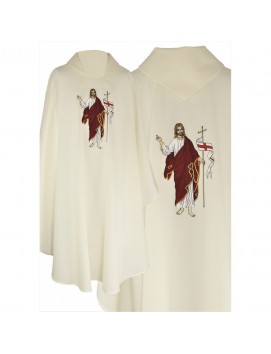
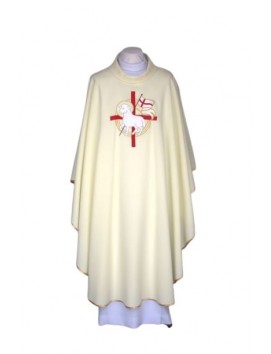
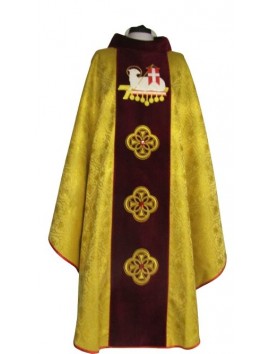
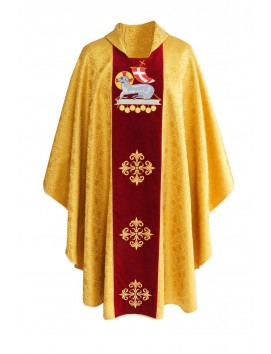
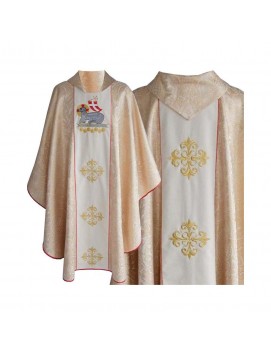
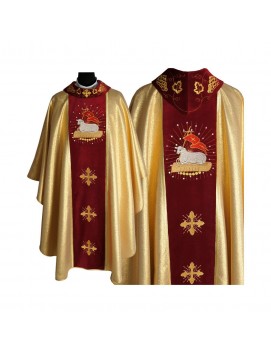
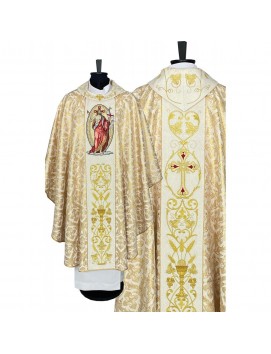
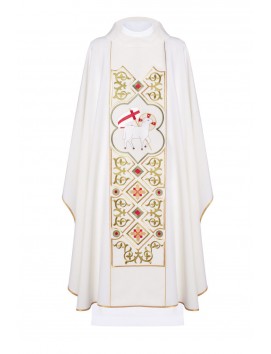
Visual Catechesis: The chasuble becomes a teaching tool. Embroidered with symbols like the Lamb of God or the Risen Christ, it visually tells the story of Easter, helping the congregation grasp the core truths of the faith.
Priestly Identity: By donning the chasuble, the priest steps into the role of “another Christ” (alter Christus), acting in Christ’s name and making the mysteries of Easter present to the people.
How the Chasuble Evolved for Easter
Let’s break down the evolution:
Early Days: A simple, full-body garment, the chasuble, enveloped the priest, symbolizing being “clothed in Christ.”
Middle Ages: The chasuble became more ornate, with embroidery and symbols specific to the Resurrection, turning it into a canvas for Christian artistry.
Modern Era: Today’s Easter chasubles are masterpieces, often hand-embroidered and crafted from luxurious materials, designed to reflect both ancient tradition and contemporary faith.
Quick Facts: Chasuble and Easter
Worn by priests and bishops as the outermost vestment during Mass
Evolved from a Roman cloak to a symbol of priestly office and the Resurrection
White and gold are the preferred colors for Easter, symbolizing joy, purity, and Christ’s victory.
Embroidery often features Resurrection themes: the Lamb of God, “Alleluia,” or garden imagery.
Serves as a visual catechism, teaching the faithful through art and symbolism
What symbols are commonly embroidered on Easter chasubles, and what do they mean?
The Most Common Symbols on Easter Chasubles (And Their Meanings)
When it comes to Easter chasubles, embroidery isn’t random. Every stitch tells a story. Here’s what you’ll see most often:
The Cross: The cross is the central symbol of Christianity. On Easter chasubles, it represents Christ’s sacrifice, His victory over death, and the promise of resurrection. It’s a reminder that Easter is all about new life through Christ’s triumph.
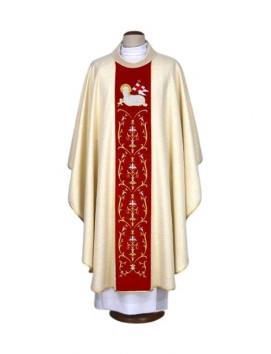
The Lamb of God (Agnus Dei): You’ll often spot a lamb, sometimes carrying a victory banner. This is Jesus as the sacrificial lamb-He takes away the sins of the world and conquers death. Easter vestments represent the Resurrection and Christ’s role as the perfect offering.
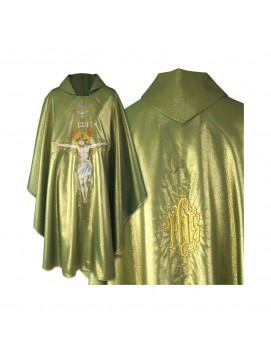
Resurrected Christ: Some chasubles feature Christ Himself, often with hands raised toward heaven. This image celebrates the core of Easter: Christ risen, alive, and victorious. It’s a visual proclamation of the Resurrection.
Chi-Rho: This ancient symbol, formed by superimposing the first two letters of “Christ” in Greek, stands for Christ’s authority and divinity. When you see it on a chasuble, it’s a bold statement that everything in the liturgy is done in Christ’s name.
Alpha and Omega: These Greek letters, the first and last of the alphabet, symbolize Christ is the beginning and the end. On Easter chasubles, they reinforce the eternal nature of Jesus and His victory over time and death.
Floral and Garden Motifs: Think lilies, vines, or blooming flowers. These aren’t just pretty-they symbolize new life, rebirth, and the hope that comes with Christ’s Resurrection. Easter is all about renewal, and these motifs make that message clear.
Victory Banners and Rays of Light: Sometimes, you’ll see banners or radiant beams. These elements drive home the theme of victory: Christ has conquered death, and the light of Easter breaks through the darkness.
Why These Symbols Matter
Let’s break it down:
They teach without words: Embroidery on Easter chasubles is visual catechesis. Even if you don’t know the theology, these symbols tell the Easter story at a glance.
They connect us to tradition: These designs have been used for centuries, linking today’s celebrations to the Church's earliest days.
They set the tone: The correct symbols make Easter Mass feel like the celebration it is-joyful, triumphant, and full of hope.
Quick Reference: Easter Chasuble Symbols & Meanings
| Symbol | Meaning |
|---|---|
| The Cross | Christ’s sacrifice and victory over death |
| Lamb of God | Jesus as the sacrificial lamb, Resurrection |
| Resurrected Christ | Celebration of Christ’s victory and new life |
| Chi-Rho | Authority and divinity of Christ |
| Alpha & Omega | Christ as the beginning and end |
| Floral Motifs | New life, rebirth, hope |
| Victory Banners | Triumph, Resurrection, light over darkness |
How do Easter chasubles differ from those used in other liturgical seasons?
The Big Difference: Color
The most apparent way Easter chasubles differ from those in other liturgical seasons is color. Here’s the breakdown:
Easter Chasubles: Always white or gold. Why? White and gold are the ultimate symbols of joy, purity, and the Resurrection. They shout victory, celebration, and new life, which Easter is about.
Other Seasons: Each has its color code:
Advent and Lent: Purple or violet, for penance and preparation.
Christmas: White or gold, sharing the theme of celebration.
Ordinary Time: Green, symbolizing growth and hope.
Pentecost and Martyrs’ Feasts: Red, for the Holy Spirit and the blood of martyrs.
Special Days: Pink (rose) for rare joyful pauses during Advent and Lent, black for mourning (rarely used today).
Symbolism and Embroidery
Easter chasubles aren’t just about color-they’re about symbols. During Easter, you’ll see:
Resurrection Motifs: Lamb of God, the Risen Christ, crosses, rays of light, and floral patterns-all pointing to resurrection and new life.
Gold Thread and Rich Embroidery: Easter vestments often go all-out with elaborate designs, emphasizing the importance of the season.
Other seasons have their symbols:
Lent: Simpler, more somber designs, sometimes with thorns or crosses.
Ordinary Time: Subtle, natural motifs like vines or wheat, reflecting growth.
When They’re Worn
Easter Chasubles: Worn from the Easter Vigil through the entire Easter season, which lasts 50 days. These chasubles are reserved for the year's most joyful, triumphant celebrations.
Other Chasubles: Rotated according to the liturgical calendar, marking everything from preparation (Lent) to everyday faith (Ordinary Time) to sacrifice (martyrs’ feasts).
Quick Comparison Table
| Season | Chasuble Color(s) | Symbolism | Typical Embroidery/Motifs |
|---|---|---|---|
| Easter | White, Gold | Joy, Resurrection | Lamb of God, Risen Christ, floral |
| Advent/Lent | Purple, Violet | Penance, Preparation | Thorns, crosses, simplicity |
| Christmas | White, Gold | Celebration, Light | Nativity, stars, angels |
| Ordinary Time | Green | Growth, Hope | Vines, wheat, nature |
| Pentecost | Red | Holy Spirit, Martyrs | Flames, doves, blood |
| Special Days | Pink, Black | Joy, Mourning | Varies |
What materials are typically used to make Easter chasubles?
The Top Materials for Easter Chasubles
When it comes to Easter chasubles, not all fabrics are created equal. Here’s what you’ll find in the best vestments:
Silk: The gold standard. Silk is luxurious, has a natural sheen, and drapes perfectly. It’s been the top choice for centuries because it screams celebration and reverence.
Brocade: Think rich, decorative patterns woven right into the fabric. Brocade often features gold or silver threads, giving Easter chasubles that extra pop of opulence and detail. Perfect for major feasts like Easter.
Satin: If you want a smooth, glossy finish, satin delivers. It’s elegant, durable, and adds a touch of modern flair while still respecting tradition.
Polyester: Don’t sleep on polyester. It’s affordable, wrinkle-resistant, and easy to maintain. Modern polyester fabrics can mimic the look of silk or brocade, making them a practical option for parishes on a budget or needing durability for frequent use.
Wool is a solid pick for colder climates or a more traditional feel. It’s durable, drapes well, and brings a classic touch to the chasuble game.
Linen: Lightweight and breathable, linen is ideal for warmer climates. It offers a more natural, simple look, but wrinkles more easily.
Blended Fabrics: You’ll also see blends like wool/polyester, silk/polyester, or cotton/viscose. These combine the best qualities of each material-think comfort, durability, and a great look.
Embellishments That Matter
The material is just the start. Easter chasubles are often hand-embroidered with gold or silver threads, especially with symbols like the Lamb of God, the Risen Christ, or Alpha and Omega. These embellishments aren’t just decorative-they reinforce the meaning of Easter and make the vestment an actual work of art.
Why Material Choice Matters for Easter Chasubles
Let’s break it down:
Visual Impact: Silk and brocade catch the light and make the chasuble stand out during the most important liturgy of the year.
Durability: Polyester and wool ensure the vestment will last for years, even with frequent use.
Comfort: Linen and blends keep the priest comfortable, no matter the climate.
Symbolism: The fabric's richness reflects Easter's glory and triumph.
Quick Tips for Choosing Easter Chasuble Materials
Go for silk or brocade if you want tradition and luxury.
Pick polyester for practicality and budget-friendliness.
Choose wool or linen based on climate and comfort.
Look for hand-embroidered designs for maximum visual and symbolic impact.
How do I choose the right Easter chasuble for my parish or community?
Know the Liturgical Season
First, Easter chasubles are all about the Resurrection. That means white or gold is non-negotiable; these colors symbolize purity, joy, and the victory of Christ. Skip the guesswork: if it’s Easter, you want white or gold, sometimes with touches of green for regeneration.
Focus on High-Quality Materials
Material matters. Easter is the year's most important celebration, so don’t cut corners. Look for:
Silk, brocade, or velvet for a luxurious, traditional feel
Linen or cotton for breathability and comfort
Polyester blends for easy care and durability
Hand-embroidered details and quality fabric show respect for the liturgy and will last for years.
Pick the Right Style and Cut
There’s more than one way to wear a chasuble. Here’s what you need to know:
Roman (Fiddleback): Traditional, ornate, and heavy, great for solemn, formal settings
Gothic (Semi-Circular): Lighter, more practical, and easier to move in
Modern Cuts: Simpler lines, sometimes with a belt, for a contemporary look
Make sure the cut fits the priest comfortably and doesn’t restrict movement.
Choose Meaningful Decorations
Easter chasubles should feature symbols of the Resurrection- think the Lamb of God, the Risen Christ, Alpha and Omega, or rays of light. Embroidery should be detailed and high quality, not just for beauty, but to reinforce the message of Easter.
Match the Church’s Decor
The chasuble should harmonize with your church’s interior. A cohesive look elevates the whole celebration and keeps the focus on the liturgy, not clashing colors or styles.
Set a Realistic Budget
Quality comes at a price, but there are options for every parish. Decide your budget upfront, then find the best quality and craftsmanship you can afford. Remember: a well-made chasuble investment will serve your community for years.
Prioritize Comfort for the Priest
If the priest isn’t comfortable, it shows. Ensure the chasuble is lightweight enough for long celebrations, breathable, and fits well. Comfort is key to a reverent, distraction-free liturgy.
Quick Checklist: How to Choose the Right Easter Chasuble
Stick to white or gold for Easter.
Choose high-quality, durable materials.
Pick a style and cut that fits your liturgical tradition and the priest’s needs.
Look for meaningful, Resurrection-themed embroidery.
Make sure it matches your church’s decor.
Stay within your budget.
Ensure comfort and fit for the priest
Explore the full range of Catholic chasubles for Easter and the whole liturgical year.