
No products
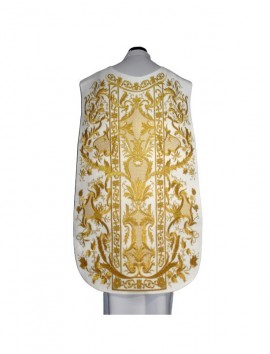
Roman chasubles
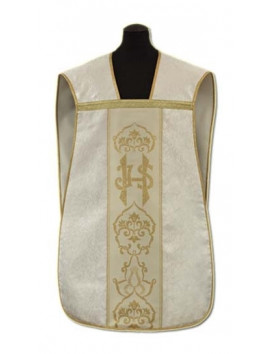
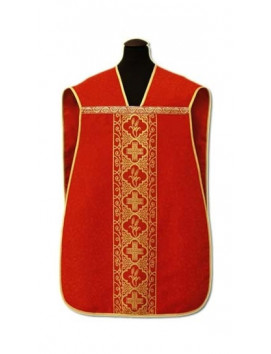
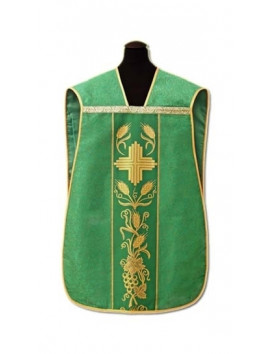
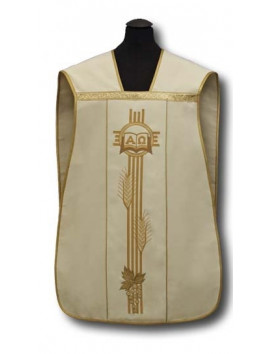
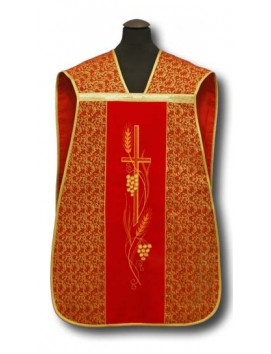
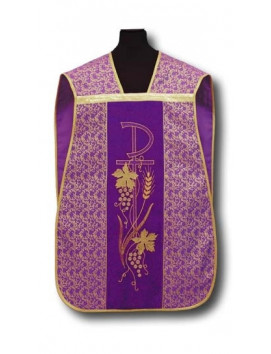
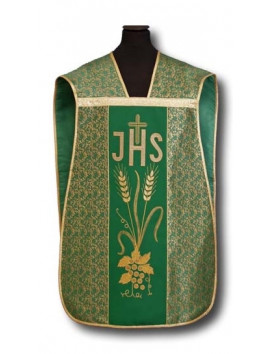
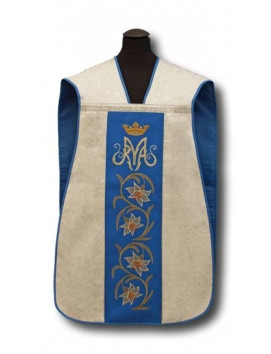
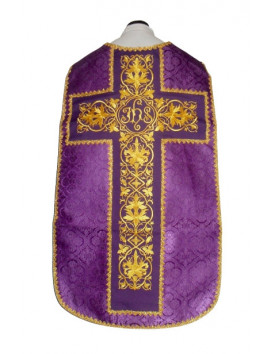
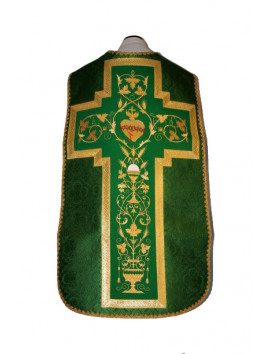
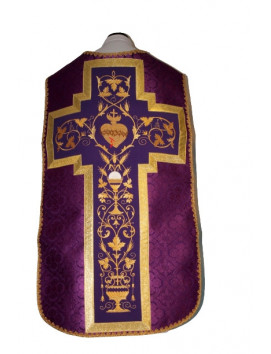
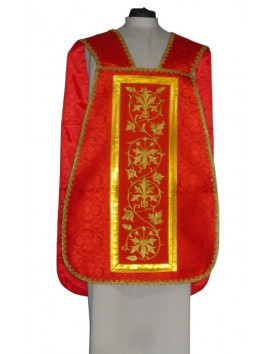
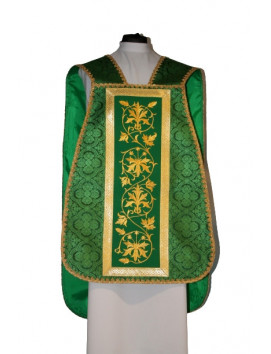
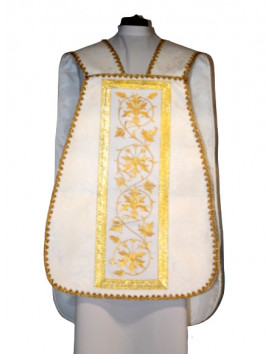
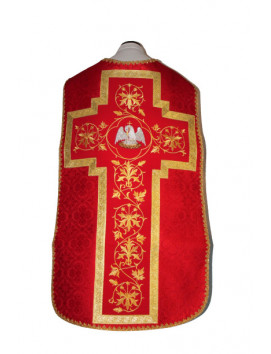
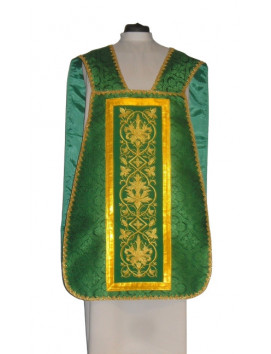
A Roman chasuble is a specific style of liturgical vestment worn by priests, most commonly in the Roman Catholic Church, but also in some Anglican and Lutheran traditions. It’s the outermost garment for the celebration of the Eucharist, designed to symbolize the “yoke of Christ” and the priest’s sacred role at the altar.
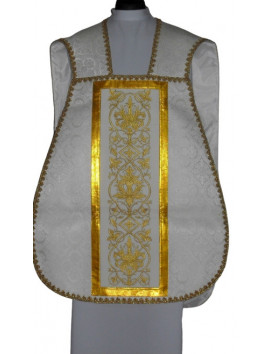
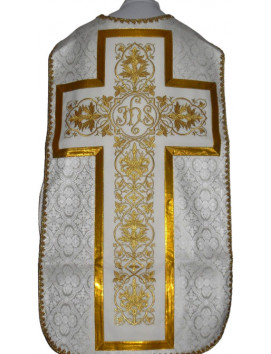
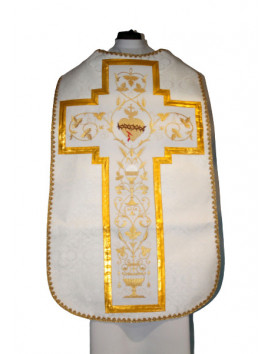
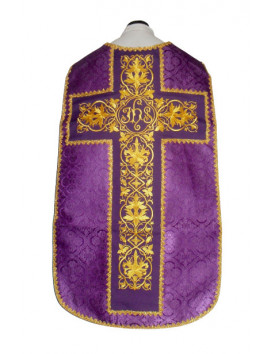
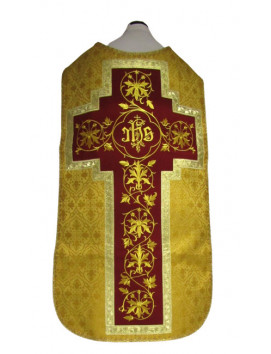
Roman chasuble (8) - damask Roman chasuble (8) - damask
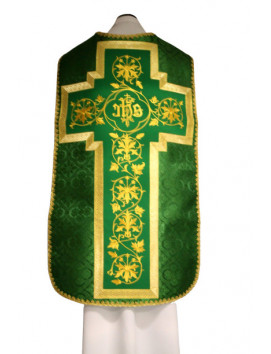
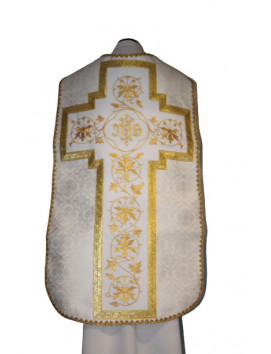
Roman chasuble (8) - damask Roman chasuble (8) - damask
$ 1871Review
What is the difference between Gothic and Roman chasubles?
Gothic Chasuble: Flowing, Functional, and Medieval-Inspired
Shape & Fit: The Gothic chasuble is elongated and flowing. It drapes over the shoulders, often reaching the wrists, and allows for significant arm movement. Consider it a generous, oval-shaped garment with no stiff corners, just smooth lines.
Movement: Designed for flexibility. If you’re serving at the altar and need to move your arms, the Gothic style gives you that freedom.
Decoration: Typically less ornate than the Roman. You’ll see column orphreys (decorative bands) and sometimes a “Y” cross on the back, but the overall look is more restrained.
History: Traces back to the medieval period, revived in the 19th-century Gothic Revival. Seen as a return to liturgical simplicity and noble beauty, especially after Vatican II.
Roman Chasuble: Stiff, Short, and Ornate
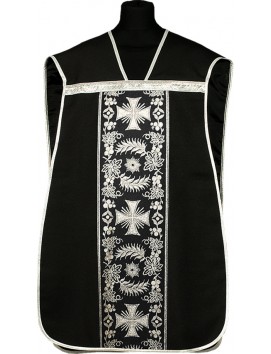
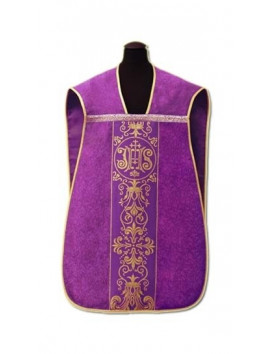
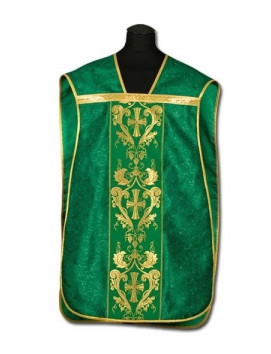
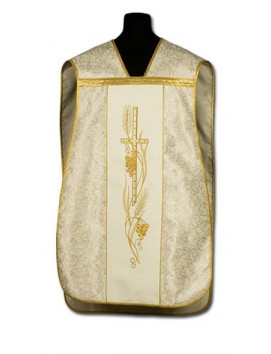
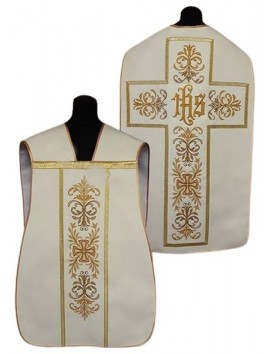
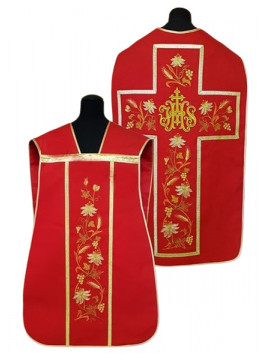
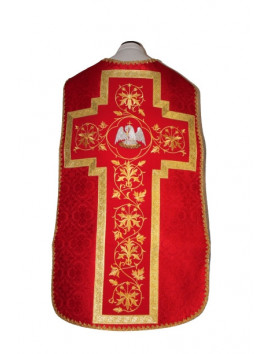
Shape & Fit: The Roman chasuble - often called the fiddleback- is shorter, stiffer, and more tailored. It covers the shoulders and arms less, hanging in front and back like a broad scapular.
Movement: Not much. The design is rigid, so arm movement is limited. That’s why the sides are cut away, making it easier for priests to join their hands during Mass.
Decoration: This is where it shines - elaborate embroidery, gold, jewels, and heavy brocade. You often spot a “T” cross or pillar orphreys on the back.
History: It emerged during the Renaissance as a practical, symbolic vestment associated with traditionalist Catholic congregations and major celebrations.
Quick Comparison Table
| Feature | Gothic Chasuble | Roman Chasuble (Fiddleback) |
|---|---|---|
| Shape | Elongated, flowing, oval | Shorter, stiffer, tailored |
| Arm Movement | Significant freedom | Limited, sides cut away |
| Decoration | Simpler, column orphreys, “Y” cross | Ornate, gold, embroidery, “T” cross |
| Historical Roots | Medieval, Gothic Revival | Renaissance, Baroque, Traditionalist |
| Common Use | Post-Vatican II, modern liturgy | Traditional, major feasts |
Why Does the Difference Matter?
If you’re picking a chasuble for liturgy, the choice impacts comfort, symbolism, and the visual message you send. Here’s what people usually ask:
Which is more comfortable? Gothic wins for movement and comfort.
Which looks more traditional? Roman chasubles are the classic, ornate choice.
Can you use both? Absolutely. It’s often up to the priest’s preference or parish tradition.
Key Takeaways
Gothic chasubles are flowing, comfortable, and simple-perfect for modern liturgy and active participation.
Roman chasubles are stiff, ornate, and traditional-ideal for solemn, high celebrations and those who love rich symbolism.
What is the history of the Roman chasuble?
The Roman chasuble’s history starts in the streets of ancient Rome. Initially, it wasn’t even a religious garment. It was a practical, conical poncho called the paenula or casula-Latin for “little house.” This was the go-to outerwear for Roman citizens, designed to shield them from the elements with a full, flowing cut.
How Did the Roman Chasuble Become Liturgical?
Early Adoption: In the first centuries of Christianity, priests adopted the casula for worship. It was simple, sleeveless, draped over the whole body, symbolizing spiritual shelter and humility.
First Written Reference: By the 8th century, texts like “De Ordine Missae et Sacerdotum” mention the chasuble as a standard vestment for Mass. It was already a mainstay in the priest’s attire.
Medieval Changes: As the liturgy became more elaborate, so did the chasuble. Embroidery, gold thread, and religious symbols like crosses and saints were added, making it both a spiritual and visual statement.
Roman Chasuble vs. Other Styles
Shape Evolution: The original chasuble was ankle-length and cumbersome. Over the centuries, especially in the 15th and 16th centuries, the sides were shortened for practicality, making it easier for priests to move their arms during Mass.
Distinctive Features: By the 17th century, the Roman chasuble became what we now call the “fiddleback.” It’s shorter, stiffer, and often heavily decorated with brocade, silk, and gold, leaving the arms mostly free.
Symbolism: The colors and decorations weren’t just for show. White for joy, gold for glory, red for love, and purple for humility - each color signified a different liturgical season or feast.
Why Did the Roman Chasuble Change?
Practicality: The original, conical cut was beautiful, but not always practical. Priests needed to move freely, especially when celebrating Mass alone. The “fiddleback” design solved this by cutting away the sides and making the vestment lighter and easier to handle.
Aesthetic Trends: As church art and architecture evolved, so did vestments. The Roman chasuble reflected the Baroque and Renaissance love for rich, ornate design, showing off the Church’s glory and the sacredness of the liturgy.
Modern Use and Legacy
Post-Vatican II: There’s been a revival of older, fuller chasuble designs, but the Roman chasuble remains a symbol of tradition, especially in solemn and traditionalist Catholic circles.
Cultural Impact: The Roman chasuble isn’t just a piece of clothing; it’s a living artifact of Church history, carrying centuries of meaning, artistry, and faith.
What is the Fiddleback shape of the chasuble?
The Fiddleback chasuble shape is a specific Roman Catholic vestment style, instantly recognizable for its narrow front and back panels and deeply cut-away sides. This design leaves the priest’s arms almost free, making it practical and comfortable, especially during long or elaborate ceremonies. The Fiddleback gets its name because the outline of the vestment, especially from the back, resembles the curved shape of a violin or “fiddle”.
Key Features of the Fiddleback Chasuble
Distinctive Shape: Narrow panels in the front and back, with the sides cut away to expose the arms.
Ornate Decoration: Often features rich embroidery, gold thread, and religious symbols - think crosses, saints, and elaborate patterns.
Practicality: The cut-away sides allow for greater freedom of movement, which is a big deal for priests celebrating Mass, especially in warmer climates or during more active liturgies.
Symbolism: The Fiddleback chasuble symbolizes sacrifice, reverence, and tradition, linking today’s worship with centuries of Catholic heritage.
How Did the Fiddleback Shape Develop?
The Fiddleback chasuble didn’t just appear overnight. Here’s how it evolved:
Origins: The chasuble started as a whole, conical garment in ancient Rome called the paenula or casula, covering the priest from shoulders to ankles.
Middle Ages: Priests found the original design heavy and restrictive over time. They started trimming the sides for more mobility, especially as liturgical ceremonies became more complex.
16th–18th Centuries: The Fiddleback shape became popular in Rome and spread throughout the Catholic world. Its practical design and ornate style made it a favorite for solemn Masses and major feasts.
Modern Use: Today, the Fiddleback chasuble is closely associated with the Traditional Latin Mass but can be used in any Catholic liturgy. It stands as a symbol of continuity and devotion.
Why Choose the Fiddleback Shape of Chasuble?
If you’re wondering why the Fiddleback chasuble is still in use, here’s why it stands out:
Freedom of Movement: Priests can move their arms freely, making it easier to perform rituals.
Visual Impact: The ornate designs make every Mass feel special and set apart.
Tradition: Wearing a Fiddleback chasuble connects today’s worship to centuries of Catholic history and symbolism.
What materials are used for the embroidery of Roman chasuble?
The embroidered Roman chasuble combines luxurious fabrics with rich, hand-embroidered details. Here’s what you’ll find in the best Roman chasubles:
Core Fabrics for Roman Chasubles
Silk: The gold standard for Roman chasubles. Silk is prized for its smooth texture, natural sheen, and ability to drape beautifully. It’s the fabric of choice for solemn, high-quality vestments.
Satin and Silk Satin: Offers a subtle, elegant shine and a soft, pleasant touch. Satin-wool blends are also popular for their durability and comfort.
Brocade and Damask: These are richly patterned fabrics, often woven with metallic threads, adding depth and opulence to the chasuble’s appearance.
Velvet and Wool: Sometimes used for special occasions or cooler seasons, adding weight and warmth to the vestment.
Embroidery Materials: The Real Show-Stoppers
Gold and Silver Metallic Thread: The classic choice for Roman chasuble embroidery. Gold thread is especially favored for major feasts and solemn celebrations, symbolizing glory and reverence.
Bouillon: This is a type of coiled metallic thread, often gold, that creates a raised, textured effect for intricate designs.
Silk Embroidery Thread: Used for colorful, detailed motifs-think saints, crosses, and Marian symbols. Silk threads blend perfectly with the chasuble’s base fabric for a seamless, high-end look.
Precious Stones and Embellishments: Some Roman chasubles feature gems, pearls, or sequins, elevating the vestment to true liturgical art.
Why These Materials Matter
Durability: High-quality silk, brocade, and metallic threads ensure the chasuble lasts for generations.
Visual Impact: Shimmering gold thread and rich fabrics make the chasuble stand out during Mass, drawing attention to the sacred.
Tradition: Using these materials connects each vestment to centuries of Catholic heritage and craftsmanship.
Customization and Craftsmanship
Every embroidery Roman chasuble can be customized - choose your fabric, thread, color, and even the embroidery motifs. Artisans handcraft each piece, making every chasuble unique and tailored to the occasion or priest’s preference.
What is the Symbolism of Roman vestment?
Roman vestments aren’t just fancy clothes - they’re loaded with meaning. Every piece, every color, every thread is there to teach, remind, and inspire. Here’s what’s going on:
Why Do Priests Wear Roman Vestments?
To represent Christ: When a priest puts on vestments, he’s not just dressing up. He’s “putting on Christ,” acting in persona Christi-in the person of Christ-especially during the Eucharist.
Vestments set the priest apart from everyday life to show the sacredness of the Mass. They make it clear that what’s happening at the altar is holy, different, and deeply significant.
To teach through symbols: Every vestment and color has a message. The Church uses them to point us toward more profound spiritual truths.
The Main Roman Vestments and Their Symbolism
Amice: White cloth around the shoulders. Symbolizes resistance to temptation and the “helmet of salvation.” It even recalls the cloth put on Christ’s head during His Passion.
Alb: Long, white garment. It represents purity and innocence, just like Herod's garment was given to Christ.
Cincture: Cord tied around the waist. Stands for chastity, self-control, and readiness for service - think of it as spiritual discipline.
Maniple: A Band worn on the left arm. Symbolizes penance, the burdens of the priestly life, and the joy that comes from serving.
Stole: Long scarf-like vestment around the neck. Represents priestly authority, the yoke of Christ, and the cross Jesus carried.
Chasuble: The outermost garment. This is the big one- it stands for charity, the love that “covers all,” and Christ’s sacrifice for humanity.
The Symbolism of Vestment Colors
White: Joy, purity, and glory. Worn at Christmas, Easter, and feasts of the Lord.
Red: Love, the Holy Spirit, and the blood of martyrs. Used on Pentecost and feast days of martyrs.
Green: Hope and spiritual growth. The color for Ordinary Time.
Purple: Penance and humility. Worn during Lent and Advent.
Gold: Glory and celebration. Can replace white or red on major feasts.
Black: Mourning and sorrow. Used for funerals and All Souls’ Day.
Rose: Joy in the midst of penance. Worn on Gaudete and Laetare Sundays.
Why Does the Symbolism of Roman Vestment Matter?
It’s a visual catechism: Vestments teach us, even if we never hear a word, about purity, sacrifice, authority, and the mission of the Church.
They remind the priest of his calling: Every time he puts on a vestment, he prays and remembers the spiritual reality behind the garment.
They connect us to history: Roman vestments link today’s worship to centuries of tradition, making the Mass a living connection to the early Church.
What are the variations and regional Styles of Roman chasubles?
Roman chasubles evolved over centuries, and different regions put their stamp on the classic “fiddleback” look. Here’s what you need to know:
Italian (Italo-Roman) Chasuble
Shape: Wider in the back, cut in front to conceal the breast and most of the shoulder.
Decoration: T-cross on the front, single column on the back. Gold or silver galloons (decorative bands), mostly floral or vine motifs. Rarely features explicit Christian symbols, except for heraldic arms (“stemma”) at the base of the column orphrey.
Material: Silk damask and brocade are the go-to fabrics.
Vibe: Understated elegance, more coverage, and a classic Roman feel.
French Roman Chasuble
Shape: Narrower in the back compared to Italian; front is angular and exposes more of the breast and shoulder.
Decoration: Similar to Italian but often a bit more restrained.
Vibe: Sleeker, less full, and more minimalist than the Italian style.
Austrian (Austro-Roman) Chasuble
Shape: Back angles outward with a gentle curve; the front is also rounder than other regional styles.
Decoration: Often features a wide column orphrey on both front and back, wider than Italian or French versions.
Vibe: Broader, rounder, and visually weighty. You're probably looking at the Austrian style if you see a chasuble that looks extra broad and rounded.
Spanish Chasuble
Shape: The most “cut-back” of all shoulders is fully exposed, creating the truest “fiddleback” silhouette.
Decoration: Two column orphreys on both front and back, with bands on the arms and at the base. Ornamentation is typically brocaded silk with floral or vine embroidery, but there’s room for variation.
Material: Luxurious brocaded silks, bold embroidery.
Vibe: Distinctive, dramatic, and instantly recognizable. The Spanish chasuble stands out for its extreme cut and bold look.
Other Notable Variations
Modern Adaptations: Some Roman chasubles today blend elements from different regions, integrating new trends while keeping the traditional silhouette.
Historical Evolution: Early chasubles were full and voluminous, but as liturgical practices evolved, regional styles emerged to allow for more movement and to reflect local artistic tastes.
Quick Comparison Table
| Style, Shape | Shape & Cut | Decoration | Distinctive Features |
|---|---|---|---|
| Italian | Wide back, concealed shoulders | T-cross, single column | Heraldic arms, floral/vine motifs |
| French | Narrower, angular front | Simple orphreys | Exposed shoulders, minimalist |
| Austrian | Rounded, broad, outward curves | Wide columns, round shape | Visual weight, broader look |
| Spanish | Extreme cut-back, exposed arms | Double columns, bands | Most “fiddleback,” the boldest cut |
Why Do These Variations Matter?
Tradition: Each style reflects the history, culture, and liturgical priorities of its region.
Function: The cut and decoration aren’t just for show - they impact comfort, movement, and the visual message during Mass.
Recognition: Knowing the variations helps you appreciate the artistry and heritage behind every Roman chasuble you see.
What do I need to know before buying a Roman chasuble?
Buying a Roman chasuble isn’t just about picking the first one you see. Here’s what you need to know, step by step:
1. Fabric Quality and Material
Traditional Fabrics: The best Roman chasubles are crafted from luxurious materials like silk, satin, or brocade. These fabrics aren’t just about looks but durability, drape, and reverence.
Modern Options: You’ll also find elano-wool blends that combine natural comfort with synthetic strength for easy care and longevity.
Seasonal Considerations: Go lighter for summer (silk, satin), heavier for winter (brocade, wool).
2. Liturgical Color
Full Spectrum: Make sure your chasuble is available in all liturgical colors - white, red, green, purple, black, and gold - so you’re covered for every season and feast.
Symbolism Matters: Each color has deep symbolic meaning in the Church, so match your purchase to your liturgical needs.
3. Design and Embroidery
Classic Roman Cut: Look for the signature “fiddleback” shape - narrow, cut-away sides, ornate front and back panels.
Embroidery: High-quality Roman chasubles feature rich embroidery, often with gold or silver thread, and sometimes floral or religious motifs for added impact.
Set Inclusions: Many Roman chasubles come as a set with a matching stole, maniple, burse, and chalice veil. Double-check what’s included.
4. Fit and Sizing
Comfort is Key: A well-fitting chasuble isn’t just about looks but comfort during long liturgies. Measure carefully and check the supplier’s sizing chart before you buy.
Custom Sizing: Many vendors offer size adjustments to fit your needs perfectly.
5. Care and Maintenance
Easy Care: Some fabrics are easier to clean and maintain than others. Elano-wool and certain brocades are crease and stain-resistant, making them practical for regular use.
Professional Cleaning: Delicate fabrics like silk should be professionally dry-cleaned to preserve beauty and longevity.
Storage: Always store your chasuble on a padded hanger in a cool, dry place, away from sunlight to prevent fading.
6. Budget and Value
Price Range: Roman chasubles can range from a few hundred to several thousand dollars, depending on fabric, craftsmanship, and embroidery.
Set a Budget: Decide what you’re willing to spend, but remember, quality materials and skilled craftsmanship are worth the investment.
7. Vendor Reputation
Buy from Reputable Suppliers: Choose vendors known for quality and customer service. Read reviews, ask for recommendations, and don’t be afraid to ask questions before you buy.
Compare the Roman cut with every other style in our full range of Catholic chasubles.