
No products
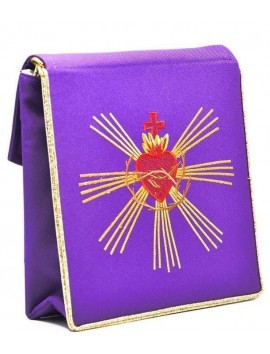
Burses
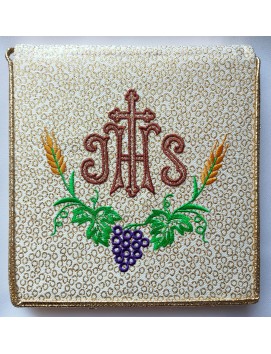
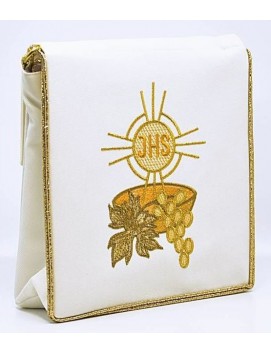
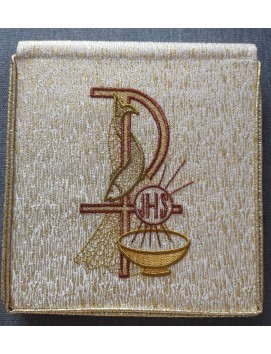
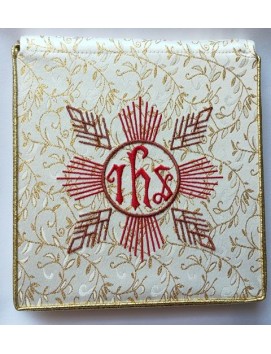
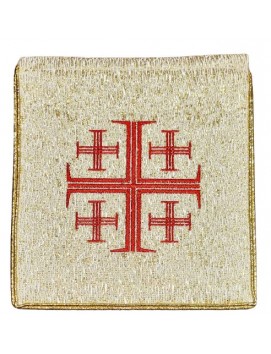
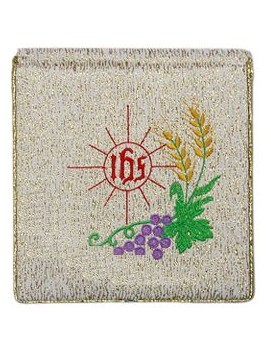
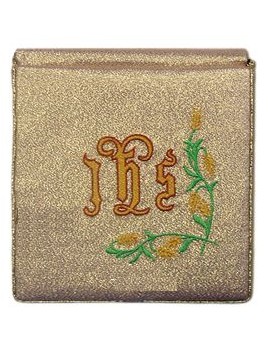
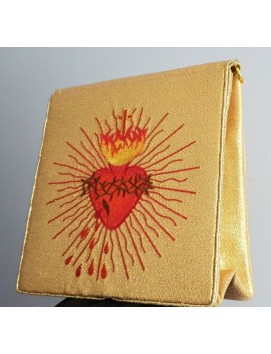
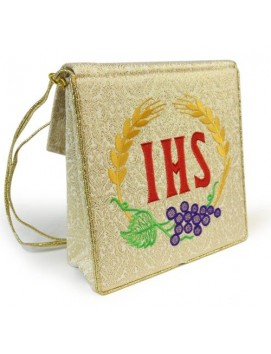
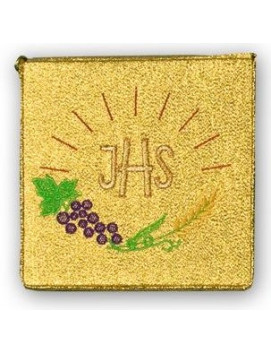
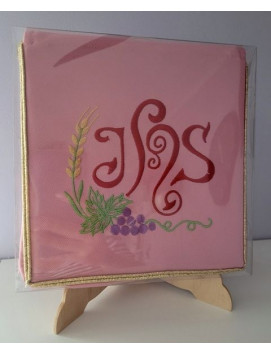
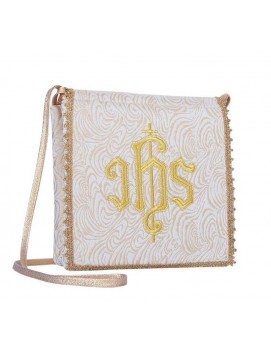
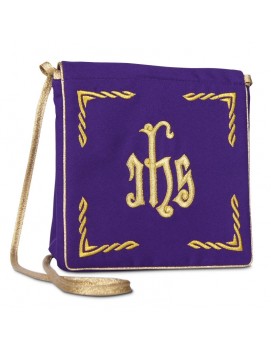
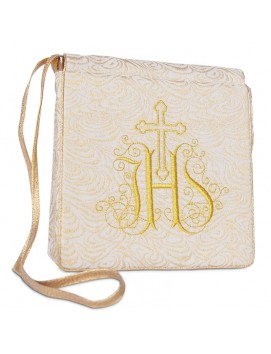
A Catholic burse is a flat, square case—usually ten to twelve inches across—made to hold and protect the corporal, the consecrated linen cloth used at Mass. It is built from two stiff panels (traditionally cardboard) bound on three sides, with the open edge letting the folded corporal slide in and out. Covered in silk, brocade or fine fabric and finished with embroidery such as an IHS monogram or cross, the burse is made to match the liturgical colour of the day. The word "burse" comes from the Medieval Latin for "purse".
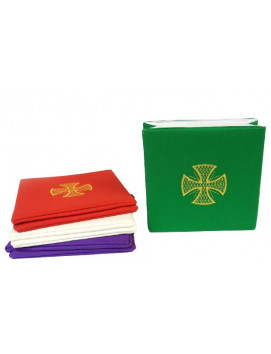





How is a burse for a priest constructed and what materials are used?
Simple truth: a Catholic burse is a flat, square case—usually about ten to twelve inches across—built for one purpose: to hold and protect the corporal, the sacred linen used at Mass.
Let’s get specific:
Two stiff panels: The core of every burse is made from two pieces of stiff material, most commonly cardboard. These panels give the burse its shape and keep it from bending or collapsing.
Bound edges: The panels are joined on three sides, leaving one open. This open side lets you slide the folded corporal in and out easily.
Hinge or ties: Sometimes the burse is hinged on one side, or it might have ties or gussets to keep it shut and prevent the corporal from slipping out.
Size: The standard size is about ten to twelve inches square, big enough to fit the folded corporal but not so large that it’s unwieldy.
What Materials are Used in a Catholic Burse?
The materials aren’t chosen at random—they’re picked for durability, symbolism, and to match the rest of the priest’s vestments.
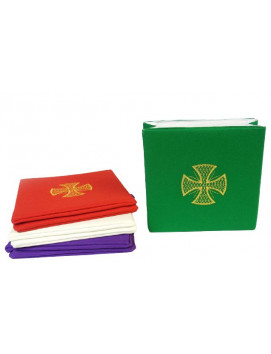
Outer fabric: The outside of the burse is covered with fabric that matches the liturgical color of the day—think purple for Lent, white for Easter, red for feasts of martyrs. This fabric is usually the same as the chasuble or other vestments, often silk, brocade, or high-quality cloth.
Inner lining: The inside is lined with white linen or silk. This is about respect and reverence—the corporal is a sacred cloth, so it deserves a clean lining.
Decorations: Many burses feature embroidery, a cross, or the IHS monogram on the outside. Some add braid, tassels, or other embellishments to signal the importance of what’s inside.
Stiffener: The cardboard inside is what gives the burse its structure. Some may use other stiff materials, but cardboard is the classic choice for its balance of rigidity and lightness.
Why These Construction Choices Matter
Protection: The stiff construction keeps the corporal flat and clean, protecting it from creasing or soiling.
Symbolism: Matching the vestments ties the burse into the liturgical action, making it part of the visual language of the Mass.
Reverence: Every material and detail is chosen to show respect for the Eucharist and the sacred objects used in the liturgy.
What is the history behind the use of the burse in Catholic liturgy?
The burse is a container created to carry the pyx and corporal—the linen cloth that holds the Eucharist—safely to and from the altar. But how did this tradition start, and why did it stick around?
The Origins of the Burse
Early Church Practices: In the earliest days, the corporal was much larger, and there wasn’t a standardized way to carry or store it. Sometimes, it was folded and tucked into the missal or a basic bag.
11th Century Shift: Around the 11th century, corporals were made smaller for convenience. This change sparked the need for a dedicated container—the burse—to keep the corporal clean, flat, and protected.
Spread Across Europe: The use of the burse likely began in places like Rheims and quickly caught on throughout Europe. It became common to see the burse carried on top of the veiled chalice during Mass, and it was also used for Communion outside Mass and Benediction.
Evolution and Symbolism
Medieval Developments: By the 12th and 13th centuries, references appear to precious cases for corporals, but the modern burse form—two stiff panels covered in fabric—became standard between the 14th and 17th centuries.
Universal Requirement: By 1692, Church decrees made it illicit to celebrate Mass without a burse, cementing its place in Catholic liturgy.
Symbolic Purpose: The burse isn’t just practical. Veiling and protecting sacred items is an ancient practice, emphasizing the holiness of what’s inside and safeguarding it from damage or disrespect. The burse’s design and matching liturgical colors tie it visually to the rest of the Mass, reinforcing its sacred purpose.
The Burse Today
Modern Use: After the Second Vatican Council, the use of the burse declined in many places, but it remains a beautiful symbol of reverence and tradition wherever it’s still used.
Construction: Today’s burse is typically a square case made from two stiffened pieces, covered in the same fabric as the priest’s vestments, lined with linen or silk, and often decorated with sacred symbols.
Is the burse still required in modern Catholic liturgy?
What Changed with the Modern Liturgy?
Pre-Vatican II: Before the Second Vatican Council, the burse was a required part of the Mass. Every priest used it to carry the corporal to and from the altar. It was a visible sign of reverence and order.
Post-Vatican II: After the liturgical reforms of the 1960s, the General Instruction of the Roman Missal (GIRM) no longer mentions the burse as a required item. The focus is now on simplicity and essential elements. The corporal is still necessary, but the burse is not.
Do Some Churches Still Use the Burse?
Yes, in Some Places: While the burse is not required, some parishes and priests—especially those who celebrate the Traditional Latin Mass or have a strong sense of liturgical tradition—still use the burse. It’s a way to honor the past and add a layer of beauty and reverence.
Most Modern Parishes: You won’t see the burse used in most Catholic churches today. The corporal is folded and placed on the altar or sacristy without the extra case.
Why Isn’t the Burse Required Anymore?
Simplicity: The modern liturgy emphasizes what’s essential. The corporal is necessary to celebrate the Eucharist, but the burse is not.
Practicality: Removing non-essential items streamlines the preparation and celebration of Mass, making it more accessible and less complicated for priests and altar servers.
Are there specific rules regarding the color and decoration of the burse?
The Catholic Church has clear guidelines to ensure every element on the altar matches the liturgical season and communicates the right message.
Liturgical Colors: The Foundation
The burse must match the liturgical color of the day or season. This isn’t just a suggestion—it’s a core rule. The same colors you see in the priest’s vestments are used for the burse:
Green for Ordinary Time
Violet (purple) for Advent and Lent
White for Christmas, Easter, and major feast days
Red for Pentecost, feasts of martyrs, and the Holy Spirit
Rose for Gaudete and Laetare Sundays
Black for funerals and All Souls’ Day
Gold or silver can be used on the most solemn occasions, even if they replace the prescribed color.
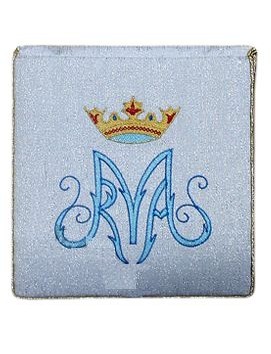
Regional exceptions: In some places, blue is permitted for Marian feasts, but this requires special approval and is not universal.
Materials and Construction
Fabric: The burse is usually made from silk, leather, satin, or high-quality cloth that matches the vestments. Simpler linen can be used if needed.
Stiff inserts: The case is constructed with stiff panels (cardboard or plexiglass) to keep its shape.
Decoration Rules
Simplicity or Elegance: The burse may be simple or elaborate, but it should always be dignified and in harmony with the other altar linens and vestments.
Embroidered Symbols: Common decorations include a cross, IHS monogram, or other sacred symbols, typically embroidered or appliquéd onto the front. These should be centered and not overly ornate.
No Clashing Colors: The burse should never clash with the vestments or other altar cloths. Visual unity is key.
Why These Rules Matter
Visual Unity: Matching colors and appropriate decoration reinforce the sacred atmosphere and help the congregation recognize the liturgical season at a glance.
Symbolism: Each color and symbol has deep meaning, reflecting themes like sacrifice, hope, purity, or mourning.
How should the burse be cared for and stored?
Cleaning the Burse
Spot Clean Only: Most burses are made from silk, satin, or brocade—delicate fabrics that shouldn’t be tossed in the wash. Use a soft, dry brush or a slightly damp cloth to gently clean the surface if you notice dust or a small stain.
Avoid Harsh Chemicals: Never use bleach or strong detergents. These can damage the fabric and fade the liturgical colors.
Professional Cleaning: If the burse is heavily soiled, take it to a professional cleaner familiar with delicate liturgical textiles. Make sure they know it’s a sacred object.
Storing the Burse
Keep It Flat: Always store the burse flat to maintain its shape and prevent bending or warping of the stiff panels inside.
Separate from Other Items: Don’t stack heavy objects on the burse. Store it in a dedicated drawer, cabinet, or shelf—preferably lined with clean cloth.
Avoid Sunlight and Moisture: Keep the burse away from direct sunlight (which can fade the colors) and damp areas (which can cause mold or mildew).
Use a Cover: If possible, wrap the burse in a soft, clean cloth or place it in a protective bag. This keeps dust and dirt away and adds a layer of reverence.
Handling the Burse
Clean Hands Only: Always handle the burse with clean, dry hands. If preparing for Mass, ensure your hands are free of oils or lotions that could stain the fabric.
Gentle Movements: Avoid bending or squeezing the burse. Please treat it with the same respect you’d give any sacred vessel.
Rotating and Inspecting
Rotate Seasonally: If you have multiple burses for different liturgical colors, rotate them according to the Church calendar. This ensures each one gets used to and aired out.
Regular Inspections: Check the burse regularly for signs of wear, loose threads, or damage. Repair any issues promptly to keep it looking dignified.
Related reading
Corporal — the linen cloth the burse is made to carry and protect.
Chalice linen sets — matching burse, pall, purificator and chalice veil.
Altar linens: corporal, purificator and pall — how the sacred linens work together at Mass.
What is the box behind the altar called? — on the pyx and carrying the Eucharist to the sick.
