
No products
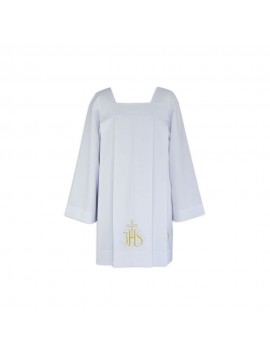
Clergy Surplices
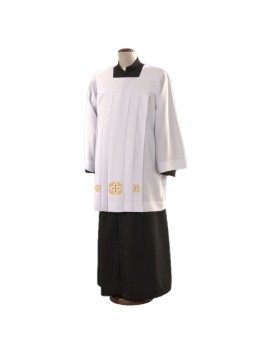
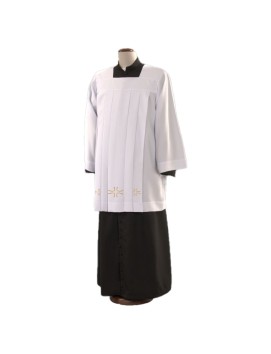
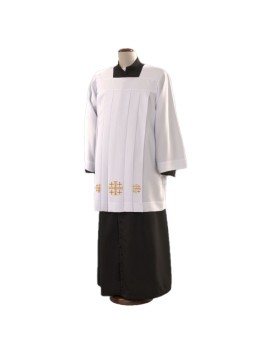
A clergy surplice is a white, loose-fitting outer vestment worn by clergy, acolytes, choristers, and sometimes lay participants during Christian liturgical services. It’s typically made of linen or cotton, falls to the knees or ankles, and features wide, flowing sleeves. The surplice is always worn over a cassock—a darker, close-fitting robe—creating a striking contrast that symbolizes purity and light in the midst of solemnity.
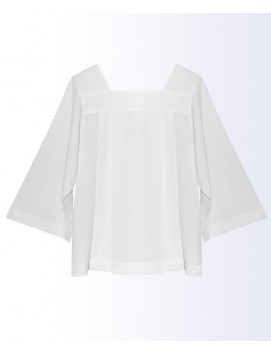
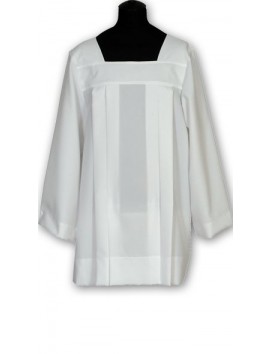
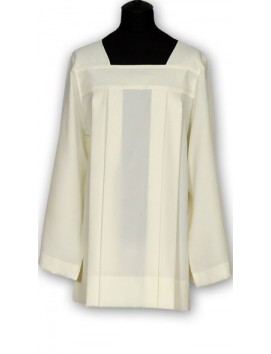
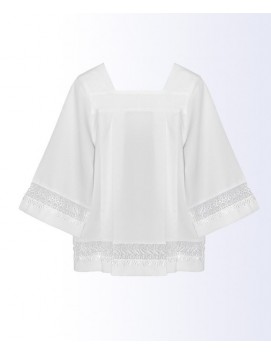
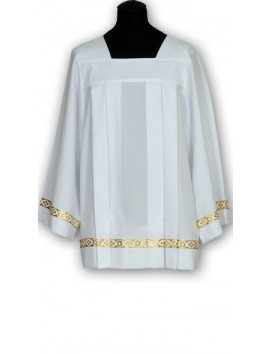
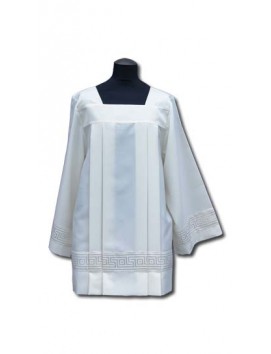
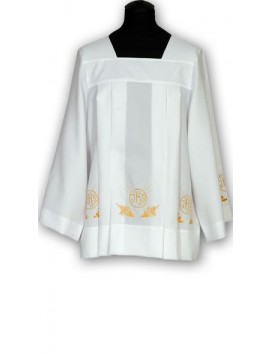

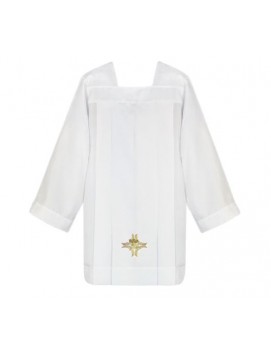
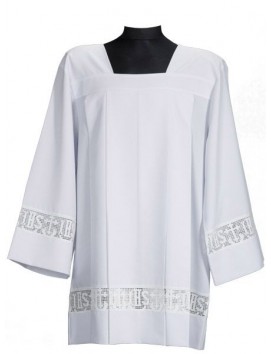
How is a surplice different from an alb or a rochet?
1. Surplice: The Practical, Versatile Vestment
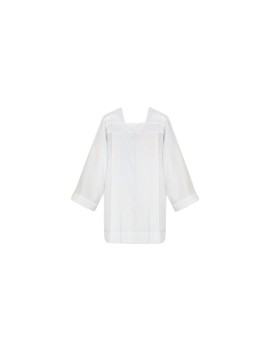
Length & Fit: The surplice is a white, loose-fitting garment that typically reaches the knees or mid-thigh. It’s worn over a cassock and is known for its wide, flowing sleeves and square or round neckline.
Use: You’ll see surplices on clergy, acolytes, choir members, and altar servers during non-Eucharistic services, processions, and choir duties.
Style: Surplices are usually plain but can feature lace or embroidery. They’re not gathered at the waist and are never worn alone—always over a cassock.
Origin: The surplice evolved from the alb, designed for warmth and practicality in medieval Europe, and became a staple for choir and liturgical use.
2. Alb: The Full-Length Symbol of Purity
Length & Fit: The alb is a long, white vestment that reaches the ankles. It’s fitted with narrower sleeves and is often tied at the waist with a cincture.
Use: The alb is the foundational vestment for all clergy during Eucharistic celebrations and sacraments. It’s a symbol of baptismal purity and is required for Mass.
Style: Albs can be simple or decorated with lace, but the key is their full-length design and snugger fit compared to the surplice.
Tradition: The alb is worn by priests, deacons, and sometimes lay ministers. It’s not replaced by a surplice when a chasuble or dalmatic is required.
3. Rochet: The Bishop’s Distinctive Garment
Length & Fit: The rochet is also white and knee-length, but reserved for bishops and certain prelates. Its sleeves are close-fitting, not wide like the surplice.
Use: Worn under the mozzetta and over the cassock, the rochet is part of a bishop’s choir dress and is never used by regular clergy or laypersons.
Style: Roches may be adorned with lace and are distinct for their tailored sleeves and sometimes more elaborate decoration.
Tradition: The rochet is essentially a variant of the surplice but is exclusive to higher-ranking clergy.
Quick Comparison Table
| Vestment | Typical Wearer | Length | Sleeve Style | When Worn | Unique Feature |
|---|---|---|---|---|---|
| Surplice | Clergy, choir, servers | Knee/thigh | Wide, flowing | Non-Eucharistic rites | Always over cassock |
| Alb | Clergy, lay ministers | Ankle | Narrow, fitted | Eucharistic services | Symbol of baptismal purity |
| Rochet | Bishops, prelates | Knee | Close-fitting | Choir dress for bishops | Reserved for higher clergy |
What is the historical significance of the surplice in Christian liturgy?
Origins and Early History
The word surplice comes from the Medieval Latin superpelliceum, meaning “over fur garment.” Originally, it was designed to be worn over heavy fur coats to protect the wearer during cold church services in medieval Europe.
It likely appeared in France or England around the 11th century and then spread to other parts of Western Christianity.
Early surplices were long, reaching nearly to the ground, with wide, open sleeves, evolving from the alb, a white baptismal garment symbolizing purity.
Evolution Through the Centuries
By the 13th century, the surplice began to shorten, becoming more practical while retaining its symbolic whiteness.
Various styles developed, including sleeveless versions and surplices with slit sleeves, adapting to local customs and needs.
During the Renaissance and Baroque periods, surplices sometimes featured lace and embroidery, reflecting the era’s artistic tastes.
The surplice was originally a choir vestment and worn mainly by the lower clergy, but by the 13th century, it became common for administering sacraments and other priestly functions.
Symbolism in Christian Worship
The surplice’s white color represents purity and innocence, reminding clergy and servers of their call to holiness and service.
It symbolizes humility and simplicity, stripping away personal distinction and focusing attention on the sacredness of the liturgy.
Wearing the surplice connects modern worshippers to centuries of tradition, emphasizing continuity in Christian liturgical practice.
The Surplice in Different Christian Traditions
The surplice remains a staple in Roman Catholic, Anglican, Lutheran, and some Old Catholic churches.
Unlike the alb worn during Eucharistic celebrations, the surplice is often reserved for non-sacramental services, choir duties, and processions.
Bishops and higher prelates typically wear the rochet, a variant of the surplice, highlighting hierarchical distinctions.
Why Does the Surplice Still Matter?
The surplice is more than a garment; it’s a visual and spiritual reminder of the wearer’s role as a servant of God.
Its historical roots remind us that Christian worship is built on centuries of evolving tradition, blending practicality with profound symbolism.
For clergy and altar servers today, wearing the surplice is a way to honor that heritage and participate fully in the sacred rituals of the church.
What are the main types and styles of surplices available?
Surplices come in several distinct types and styles, each suited for different roles, traditions, and occasions in Christian liturgy. Here’s a clear, straightforward guide to the most common options.
1. Traditional Full-Length Surplice
Description: This is the classic surplice, usually reaching below the knees or to the ankles.
Features: Wide, flowing sleeves and a loose fit.
Use: Often worn by clergy and choir members during formal services.
Style Notes: Sometimes trimmed with lace or embroidery for a more ceremonial look.
2. Short or Waist-Length Surplice (Cotta)
Description: A shorter version of the surplice, typically ending at the waist or hips.
Features: Similar wide sleeves, but more practical for movement.
Use: Common among choir members and altar servers who need mobility.
Style Notes: Popular in Anglican and some Protestant traditions.
3. Sleeveless Surplice
Description: A less common style without sleeves, worn over the cassock.
Features: Designed for warmer climates or less formal occasions.
Use: Practical for choir or lay participants during summer or indoor services.
Style Notes: Usually plain, focusing on comfort.
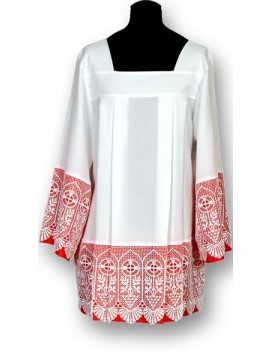
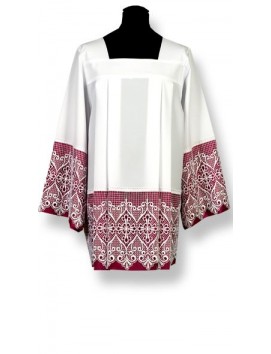
4. Lace-Trimmed Surplice
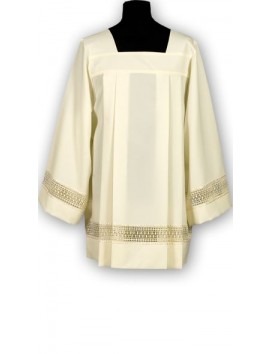
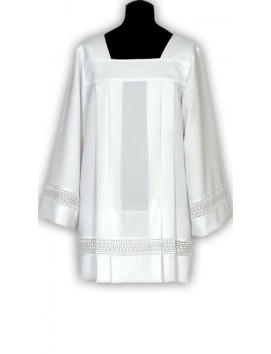
Description: Any surplice style enhanced with lace edging on sleeves, hem, or neckline.
Features: Adds a decorative, traditional touch.
Use: Often reserved for high feast days, special ceremonies, or more formal liturgies.
Style Notes: Lace can vary from simple to intricate patterns.
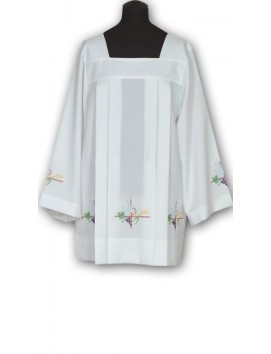
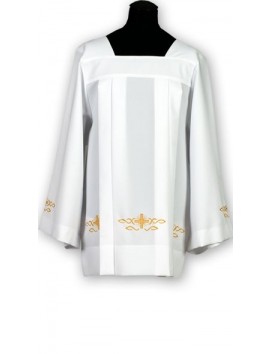
5. Embroidered Surplice
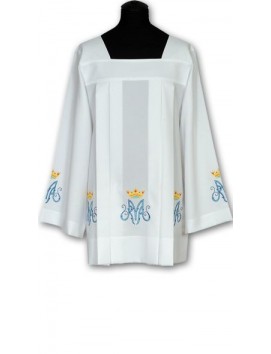
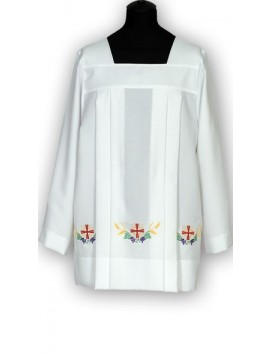
Description: Surplices featuring embroidered crosses, symbols, or other religious motifs.
Features: Adds personal or denominational identity.
Use: Suitable for clergy who want to highlight specific traditions or occasions.
Style Notes: Embroidery is usually subtle to maintain reverence.
6. Modern or Simplified Surplice
Description: Contemporary designs that focus on minimalism and comfort.
Features: Lightweight fabrics, streamlined cuts.
Use: Ideal for churches seeking a modern look or for everyday use.
Style Notes: Often made from polyester blends for easy care.
How to Choose the Right Surplice Style?
Consider Your Role: Clergy often prefer full-length or lace-trimmed surplices, while choir members might opt for shorter or sleeveless versions.
Think About Tradition: Different denominations have preferences—Anglican churches often use the cotta, while Roman Catholic churches lean toward full-length.
Match the Occasion: Reserve lace or embroidered surplices for special services; use simpler styles for regular worship.
Comfort Matters: Fabric choice and fit are crucial, especially if you’ll be wearing the surplice for extended periods.
Quick Summary: Main Types and Styles of Surplices Available
| Type | Length | Sleeves | Typical Use | Style Features |
|---|---|---|---|---|
| Traditional Full-Length | Below the knees/ankle | Wide, flowing | Clergy, formal services | Lace or embroidery optional |
| Short (Cotta) | Waist/hips | Wide | Choir, altar servers | Practical, common in Anglican |
| Sleeveless | Varies | None | Warm climates, casual use | Plain, comfortable |
| Lace-Trimmed | Varies | Varies | Special ceremonies | Decorative lace edging |
| Embroidered | Varies | Varies | Clergy, symbolic occasions | Religious motifs |
| Modern/Simplified | Varies | Varies | Everyday, modern churches | Lightweight, easy care fabrics |
How do I choose the right size and style of surplice for my needs?
1. Start with Fit and Size
Fit is everything. A surplice that fits well is comfortable, looks professional, and lets you move freely during services. If it’s too tight, you’ll feel restricted. If it’s too loose, it can look sloppy or even slip off when you’re serving at the altar.
Size matters. The surplice should cover your cassock and fall to the right length—typically at or just above the knee for most roles, or ankle-length for formal clergy settings. Check the chest, back length, and sleeve measurements. Most suppliers provide detailed sizing charts—use them! Measure yourself or the wearer accurately, especially across the chest and from the base of the neck down the back.
2. Pick the Right Style for Your Role and Tradition
Full-Length Surplice: Ankle-length, classic, and often chosen for formal ceremonies or by clergy in traditional denominations.
Short Surplice or Cotta: Shorter, usually above the knee, and favored for contemporary services, choir members, or acolytes. The cotta is a simpler, less ornate version, which is excellent for practicality.
Lace or Embroidered Surplice: Adds a touch of ceremony and tradition. Ideal for high feast days or special occasions.
Rochet: A longer, close-fitting surplice reserved for bishops or high-ranking clergy.
Sleeveless or Modern Styles: Perfect for warm climates or modern congregations that value comfort and simplicity.
3. Consider Tradition, Function, and Occasion
Know your denomination’s guidelines. Some churches have strict requirements for surplice length, style, or decoration. Always check before you buy.
Match the occasion. Use full-length, lace-trimmed surplices for formal liturgies, and opt for shorter, simpler styles for everyday services or youth choirs.
4. Prioritize Comfort and Fabric
Lightweight, breathable fabrics like linen or cotton are best for comfort, especially if you’ll be wearing the surplice for long periods.
Ensure the surplice allows for easy movement—wide sleeves and a loose fit are key features.
5. Get the Measurements Right
Always use a tape measure to check your chest, back length (from the base of the neck to the desired hem), and sleeve length.
Compare your measurements to the supplier’s sizing chart for the specific surplice style you want—sizes can vary between styles and brands.
What materials are commonly used for surplices, and how do they affect comfort and care?
1. Cotton
Why Choose Cotton? Cotton is a top pick for surplices because it’s lightweight, breathable, and soft against the skin. Cotton keeps you cool and comfortable if you’re serving long hours or in a warm church.
Comfort: High. Cotton lets air circulate and absorbs moisture so you won’t feel stuffy or overheated.
Care: Easy. Cotton surplices are machine washable and hold up well to regular laundering. Just be aware that pure cotton can wrinkle, so you may need to iron for that crisp, formal look.
2. Linen
Why Choose Linen? Linen is the classic, traditional surplice material. It’s prized for its breathability and ability to wick away moisture, making it ideal for hot climates or summer services.
Comfort: Excellent. Linen feels cool and fresh, even during lengthy ceremonies. It’s also hypoallergenic, which is a bonus for sensitive skin.
Care: Moderate. Linen needs gentle washing and benefits from air drying. It wrinkles easily, so regular ironing is necessary for a polished appearance.
3. Blends (Cotton/Polyester, Linen/Viscose, Cotton/Viscose)
Why Choose Blends? Blended fabrics combine the best properties of natural fibers and synthetics. For example, cotton-polyester or linen-viscose blends offer breathability with added durability and wrinkle resistance.
Comfort: High. Blends are soft and comfortable and often feel lighter than pure synthetics while being easier to wear than pure linen or cotton.
Care: Effortless. Blended surplices resist shrinking, hold their shape, and need less ironing. They’re usually machine washable and dry quickly.
4. Polyester
Why Choose Polyester? Polyester is chosen for its durability, affordability, and easy care. It’s less traditional but practical, especially for large choirs or frequent use.
Comfort: Good. While not as breathable as cotton or linen, modern polyester fabrics are much improved and can feel surprisingly comfortable, especially in cooler settings.
Care: Easiest. Polyester surplices rarely wrinkle, wash easily, and dry fast—perfect for busy church wardrobes.
5. Specialty Fabrics (Silk, Gabardine, Wool)
Why Choose Specialty Fabrics? Some surplices are made from silk, gabardine, or even wool blends for special occasions. These materials add a luxurious touch and are usually reserved for high feast days or formal clergy attire.
Comfort: Varies. Silk is lightweight and elegant, wool is warm for cold climates, and gabardine offers a smooth, refined finish.
Care: Demanding. Specialty fabrics often require dry cleaning or delicate hand washing and careful storage.
Quick Comparison Table
| Material | Comfort Level | Care Difficulty | Best For | Notes |
|---|---|---|---|---|
| Cotton | High | Easy | Everyday, warm climates | Wrinkles, needs ironing |
| Linen | Excellent | Moderate | Traditional, hot climates | Wrinkles, needs ironing |
| Cotton/Poly Blends | High | Very Easy | Choirs, frequent use | Less wrinkling, easy care |
| Polyester | Good | Easiest | Large groups, budget-conscious | Less breathable, no ironing |
| Silk/Gabardine | Varies | Hard | Special occasions, formal clergy | Expensive, needs dry cleaning |
When should a surplice be worn during church services?
1. General Rule: Worn Over a Cassock for Non-Eucharistic and Choir Services
A robe is typically worn over a cassock and is never worn alone. It’s the go-to vestment for clergy, altar servers, and choir members during a wide range of church services, especially when Eucharistic vestments (like the alb and chasuble) are not required. The surplice marks sacred duties, symbolizes purity, and creates a sense of unity among those serving.
2. Specific Occasions for Wearing a Surplice
Mass (when not celebrating): Priests, deacons, and servers often wear a surplice over the cassock when assisting at Mass but not presiding. Choirs and altar servers almost always wear surplices during Mass.
Morning Prayer, Vespers, and Compline: In many traditions, especially Anglican and Lutheran, the surplice is standard for non-Eucharistic liturgies like morning prayer, evensong, and night prayer.
Weddings and Baptisms: The surplice is commonly worn by clergy and servers during these sacraments, especially when not celebrating the Eucharist.
Funerals: Clergy, choir, and servers often wear surplices at funeral services, emphasizing solemnity and tradition.
Choir Services: The surplice is a classic part of “choir dress,” worn by choristers and clergy during choral services, processions, and special music events.
Special Ceremonies and Processions: Any time a formal, unified appearance is needed among those serving, the surplice is the vestment of choice.
3. Who Wears the Surplice?
Clergy: Priests, deacons, and sometimes bishops (though bishops more often wear the rochet, a variant of the surplice).
Altar Servers and Acolytes: Surplices help identify those serving at the altar and symbolize their sacred role.
Choir Members: Wearing surplices creates visual unity and underscores the spiritual purpose of the choir’s ministry.
Laypersons: In some denominations, lay readers or participants may also wear a surplice when serving in a liturgical role.
4. Denominational Differences
Roman Catholic: Surplice (or cotta) is worn over the cassock by clerical, servers, and choir during most non-Eucharistic liturgies and as part of choir dress. For sacraments outside of Mass, the surplice is standard.
Anglican/Episcopal: The surplice is a staple for choir dress, daily offices, and non-Eucharistic services. It may even replace the alb for Communion in some rural or traditional settings.
Lutheran: Traditionally worn for non-sacramental services like Matins or Vespers, and sometimes over academic gowns to blend tradition and Protestant identity.
Can surplices be customized with lace, embroidery, or other decorations?
1. Lace-Trimmed Surplices: Tradition Meets Elegance
Lace is one of the most popular ways to customize a surplice. You’ll find lace on hems, sleeves, or even the entire garment. In Catholic and Anglican traditions, lace surplices are especially common for major feast days, weddings, and solemn ceremonies. The lace often features intricate patterns—floral motifs, crosses, or religious symbols—that add a sense of beauty and reverence to the vestment.
A lace surplice isn’t just decorative; it visually separates the sacred from the ordinary, elevating the worship atmosphere and highlighting the occasion's importance.
2. Embroidered Surplices: Personal and Symbolic Details
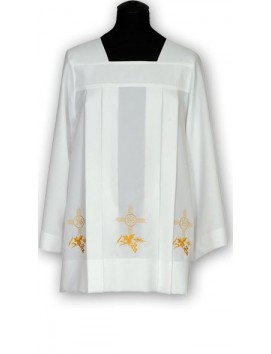
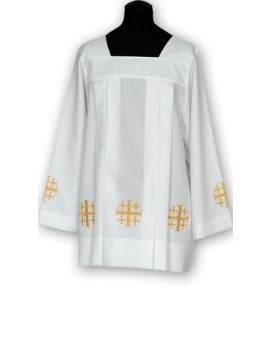
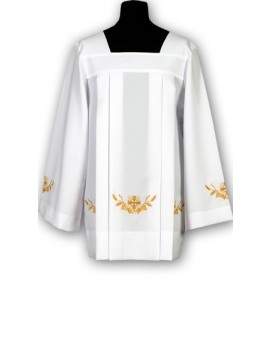
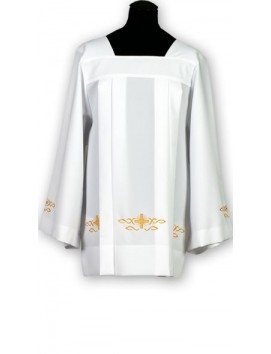
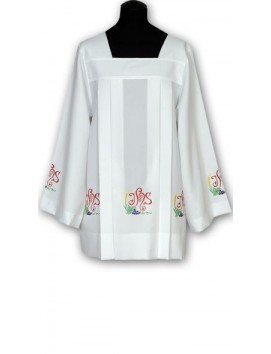
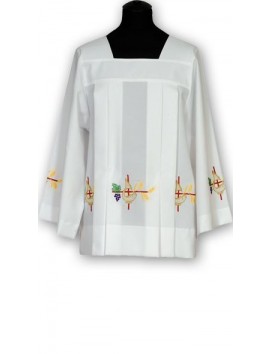
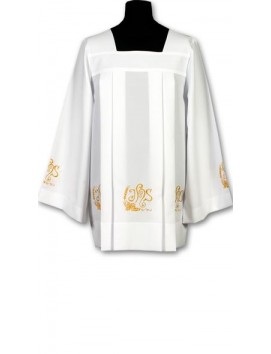
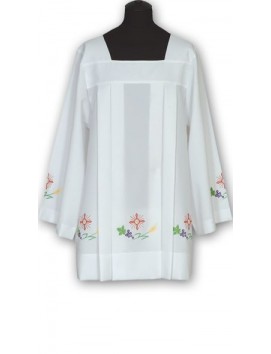
Embroidery is another powerful customization option. Surplices can be adorned with embroidered crosses, wheat ears, Eucharistic symbols, Marian emblems, or even multicolored designs representing specific liturgical themes. Embroidery can be subtle—like a small cross on the chest—or bold, with detailed motifs running along the sleeves or hem.
High-quality embroidery, whether by hand or machine, transforms a simple surplice into a unique liturgical art, reflecting tradition, the wearer's personality, or the church community.
3. Other Decorative Options: Macramé, Cutwork, and Specialty Patterns
Beyond lace and embroidery, surplices can be customized with macramé inserts, cutwork (like Richelieu embroidery), and colorful linings beneath openwork designs. Some surplices feature geometric or floral patterns, gold or silver thread, and even hand-applied Brussels lace for an extra touch of luxury.
4. Made-to-Measure and Personalization
Many ecclesiastical tailors offer made-to-measure surplices, allowing you to choose the size and fabric and the exact style of lace, embroidery, or decorative motif you want. You can specify the placement, color, and type of decoration, ensuring your surplice fits your body and your liturgical vision.
5. When to Choose Custom Decorations?
Special Occasions: Lace and embroidery are ideal for feast days, ordinations, weddings, and major liturgical celebrations.
Personal or Parish Identity: Custom motifs can reflect your parish’s patron saint, a particular devotion, or a liturgical season.
Everyday Use: Simpler customizations—like a small embroidered cross—add a personal touch without being overly ornate.
What is the price range for clergy surplices, and what affects the cost?
1. Typical Price Range for Clergy Surplices
Entry-Level/Basic Surplices: Simple surplices start at $40–$60. These are usually made from basic polyester or cotton blends and feature minimal decoration.
Mid-Range Surplices: Expect to pay between $70 and $150 for higher-quality fabrics, better tailoring, and some decorative elements like pleats or modest lace.
Premium and Custom Surplices: For surplices with intricate lace, embroidery, or specialty fabrics, prices can range from $150 up to $400 or more. Some luxury options, especially those with hand-finished details or made-to-measure sizing, can even exceed this range.
2. What Affects the Cost of a Clergy Surplice?
Material Quality: Natural fibers like linen or high-grade cotton usually cost more than polyester or basic blends. Specialty fabrics, such as gabardine or viscose, also increase the price.
Decoration and Customization: The more ornate the surplice—think lace inserts, embroidery, guipure lace, or hand-finished details—the higher the cost. Customization for special occasions or parish symbols adds to the price.
Brand and Craftsmanship: Surplices from well-known liturgical brands or those handcrafted with attention to detail fetch a premium. Tailoring, fit, and finishing touches all play a role.
Size and Style: Full-length surplices or those with elaborate sleeves, pleats, or yokes may cost more than simple, short styles. Made-to-measure options are also pricier than standard sizes.
Package Deals: Some retailers offer surplice-and-cassock sets or complete vestment packages, which can influence the price per item.
3. Examples from Current Retailers
Basic polyester/cotton surplice: $40–$70
Lace-trimmed or embroidered surplice: $90–$150
Premium, hand-finished, or specialty fabric surplice: $200–$400+
Custom or luxury surplice (with unique lace, embroidery, or made-to-measure): $300–$400+
How should I properly care for and store my surplice?
1. Washing Your Surplice
Check the Label: Always read the care label first. Most cotton, polyester, and blend surplices are machine washable, but linen or specialty fabrics may need gentle hand washing or dry cleaning.
Use Mild Detergent: Stick with a gentle detergent, especially for natural fibers or lace-trimmed surplices. Avoid bleach, which can weaken fabric and yellow whites over time.
Wash Separately: Wash your surplice separately from colored garments to keep it bright and white.
Gentle Cycle: Use a gentle or delicate cycle with cold or lukewarm water to prevent shrinking or fabric damage.
2. Drying Your Surplice
Air Dry for Best Results: Hang your surplice on a padded hanger or lay it flat to air dry. This helps prevent stretching and keeps the fabric fresh.
Avoid High Heat: If you must use a dryer, choose a low-heat or air-dry setting. High heat can shrink cotton and damage lace or embroidery.
3. Ironing and Pressing
Iron While Damp: Iron while the fabric is still slightly damp for cotton or linen surplices. Use a medium heat setting and avoid pressing directly on lace or embroidery—use a pressing cloth to protect delicate details.
Steam for Wrinkles: A handheld steamer is an excellent tool for removing wrinkles quickly without risking scorch marks.
4. Storing Your Surplice
Hang, Don’t Fold: Always hang your surplice on a wide, padded hanger to maintain its shape and prevent creases. Folding can cause stubborn wrinkles and damage decorative trim.
Use a Garment Bag: Store your surplice in a breathable garment bag to protect it from dust, light, and insects. Avoid plastic bags, which can trap moisture and lead to mildew.
Keep It Cool and Dry: Store your surplice in a fabulous, dry closet away from direct sunlight. Excess heat or humidity can yellow fabric and weaken fibers.
5. Special Care for Lace and Embroidery
Hand Wash Delicate Details: If your surplice has lace or embroidery, hand wash those areas gently or spot clean as needed.
Avoid Snags: Be careful when handling or hanging lace-trimmed surplices to avoid snags and pulls.
Surplice fabrics and finishes in this collection
Surplices in this category come in several fabrics: georgette (light and flowing), guipure and cotton lace for decorative panels and trims, satin for inserts, and a stretch version for a closer fit over a cassock.
A surplice is always worn over a cassock. For altar servers we offer matching altar server cassocks and altar server surplices. For Mass vestments, see also our clergy albs and chasubles.
