
No products
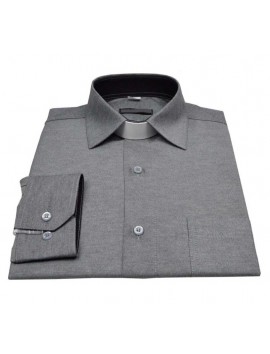
Clergy Shirts
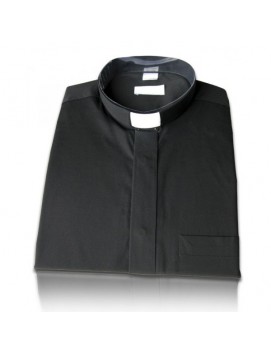
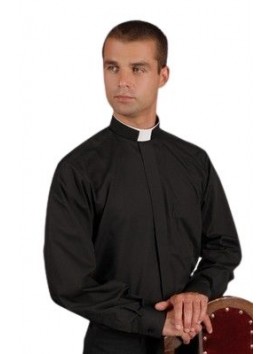
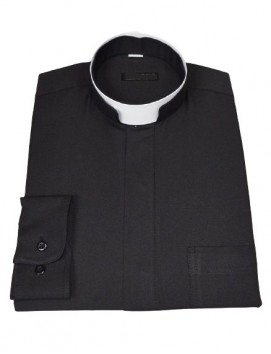
A priest shirt, also called a clerical shirt, is a special shirt worn by clergy—priests, pastors, and ministers—when serving their community or leading ceremonies. The most recognizable feature? That white collar stands out against a black (or sometimes colored) shirt. It’s not just a fashion statement—it’s a symbol of commitment, humility, and service.

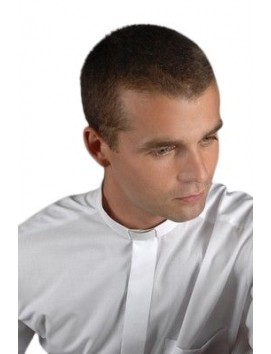
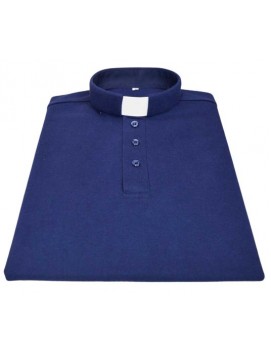
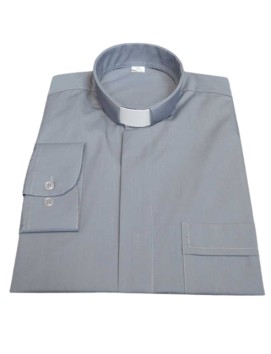
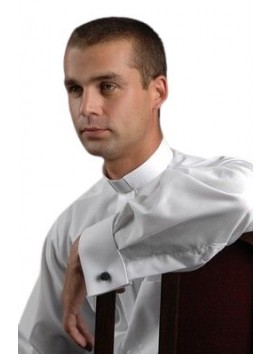
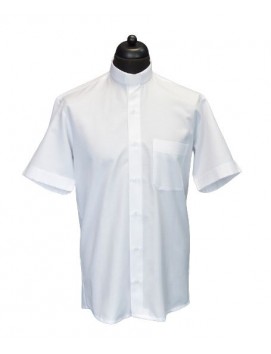
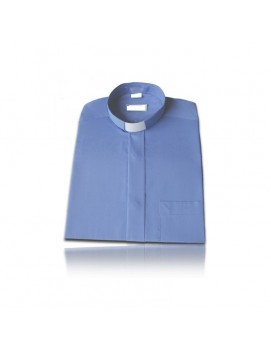
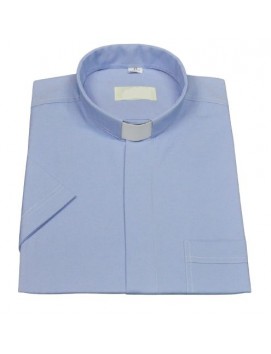
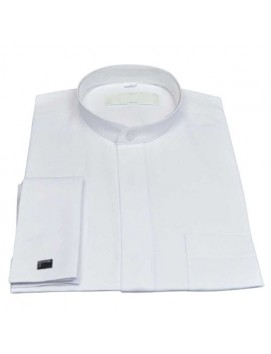
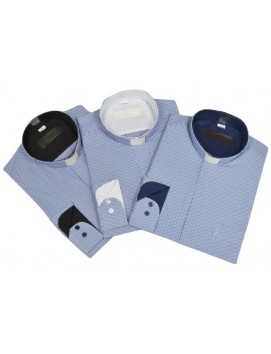
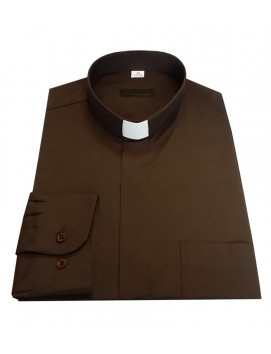
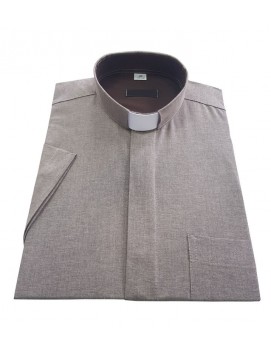
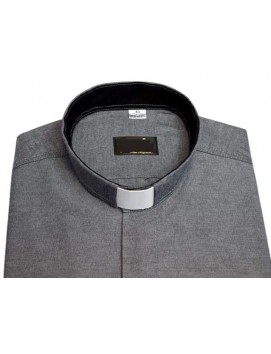
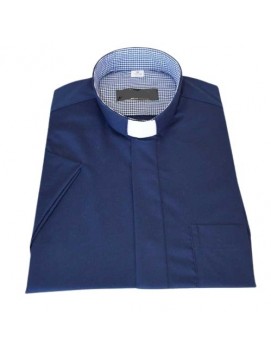
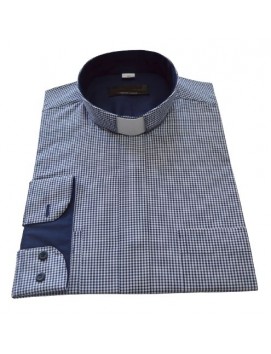
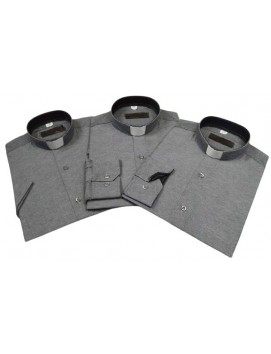
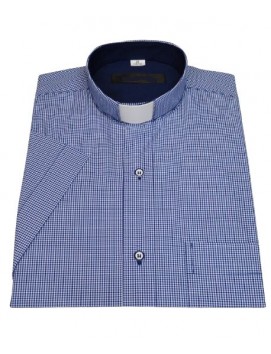
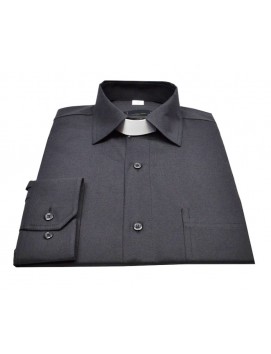
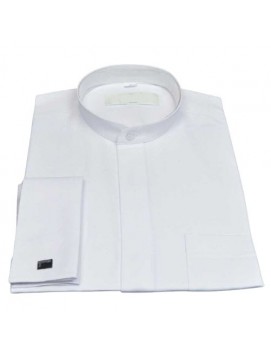
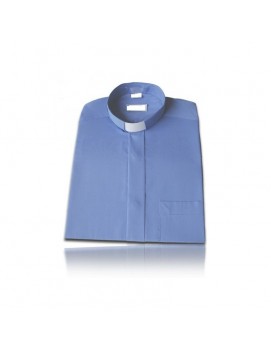
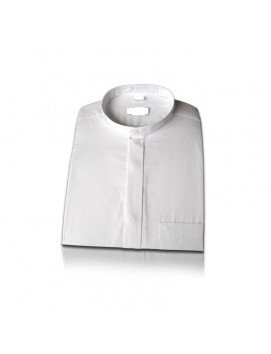
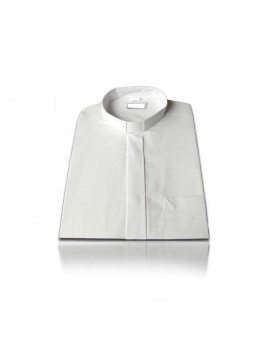
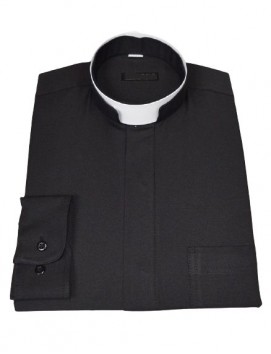
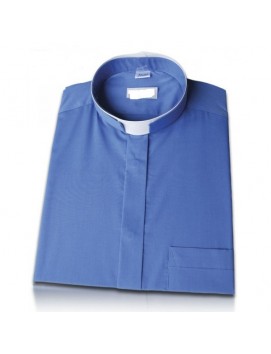
What are the different types of priest shirts and collars?
Main Types of Priest Shirts
Tab Collar Shirt (Roman Collar Shirt):
This is the classic look. The shirt has a high collar with a small slot in the front where a white tab slides in. The result? A small white rectangle at your throat—instantly recognizable. It’s easy to wear and swap out and works for daily ministry or formal occasions.Neckband Shirt:
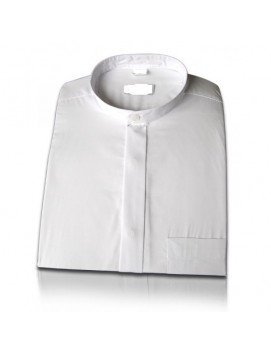
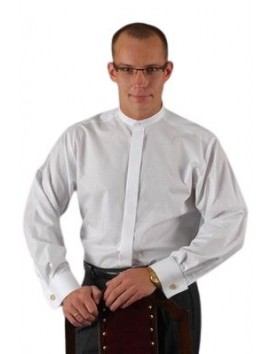
Think of this as a collarless shirt with a special band around the neck. You attach a full, detachable white collar (usually made of cotton or plastic) that circles the neck completely. This style is traditional, often worn under a waistcoat or rabat, and gives a more formal, old-school vibe.Tunnel Collar (Slip-in Collar):
This design features a tunnel or channel around the neck where you slip in a detachable collar tab. It’s similar to the tab collar but has more structure and coverage.Tonsure Collar:
Less common, this style rises slightly above the shirt, revealing a tab and peak around the top. It’s a nod to historical clerical fashion, primarily seen in certain denominations or for ceremonial use.
Key Types of Clerical Collars
Tab Collar:
The most popular option. A small, stiff white tab is inserted into the shirt’s collar, showing a white rectangle at the front. It’s modern, practical, and easy to maintain.Full Band Collar (Dog Collar):
This is a full, circular white collar that wraps around the neck. It’s more visible than the tab collar and often associated with Anglican or Protestant traditions. It’s called a “dog collar” informally, but it’s all about tradition and visibility.Neckband Collar:
A white band or strip that fastens around the neck, usually attached with collar studs or buttons. This collar is often worn with a neckband shirt and can be removed for cleaning or replaced as needed.
Want the full picture? Our illustrated guide to the types of clerical collars and their meanings compares every style side by side, with a denomination-by-denomination table.
Color Options and Their Meanings
Black:
The go-to color for most priests, symbolizing humility and service.Purple:
Often worn by bishops or during certain liturgical seasons.White, Blue, Grey:
Used for special occasions, different denominations, or personal preference.
How to Choose the Right Priest Shirt and Collar
Consider the Occasion:
Tab collars are great for everyday ministry. Full band collars work well for formal events or traditional settings.Think About Comfort:
Modern shirts use breathable blends like polycotton, perfect for long days.Match Your Denomination:
Some traditions prefer specific collar styles or colors. Always check your church’s guidelines.Personal Preference:
Short sleeves for summer? Slim fit for a modern look? Today’s options let you stay comfortable and professional.
Can I wear a priest shirt without a collar?
You can wear a priest's shirt without a collar. Some clergy shirts are designed to be worn without the formal white collar, giving you a more casual look for everyday activities or when you want to blend in more. Not every situation calls for the full clerical uniform, and having the option to go collarless can make life easier, especially on busy days or when you’re off-duty.
Why Would You Wear a Priest Shirt Without a Collar?
Let’s keep it simple:
Casual Settings: Sometimes you want to look approachable and relaxed, not formal or intimidating.
Everyday Tasks: Running errands, teaching, or grabbing coffee? A collarless clergy shirt keeps you comfortable and identifies you as clergy if someone knows what to look for.
Personal Preference: Some priests prefer less formality outside of church services. It’s about what works for your ministry and your comfort level.
Are There Rules About Wearing the Collar?
Here’s the deal: No universal law says you must wear a collar every time you wear a priest shirt. Most dioceses and denominations leave it up to local custom, common sense, and personal preference. Some priests wear the collar everywhere—at the bank, grocery store, or even the movies—while others reserve it for church services, official duties, or public ministry.
What About Church Guidelines?
Catholic and Anglican Traditions: The collar is a potent symbol of vocation, but even here, it’s not always required outside of official duties. For example, the U.S. Conference of Catholic Bishops prefers priests to wear the collar “pretty much all the time,” but it’s not strictly enforced.
Other Denominations: Policies vary, and many churches have no strict guidelines. It’s about what your community expects and what makes sense for your role.
What do the colors of priest shirts mean?
Black Priest Shirt: Humility and Tradition
Black is the classic, most recognizable priest shirt color. Seeing a priest or minister in a black shirt is a sign of humility, service, and tradition. Black is worn by Catholic, Methodist, and many Protestant clergy for everyday ministry and public appearances. It’s the go-to color for showing dedication and a life set apart for spiritual service.
Red Priest Shirt: Authority and Martyrdom
Red or maroon shirts are typically reserved for bishops and senior clergy. In many denominations, a red clergy shirt signals that the wearer holds a higher rank, such as bishop or cardinal. Red also represents the Holy Spirit, the blood of martyrs, and is worn during feasts, Pentecost, or commemorative services for martyrs.
Purple Priest Shirt: Repentance and Episcopal Rank
Purple is another color closely linked to the church hierarchy. Bishops and senior bishops often wear purple shirts, especially during services of repentance or solemn occasions. It’s a color that signals authority and the themes of penance and reflection. Sometimes, a junior bishop will wear purple in the presence of a senior bishop to distinguish their rank.
Bishops' shirts from our atelier come in amaranth — see the bishop's shirt, the cufflink version and the Roman bishop's shirt.
White Priest Shirt: Purity and Celebration
White priest shirts are worn for special ceremonies—weddings, baptisms, funerals, and major religious holidays. White symbolizes purity, innocence, and joy. Typically, white shirts are worn under vestments during the ceremony, rather than as everyday attire.
Blue and Royal Blue Priest Shirts: Devotion and Dignity
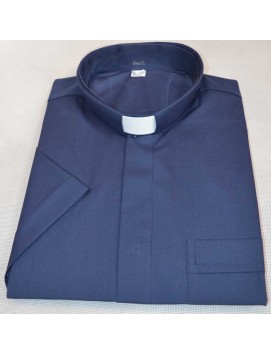
Blue, especially royal blue, is less common but carries its powerful meaning. Blue is often associated with devotion, training, and the Virgin Mary. Royal blue, in particular, stands for trust, loyalty, and dignity, and may be worn by newly ordained clergy or for special occasions.
Grey and Other Colors: Practicality and Local Custom
Grey, light blue, and other muted tones are sometimes used for daily wear, especially in warmer climates or for less formal occasions. These colors don’t always carry strong symbolic meaning but can reflect local tradition, climate, or personal preference.
Shop by color: blue clergy shirt, navy-blue grid, grey with black inset, brown, beige and Kent collar in mixed colors. For the symbolism behind each one, see what the colors of clergy shirts mean.
Why Do the Colors Matter?
Rank & Role: Colors like red and purple instantly signal leadership or specific church offices.
Season & Occasion: White and red might be worn for particular liturgical seasons or events.
Tradition: Black remains the standard for humility and service, while blue and grey offer flexibility.
Quick Reference Table
| Color | Meaning/Use |
|---|---|
| Black | Humility, tradition, and daily ministry |
| Red | Bishop/cardinal rank, martyrdom, Holy Spirit |
| Purple | Authority, repentance, and bishop status |
| White | Purity, celebration, and special ceremonies |
| Blue | Devotion, training, and Virgin Mary |
| Royal Blue | Dignity, trust, and special occasions |
| Grey | Practicality, local custom |
How do I choose the right size and fit for a priest shirt?
1. Measure Your Neck Correctly
Your collar size is the foundation of the right fit.
Wrap a soft measuring tape around the base of your neck, where the collar will sit, just above your collarbone and below your Adam’s apple.
Insert one or two fingers between the tape and your neck for comfort.
Record the measurement in inches. If you’re between sizes, round up to the next half-inch for breathing room.
Pro tip: If you plan to wear your shirt with a tie or buttoned up all day, don’t go too tight. Comfort is key.
2. Get the Sleeve Length Right
A priest's shirt with too short or too long sleeves looks off.
Start at the center of the back of your neck.
Run the tape over your shoulder and down your arm to just below your wrist bone, keeping your arm slightly bent.
Write down the measurement and round up to the nearest half-inch if needed.
Tip: Add half an inch for extra comfort if you wear a watch or like a looser cuff.
3. Check Your Chest and Waist
Measure around the fullest part of your chest with arms relaxed at your sides.
For the waist, measure around your natural waistline.
Use these numbers to match size charts from your preferred supplier—most brands provide detailed tables for chest, waist, and collar sizes.
4. Consider Shirt Style and Fabric
Choose a style that suits your needs: Tab collar for daily wear, full band for formal occasions.
Pick breathable, durable fabrics like cotton or polycotton blends for long-lasting comfort.
Account for shrinkage if you buy natural fibers—size up if you’re between sizes.
5. Move Around—Test the Fit
A well-fitted priest shirt should:
Allow easy movement in the shoulders and arms.
Sit comfortably at the collar—snug but not tight.
Have sleeves that reach just below your wrist bone.
Look sharp and professional, without bunching or pulling.
6. Use Size Charts
Always check the brand’s specific size chart. Here’s a quick example:
| Collar Size | Chest (inches) | Waist (inches) |
|---|---|---|
| 15" | 38-39" | 33-35" |
| 16" | 42-43" | 36-38" |
| 17" | 45-46" | 39-41" |
If you’re between sizes, go up for comfort, especially if you’ll be active or layering.
Measuring for a cassock, alb or surplice follows the same principle — see our step-by-step cassock sizing guide.
What materials are best for priest shirts?
Cotton: The Gold Standard for Comfort
Cotton is hands-down the most popular choice for priest shirts. Why?
Breathable: Keeps you cool, even on long days.
Soft: It feels great against your skin, especially if you wear it for hours.
Natural fiber: Less likely to irritate sensitive skin.
Classic look: Cotton holds color well and looks crisp when ironed.
If you want a shirt that’s comfortable in every season and easy to care for, 100% cotton is a solid bet.
Polyester & Cotton Blends: The Best of Both Worlds
Polyester/cotton blends are everywhere in the world of clergy shirts—and for good reason:
Durability: Polyester adds strength, so your shirt lasts longer and resists wear and tear.
Easy Care: These shirts are wrinkle-resistant and require less ironing.
Color retention: They keep their color after many washes.
Affordable: Usually more budget-friendly than pure cotton.
A typical blend is 65% polyester and 35% cotton, which gives you comfort with added practicality.
Poplin and Fil a Fil: Lightweight and Professional
Poplin and fil a fil are specific weaves that work great for priest shirts:
Poplin: Smooth, lightweight, and subtle sheen—perfect for a polished, professional look.
Fil a fil: A fine, breathable weave that’s light but still durable, ideal for warm climates or summer wear.
Linen: Elegant and Cool
Linen is another classic, especially for sacred vestments.
Lightweight and cool: Great for hot weather.
Elegant texture: Looks refined and feels luxurious.
Quick-drying: Perfect if you’re on the move or need to wash and wear.
The downside? Linen wrinkles more easily, so it’s best for special occasions or when you want to make an impression.
Microfiber and Innovative Fabrics
Some modern priest shirts use microfiber or new synthetic blends:
Lightweight and breathable: Ideal for those who want something ultra-modern.
Stretch: Some have a bit of stretch for added comfort and movement.
Specialized Options
Clerical polo shirts: Made from fine cotton, these are casual, breathable, and great for travel or summer.
Clerical blouses for women: Often use stretch cotton for comfort and a tailored fit.
Shop the fabrics: plain long-sleeve shirt in 100% cotton, short-sleeve 100% cotton, priest's shirt 100% cotton, light 60% cotton blend and the elan-cotton priest's shirt.
Quick Comparison Table
| Material | Comfort | Durability | Care | Best For |
|---|---|---|---|---|
| 100% Cotton | High | Medium | Easy/Medium | Every day, all seasons |
| Poly/Cotton Blend | High | High | Easiest | Busy clergy, travel |
| Poplin/Fil a Fil | High | High | Easy | Warm climates, formal |
| Linen | High | Medium | Needs ironing | Special occasions |
| Microfiber/Synthetics | High | High | Easiest | Modern, active clergy |
What should I consider when choosing a supplier for clergy shirts?
1. Range of Options
Ask yourself: Does this supplier offer a full range of clergy shirts?
Look for various styles (tab collar, neckband, tonsure, tunic), colors, and sizes.
Check if they provide shirts for both men and women, and if they can customize them to their special needs or preferences.
A good supplier should also offer matching accessories like collars, buttons, and cases.
2. Quality of Materials and Craftsmanship
Quality is non-negotiable.
Ensure the supplier uses high-quality fabrics—think cotton, poly-cotton blends, poplin, or Fairtrade cotton.
Inspect the stitching, buttons, and overall finish. Well-made shirts last longer and look sharper.
Could you ask about their production process and where the shirts are made? Experience in tailoring and attention to detail matter a lot.
3. Experience and Reputation
You want a supplier with a solid track record.
How long have they been in business? Decades of experience usually mean they know what clergy need.
Check reviews, testimonials, and ask for recommendations from other clergy members.
Established suppliers often have better customer service and understand the unique requirements of clergy attire.
4. Sizing and Customization
Fit is everything.
Does the supplier offer various sizes, including custom sizing for unique body types?
Do they provide clear size charts and guidance for measuring yourself?
Can you order custom-made shirts if you have special requirements?
5. Ordering Process and Customer Service
A smooth experience makes all the difference.
Is it easy to order online or in-store? Do you know if the steps are clear and straightforward?
What’s the lead time for delivery, and do they offer rush options if you’re in a hurry?
How do they handle returns, exchanges, or alterations? Good suppliers stand by their products and make adjustments easy.
6. Price and Value
Stay within your budget, but don’t sacrifice quality.
Compare prices, but remember that the cheapest option isn’t always the best.
Look for multi-buy discounts or value packs if you need several shirts.
Make sure you’re getting good value for the quality and service provided.
7. Ethical and Sustainable Options
If this matters to you, check for Fairtrade or ethically sourced materials. Some suppliers specialize in sustainable clergy apparel, which is a great bonus.
Can priests wear regular clothes outside of church?
Priests can wear regular clothes outside of church. When they’re not performing official duties—like celebrating Mass, leading services, or representing the church formally—priests are allowed to dress just like anyone else. That means jeans, t-shirts, suits, or whatever fits the occasion and their style.
Why Do Some Priests Still Wear Clerical Attire?
You might notice some priests still wearing their collars or cassocks at the grocery store or out with friends. Here’s why:
Visibility: Wearing clerical attire keeps them recognizable as spiritual leaders in the community. Some priests feel this helps them stay connected to their vocation and makes them approachable for anyone seeking guidance.
Personal Preference: For many priests, wearing the collar is a point of pride and a daily reminder of their calling. It’s also easier—no need to think about what to wear daily.
Cultural and Local Traditions: In some countries or communities, it’s common (even expected) for priests to wear clerical clothing almost everywhere. In others, especially in the U.S. or Western Europe, it’s more relaxed and up to the individual priest.
Are There Any Rules About Priests Wearing Normal Clothes?
There aren’t strict universal rules. Most Catholic and Orthodox priests can choose what they wear when off-duty, though some dioceses or religious orders may have their guidelines. The main expectation is priests dress modestly and with dignity, whether in clerical attire or regular clothes. Some Orthodox traditions are stricter, especially in their home countries, but even there, exceptions are made for personal time or practical reasons.
When Do Priests Usually Wear Normal Clothes?
Personal Time: At home, with family, or while running errands, many priests opt for regular clothes.
Casual Events: Social gatherings, vacations, or informal activities are standard times for priests to dress down.
Practical Reasons: If a cassock or collar isn’t useful, like during sports, chores, or travel, priests often switch to street clothes.
How do I care for and maintain my priest shirt?
1. Always Check the Care Label
Before you do anything, read the care label inside your priest shirt.
It tells you the fabric type (cotton, polyester, blends) and gives you the best washing and ironing instructions.
If you’re unsure, check the supplier’s website or seek guidance.
2. Wash Gently—Less is More
Use mild detergent and cold water to prevent fading and fabric damage.
Avoid harsh chemicals and bleach—they can ruin the color and weaken the fibers.
For machine washing, use a gentle cycle and, if possible, a mesh laundry bag to protect the shirt from snags and wrinkles.
Wash only when necessary—overwashing wears out the fabric faster.
3. Dry Carefully
Air dry your priest shirt on a contoured hanger, away from direct sunlight, to prevent fading.
Never use a tumble dryer—heat can shrink or damage the fabric and affect the shirt’s shape.
Let odors dissipate before placing the shirt in a garment bag for storage.
4. Iron with Caution
If your shirt needs ironing, check the care label first—some fabrics can’t handle high heat.
Use a pressing cloth between the iron and the shirt to avoid burn marks or shine.
Ironing helps keep your shirt crisp and professional, but skip it if the fabric is delicate or labeled “no iron”.
5. Store Properly
You can just hang your priest shirt on a contoured hanger to maintain its shape.
Fasten all buttons and cuffs to prevent wrinkles and sagging.
You can use garment bags for long-term storage, but let the shirt air out first to avoid moisture buildup.
6. Spot Clean When Needed
For minor stains, spot clean immediately with cold water and a soft towel.
Avoid scrubbing hard—gentle dabbing protects the fabric.
7. Professional Cleaning for Special Fabrics
Consider professional dry cleaning if your shirt is made from delicate materials (like wool or silk).
Don’t mix clergy shirts with regular laundry or use inexperienced cleaners.
For altar linens and vestments, see our companion guide to storing and ironing vestments.
Quick Checklist
Read the care label every time.
Use mild detergent and cold water.
Air dry on a hanger, away from sunlight.
Iron with a pressing cloth if needed.
Store on contoured hangers, cuffs, and buttons closed.
Spot clean stains quickly.
You can use professional cleaning for delicate fabrics.
What are modern clergy shirts?
Modern clergy shirts keep the traditional collar system but update the cut and the fabric: a slimmer silhouette, lighter cotton blends and details like covered plackets and cufflink cuffs. If you want the recognizable clerical look with a contemporary fit, these are the shirts to consider.
Slim-fit and tailored cuts
Our slim-fit shirts follow the body without pulling at the buttons — a good choice for younger clergy and anyone who finds classic cuts too boxy. See the slim model, the slim navy-blue grid and the slim grey.
Breathable, easy-care fabrics
Look for elan cotton, fine poplin or a cotton-rich blend: light on the shoulders, easy to wash and quick to dry — practical for warm climates and long days of ministry. Examples: the elan-cotton priest's shirt and the 60% cotton short-sleeve shirt.
Patterns and colors beyond black
Modern does not have to mean plain: subtle grids, navy tones and the Kent collar in mixed colors keep the shirt professional while standing out from the standard black. Browse the navy small-grid and Kent collar styles.
Can I order custom or bulk clergy shirts?
Yes. Sewofworld is a working vestment atelier, not a reseller — we cut, sew and embroider in our own workshop in Poland, which means sizes, fabrics and finishes can be adapted to order.
Made-to-measure sizes
Beyond the standard size chart, we can adjust sleeve length, body width and collar size for a precise fit. Send your measurements through the contact form and we will confirm what is possible for the shirt you choose.
Embroidery and personalization
Hand embroidery is our specialty: monograms, initials or parish emblems can be added to shirts and vestments. Tell us the design and placement via the contact form for a quote.
Bulk orders for parishes, choirs and ministries
Ordering for a whole parish, choir or seminary? We regularly produce matching sets — ask about combined shipping and lead times via the contact form.
What is a clerical shirt front?
A clerical shirt front is a separate front piece with a collar, worn under a rabat, waistcoat or cassock to give the neat look of a buttoned shirt without the bulk of a full shirt. It fastens around the neck and waist and was historically popular with Anglican and Catholic clergy for formal dress. If you are looking for the same effect today, see our white shirt under the cassock and the cufflink version.
Complete the look: pair your shirt with a collarette or collar.
