
No products
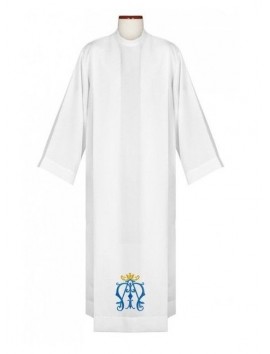
Clergy Albs
Shop made-to-measure clergy albs in cotton, linen and blends — made in Poland and shipped worldwide.
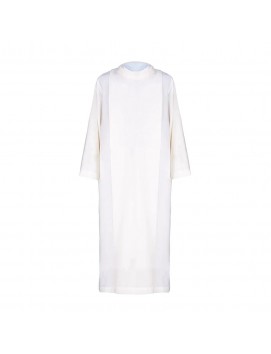
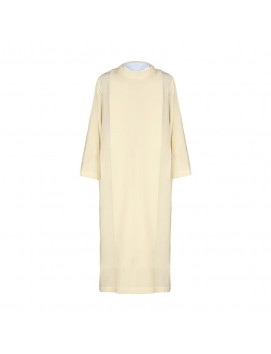
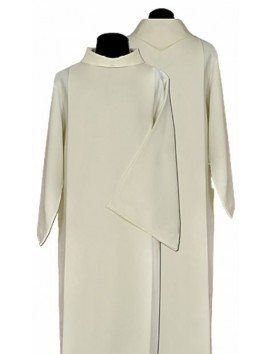
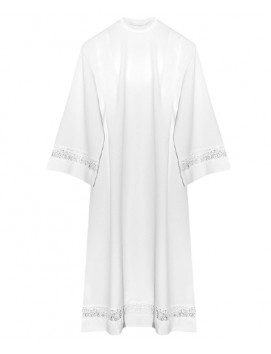
A clergy alb is a long, white robe worn by priests, deacons, and sometimes lay ministers during church services. If you’ve ever seen someone leading worship in a simple, flowing white garment, that’s the clergy alb in action. It’s not just a piece of clothing—it’s a symbol of purity, service, and tradition that stretches back centuries.
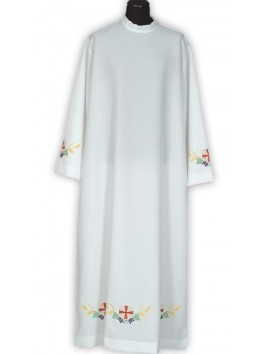
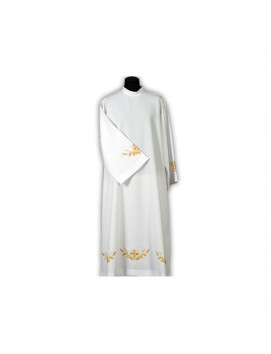
Priest's alb with guipure insert (04) Priest's alb with guipure insert (04)
Priest's alb with guipure insert (04) Priest's alb with guipure...
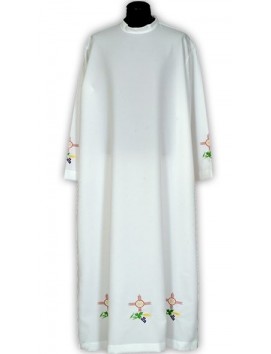
$ 1213Review(s)Embroidered priest's alb (5) Embroidered priest's alb (5)
Embroidered priest's alb (5) Embroidered priest's alb (5)
$ 1271Review(s)

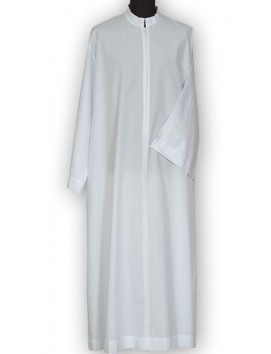
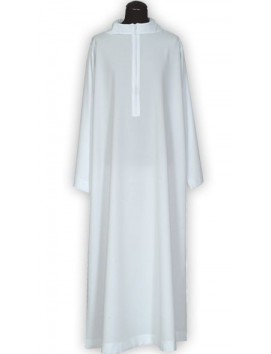
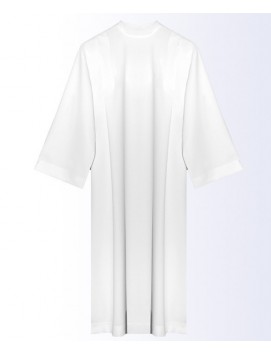
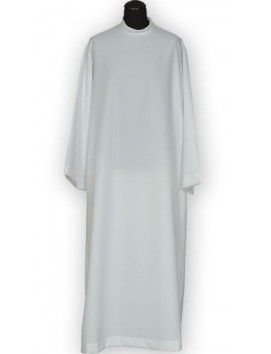
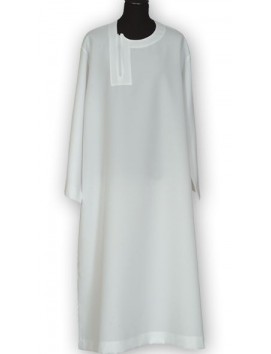
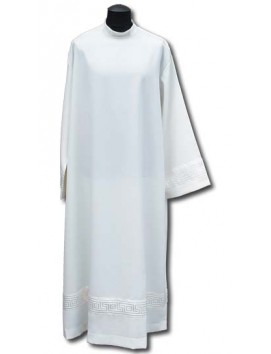
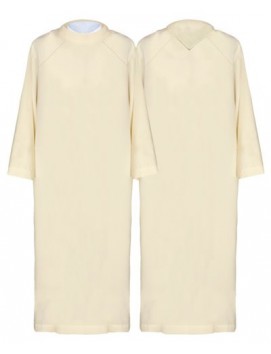
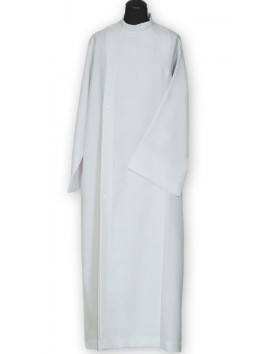
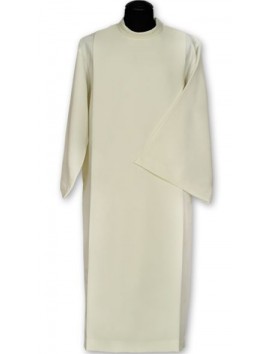
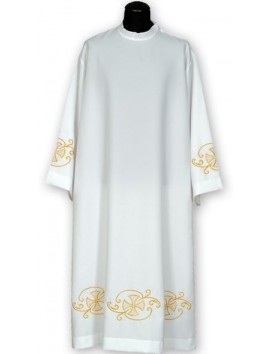
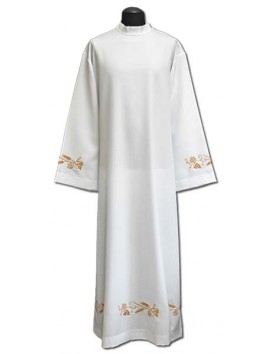
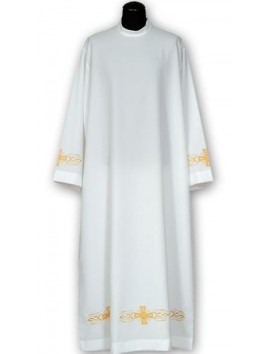
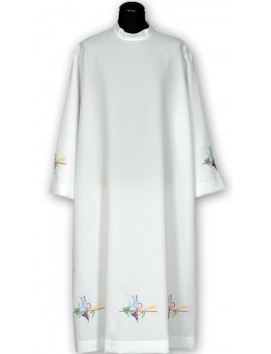
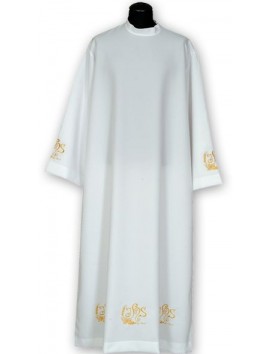
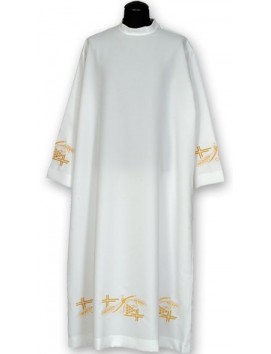

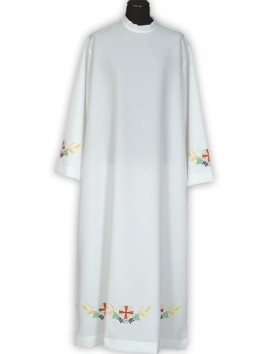
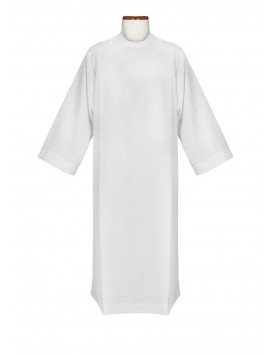
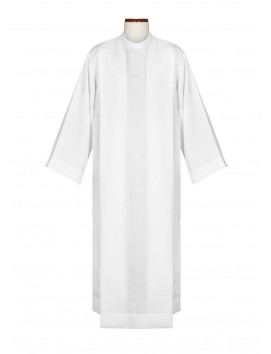
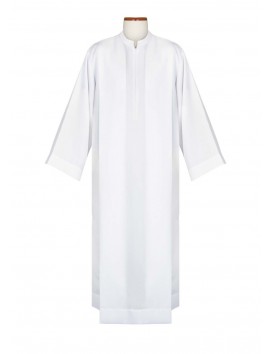
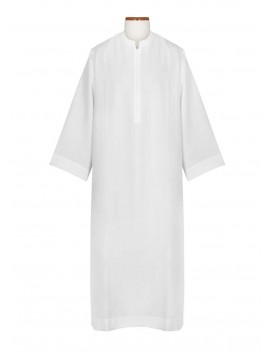
Who can wear a clergy alb?
Priests, Deacons, and Bishops: The classic image—these ordained ministers wear the alb during Mass and other liturgical celebrations. For priests and bishops, it’s worn under the chasuble; for deacons, under the dalmatic.
Acolytes: Anyone assisting at the altar, including young servers, can wear a clergy alb. It’s about serving with dignity and unity, not about rank.
Why Do So Many People Wear the Alb?
The clergy alb isn’t just a uniform. It’s a symbol. The white color stands for purity and the new life received at baptism. By putting on the alb, everyone—clergy and lay—shows they’re serving for something bigger than themselves. It’s about humility, unity, and focusing on the act of worship, not personal status.
What are the historical origins of the alb?
The alb’s history is rooted in the everyday life of the ancient Roman Empire. Initially, the alb wasn’t a mystical or uniquely religious garment—it was just the standard-issue white tunic (tunica alba) worn by Roman citizens and enslaved people alike. This tunic was knee-length, girded at the waist, and served as an undergarment beneath outer layers like the toga or paenula. By the early fourth century, Roman fashion shifted among the elite to longer, ankle-length tunics called tunica talaris. Eventually, this practical garment became known simply as the “alb,” from the Latin albus, meaning white.
How Did the Alb Become a Liturgical Vestment?
Here’s where things get interesting. Early Christians didn’t set out to create special church clothes. They wore what everyone else wore. However, as Christianity became more organized, especially after it gained legal status in the Roman Empire around 313 A.D., church leaders began to formalize worship, including their attire. By the late fourth and early fifth centuries, the alb had become the official dress for deacons, priests, and bishops during liturgical functions. The Council of Narbonne in 589 A.D. cemented the alb’s status as a key vestment for clergy.
Why Did the Alb Matter?
The alb’s transformation from streetwear to sacred vestment wasn’t just about fashion. The white color symbolized purity and the new life of baptism, connecting the wearer to the spiritual ideals of the faith. Over time, the alb became a visual reminder that everyone—clergy and laity—stood equal before God, cleansed and ready to serve.
How Has the Alb Changed Over Time?
While the basic form of the alb—white, ankle-length, long-sleeved—has remained consistent, details have evolved. In the Middle Ages, albs were often decorated with embroidery, lace, or brocade at the hem and cuffs. The fit shifted from closely tailored to more flowing, reflecting broader changes in clothing styles. By the 16th century, lace became a popular addition, and in the 20th century, the plain white alb came back, especially after the Second Vatican Council.
What is the difference between an alb and a cassock?
The difference between an alb and a cassock comes from purpose, color, and tradition. Here’s the quick answer:
The alb is a long, white liturgical vestment worn over other clothes during worship services.
The cassock is a long, close-fitting, often black robe worn as everyday clerical attire or as a base layer under other vestments.
Now, let’s get into the details.
The Alb: Symbol of Purity and Service
When someone asks, “What is the difference between an alb and a cassock?” I always start with the alb. The alb is all about liturgy. It’s white, ankle-length, and usually made of linen or cotton. The alb symbolizes purity, a fresh start, and unity among those serving at the altar. You’ll see priests, deacons, altar servers, and some lay ministers wearing an alb during Mass or other services. The alb is tied at the waist with a cincture—a simple cord—and sometimes decorated with subtle embroidery or lace.
Key points about the alb:
Always white or off-white
Worn during worship
Symbolizes purity and equality
Used by clergy and lay ministers alike
The Cassock: Everyday Clerical Wear
Now, let’s talk about the cassock. The cassock is not a liturgical vestment—it’s what clergy wear as their daily uniform. Picture a long, fitted, button-down robe, usually black but sometimes in other colors depending on rank or tradition. The cassock is about identity and function outside the direct act of worship. In some traditions, the cassock is worn under the alb or other vestments during services, but it’s not used for liturgy on its own.
Key points about the cassock:
Usually black, sometimes colored for bishops or canons
Worn as daily clerical clothing
Fitted and buttoned from neck to ankle
Not a liturgical vestment by itself
Alb vs. Cassock: Quick Comparison Table
| Feature | Alb | Cassock |
|---|---|---|
| Color | White or off-white | Black (or colored for rank) |
| Use | Worn during worship/liturgy | Worn as daily clerical attire |
| Symbolism | Purity, baptism, service | Clerical identity, tradition |
| Who Wears It | Clergy, altar servers, ministers | Clergy, seminarians |
| Fit | Loose, flowing | Fitted, buttoned |
Why Does the Difference Matter?
Understanding the difference between an alb and a cassock isn’t just about fashion—it’s about meaning. The alb connects you to worship, reminding everyone of their shared calling and purity. The cassock is about daily life, setting clergy apart as spiritual leaders in the community.
What styles of albs are available (Roman, Gothic, Monastic)?
Each style has its look, feel, and purpose in worship. Here’s what you need to know:
Roman-Style Alb
Fit: More tailored and fitted to the body.
Collar: Features a gathered collar, giving it a structured look.
Tradition: Popular in Roman Catholic settings and among clergy who want a classic, dignified appearance.
Best For: Priests prefer a traditional, close-fitting vestment that stays in place during movement.
Gothic-Style Alb
Fit: Flowing and loose with ample fabric.
Collar: Simple, often rounded or cowl-style, for easy wear.
Tradition: Common in both Catholic and Anglican churches, especially for those who want comfort and a dramatic, graceful drape.
Best For: Anyone who values comfort and wants a vestment that moves easily with the body. Great for both clergy and lay ministers.
Monastic-Style Alb
Fit: Wide sleeves and a generous cut, often with a hood.
Features: The hood is a signature element, echoing the monastic roots.
Tradition: Favored by monks but also used by clergy and altar servers who appreciate the simplicity and practicality.
Best For: Monastic communities, those who serve in contemplative settings, or anyone who loves the classic monastic look.
Quick Comparison Table
| Style | Fit/Shape | Collar/Hood | Typical Use |
|---|---|---|---|
| Roman | Fitted, tailored | Gathered collar | Traditional Catholic clergy |
| Gothic | Flowing, loose | Simple/cowl collar | Catholic, Anglican, comfort-focused |
| Monastic | Wide sleeves, roomy | Hooded | Monks, servers, and contemplatives use |
What Else Should You Know?
Materials: Most albs are made from white cotton, linen, or polyester blends for easy care and durability.
Customization: Many suppliers offer made-to-measure options, embroidery, lace, or pleats for extra detail.
Practical Tips: Consider where you’ll be serving and your comfort—Gothic for movement, Roman for tradition, Monastic for simplicity.
What materials are used to make your albs?
Here are the top options you’ll find in churches today:
Linen
Classic and Traditional: Linen is the original material for albs, which has existed for centuries.
Breathable and Lightweight: Perfect for long services and warm climates.
Crisp Look: Linen holds pleats well and always looks sharp.
Care: It needs regular ironing and careful washing, but it's worth it for that authentic, classic feel.
Cotton
Comfortable and Soft: Cotton albs are easy to wear for hours.
Suitable for Sensitive Skin: Natural fibers mean less irritation.
Affordable and Easy to Clean: Machine washable and holds up to repeated use.
Drawback: It can wrinkle easily, so you may need to iron it.
Polyester
Modern and Practical: Polyester is the go-to for many churches today.
Stain-Resistant and Durable: Holds color, resists stains, and stands up to frequent washing.
Low Maintenance: Crease-resistant and easy to care for—wash and go.
Breathability: Not as airy as linen or cotton, but new blends are improving yearly.
Cotton-Polyester Blends
Best of Both Worlds: Get the comfort of cotton and the durability of polyester.
Easy to Care For: Less wrinkling, more stain resistance, and still feels soft.
Popular Choice: Many modern albs use a 50/50 blend for everyday practicality.
Specialty Fabrics
Gabardine: A type of polyester with a stretch, used for fitted albs that need to keep their shape.
Elan-Cotton: Lightweight, breathable, and wrinkle-resistant—great for comfort and durability.
Wool or Wool Blends: Rare, but sometimes used for high-end or winter albs. Warm and luxurious, but usually dry clean only.
Why Does Fabric Matter?
The material you choose affects:
Comfort: Lightweight and breathable fabrics keep you calm and focused.
Appearance: Crisp, clean lines look professional and reverent.
Longevity: Durable fabrics mean your alb will last years, even with frequent use.
Care: Some fabrics need more ironing or special washing—know what you’re signing up for.
How do I choose the right size and fit for an alb?
1. Measure Your Height
Height is the starting point. Most alb sizing charts are based on height, since the alb should end just above the floor or at your mid-ankle after tying the cincture.
Check the manufacturer’s chart. For example, if you’re 5'8" to 5'11", you’ll likely need an alb with a back length of about 43–60 inches, depending on the style.
Tip: Always try on the alb with the cincture tied—this affects the final length.
2. Take Key Body Measurements
Back Length: Measure from the nape of your neck to where you want the hem to fall (usually just above your shoes).
Chest and Waist: Measure around the fullest part of your chest and your waist. Some albs use these measurements for a more tailored fit, especially if you have a broader or narrower build than average.
Sleeve Length: Measure from your shoulder to your wrist for the right sleeve length.
Neck Size: Some styles require a neck measurement, especially with a fitted collar.
3. Choose the Right Fit
Not Too Tight, Not Too Loose: Your alb should allow you to move freely but not look baggy or sloppy.
Length Matters: The hem should cover your shoes but not drag on the floor. You can “bloom” the alb over the cincture if it's too long to adjust the length.
Sleeves: Make sure sleeves aren’t too short or long—they should end at your wrist for a polished look.
4. Check the Style and Tradition
Different styles (Roman, Gothic, Monastic) may fit differently. Always reference the specific sizing chart for your chosen style.
Consider your church’s tradition and your comfort. Some prefer a more fitted look, others like a looser, flowing style.
5. Try It On (If Possible)
Fit is personal. Try on a few sizes to see what feels best. Move around, sit, kneel, and raise your arms to test mobility.
Please don't hesitate to ask for help. Having someone else measure you ensures accuracy and saves time.
Quick Sizing Checklist
Measure your height—this is the main factor for length.
Take chest, waist, sleeve, and neck measurements for a tailored fit.
Check the alb’s length after tying the cincture—it should hit mid-ankle.
Reference the manufacturer’s size chart for your chosen style.
You can try on and adjust as needed for comfort and movement.
Can albs be embroidered or decorated?
While the classic alb is simple and white, there’s plenty of room for tasteful decoration that honors tradition and individuality.
Types of Embroidery and Decoration
Crosses and Christian Symbols: The most common embroidery on albs features crosses, doves, or other Christian symbols. These can be placed on the sleeves, hem, or neckline.
Liturgical Colors: Some albs use colored embroidery—gold, red, blue, or green—to reflect the church season or a special celebration.
Lace Inserts: Adding lace to the hem or sleeves is a traditional way to decorate an alb, especially in Roman and Gothic styles.
Personalization: Many clergy add initials, a family crest, or a particular scriptural reference for a personal touch.
Where Can Albs Be Embroidered or Decorated?
Sleeve Edges: Subtle embroidery or lace at the cuffs adds elegance without distraction.
Hemline: Decorative bands or lace at the bottom of the alb are classic and timeless.
Neckline: Small symbols or colored stitching at the collar can highlight the sacred purpose of the vestment.
Front Panels: Some albs feature vertical bands (apparels) with intricate embroidery running down the front.
What to Consider Before Embroidering or Decorating an Alb
Church Tradition: Some denominations prefer plain albs, while others welcome more elaborate decoration. Always check your church’s guidelines before adding embroidery.
Subtlety is Key: The alb’s prominent symbolism is purity and humility. Keep decorations tasteful and not overly flashy.
Fabric Choice: Linen and cotton albs take embroidery well, while polyester blends may require special threads or techniques.
Care and Maintenance: Embroidered or lace-trimmed albs may need hand washing or dry cleaning to preserve the decoration.
Why Embroider or Decorate an Alb?
Honor Tradition: Many historic albs were beautifully decorated, especially for major feast days or high-ranking clergy.
Express Identity: Embroidery lets you add a unique, personal touch while staying true to the vestment’s purpose.
Enhance Beauty: Tasteful decoration can make an alb stand out for special occasions—ordinations, weddings, or major liturgical celebrations.
What types of lace or embroidery can be added to an alb?
Popular Types of Lace for Albs
Handmade Lace: The gold standard for solemn occasions. Handcrafted lace, like Venetian needle lace or Cantù bobbin lace, features intricate patterns—vines, scrolls, crosses—crafted by skilled artisans. Each piece is unique and adds a sense of reverence and tradition to the alb.
Machine-Made Lace: More accessible and affordable, machine-made lace (like Nottingham or Leavers lace) closely mimics the look of handmade lace. It allows for elaborate designs and is commonly used on modern albs.
Richelieu Lace Embroidery: This perforated, cutwork embroidery technique creates elegant, open patterns—often crosses or floral motifs—along hems and sleeves. Richelieu lace is popular for priestly ordination albs and adds a refined, classic touch.
Lace Inserts and Trims: Lace is most often added to the alb's sleeves, hem, or neckline. Some albs feature wide lace bands up to 50–60 cm, while others use narrower trims for subtle elegance.
Types of Embroidery for Albs
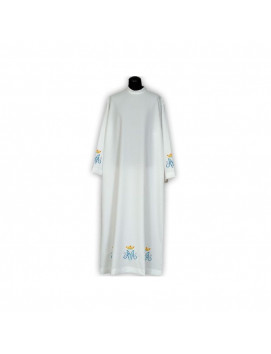
Christian Symbols: Embroidery can include crosses, Eucharistic signs, wheat ears, grapes, fish, or images of the Virgin Mary. These motifs are often placed on the alb's sleeves, hem, or front panels.
Hemstitch Embroidery: A simple, elegant style often done in tone-on-tone or pearl gray threads. Hemstitch can be a single or multiple rows for a more solemn effect, perfect for special occasions like ordinations.
Floral and Ornamental Patterns: Some albs feature floral or vine embroidery, adding a decorative and meaningful element to the vestment.
Personalized Embroidery: Initials, dates, or unique religious symbols can be added for a custom touch, making the alb unique.
Placement and Style Options
Sleeves and Cuffs: Lace and embroidery are commonly added here for visibility and elegance.
Hemline: Wide lace or embroidered bands at the bottom of the alb are traditional and visually striking.
Neckline and Front Panels: Small symbols or vertical bands (apparel) with embroidery can run down the front or accent the collar.
Color Choices: While white and cream are classic, embroidery can be done in gold, red, blue, or green to match liturgical seasons or personal preference.
Why Add Lace or Embroidery to an Alb?
Symbolism: Every stitch or pattern can carry spiritual meaning—crosses for faith, wheat for the Eucharist, vines for growth in Christ.
Tradition: Lace and embroidery connect your alb to centuries of sacred artistry and devotion.
Beauty and Uniqueness: Hand or machine embellishments make your vestment stand out for special liturgies and personal milestones.
Are there options for different colors or just white?
The Classic: White Albs
White is the norm. “alb” comes from the Latin albus, meaning “white.” Traditionally, albs are always white, symbolizing purity, resurrection, and the new life of baptism.
Universal in Western Christianity. Whether Catholic, Anglican, Lutheran, or Methodist, the standard alb is white and worn by clergy, altar servers, and lay ministers during worship.
Are There Any Other Color Options?
Ivory and Off-White: Some albs are available in ivory or off-white. These subtle variations are still considered traditional and maintain the symbolism of purity.
Colored Linings and Inserts: While the main body of the alb remains white, some modern designs add colored lace linings or inserts, such as black, red, or purple, behind decorative lace panels. This adds a touch of color without breaking tradition, and you’ll find albs with red, black, or purple lace backgrounds for visual interest.
Liturgical Vestments vs. Albs: If you’re looking for a bolder color, look to other vestments like the stole, chasuble, or dalmatic. These garments come in green, red, purple, rose, and black, reflecting the liturgical season or special occasions. However, the alb remains white or ivory as a base layer.
Why Stick to White?
Symbolism: White represents joy, purity, and the resurrection—core themes in Christian worship.
Tradition: The alb’s history is rooted in the white tunics of early Christians, which remains strong today.
Uniformity: Keeping the alb white ensures a unified, sacred look for all who serve at the altar.
Creative Options Within Tradition
Lace and Embroidery: Add visual interest with colored lace linings or subtle embroidery, but keep the main fabric white or ivory.
Personalization: Some suppliers offer custom linings or trims in liturgical colors for special occasions, but always check your church’s guidelines first.
Are there specific albs for special occasions like ordinations or festive celebrations?
Embroidered and Decorated Albs for Special Occasions
Ornate Embroidery: Albs for ordinations and festive celebrations often feature intricate embroidery—crosses, floral motifs, or even custom designs that reflect the event’s significance. These elegant touches set the alb apart from everyday vestments and add a sense of occasion.
Lace Accents: For high feasts and ordinations, albs may include lace inserts or trims along the sleeves, hem, or collar, providing a sophisticated, celebratory look.
Premium Fabrics: Special occasion albs are often crafted from luxurious materials like satin, high-quality polyester, or even blends with silk, giving them a refined feel and appearance.
Customization and Personalization
Tailored Fit: Many suppliers offer made-to-measure albs for ordinations, ensuring a perfect fit and maximum comfort on your big day.
Custom Embroidery: You can choose the type of embroidery and placement, and add personal symbols or dates to commemorate the occasion.
Special Designs: Some albs are created for specific events like jubilees, featuring unique logos or motifs relevant to the celebration.
Color and Style Options
Ivory and Off-White: While white remains the standard, some festive albs come in ivory or off-white for a more distinguished look.
Seasonal Accents: Embroidery or cinctures in liturgical colors (gold, red, green) can be added to highlight the season or type of celebration.
Versatility and Tradition
Multi-Use: While some albs are designed for daily use, others are reserved for special liturgical functions—think ordinations, feast days, and major church anniversaries.
Classic and Modern Styles: Whether you prefer a timeless, plain alb or one adorned with modern embroidery, there’s an option that honors both tradition and the spirit of the celebration.
How do I care for and clean my alb?
1. Know Your Fabric
Linen Albs: Linen is traditional, breathable, and looks fantastic, but wrinkles easily. Always check the care label. Most linen albs can be machine washed gently with cold water, but avoid harsh detergents.
Cotton Albs: Cotton is soft and durable. Machine wash in cold or warm water, use a mild detergent, and avoid bleach unless you need to remove tough stains.
Polyester or Blends: These are the easiest to care for. Machine wash in warm water, tumble dry on low, and they’ll come out looking sharp with minimal ironing.
Embroidered or Lace Albs: If your alb has delicate embroidery or lace, hand wash or use a garment bag on a gentle cycle. Air drying is best to protect the details.
2. Remove Stains Promptly
Act Fast: The sooner you treat a stain, the better. Dab (don’t rub) the area with cold water and a mild stain remover.
Special Stains: For wine, wax, or oil, use a targeted cleaner. For wax, freeze and gently scrape off before washing. For wine, blot and soak in cold water before laundering.
3. Drying and Ironing
Air Dry When Possible: Hang your alb on a padded hanger to air dry. This helps prevent shrinking and keeps the shape intact.
Iron for a Crisp Look: Iron linen and cotton albs while slightly damp for best results. Use a cool iron on polyester. Avoid ironing directly over embroidery or lace—use a pressing cloth instead.
4. Storage Tips
Hang, Don’t Fold: Always hang your alb on a wide, padded hanger to avoid creases and keep the fabric smooth.
Cover for Protection: Use a garment bag to protect from dust, sunlight, and accidental spills.
Keep It Fresh: Store in a cool, dry place. Avoid plastic bags for long-term storage, as they can trap moisture and cause mildew.
5. Professional Cleaning
Dry Cleaning: For heavily embroidered, lace-trimmed, or specialty fabric albs, professional dry cleaning is safest.
Annual Deep Clean: Even if you wash your alb at home, consider a professional clean once a year to keep it looking its best.
Quick Care Checklist
Could you check the care label and follow fabric-specific instructions?
Treat stains immediately—don’t let them set.
Please air dry and iron as needed for a polished appearance.
Store on a padded hanger in a garment bag.
Dry clean delicate or ornate albs when necessary.
