
No products
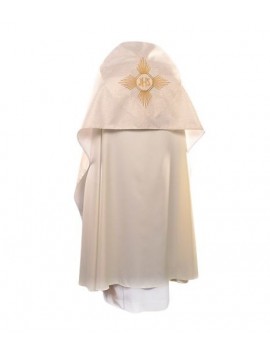
Veils
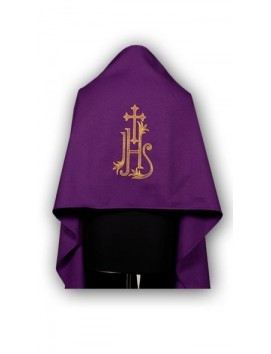
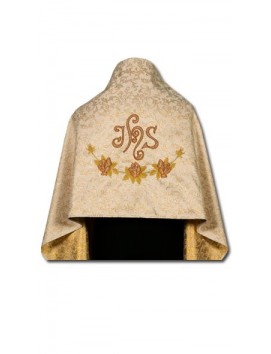
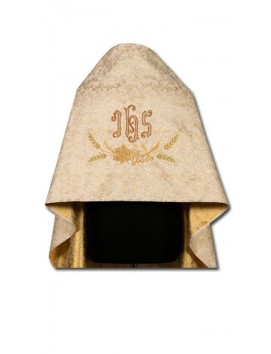
A liturgical veil is a special cloth used in Christian worship to cover sacred objects, spaces, or images. Its main purpose? To show reverence, create a sense of mystery, and help us focus on the deeper meaning behind the rituals. Whether covering the chalice, the altar, or even religious images during Lent, the liturgical veil is all about helping us powerfully connect with the sacred.
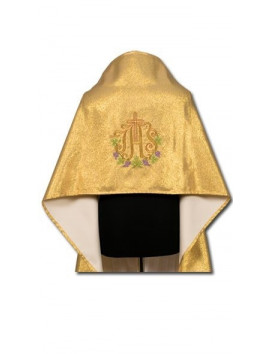
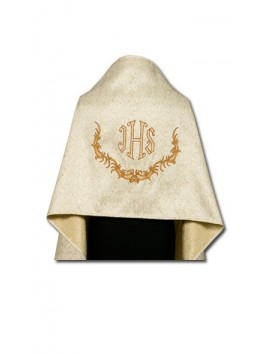
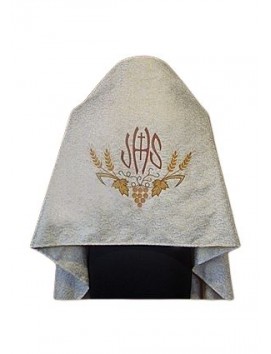
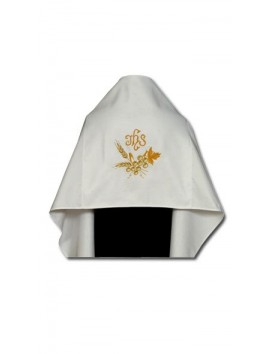
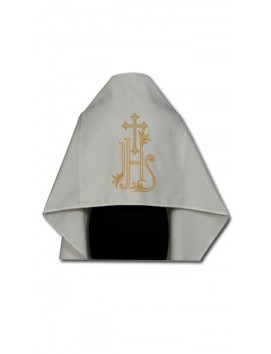
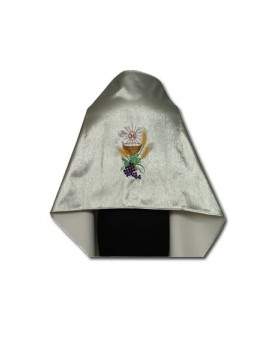
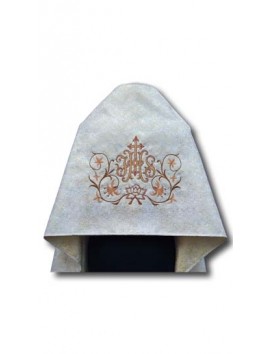
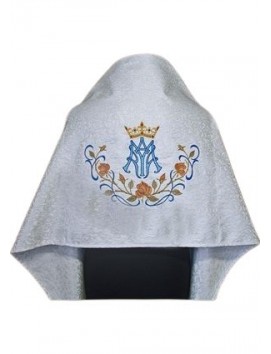
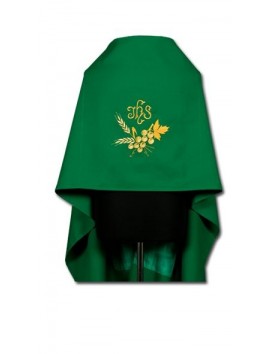
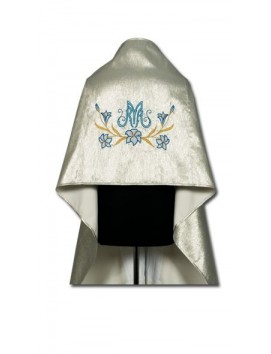
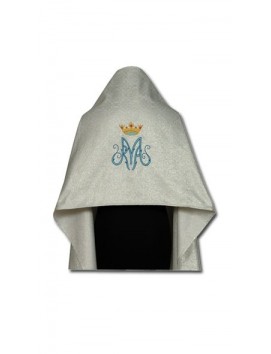
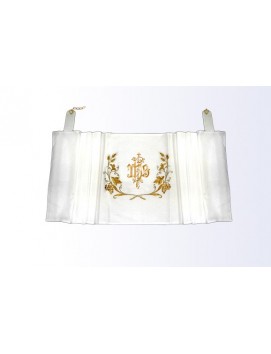
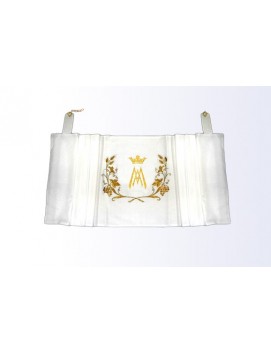
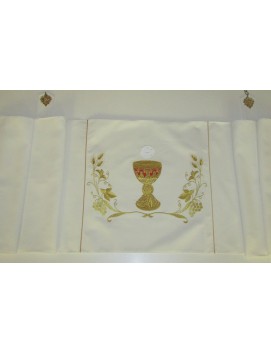
How did the tradition of using veils in Christian worship develop historically?
Historically, the tradition of using veils in Christian worship developed to show reverence, create sacred space, and connect with ancient roots. When I look at this, I see a story that stretches back to the earliest days of faith.
1. Biblical Foundations
Old Testament Roots: Veiling the sacred didn’t start with Christianity. A massive veil in the Jewish Temple separated the Holy of Holies. Only the high priest could pass through, and only once a year. This veil symbolized the mystery and holiness of God.
Early Christian Influence: The first Christians, many of whom were Jewish, brought this tradition into their worship. Covering sacred objects and spaces was a natural extension of their heritage.
2. Early Church Practices
Veiling People and Objects: As Christian worship developed, veils were used to cover not just spaces, but also people (like women covering their heads) and objects (like the chalice and altar). This wasn’t just about modesty but about setting things apart for God.
Symbol of Mystery: Early Christians believed that some things about God should remain hidden, only to be revealed at the right time. The veil became a symbol of that divine mystery.
3. Medieval Expansion
More Than Just Cloth: By the Middle Ages, the use of veils exploded. Churches veiled altars, chalices, statues, and entire sanctuaries during certain seasons like Lent. The tradition became a powerful visual reminder of the sacred.
Liturgical Colors: The color and style of veils started to match the church calendar—purple for Lent, white for Easter, red for feasts. This made the tradition even more meaningful and connected to the rhythm of worship.
4. Reformation and Modern Changes
Different Directions: Not all Christian traditions kept the same veiling practices. The Catholic and Orthodox churches held onto them, while many Protestant churches simplified or dropped the use of veils. But the core idea—honoring the sacred—remained.
Post-Vatican II: In the 20th century, especially after Vatican II, some Catholic churches reduced the use of veils, but the tradition never disappeared. You’ll still see veils in use today, especially in more traditional settings.
What do the different colors of veils signify?
The different colors of veils signify the changing seasons, moods, and themes of the Christian liturgical year. Each color isn’t just for decoration—it’s a visual cue that tells you what’s happening spiritually in the church at that moment.
1. White Veils
Significance: White veils symbolize purity, joy, and the glory of God.
When Used: You’ll see white veils during major feasts like Christmas, Easter, and celebrations of saints who weren’t martyrs. White is all about celebration and new beginnings.
2. Purple (or Violet) Veils
Significance: Purple veils represent penance, preparation, and reflection.
When Used: During Advent and Lent, these veils call us to slow down, look inward, and get ready for something big, like the birth or resurrection of Christ. Purple is the color of waiting and transformation.
3. Red Veils
Significance: Red veils stand for the Holy Spirit, sacrifice, and martyrdom.
When Used: You’ll see red on Pentecost, Good Friday, and feasts of martyrs. Red is bold—it’s about passion, courage, and the fire of faith.
4. Green Veils
Significance: Green veils symbolize hope, growth, and life.
When Used: Green is the color for Ordinary Time, the “in-between” seasons, where we focus on everyday faith and spiritual growth. Green reminds us that faith is a journey, not just a series of significant events.
5. Rose (Pink) Veils
Significance: Rose veils mean joy and a break from the usual seriousness.
When Used: Only used twice a year—on Gaudete Sunday (Advent) and Laetare Sunday (Lent)—rose signals a pause to rejoice, even in the middle of seasons of preparation.
6. Black Veils (Rare)
Significance: Black veils represent mourning and remembrance.
When Used: Sometimes used for funerals or All Souls’ Day, black is a sign of solemnity and respect for the dead.
Why Do Veil Colors Matter?
When you ask, “What do the different colors of veils signify?” you’re asking how the church helps you connect with the deeper meaning of worship. These colors aren’t random—they’re intentional. They help you:
Stay in sync with the church calendar.
Feel the emotional tone of each season.
Please focus on your prayers and intentions.
Quick Reference Table
| Color | Signifies | When Used |
|---|---|---|
| White | Joy, purity | Christmas, Easter, non-martyr saints |
| Purple | Penance, prep | Advent, Lent |
| Red | Sacrifice, Spirit | Pentecost, Good Friday, martyrs |
| Green | Growth, hope | Ordinary Time |
| Rose | Joy, pause | Gaudete & Laetare Sundays |
| Black | Mourning | Funerals, All Souls’ Day |
What is the difference between a humeral veil and a vimpa?
Humeral Veil: The Priest’s Tool for the Sacred
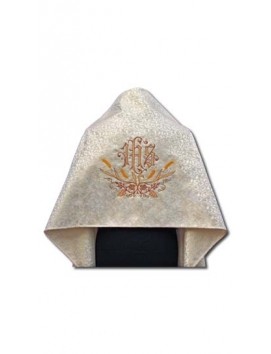
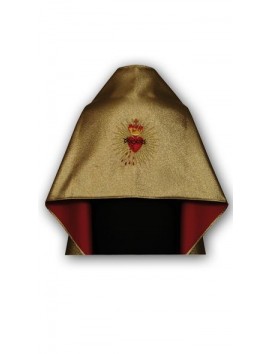
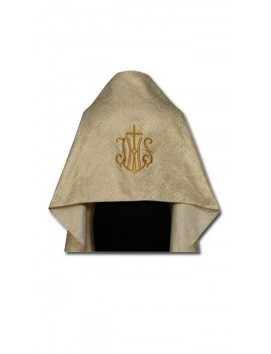
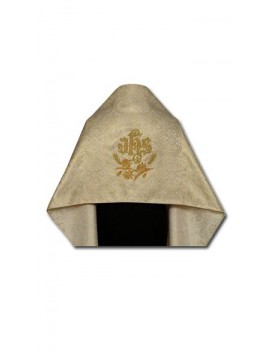
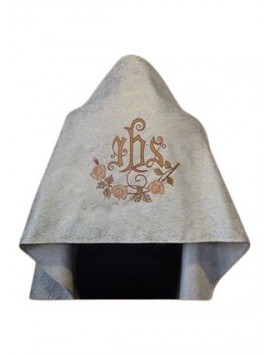
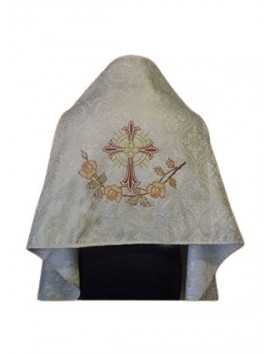
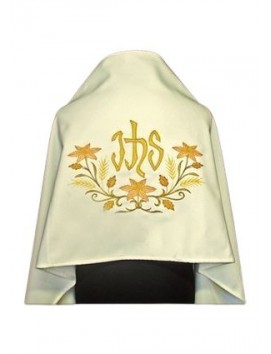
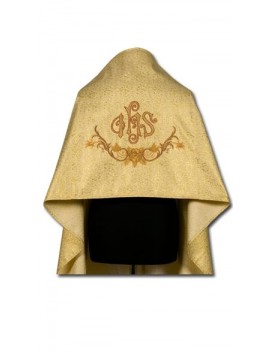
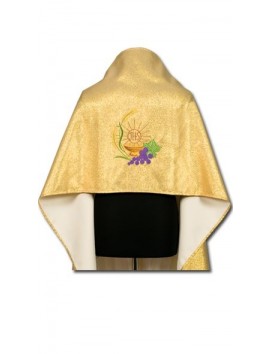
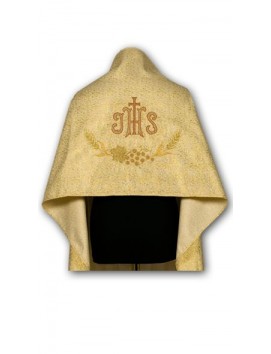
Purpose: The humeral veil is used by priests or deacons when handling the Blessed Sacrament, especially during Eucharistic Adoration, Benediction, and processions. The main goal? Show ultimate reverence by not touching the sacred vessels directly.
How It’s Worn: Draped over the shoulders, it hangs down the front. There are often pockets at the ends so the minister can slip his hands in and hold the monstrance or ciborium without direct contact.
When Used: You’ll see the humeral veil during Benediction, when the priest blesses the people with the monstrance, and at special points in Holy Week liturgies. It’s also used by the subdeacon in High Mass to carry sacred vessels.
Design: It’s a long, ornate rectangle—about 2.75 meters by 90 centimeters—often richly decorated and matching the liturgical color of the day.
Vimpa: The Server’s Sign of Respect
Purpose: The vimpa is worn by altar servers who carry the bishop’s mitre and crosier during a Pontifical Mass. The point? To show that these items belong only to the bishop, and no one else has the authority to handle them directly.
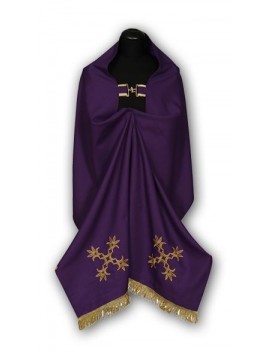
How It’s Worn: Like a shawl or narrow scarf, the vimpa wraps around the shoulders and arms of the server, covering the hands. The server always holds the mitre or crosier through the cloth, never with bare hands.
When Used: Only at Masses where a bishop presides and needs his mitre and crosier carried. The vimpa is not used for the Blessed Sacrament or general liturgical processions.
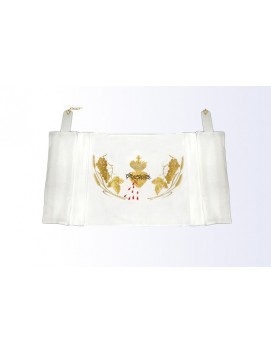
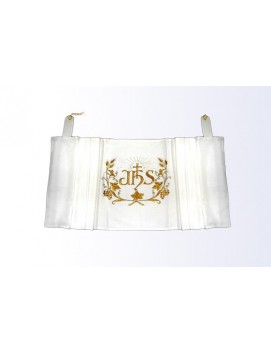
Design: The vimpa is narrower and simpler than the humeral veil, usually white or silver, sometimes with liturgical symbols. It can be plain or slightly decorated, and is often fastened with ribbons or clasps.
Quick Comparison Table
| Feature | Humeral Veil | Vimpa |
|---|---|---|
| Who Wears | Priest or deacon | Altar server |
| Used For | Handling Blessed Sacrament, sacred vessels | Carrying the bishop’s mitre and crosier |
| When Used | Benediction, processions, Holy Week | Pontifical Mass with the bishop |
| Design | Long, expansive, ornate, with pockets | Narrow, simple, shawl or scarf style |
| Symbolism | Reverence for Eucharist | Respect for the bishop’s authority |
Why Does This Matter?
Knowing the difference between a humeral veil and a vimpa is crucial if you want to understand the flow of a liturgical celebration. The humeral veil is about reverence for the Eucharist—only the priest, acting in the person of Christ, can use it to handle the Blessed Sacrament. On the other hand, the vimpa is about respect for the bishop’s unique role—no one but the bishop should touch his symbols of office directly.
How is the Lenten veil used, and what is its significance during Lent?
The Lenten veil—sometimes called the Lenten cloth or Fastentuch—is a large veil that covers the church’s chancel, altar, or sacred images throughout Lent. Here’s how it works in practice:
Placement: The Lenten veil is usually hung at the entrance to the choir or chancel, or directly in front of the altar. In some traditions, it’s put up after Compline on the first Sunday of Lent and remains until Compline on the Wednesday of Holy Week.
Coverage: It can cover the entire sanctuary, altar, or specific images and crosses. In some churches, it’s drawn aside for certain liturgical moments, like reading the Passion Gospel on Good Friday or the elevation during Mass.
Material and Design: Traditionally, Lenten veils are made of linen or silk, often white or violet, and sometimes decorated with scenes from Christ’s Passion. In modern times, they can be simple or richly embroidered, depending on local custom.
Regional Variations: Some places use the veil for the whole of Lent, while others only veil crosses and images during the last two weeks, known as Passiontide.
What Is the Significance of the Lenten Veil During Lent?
The Lenten veil isn’t just about hiding beautiful things—it’s loaded with spiritual meaning:
Visual Penance: The veil creates a sense of visual fasting by covering the altar and sacred images. It strips away distractions, focusing on prayer, repentance, and the mystery of Christ’s sacrifice.
Symbol of Separation: The veil dramatizes the separation caused by sin. It’s a visible sign of the rupture in communion between God and humanity, echoing the biblical veil in the Temple that separated the Holy of Holies.
Journey Toward Easter: The removal of the veil at Easter symbolizes the unveiling of Christ’s glory and the restoration of our relationship with God. It’s a powerful sign that the light of the Resurrection has overcome the darkness of sin and death.
Deeper Theological Meaning: The veil can also represent the shroud of sin, our self-deception, or even the glory of God that we’re not yet ready to see fully, like Moses veiling his face after speaking with God.
Why Do Churches Still Use the Lenten Veil?
Churches that keep this tradition do so because it’s a dramatic, tactile way to enter into the spirit of Lent. The Lenten veil:
Heightens our senses and longing for God by removing familiar sights.
Invites us to focus on Christ alone, stripping away distractions and helping us prepare for Easter.
Connects us with centuries of Christian worship and the deep symbolism of the liturgical year.
How do I choose the right veil for myself or my church?
Choosing the right veil comes from purpose, style, tradition, and practicality. Here’s how I approach it, step by step.
1. Decide the Purpose of the Veil
Personal Use: Are you looking for a chapel veil or mantilla to wear at Mass? Or is it for prayer at home?
Liturgical Use: Does your church need a humeral veil, chalice veil, altar veil, or Lenten veil? Each has a specific function in worship.
2. Understand the Tradition and Requirements
Church Guidelines: Some parishes have specific veil color, length, or style rules. Always check first.
Liturgical Calendar: For church veils, match the color to the liturgical season—white for Easter, purple for Lent, green for Ordinary Time, red for feasts, and so on.
3. Choose the Right Material and Design
Material: For personal veils, lace is classic and breathable. For church use, silk, linen, and fine cotton are traditional. Durability matters if the veil will be used often.
Design: Simple or ornate? Embroidered or plain? For personal veils, go with what makes you feel reverent and comfortable. For church veils, consider tradition and the existing décor.
4. Pick the Proper Size and Shape
Personal Veils: Mantillas are typically triangle or semicircle-shaped. Shorter veils are easier to manage, while longer ones offer more coverage.
Liturgical Veils: Humeral veils are long and rectangular; chalice veils are square; altar veils are large enough to cover the entire altar.
5. Consider Practical Details
Care and Maintenance: Choose a veil that’s easy to clean and store, especially for church use.
Budget: Quality matters, but you don’t have to break the bank. There are beautiful options at every price point.
6. Where to Buy
Personal Veils: Catholic supply stores, online shops, or even handmade by artisans.
Church Veils: Liturgical vestment suppliers, specialty church goods stores, or custom orders for unique needs.
Quick Checklist: How Do I Choose the Right Veil for Myself or My Church?
What’s the purpose—personal or liturgical?
What are the color and style requirements?
Which material fits your needs?
What size and shape work best?
How will you care for and store the veil?
What’s your budget?
