
No products
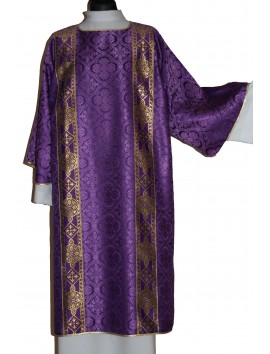
Dalmatics
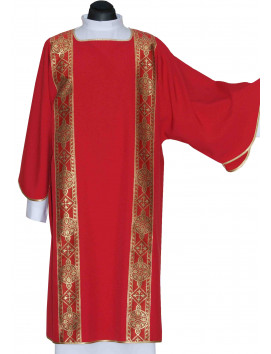
A dalmatic is a long, wide-sleeved tunic that serves as a liturgical vestment, mainly worn by deacons in Catholic, Anglican, Lutheran, and some Methodist churches. It’s not just a piece of clothing—it’s a symbol of service, tradition, and ceremony. You’ll spot a dalmatic at Mass, baptisms, weddings, and other major church events.
A dalmatic is a long, wide-sleeved tunic that serves as a liturgical vestment, mainly worn by deacons in Catholic, Anglican, Lutheran, and some Methodist churches. It’s not just a piece of clothing—it’s a symbol of service, tradition, and ceremony. You’ll spot a dalmatic at Mass, baptisms, weddings, and other major church events.
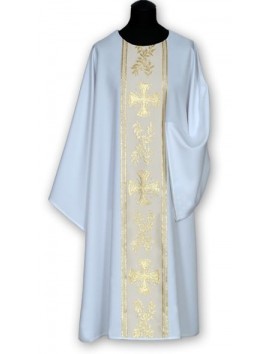
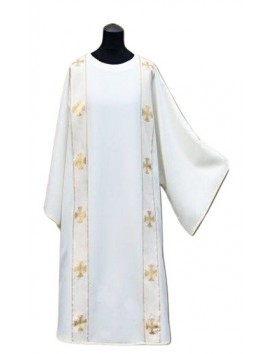
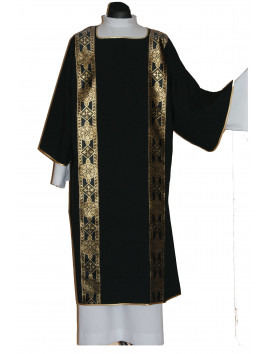
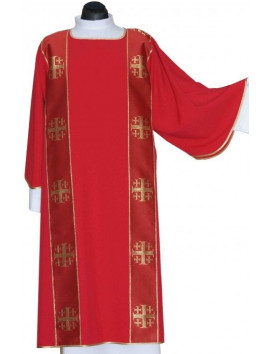
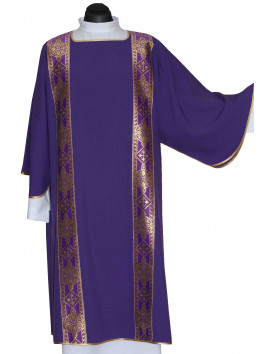
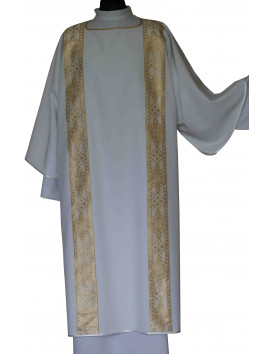
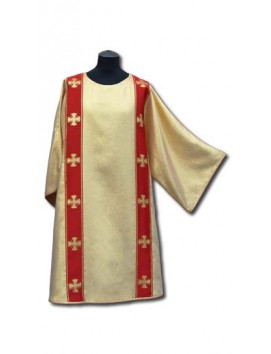
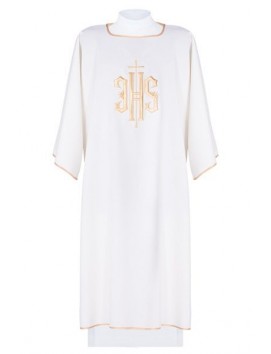
White dalmatics with gold stripes + stole White dalmatics with gold stripes + stole
White dalmatics with gold stripes + stole White dalmatics with gold...
$ 1562Review(s)
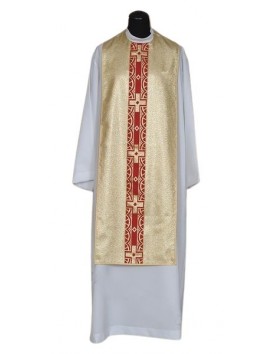
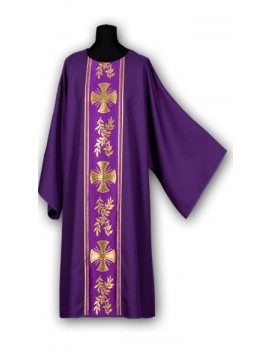
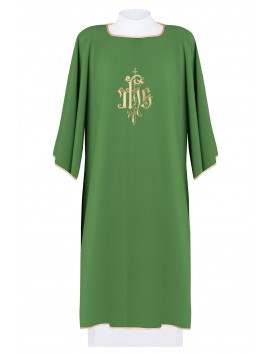
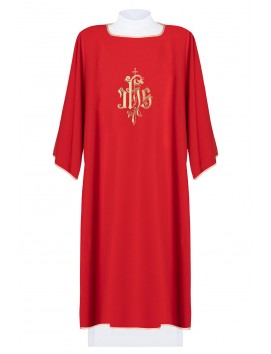
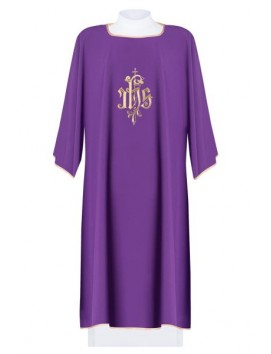
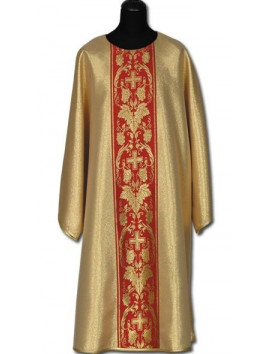


What is the historical origin of the dalmatic?
The historical origin of the dalmatic goes back to the Roman Empire. The dalmatic started as a loose, wide-sleeved tunic from Dalmatia (now part of Croatia), worn by the upper classes in the 2nd and 3rd centuries AD. It was a fashionable outer garment, often decorated with colored stripes called clavi and made from linen, wool, or silk. This wasn’t just a church thing at first—it was everyday wear for Roman elites.
How Did the Dalmatic Become a Liturgical Vestment?
Here’s where it gets interesting. Around the 4th century, Pope Sylvester I introduced the dalmatic as a special vestment for deacons in the Roman Church. Before that, it was just regular clothing. But the church saw its potential: the dalmatic’s distinctive look made deacons stand out, and its symbolism—especially the cross-like shape—fit perfectly with Christian values.
Early adoption: Deacons in Rome wore it as an outer vestment, while the pope sometimes wore it under the chasuble.
Spread: By the 5th and 6th centuries, bishops in places like Milan and Ravenna also wore dalmatics, as seen in ancient mosaics.
Universal use: By the 9th century, the dalmatic was common for deacons and bishops across Western Europe.
Why Did the Church Choose the Dalmatic?
Simple: visibility, symbolism, and tradition. The dalmatic was already a sign of status in Roman society. By adopting it, the church gave deacons a distinctive, honorable look. Its cross-shaped form and colored stripes symbolized service, purity, and love for others.
How Did the Dalmatic Evolve Over Time?
Materials: Early dalmatics were white and made from linen or wool. Later, silk and rich colors became popular, especially as church ceremonies got more elaborate.
Design: The garment got shorter and the sleeves narrower over the centuries, making it more practical for liturgical use.
Symbolism: The cross shape and red stripes represented Christ’s suffering and the deacon’s duty to serve.
The Dalmatic Today
The dalmatic is still the official vestment for deacons in Catholic, Anglican, Lutheran, and Methodist churches. It directly links to centuries of tradition, blending Roman fashion with Christian meaning.
How is the dalmatic used in different Christian denominations?
The dalmatic is a liturgical vestment—a long, wide-sleeved tunic—that signals the unique role of the deacon in worship. However, how it’s used, what it symbolizes, and when it’s worn can differ depending on the Christian tradition. Let’s look at the main denominations where the dalmatic plays a key role.
Catholic Church
Primary Use: The dalmatic is the official deacon vestment during Mass, Holy Communion, baptisms, weddings, and other sacraments.
Bishops: On solemn occasions, bishops wear a special “pontifical dalmatic” under the chasuble, highlighting their service and authority.
Symbolism stands for service, joy, and the deacon’s role as a servant to God’s people. The color matches the liturgical season—white for joy, red for martyrdom, purple for penance, and so on.
Rules: The dalmatic is worn over the alb and stole. It may be omitted on less solemn occasions, but the Church encourages its regular use to maintain tradition and highlight the deacon’s ministry.
Anglican and Episcopal Churches
Primary Use: Deacons wear the dalmatic during Eucharist, processions, and major liturgies, just as in the Catholic tradition.
Bishops: Bishops may also wear a dalmatic under the chasuble for special services, emphasizing unity and shared service.
Design: The dalmatic matches the chasuble in color and style, often made from silk or brocade.
Symbolism: It represents the deacon’s call to serve and the connection to ancient church traditions.
Lutheran Church
Primary Use: The dalmatic is worn by deacons during Mass, processions, and benedictions.
Color and Material: It should match the priest’s chasuble color and quality, usually silk.
Symbolism: Like in other traditions, it stands for service, purity, and the joy of ministry.
Historical Note: Deacons and bishops' use of the dalmatic became widespread in Western Europe by the ninth century.
United Methodist Church
Primary Use: The dalmatic is the formal vestment for deacons during Mass, processions, and other significant ceremonies.
Design: It matches the liturgical colors and is crafted to align with the priest’s vestments.
Symbolism: The dalmatic here also stands for service, kindness, and the joy of ministry, reflecting the Methodist commitment to outreach and charity.
Eastern Orthodox and Other Traditions
Orthodox Icons: In Eastern Orthodox iconography, Christ is sometimes depicted wearing a dalmatic as a sign of his role as High Priest and King.
Russian Orthodox: Russian emperors adopted the dalmatic as a coronation and liturgical garment, showing its reach beyond Western Christianity.
Quick Comparison Table
| Denomination | Who Wears It | When Worn | Symbolism |
|---|---|---|---|
| Catholic | Deacons, Bishops | Mass, sacraments, solemnities | Service, joy, authority |
| Anglican/Episcopal | Deacons, Bishops | Eucharist, processions | Service, tradition |
| Lutheran | Deacons | Mass, processions, benedictions | Service, purity, joy |
| United Methodist | Deacons | Mass, processions, and ceremonies | Service, kindness, outreach |
| Orthodox | Christ (icons), Emperors | Icons, coronations | Kingship, priesthood |
Why is the dalmatic important in church tradition?
1. Symbol of Service and Ministry
The dalmatic is the official vestment for deacons in Catholic, Anglican, Lutheran, and Methodist churches. When you see a dalmatic, you see a visual sign of the deacon’s role as a servant to God and the community. It’s a badge of commitment to helping others, assisting the priest, and performing acts of charity and service. The wide sleeves and flowing fabric aren’t just for show—they represent the openness and generosity expected of every deacon.
2. Rich Historical Roots
The dalmatic’s importance is rooted in its history. It started as a garment for Roman nobility and high officials, but by the fourth century, it was adopted by the church as a liturgical vestment. This transition from secular fashion to sacred attire marked the deacon’s unique place in the hierarchy and the solemnity of their duties. Over centuries, the dalmatic evolved in style but always kept its core symbolism intact.
3. Powerful Symbolism
Why is the dalmatic important in church tradition? Because it carries deep symbolic weight:
Benevolence, innocence, and joy: These are the dalmatic's core virtues, reminding everyone that service in the church is rooted in love and purity.
Sacramental role: The dalmatic is worn during Mass, baptisms, weddings, and other significant ceremonies, highlighting the deacon’s active participation in the church’s most sacred moments.
Liturgical colors: The dalmatic’s color changes with the church calendar—white for joy, red for martyrdom, purple for penance—making it a living symbol of the church’s spiritual seasons.
4. Mark of Ordination and Authority
At a deacon’s ordination, the bishop places the dalmatic on the new deacon with a prayer for righteousness and salvation. This act marks the start of their ministry and their new responsibilities. For bishops, wearing a special “pontifical dalmatic” under the chasuble during solemn Masses underscores their authority and the whole priesthood.
5. Connection to Tradition and Continuity
The dalmatic is crucial because it connects today’s worship with centuries of church tradition. Its use has been passed down, almost unchanged, since the early church. Every time a deacon puts on the dalmatic, it directly links to the faith and practices of past generations.
When should a deacon wear a dalmatic?
A deacon should wear the dalmatic during Mass and other solemn liturgical celebrations. The outer vestment sets the deacon apart, symbolizing service and joy. Here’s exactly when to put it on:
1. Mass and Eucharistic Celebrations
The dalmatic is the standard vestment for deacons at Mass. If the priest wears a chasuble, the deacon should be in a dalmatic over his alb and stole. This is the norm for Sunday Mass, feast days, and any major liturgical celebration.
The dalmatic matches the liturgical color of the day, just like the priest’s chasuble.
2. Solemn Liturgies and Processions
Deacons should wear the dalmatic at solemn processions and benedictions, except when these have a penitential character (like during Advent, Lent, or certain special rites).
It’s also worn at special services such as ordinations, weddings, and baptisms held within a Eucharistic context.
3. Exceptions and Omissions
The dalmatic may be omitted for less solemn occasions or out of necessity (for example, if there’s no dalmatic available or in very hot weather).
Some deacons skip the dalmatic for weekday Masses or funerals. Still, church tradition and recent instructions encourage its use as much as possible to honor the liturgy's role and beauty.
4. Not for Use Alone
A deacon doesn’t wear the dalmatic when presiding alone at non-Eucharistic services like funerals, Liturgy of the Hours, or Communion services without a priest. In these cases, the stole and alb are sufficient.
Can bishops wear a dalmatic, and what is a pontifical dalmatic?
Yes, bishops can wear a dalmatic, but not in the same way as deacons. For bishops, the dalmatic is worn under the chasuble during solemn Masses, especially ordinations or pontifical celebrations. When a bishop wears the dalmatic in this way, it’s called a pontifical dalmatic.
This practice is less frequent than the deacon’s use of the dalmatic but is deeply rooted in tradition. The bishop puts on the dalmatic above the alb and below the chasuble, visually representing his complete participation in the sacrament of Holy Orders—embracing the diaconal (service) and priestly (sacrifice) roles.
What Is a Pontifical Dalmatic?
A pontifical dalmatic is a special, often richly decorated version of the dalmatic, reserved for bishops and certain prelates. Here’s what sets it apart:
Where it’s worn: Under the chasuble during solemn Masses and major liturgical ceremonies.
Design: Pontifical dalmatics are typically more ornate than those worn by deacons, made from high-quality materials, and adorned with elaborate designs to emphasize the bishop’s authority and the occasion's solemnity.
Symbolism: The pontifical dalmatic highlights the fullness of the bishop’s priesthood, but also underscores his call to serve, reminding everyone that before being a priest or bishop, he was first ordained a deacon.
Why Do Bishops Wear the Pontifical Dalmatic?
The tradition of bishops wearing the dalmatic dates back to the early centuries of the Church. Pope Sylvester introduced it in the fourth century and gradually became a privilege for bishops during major liturgical celebrations. The symbolism is powerful: wearing the dalmatic under the chasuble shows the bishop’s unity with all levels of ordained ministry and his ongoing responsibility to serve the Church.
What is the symbolism behind the dalmatic’s design and colors?
The Dalmatic’s Design: More Than Just Fashion
Cruciform Shape: The dalmatic is cut in a way that, when laid out, resembles a cross. This cruciform design reminds us of Christ’s sacrifice and the call for the deacon to serve with self-giving love.
Wide Sleeves: These aren’t just for show. The broad sleeves symbolize openness, generosity, and a readiness to serve the church and community.
Vertical and Horizontal Stripes: Most dalmatics feature two vertical stripes (called clavi) running from shoulder to hem, sometimes joined by horizontal stripes. These stripes have ancient roots and are more than decoration—they represent the sufferings of Christ and, by extension, the deacon’s willingness to offer himself in service and sacrifice.
Ornamentation: Dalmatics are often decorated with religious symbols—crosses, wheat, chalices—reinforcing the connection to Christ and the Eucharist.
The Symbolism of Colors: Speaking the Language of the Liturgy
Colors on a dalmatic aren’t random. They’re chosen to match the liturgical season and each carries its spiritual message:
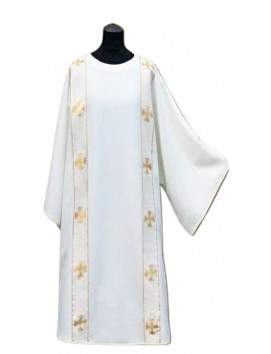
White: Purity, innocence, and joy. Worn during Christmas, Easter, and celebrations of saints who weren’t martyrs.
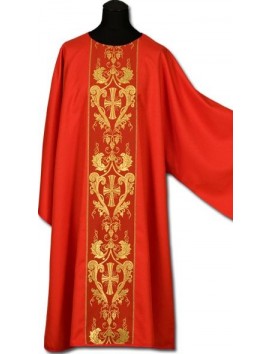
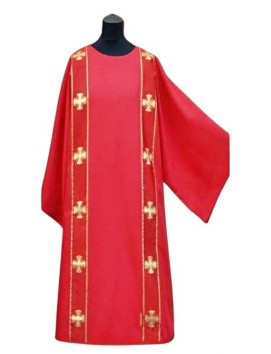
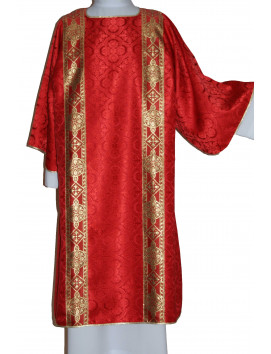
Red: Love, the Holy Spirit, and the blood of martyrs. Used for Pentecost, feasts of martyrs, and Good Friday. The red stripes symbolize love for one’s neighbor and willingness to suffer for Christ.
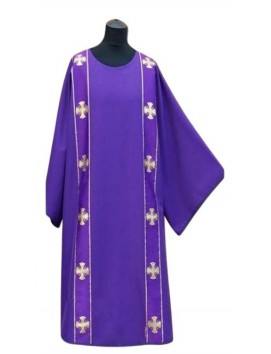
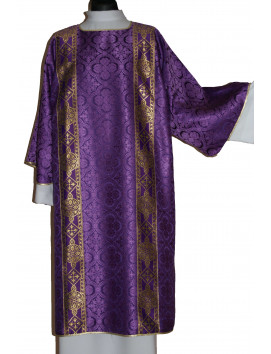
Purple/Violet: Penance, humility, and preparation. Seen during Advent and Lent.
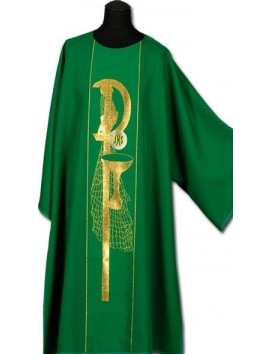
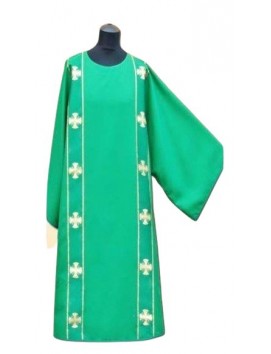
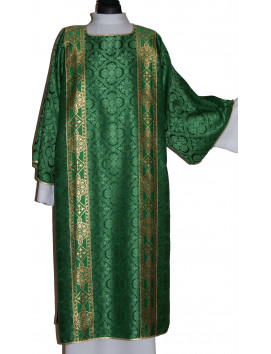
Green: Hope and new life. Used in Ordinary Time.
Gold: Triumph and celebration. Sometimes replaces white on major feasts.
The dalmatic always matches the priest’s chasuble, visually uniting the clergy in their roles and the message of the liturgy.
What Does This Mean for the Church?
So, what is the symbolism behind the dalmatic’s design and colors? In short, every detail—shape, stripes, and color—points to the deacon’s mission: to serve with purity, love, and joy, following Christ’s example. The dalmatic is a visual sermon, reminding everyone in the church of the virtues at the heart of Christian ministry.
What are the differences between a dalmatic and a tunicle?
The dalmatic and the tunicle are liturgical vestments, but they serve different roles and have subtle differences in design and use. Here’s what you need to know:
Who Wears Each Vestment?
Dalmatic: Worn by deacons in Catholic, Anglican, Lutheran, and some Methodist churches during Mass and other primary liturgical services. Occasionally, bishops wear a special version called the pontifical dalmatic under the chasuble for solemn occasions.
Tunicle: Traditionally worn by subdeacons, a clerical order below the deacon. The tunicle is less common today but is still used in some traditional Catholic and Anglican services.
Design and Ornamentation
Dalmatic: A long, wide-sleeved tunic reaching at least the knees, often decorated with two vertical stripes (clavi) running from the shoulders to the hem. Sometimes, these stripes are joined by horizontal bands, especially in Roman usage. The dalmatic is usually more ornate, matching the priest’s chasuble in material and color.
Tunicle: Originally, the tunicle had narrower sleeves and was slightly shorter than the dalmatic. Compared to the dalmatic's double bands, it was often distinguished by having only a single horizontal band (orphrey) on the front and back. Over time, especially by the 17th century, the tunicle and dalmatic became nearly identical in form, with ornamentation being the main distinguishing feature—tunicles were often less decorated.
Historical Development
Dalmatic: Originated as a Roman garment and became the standard vestment for deacons by the 9th century. It was a symbol of service and was often more elaborate, signifying the higher rank of deacons in the liturgical hierarchy.
Tunicle: Adopted by subdeacons in Rome by the 6th century, though its use fluctuated over time. By the Middle Ages, bishops began to wear both the tunicle and dalmatic at solemn Masses. The distinction between the two vestments steadily decreased, and by the late Middle Ages, they were almost indistinguishable except for minor details.
Modern Usage
Dalmatic: Still widely used by deacons in most liturgical traditions.
Tunicle: Rarely used today, except in some traditionalist Catholic societies and particular Anglican churches. The tunicle is practically identical to the dalmatic in most modern contexts, with only the most subtle design differences.
Quick Comparison Table
| Feature | Dalmatic | Tunicle |
|---|---|---|
| Worn by | Deacons (and sometimes bishops) | Subdeacons |
| Design | Wide sleeves, two vertical stripes, often ornate | Narrower sleeves (historically), single horizontal band, less ornate |
| Liturgical Role | Deacon’s main vestment at Mass | Subdeacon’s vestment (rare today) |
| Modern Difference | Still in regular use, rich decoration | Rare, almost identical to dalmatic, less decorated |
What materials and designs are typical for dalmatics?
Typical Materials for Dalmatics
Silk: The classic and most traditional choice. Silk is prized for its sheen, drape, and ability to hold vibrant colors and intricate embroidery. Historically, silk became the standard as it became more accessible and affordable, especially from the twelfth century onward.
Damask: A richly patterned fabric, often made from silk or a blend, damask is a favorite for its elegant, textured look. It’s common to see damask dalmatics adorned with a cross or floral motifs.
Brocade: Another luxurious fabric, brocade features raised patterns—often in gold or silver thread—that add depth and richness to the vestment.
Velvet: For especially solemn or high-ranking occasions, velvet dalmatics have a plush, regal appearance and are often paired with gold embroidery.
Wool and Linen: In earlier centuries, dalmatics were made from wool or linen, especially before silk became widely available. These materials are less common today but may still be found in traditional or historic vestments.
Polyester and Blends: Modern dalmatics often use polyester or fabric blends for affordability, durability, and ease of care. These can mimic the look and feel of more expensive materials while being lightweight and wrinkle-resistant.
Typical Designs for Dalmatics
Shape: The dalmatic is a long, wide-sleeved tunic, reaching at least to the knees or lower. Modern dalmatics tend to have closed sleeves and open sides below the sleeves for comfort and movement.
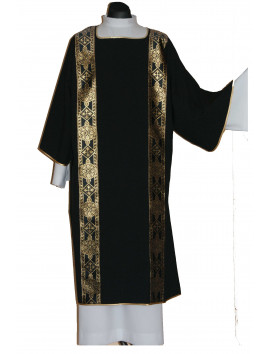
Stripes (Clavi): The most distinctive ornamentation is two vertical stripes running from the shoulder to the hem. In Roman usage, these stripes are narrow and sometimes joined at the bottom by cross-stripes; elsewhere, the stripes may be broader and joined higher up.
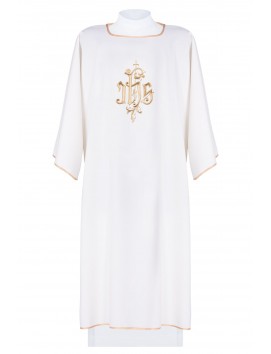
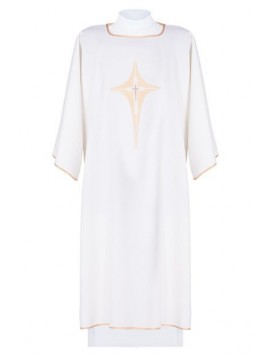
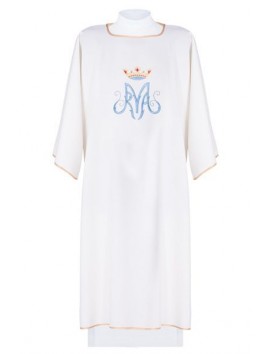
Embroidery: Dalmatics are often richly embroidered with religious symbols—crosses, Eucharistic motifs (chalices, wheat, grapes), floral patterns, or monograms like “IHS” or “XP.” Marian dalmatics may feature lilies or stars for feasts dedicated to the Virgin Mary.
Orphreys: These are decorative bands, often made from contrasting silk, velvet, or metallic trim, that run vertically or horizontally on the dalmatic. Orphreys are a signature feature, adding visual interest and highlighting the vestment’s structure.
Liturgical Colors: Dalmatics are made to match the liturgical color of the day—white, red, green, purple, gold, and sometimes blue for Marian feasts. The fabric and ornamentation are chosen to coordinate with the priest’s chasuble for a unified look.
Special Cuts: Some dalmatics have a Spanish cut with a triangular bottom or a Roman cut with open sleeves, reflecting regional preferences and historical styles.
Modern Trends
Today’s dalmatics blend tradition with innovation. You’ll find classic patterns recreated using modern embroidery machines, lightweight fabrics for comfort, and custom options for every liturgical season. Whether looking at a museum piece made from 17th-century silk brocade or a contemporary dalmatic crafted from damask with gold trim, the focus is always on beauty, durability, and meaning.
Are there different styles of dalmatics for various liturgical seasons?
Yes, dalmatics have distinct styles and colors explicitly designed for the various liturgical seasons. The Church uses these differences to highlight the meaning and mood of each period in the liturgical calendar, making the dalmatic not just a vestment, but a living symbol of the faith.
Liturgical Colors: The Core of Seasonal Dalmatic Styles
White Dalmatics: Worn during seasons and feasts celebrating joy, purity, and glory—think Christmas, Easter, and feasts of saints who were not martyrs. White symbolizes light and resurrection. Some churches also use white for funerals to signify hope and victory over death.
Red Dalmatics: Used on Pentecost, Palm Sunday, Good Friday, and feasts of martyrs. Red represents the Holy Spirit, the fire of God’s love, and the blood of martyrs. It’s a powerful sign of sacrifice and passion.
Green Dalmatics: The go-to color for Ordinary Time, green stands for hope, growth, and the ongoing life of the Church. It’s the most frequently used color throughout the year.
Purple (Violet) Dalmatics: Reserved for seasons of penance and preparation, like Advent and Lent. Purple signals sacrifice, humility, and spiritual readiness. In some traditions, it’s also used for funerals and Masses for the dead.
Gold Dalmatics: Gold is the color of triumph and is sometimes substituted for white on major feast days like Christmas and Easter, adding an extra festivity and solemnity.
Rose Dalmatics: Rare, but used on Gaudete Sunday (Advent) and Laetare Sunday (Lent) as a sign of joy and encouragement within penitential seasons.
Design Variations for Different Seasons
Material and Ornamentation: Dalmatics for major feasts (Christmas, Easter, Pentecost) are often made from richer fabrics like silk, damask, or velvet and feature elaborate gold embroidery or orphreys. Simpler designs and plainer fabrics are typical for Lent and Advent, reflecting the season’s penitential character.
Matching Sets: Dalmatics are usually made to match the chasuble worn by the priest, forming a coordinated set that visually unites the clergy for each season or feast.
Special Motifs: Marian feasts may feature blue dalmatics with symbols like lilies or stars, even though blue is not an official liturgical color everywhere. Some dalmatics for saints’ days include motifs related to the saint being celebrated.
Traditional and Modern Styles
Roman, Gothic, and Marian Dalmatics: There are style variations like Roman dalmatics (often richly ornamented with gold), Gothic dalmatics (more flowing and simple), and Marian dalmatics (blue or white with Marian symbols) to suit different tastes and traditions throughout the liturgical year.
Regional Differences: Some regions may have unique stylistic touches, but the core principle is always the same: the dalmatic should reflect the color and spirit of the liturgical season.
What should I look for when buying a dalmatic?
Buying a dalmatic isn’t just about picking a garment off the rack. It’s about choosing a vestment that honors tradition, fits your needs, and looks dignified for every liturgical season. Here’s exactly what you should consider:
1. Liturgical Color and Season
Always match the dalmatic’s color to the liturgical calendar. The primary colors are white, red, green, purple, gold, and sometimes blue for Marian feasts.
Some vendors offer sets of dalmatics in all four primary liturgical colors, which is a wise investment if you serve year-round.
Special occasions may call for unique colors or Marian-themed designs.
2. Material and Fabric Quality
Look for durable fabrics like silk, damask, brocade, velvet, or wool for solemn occasions.
Polyester blends are more affordable and easier to maintain, making them a good choice for frequent use or larger budgets.
The fabric should be comfortable, breathable, and suitable for your climate and church environment.
3. Style and Cut
Choose from Gothic, Roman, Semi-Gothic, or Marian styles. Each has a unique look—Roman dalmatics are richly ornamented, while Gothic styles are more flowing and modern.
Could you ensure the cut allows easy movement and comfort during long services? Modern dalmatics often have closed sleeves and open sides for practicality.
If you have specific needs, many suppliers offer custom sizing or tailoring for a perfect fit.
4. Design and Ornamentation
Could you decide how ornate you want your dalmatic to be? Some feature simple crosses or stripes, while others have elaborate embroidery, orphreys, or images of saints.
Consider the symbolism: gold ornamentation for solemn feasts, Marian symbols for Marian celebrations, or traditional liturgical motifs.
Embroidery quality matters—hand embroidery is more traditional and unique, while machine embroidery is more affordable and consistent.
5. Matching Accessories
Most dalmatics come with a matching deacon stole, which should be worn diagonally from the left shoulder to the right side.
Some sets include matching chasubles or tunics for a unified look during Mass.
6. Budget and Value
Prices vary widely, from affordable polyester dalmatics to high-end silk or velvet sets.
Consider your budget, but remember that a well-made dalmatic will last years with proper care.
If you need multiple colors or vestments, please look for sales, discounts, or bundle deals.
7. Care and Maintenance
Could you check the care instructions before you buy? Some fabrics require dry cleaning, while others are machine washable.
Proper storage and maintenance will keep your dalmatic looking dignified and prolong its life.
8. Customization and Personalization
If you want something unique, many suppliers offer custom dalmatics with personalized embroidery, symbols, or sizing.
Custom options are ideal for marking special anniversaries, ordinations, or honoring a particular ministry.
How do I care for and store a dalmatic?
Caring for a dalmatic is about protecting the fabric and the embroidery to keep it looking beautiful and respectful. Here’s exactly what you should do:
1. Cleaning Your Dalmatic
Dry Cleaning Is Best: Most dalmatics should be dry cleaned after each use, especially those made from silk, damask, or intricate embroidery. This prevents stains from setting and keeps the fabric fresh.
Spot Cleaning: For minor spills, gently spot clean with a mild soap and cool water. Avoid harsh chemicals and never use bleach, which can damage fabric and color.
Hand-Washing (If Allowed): Some modern dalmatics made from durable materials can be hand-washed. Always check the manufacturer’s care label before attempting this.
Regular Schedule: Even if not worn often, have your dalmatic professionally cleaned every six months to keep it in peak condition.
2. Storing Your Dalmatic
Cool, Dark, and Dry: Store your dalmatic in a cool, dark place. Humidity and sunlight can fade colors and weaken fabrics over time.
Never Use Plastic Bags: Avoid storing your vestment in plastic bags. Plastic traps moisture, leading to mildew and fabric breakdown. Use a breathable garment bag instead.
Hang, Don’t Fold: Always hang your dalmatic on a wide, padded hanger to prevent creasing and distortion. Folding can cause permanent wrinkles and damage to embroidery.
Ventilation Matters: If you store your dalmatic in a closet, ensure it’s well-ventilated and dust-free. This helps prevent mustiness and keeps the fabric fresh.
3. Handling and Maintenance Tips
No Ironing: Do not iron your dalmatic, especially over embroidery. If you need to remove wrinkles, use a steamer at a safe distance or let the vestment hang for a few days.
Avoid Direct Contact with Perfume or Deodorant: These products can stain or discolor the fabric.
Check for Damage: Regularly inspect your dalmatic for loose threads, missing buttons, or worn areas. Repair minor issues promptly to avoid bigger problems later.
Consult Professionals: Always ask your church’s vestry or a professional vestment care company for advice when in doubt.
4. Special Considerations for Embroidered Dalmatics
Protect Embroidery: Embroidered dalmatics require extra care. Avoid snagging threads and keep the vestment away from rough surfaces.
Store Flat if Necessary: If your dalmatic has heavy embroidery or embellishments, you may want to store it in a large drawer lined with acid-free tissue to avoid stretching.
Quick Checklist: How Do I Care for and Store a Dalmatic?
Dry clean after each use or at least every six months
Spot clean with mild soap and cool water as needed.
Store in a cool, dry, dark, and well-ventilated space
Never use plastic bags—choose a breathable garment bag.
Hang on a wide, padded hanger; don’t fold.
Avoid ironing; use a steamer for wrinkles.
Inspect regularly for damage and repair as soon as possible.
Handle embroidery with care
