
No products
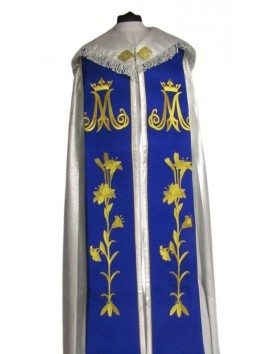
Copes
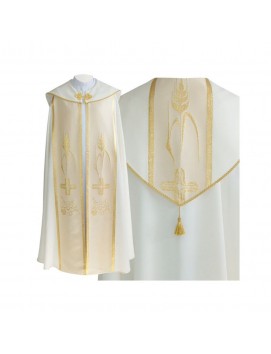
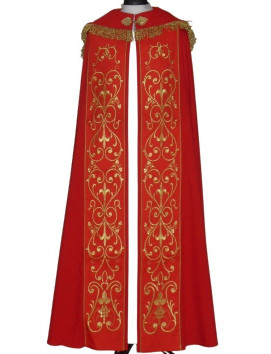
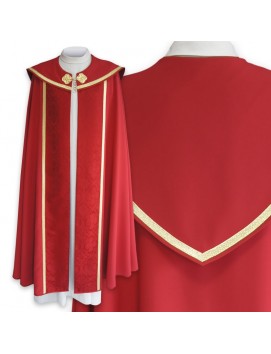
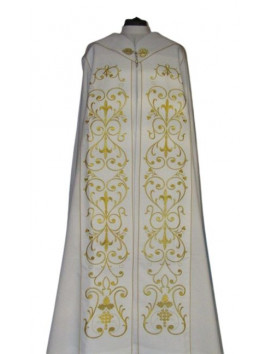
A liturgical cope is a full-length ceremonial cloak that is open at the front and fastened at the chest that clergy wear during special church services and processions. Think of it as the “power suit” for priests and bishops, signaling that something important is happening.
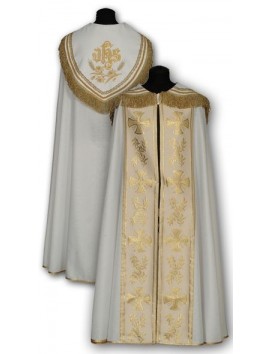
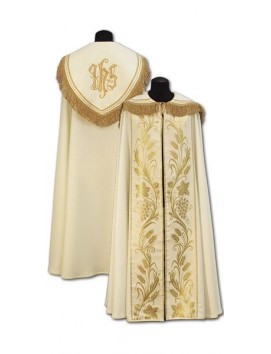
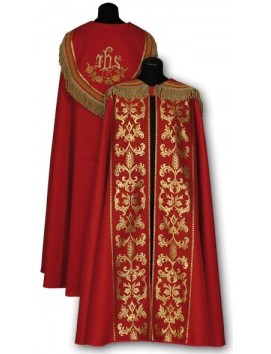
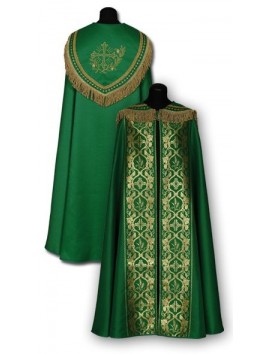
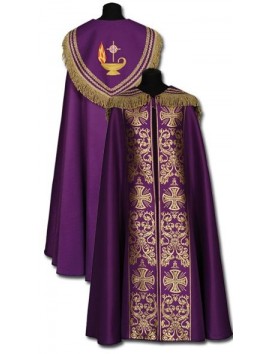
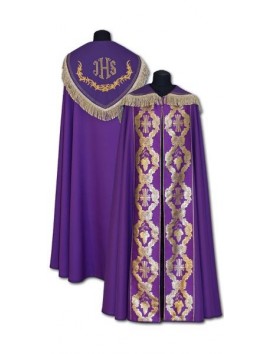
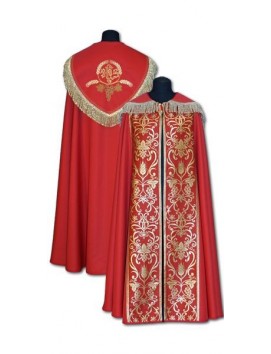
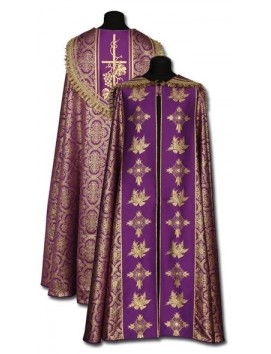
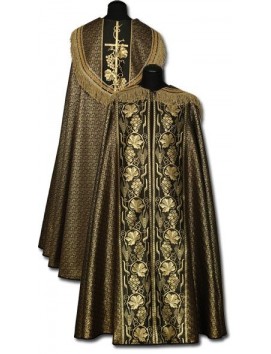
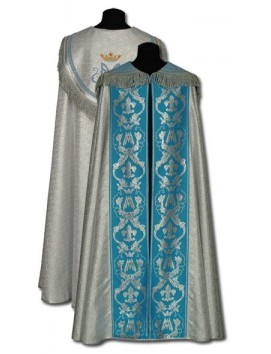
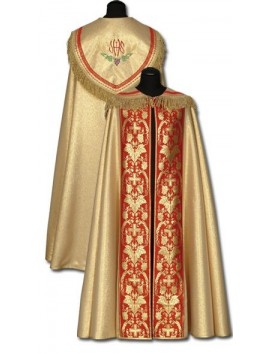
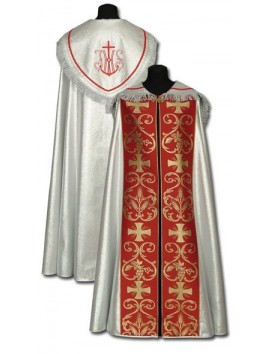
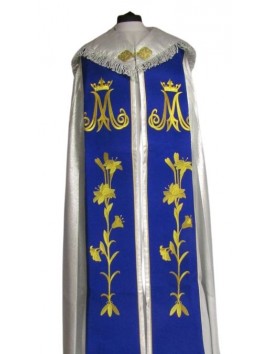
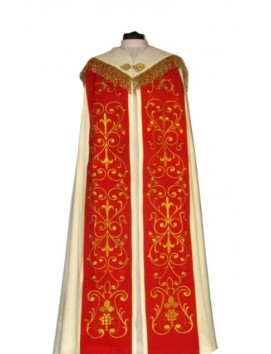
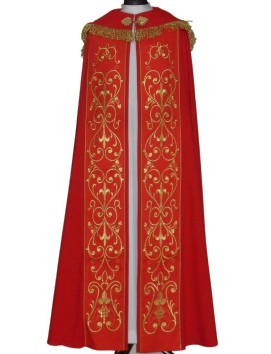
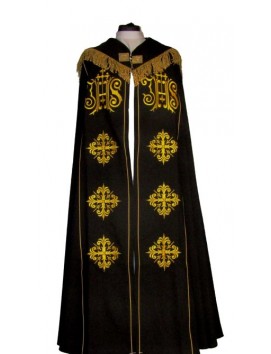
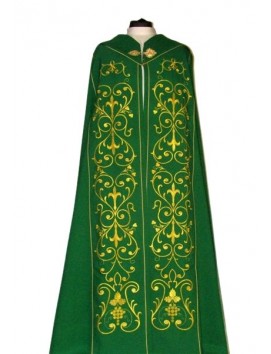
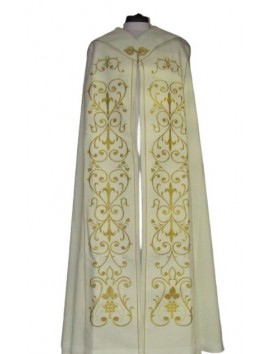
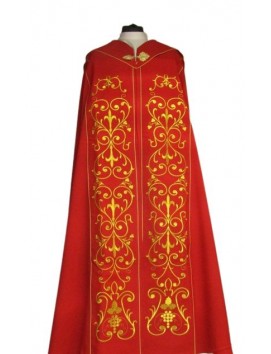
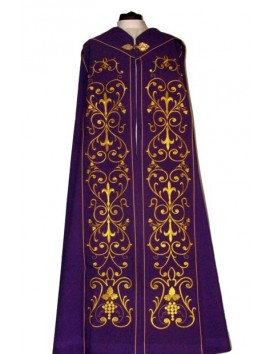
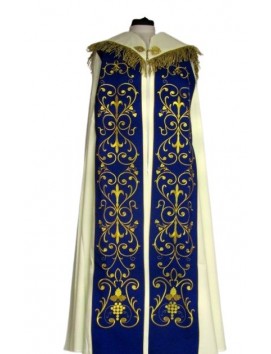
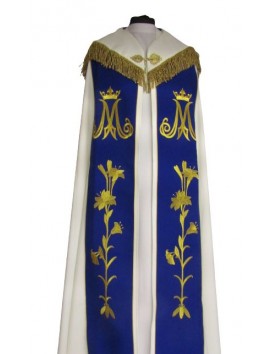
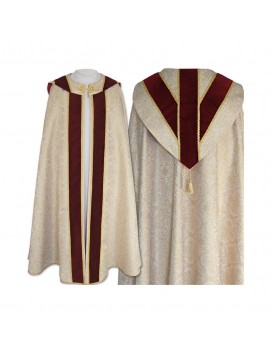
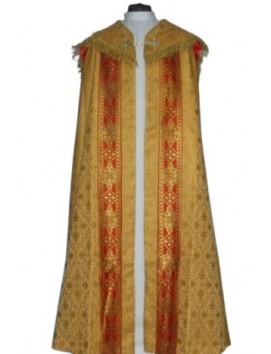
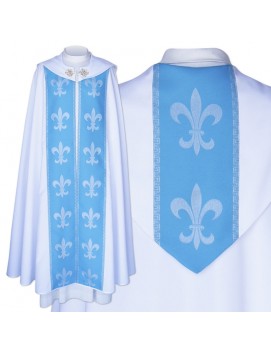
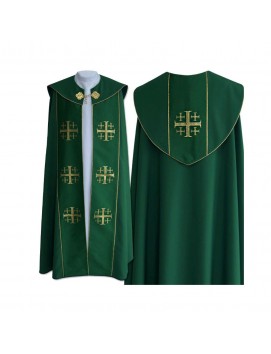
What is the history of the cope in Christian liturgy?
The history of the cope in Christian liturgy goes way back—think early Middle Ages, not just a few centuries ago. Initially, the cope wasn’t even a liturgical vestment. It started as a practical, hooded cloak called the cappa or cappa choralis—a weatherproof garment for monks and clergy who had to process outdoors in rain or cold. Over time, the cope evolved from a simple protective cloak into a symbol of honor and solemnity in church rituals.
Key Moments in the Cope’s History
Early Beginnings: The cope first appeared in the 8th century as an everyday cloak for clergy. It wasn’t strictly “church wear” at first.
Liturgical Adoption: By the 11th century, the cope became a formal part of Christian liturgical vestments. It was worn during processions, blessings, and other non-eucharistic ceremonies.
Design Evolution: The cope lost its practical hood, which was replaced by a decorative shield or hood at the back. Fabrics became richer, and embroidery more elaborate, reflecting the cope’s new ceremonial role.
Spread Across Traditions: The cope isn’t just a Catholic thing. It’s used in Anglican, Lutheran, and some Orthodox traditions—anywhere solemnity and tradition matter.
Why Does the Cope Matter in Christian Liturgy?
If you’re asking, “What is the history of the cope in Christian liturgy?” you’re asking why this vestment became such a big deal. Here’s the answer:
Symbol of Authority: The cope signals that the wearer is leading a significant, often public, act of worship.
Mark of Solemnity: When you see a cope, you know the occasion is special—think processions, vespers, or significant feast days.
Visual Tradition: The cope’s rich colors and decorations connect today’s worship to centuries of Christian history.
How Has the Cope Changed Over Time?
From Practical to Ceremonial: The cope’s journey from raincoat to regal vestment shows how church traditions adapt and evolve.
Materials and Style: Early copes were simple wool or linen. Modern copes are silk, velvet, and brocade—often with gold embroidery and religious symbols.
Who Wears It: Originally for monks and clergy, now bishops, priests, and even choir leaders might wear a cope during grand ceremonies.
Why Should You Care About the Cope’s History?
Understanding the history of the cope in Christian liturgy isn’t just trivia. It’s about appreciating how symbols and traditions shape our experience of faith. Knowing the cope’s story helps you see the bigger picture of worship and ceremony if you're involved in church life or just curious about Christian vestments.
How does a cope differ from a chasuble or other vestments?
The main difference between a cope and a chasuble is function, design, and when worn. Here’s what you need to know:
1. What Is a Cope?
A cope is a full-length, semi-circular cloak, open at the front, and fastened across the chest with a decorative clasp called a morse. It’s made from rich fabric, often with elaborate embroidery and bold colors. The cope is worn during processions, blessings, and special church ceremonies—but not during the Eucharist. Think of it as the “ceremonial cape” for non-Mass events.
2. What Is a Chasuble?
A chasuble is the principal vestment worn by priests during Mass. It’s a sleeveless, poncho-like garment that drapes over the shoulders and covers the front and back. The chasuble symbolizes charity and the yoke of Christ. Unlike the cope, it’s always worn to celebrate the Eucharist.
3. Key Differences at a Glance
Function:
Cope: Used for processions, vespers, benedictions, and non-Eucharistic ceremonies.
Chasuble: Worn exclusively for celebrating Mass.
Design:
Cope: Open at the front, clasped at the chest, often with a decorative hood or shield at the back.
Chasuble: Closed, drapes over the head, covers the body, no opening at the front.
Symbolism:
Cope: Signifies solemnity and honor in non-Eucharistic rites.
Chasuble: Represents charity and the priest’s sacrificial role in the Eucharist.
4. How Does a Cope Differ from Other Vestments?
Vestments like the alb, stole, dalmatic, and surplice each have their roles:
Alb: A long white robe, worn under both cope and chasuble.
Stole: A long, narrow strip of cloth, worn around the neck by priests and bishops.
Dalmatic: Worn by deacons during Mass, similar in shape to the chasuble but with sleeves.
Surplice: A white, loose-fitting tunic with wide sleeves, worn over a cassock.
The cope stands out because it’s reserved for special, non-Eucharistic occasions and is always about ceremony and processions.
Why Does This Matter?
Suppose you’re involved in church life, shopping for vestments, or curious about Christian liturgical traditions. Knowing how a cope differs from a chasuble or other vestments helps you understand the purpose behind what clergy wear. It’s not just about looking good—it’s about tradition, symbolism, and each garment's specific role in worship.
When is a cope worn during liturgical ceremonies?
The cope is not your everyday church attire. It’s reserved for special liturgical moments that demand extra solemnity and visual impact. Here’s when you’ll see a cope in action:
1. Processions
A cope is the go-to vestment for processions—think Palm Sunday, Corpus Christi, or any liturgical event where clergy lead the congregation through the church or outdoors. The cope’s dramatic style makes the procession feel grand and reverent.
2. Benediction of the Blessed Sacrament
When the Eucharist is displayed and blessed during Benediction, the priest or deacon wears a cope. This isn’t Mass, so the chasuble stays in the sacristy—the cope steps in to mark the occasion’s significance.
3. Vespers and Solemn Evening Prayer
When is a cope worn during liturgical ceremonies like Vespers? Every time. Evening prayer services, especially on feast days or during the Liturgy of the Hours, call for the cope to highlight the solemnity of the prayer.
4. Weddings, Funerals, and Special Blessings
The cope is often worn for weddings, funerals, and major blessings—especially those outside of Mass. It visually sets the ceremony apart and signals that something extraordinary is happening.
5. Rites Outside of Mass
Any central rite that isn’t the Eucharist—like the blessing of holy water, confirmations, or ordinations—can call for a cope. It’s all about marking the moment as special and distinct from regular worship.
6. Liturgical Celebrations with Bishops
When a bishop presides over a non-Eucharistic celebration, you can bet he’ll be in a cope, often paired with a mitre. It’s a visual cue that the event is both official and significant.
Why Does This Matter?
If you’re involved in church planning, shopping for vestments, or just curious about Christian traditions, knowing when a cope is worn during liturgical ceremonies helps you understand the rhythm and meaning of church life. The cope isn’t just a fancy cloak—it’s a sign that the church is celebrating something unusual.
What is the symbolism behind the cope?
The symbolism behind the cope is all about honor, dignity, and the sacredness of the moment. The cope isn’t just a fancy piece of clothing—it’s a visual signal that something extraordinary is happening in the church.
1. Sign of Solemnity and Celebration
When you see a cope, you know the ceremony is special. The cope is worn during processions, Benediction, Vespers, and other major rites. Its use marks the occasion as solemn and joyful, setting it apart from regular worship.
2. Symbol of Authority and Leadership
What is the symbolism behind the cope regarding the church hierarchy? The cope is a vestment of authority. When a bishop or priest wears it, it’s a sign they’re leading the congregation in a significant liturgical action. It’s about visible leadership and spiritual responsibility.
3. Connection to Tradition and Continuity
The cope links today’s worship to centuries of Christian tradition. Its rich fabrics, bold colors, and intricate embroidery connect the present moment to the church’s long history of reverence and celebration. The cope is a living symbol of faith passed down through generations.
4. Visual Reminder of God’s Majesty
The cope’s beauty and grandeur remind everyone present of the majesty and glory of God. It’s not about the person wearing it—it’s about pointing the congregation’s attention to something greater. The cope’s flowing lines and radiant colors are meant to inspire awe and reverence.
5. Expression of Joy and Festivity
What is the symbolism behind the cope during joyful occasions? The cope is often worn at weddings, feast days, and major blessings. Its use is a visual shout of celebration, indicating that the church is rejoicing.
Why Does This Matter?
If you’re involved in church life, shopping for vestments, or just curious about Christian symbols, understanding the symbolism behind the cope helps you see the deeper meaning in church ceremonies. The cope isn’t just tradition for tradition’s sake—it’s a powerful, visual language that speaks to the heart of worship.
What is the significance of the cope in Anglican or other Christian traditions?
The significance of the cope in Anglican or other Christian traditions centers on its role as a symbol of honor, unity, and the sacredness of worship. In the Anglican Church and some Lutheran and Methodist communities, the cope isn’t just a relic of the past—it’s a living part of how Christians express reverence and continuity.
1. Mark of Solemnity and Celebration
When you ask, “What is the significance of the cope in Anglican or other Christian traditions?” the first answer concerns marking special occasions. The cope is reserved for major feasts, processions, and ceremonies like ordinations, confirmations, and choral services. Its appearance signals to everyone: this moment is set apart, holy, and worthy of celebration.
2. Symbol of Clergy Authority and Unity
In Anglican tradition, the cope is often worn by bishops, deans, and canons during significant liturgical events. It’s a visible sign of leadership and unity among the clergy. When the clergy process in copes, it’s a powerful image of the church acting together, rooted in tradition but alive in the present.
3. Connection to Historic Christian Worship
What is the significance of the cope in Anglican or other Christian traditions regarding history? The cope connects today’s worship to centuries of Christian practice. It’s a vestment that links Anglicans, Lutherans, and even some Methodists to their Catholic and Orthodox roots, reminding everyone that the church’s story is bigger than any denomination.
4. Visual Expression of Worship’s Beauty
The cope’s rich fabrics, vibrant colors, and detailed embroidery make it a visual focal point in worship. In Anglican cathedrals, the cope transforms ordinary services into extraordinary celebrations. It’s not just about looking good—it’s about using beauty to honor God and inspire the congregation.
5. Flexibility Across Denominations
The cope is flexible, unlike the chasuble, which is mainly for the Eucharist. In Anglican, Lutheran, and other Protestant traditions, the cope is used for processions, Evensong, and other non-Eucharistic services. It adapts to the needs of the community while maintaining its symbolic weight.
Why Does This Matter?
If you’re part of an Anglican church, exploring liturgical vestments, or just curious about Christian traditions, understanding the significance of the cope helps you appreciate the depth and richness of worship. The cope isn’t just a piece of fabric—it’s a statement of faith, unity, and reverence that transcends denominational lines.
What are the typical materials and colors used for copes?
1. Typical Materials Used for Copes
When you ask, “What are the typical materials and colors used for copes?” you’re asking what gives the cope its distinctive look and feel. The answer is all about quality and durability:
Silk: The gold standard for copes. Silk is smooth, lustrous, and perfect for high feast days or major ceremonies.
Brocade: A richly patterned fabric, often woven with metallic threads, giving the cope a regal, textured appearance.
Velvet: Used for especially solemn occasions, velvet adds depth and richness.
Damask: A reversible, woven fabric with intricate designs, damask is both traditional and durable.
Lined with Satin or Cotton: Most copes are lined for comfort and structure, using satin for luxury or cotton for breathability.
Embroidered Orphreys: Decorative bands, often embroidered with gold or silver thread, add visual interest and highlight the cope’s sacred purpose.
2. Typical Colors Used for Copes
What are the typical materials and colors used for copes in terms of color? The answer is rooted in the liturgical calendar and the meaning behind each shade:
White: Used for Christmas, Easter, weddings, and feasts of saints who weren’t martyrs. Symbolizes purity, joy, and celebration.
Gold: Sometimes substituted for white during major feasts, gold represents glory and triumph.
Red: Worn on Pentecost, feasts of martyrs, and the Holy Spirit. Red stands for the fire of the Spirit and the blood of martyrs.
Purple (or Violet): Used during Advent and Lent, purple is all about penance, preparation, and reflection.
Green: The color of Ordinary Time, green represents hope, growth, and the ongoing life of the church. Pair a green cope with matching green chasubles for a coordinated set.
Blue: In some traditions, blue is used for Marian feasts, symbolizing honor and devotion to the Virgin Mary.
Black: Rare, but sometimes used for funerals or All Souls’ Day, representing mourning and remembrance.
3. Why Materials and Colors Matter
If you’re wondering why all this detail matters, here’s the deal: the typical materials and colors used for copes aren’t random. They’re chosen to reflect the significance of the ceremony, the season, and the message the church wants to send. A silk cope in gold or white tells everyone this is a high holy day. A purple orphrey signals a time of reflection. Every choice is intentional.
What are the different styles of copes (Gothic, Roman, Marian, etc.)?
1. Gothic Cope
The Gothic cope is the most widely recognized style today. It’s characterized by its flowing, semi-circular cut and generous drape, reaching almost to the ankles. The Gothic cope often features a pointed or rounded hood at the back, usually richly embroidered. This style is known for its elegance and comfort, making it a popular choice for processions, solemn vespers, and major feast days. Gothic cope in various liturgical colors and with detailed orphrey bands and symbols.
2. Roman Cope
What are the different styles of cope when it comes to tradition? The Roman cope stands out for its historical roots and ornate appearance. Roman copes are typically more structured and heavier than Gothic copes. They’re made from luxurious materials like silk or brocade and often lack a functional hood—instead, there’s a broad, decorative shield of embroidery on the back. Roman copes are frequently adorned with gold thread, ecclesiastical symbols, and bold patterns, making them a favorite for processions, blessings, and other high-profile ceremonies.
3. Marian Cope
The Marian cope is all about devotion to the Virgin Mary. This style is usually crafted in blue or white, with silver or gold embroidery featuring Marian symbols—think crowns, lilies, or the letter “M.” Marian copes are worn during feasts and celebrations dedicated to Mary, such as the Immaculate Conception or Marian processions. The design is elegant and deeply symbolic, emphasizing purity, devotion, and honor to the Mother of God.
4. Semi-Gothic Cope
If you want something between the Gothic and Roman styles, the semi-Gothic cope is your answer. It combines the flowing lines of the Gothic cope with some of the structured elements of the Roman style. The semi-Gothic cope is versatile, comfortable, and often features moderate embroidery and a less pronounced hood or shield.
5. Contemporary and Custom Styles
Modern liturgical designers have introduced contemporary copes that blend Gothic, Roman, and Marian elements. These copes might feature unique embroidery, lighter fabrics, or custom colors to suit specific church communities or events. While tradition is key, there’s always room for innovation in vestment design.
Why Do Different Styles Matter?
If you’re shopping for vestments, planning a liturgical celebration, or just curious about church traditions, knowing the different styles of copes (Gothic, Roman, Marian, etc.) helps you choose the right garment for the right occasion. Each style carries its history, symbolism, and visual impact, making every liturgical moment more meaningful.
What decorative elements are commonly featured on copes?
1. Orphrey Bands
Ask any vestment maker, “What decorative elements are commonly featured on copes?” Orphrey bands will be at the top of the list. These are wide, often embroidered strips of fabric that run down the front edges and sometimes around the hood or hem. Orphrey bands are usually made with gold or silver thread and display intricate patterns, crosses, or biblical scenes.
2. Embroidery
Embroidery is everywhere on copes. You’ll see everything from simple geometric patterns to elaborate depictions of saints, angels, or religious symbols. Gold and silver thread are standard, but colored silk embroidery is also popular, especially for Marian copes or those used on major feast days.
3. Religious Symbols
What decorative elements are commonly featured on copes in terms of symbolism? Expect to see crosses, IHS monograms (representing the name of Jesus), lambs, doves, crowns, and Marian symbols like lilies or stars. These symbols aren’t random—they’re chosen to match the liturgical season or the specific celebration.
4. Appliqué and Motifs
Appliqué—where pieces of fabric are sewn onto the cope to create raised designs—is another favorite. Motifs might include grapevines (symbolizing the Eucharist), wheat (the bread of life), or even national or diocesan emblems for special occasions.
5. Jewels and Metallic Accents
Some high-end copes feature sewn-on jewels, pearls, or metallic studs, especially on the morse (the clasp that fastens the cope at the chest). These accents add a regal touch and make the cope stand out in grand ceremonies.
6. Decorative Hoods or Shields
While not all copes have functional hoods, many feature a decorative shield or hood at the back. This area is prime real estate for extra embroidery, a large cross, or a Marian emblem, making the cope visually impressive from every angle.
7. Fringe and Tassels
Fringe and tassels along the hem, hood, or orphrey bands are classic finishing touches. They add movement, texture, and a sense of festivity to the cope.
Why Do These Decorative Elements Matter?
If you’re choosing a cope, planning a liturgical celebration, or just curious about church vestments, knowing what decorative elements are commonly featured on copes helps you appreciate the artistry and meaning behind each piece. These details aren’t just tradition—they’re a visual language that elevates worship and connects the congregation to centuries of faith.
How can I choose the proper cope for a particular liturgical occasion?
1. Consider the Liturgical Calendar
The first thing I look at is the liturgical season or feast. The color of the cope should always align with the church calendar:
White or Gold: For major feast days, weddings, Easter, and Christmas, these colors symbolize joy, purity, and celebration.
Red: For Pentecost, feasts of martyrs, and the Holy Spirit—red stands for sacrifice and the fire of the Spirit.
Purple (Violet): For Advent and Lent—purple signals penance, preparation, and reflection.
Green: For Ordinary Time—green represents hope and ongoing spiritual growth.
Blue: For Marian feasts, blue honors the Virgin Mary.
Black: For funerals or All Souls’ Day, black signifies mourning and solemnity.
2. Match the Cope to the Ceremony
How can I choose the proper cope for a particular liturgical occasion if the event is unique? Think about the ceremony’s tone and purpose:
Processions and Solemn Vespers: Opt for a visually impressive cope—look for rich fabrics and ornate embroidery.
Weddings and Baptisms: Choose a white or gold cope with elegant but joyful decoration.
Funerals: A simple black or purple cope with minimal decoration is most appropriate.
Marian Celebrations: Go for a blue or white Marian, and cope with Marian symbols like lilies or crowns.
3. Select the Appropriate Style
There are different cope styles—Gothic, Roman, Marian, and more. For grand processions, a Gothic cope with a flowing cut works well. A Roman cope with bold embroidery might be the best fit for traditional ceremonies. Marian copes are perfect for feasts dedicated to the Virgin Mary.
4. Check the Quality and Comfort
How can I choose the proper cope for a particular liturgical occasion if I want both style and comfort? Look for high-quality materials like silk, brocade, or damask. Ensure the cope is lined for comfort and fits well so the wearer can move easily during the ceremony.
5. Pay Attention to Decorative Elements
Match the cope’s decoration to the event. For major feasts, go for copes with elaborate orphrey bands, gold embroidery, and religious symbols. For simpler occasions, a cope with understated decoration is more fitting.
6. Coordinate with Other Vestments
If multiple clergy are involved, ensure the cope coordinates with other vestments—like stoles, dalmatics, or chasubles—so everything looks unified and intentional.
What is the price range for different types of copes?
The price range for different copes depends on several factors—material, craftsmanship, style, and decorative elements. Here’s how I look at it:
1. Entry-Level Copes
If you’re asking, “What is the price range for different types of copes?” and you need something affordable, entry-level copes are where you start. These are typically made from simple polyester or cotton blends, with minimal embroidery and basic orphrey bands. They’re functional, durable, and perfect for everyday use or smaller churches.
Price Range: $200 – $500
2. Mid-Range Copes
Mid-range copes are a step up in both material and design. You’ll find options in damask, brocade, or lightweight silk, with more detailed embroidery and richer colors. These copes often feature better lining, improved comfort, and more intricate orphrey bands.
Price Range: $500 – $1,500
3. High-End and Custom Copes
High-end and custom copes are the answer if you want a cope that genuinely stands out. These are crafted from premium silk, velvet, or heavy brocade, with hand-embroidered orphreys, gold or silver thread, and even semi-precious stones or pearls. Custom designs—like Marian copes or those with diocesan crests—also fall into this category.
Price Range: $1,500 – $5,000+
(Custom copes with extensive handwork or rare materials can go even higher, especially if designed for cathedrals or bishops.)
4. Specialty and Antique Copes
What is the price range for different copes if looking at antiques or museum-quality pieces? Antique copes, especially those with historical significance or rare materials, can fetch anywhere from $5,000 to $20,000 or more, depending on provenance and condition.
5. Factors That Influence Price
Material: Silk, velvet, and brocade cost more than polyester or cotton.
Embroidery: Hand-embroidered designs and gold thread drive up the price.
Brand/Origin: European or artisanal makers often charge more.
Customization: Unique symbols, crests, or colors increase cost.
How should a cope be worn and cared for?
1. How Should a Cope Be Worn?
If you’re asking, “How should a cope be worn and cared for?” let’s start with how to put it on and wear it with confidence:
Over the Alb or Surplice: The cope is always worn over a white alb or surplice, and usually after the stole.
Fasten at the Chest: Secure the cope with the morse (the decorative clasp) at the chest. Make sure it sits comfortably and evenly across the shoulders.
Drape Evenly: The cope should hang evenly at the front and back, with the orphrey bands and decorative elements visible.
Hood or Shield: If your cope has a hood or shield, ensure it’s centered at the back for a polished look.
Accessories: Bishops may pair the cope with a mitre and, for Benediction, a humeral veil. Always coordinate these accessories for a unified appearance.
Movement: Walk and move naturally. The cope is designed to flow, so don’t stiffen up—let it add dignity to your presence.
2. How Should a Cope Be Cared For?
How should a cope be worn and cared for if you want it to last? Here’s what I recommend:
Proper Storage: Always hang the cope on a wide, padded hanger to prevent creases and maintain its shape. Never fold it for long-term storage.
Avoid Sunlight: Store the cope in a cool, dry, dark place. Sunlight can fade colors and damage delicate fabrics.
Cleaning: Most copes should be dry-cleaned by professionals who understand liturgical garments. Avoid home washing, especially with silk, brocade, or velvet.
Spot Cleaning: Gently dab with a damp cloth for minor stains. Avoid rubbing, which can damage embroidery and fabric.
Check for Damage: Regularly inspect the cope for loose threads, missing embellishments, or worn areas. Have repairs done by a skilled seamstress familiar with vestments.
Transport Carefully: Use a garment bag to protect the cope from dust, moisture, and accidental snags.
3. Why Does This Matter?
Knowing how a cope should be worn and cared for is non-negotiable if you’re in charge of vestments or want to respect church tradition. Proper wear shows reverence for the liturgy. Good care protects your investment and keeps the cope looking stunning for years.
Quick Recap
How should a cope be worn and cared for? Wear it over the alb, fasten with the morse, and let it drape evenly. Store it on a padded hanger, keep it out of sunlight, dry-clean only, and inspect regularly for damage.
Why does it matter? The right approach honors tradition, looks professional, and keeps your cope in top condition for every liturgical occasion.
Get this right, and your cope will always symbolize dignity and reverence, just as it should be.
