
No products
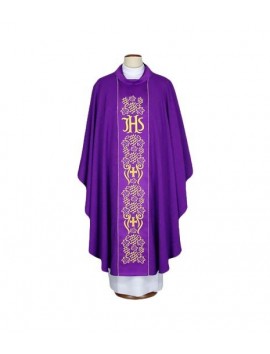
Purple chasubles
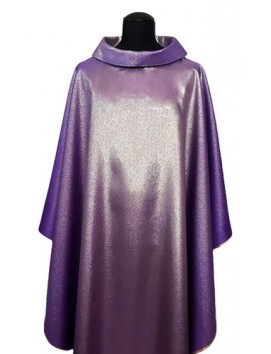
A purple chasuble is a special vestment worn by priests during specific times in the Christian liturgical calendar. It’s not just any robe-it’s the outermost garment, draped over everything else, and loaded with symbolism. Purple (sometimes called violet) stands for penance, preparation, and reflection. You’ll see it most during Advent and Lent, but it also appears at funerals and memorials.
A purple chasuble is a special vestment worn by priests during specific times in the Christian liturgical calendar. It’s not just any robe-it’s the outermost garment, draped over everything else, and loaded with symbolism. Purple (sometimes called violet) stands for penance, preparation, and reflection. You’ll see it most during Advent and Lent, but it also appears at funerals and memorials.
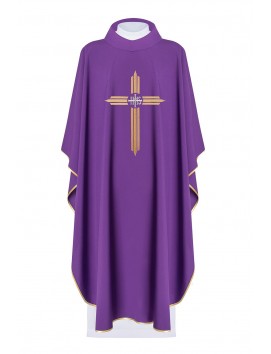
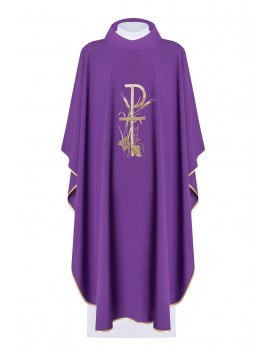
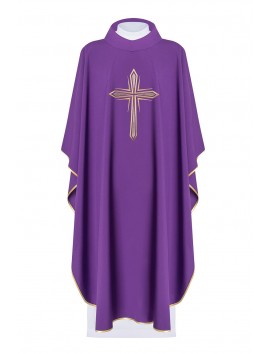
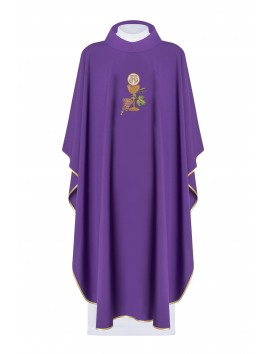
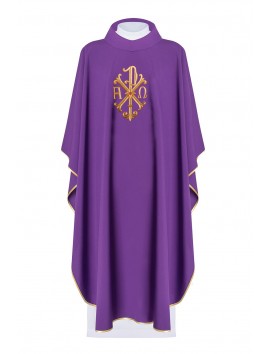
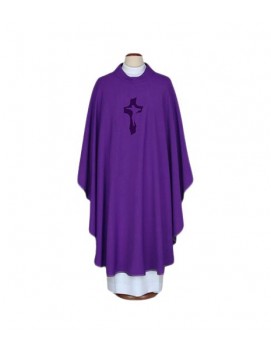
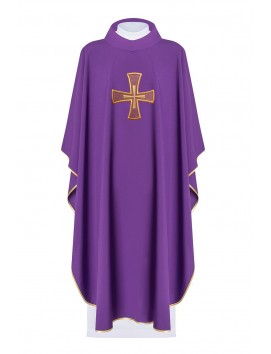
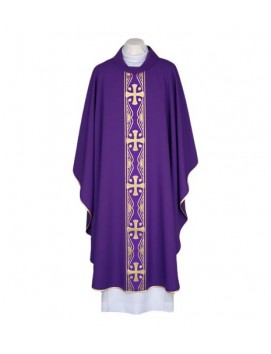
Gothic chasuble PX - liturgical colors (14) Gothic chasuble PX - liturgical colors (14)
Gothic chasuble PX - liturgical colors (14) Gothic chasuble PX -...
$ 1711Review(s)
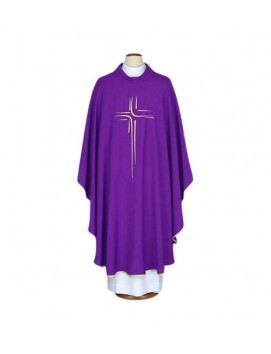
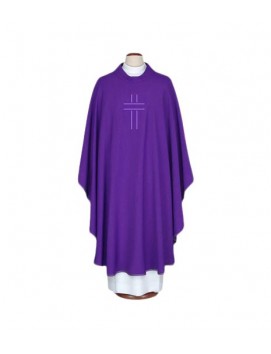
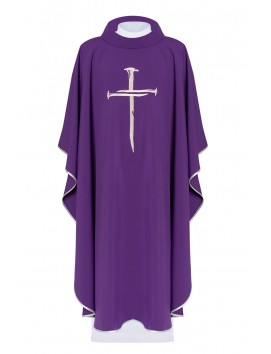
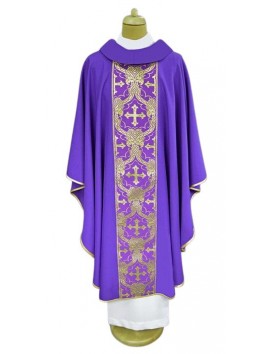
What is the history of purple chasubles in Christian liturgy?
Where Did the Chasuble Come From?
The chasuble started as a simple Roman outer garment called the casula or paenula-think of it as a “little house” that protected people from the weather.
Early Christians adopted this style, and by the 6th century, it became the official attire for priests during Mass.
Over time, the Church kept the chasuble’s Roman roots, even as everyday fashion changed. This move set church vestments apart and gave them a sense of sacred tradition.
When Did Purple Enter the Picture?
In the early days, chasubles came in various colors, but purple wasn’t always the go-to liturgical color.
Purple’s big moment came in the thirteenth and fourteenth centuries, when it became widely used for church services.
By the 16th century, after the Council of Trent and the Roman Missal of 1570, purple was the official color for the Lent and Advent seasons, focused on penance and preparation.
Why Purple? What’s the Meaning?
Originally, purple was the color of royalty and power-think kings and emperors.
In Christian symbolism, purple shifted to represent penance, humility, and mourning. This change is rooted in the Gospels, where Roman soldiers mocked Jesus by dressing Him in a purple robe before the crucifixion.
Today, purple chasubles are worn during Lent and Advent to remind everyone of sacrifice, reflection, and the anticipation of major Christian events.
How Did Purple Chasubles Evolve?
Early chasubles were simple-just big pieces of cloth with a hole for the head.
They became more fitted and ornate as centuries passed, with embroidery, gold thread, and Christian symbols like crosses or lambs.
The color purple became more standardized, but shades could vary based on region and available dyes.
What’s the Big Deal About Purple Chasubles Today?
They’re not just about looking good; they’re loaded with meaning.
Purple chasubles mark special seasons-Lent and Advent-so when you see a priest in purple, you know it’s a time for spiritual focus.
The tradition connects us to centuries of Christian history and keeps the message of penance and preparation front and center.
Quick Facts: The History of Purple Chasubles in Christian Liturgy
Origin: Roman outerwear was adopted by early Christians.
Liturgical Use: Became official priestly attire by the 6th century.
Purple’s Role: It gained traction in the 13th-14th centuries and was made official in the 16th century.
Symbolism: From royal power to penance and humility.
Modern Use: Reserved for Lent, Advent, and sometimes funerals.
Why do priests wear purple chasubles during Advent and Lent?
The Real Meaning Behind Purple Chasubles
Priests wear purple chasubles during Advent and Lent because purple is loaded with symbolism in Christian liturgy. Here’s what it means:
Penance: Purple is the color of penance. It’s a visual cue for everyone in the church to reflect, repent, and get serious about their spiritual life during these seasons.
Preparation: Both Advent and Lent are seasons of preparation. Advent is about getting ready for the birth of Christ; Lent is about preparing for His resurrection. Purple chasubles remind us to focus, organize, and not just go through the motions.
Sacrifice: Purple also represents sacrifice and humility. It’s a call to put aside distractions and make room for prayer, fasting, and almsgiving.
Why Purple? The Deeper Story
Royalty and Kingship: Back in the day, purple dye was rare and expensive, reserved for kings and emperors. When priests wear purple, it nods to Christ as the King of Kings. But there’s more: during Christ’s Passion, Roman soldiers mocked Him by dressing Him in a purple robe, unknowingly highlighting His true kingship.
Suffering and Mockery: The Gospels tell us that Jesus was clothed in purple as a form of mockery before His crucifixion. The church adopted this color to honor both His suffering and His royalty.
When Do Priests Wear Purple Chasubles?
Advent: The four weeks leading up to Christmas. Purple signals anticipation, hope, and spiritual readiness for Christ’s coming.
Lent: The forty days before Easter. Purple here means it’s time to repent, fast, and prepare for the resurrection.
Other Occasions: Sometimes, purple is used for funerals or times of mourning, but Advent and Lent are the main events.
What Does This Mean for You?
Visual Reminder: Every time you see a priest in a purple chasuble during Advent or Lent, it’s a call to action. Reflect, prepare, and focus on what matters.
Tradition With Purpose: This isn’t just about following old rules. The tradition of purple chasubles is rooted in centuries of meaning, connecting us to the story of Christ and the journey of faith.
Quick Takeaways: Why Priests Wear Purple Chasubles During Advent and Lent
Purple = penance, preparation, sacrifice, and royalty.
Advent and Lent are all about getting ready, spiritually and mentally, for the most important events in Christianity.
Purple ties back to Christ’s kingship and His suffering, making it the perfect choice for these seasons.
What does the color purple symbolize in the liturgical context?
Purple: The Royal and Penitential Powerhouse
So, why purple? In the liturgical context, purple is all about penance, preparation, and royalty. Here’s what you need to know:
Penance and Repentance: Purple is the color of penance. When you see purple vestments or altar cloths, it calls for self-examination, repentance, and spiritual renewal. The Church uses purple during Lent and Advent to remind us to slow down, reflect, and prepare our hearts for what’s coming next.
Preparation: Purple signals a time of waiting and preparation. In Advent, it’s about getting ready for Christ’s birth. In Lent, it’s about preparing for the resurrection. It’s a season of anticipation, not just routine.
Mourning and Suffering: Purple also represents mourning-think about the somber tone of Lent and the reflection on Christ’s suffering. It’s a color that invites us to remember the pain and sacrifice at the heart of the Christian story.
Royalty and Majesty: Historically, purple dye was rare and expensive, worn by kings and emperors. In the liturgical context, purple points to Christ’s kingship. Even in suffering, Jesus is the King of Kings, and the purple robe used to mock Him before the crucifixion now stands as a symbol of His actual authority.
Biblical and Historical Roots of Purple
Scripture Connection: In the Bible, purple is tied to royalty and spiritual authority. The Gospels tell us that Roman soldiers dressed Jesus in a purple robe as a cruel joke, but the Church flipped the script-now purple is a sign of Christ’s true kingship and sacrificial love.
Priestly Garments: In the Old Testament, high priests wore purple, symbolizing their sacred office and role as mediators between God and the people. Today, purple vestments remind us of Christ as the ultimate High Priest.
Transformation: Purple is made by blending red and blue. In the same way, Christ unites the human and divine, heaven and earth, in His person. The color itself becomes a symbol of transformation and unity.
How the Church Uses Purple
Advent and Lent: These are the main seasons where purple dominates. Priests, deacons, and even the Pope wear purple vestments. The whole church takes on a more somber, reflective tone.
Funerals and Mourning: Sometimes, purple is used for funerals or memorial services, marking times of grief and hope.
Special Feasts: On rare occasions, purple shows up during particular solemnities, always carrying its core symbolism.
Key Takeaways: What Does the Color Purple Symbolize in the Liturgical Context?
Penance and repentance
Preparation and anticipation
Mourning and suffering
Royalty and majesty
Transformation and unity
Are purple chasubles used for funerals or other special occasions?
Why Purple Chasubles Show Up at Funerals
Mourning and Remembrance: Purple chasubles are often worn during funerals in the Catholic Church. The color purple symbolizes mourning, sorrow, and remembrance of the departed. It’s a powerful visual cue that acknowledges the pain of loss while offering hope and dignity on the occasion.
Penance and Prayer: Purple isn’t just about sadness. Its color calls the faithful to prayer, penance, and reflection. At a funeral, it’s a reminder to pray for the deceased's soul and reflect on the hope of resurrection.
Official Liturgical Option: According to the General Instruction of the Roman Missal, priests can choose purple, white, or black vestments for funerals. Purple is often associated with penance and mourning, making it a fitting choice for Masses for the Dead.
Other Special Occasions for Purple Chasubles
Memorial Services: Purple chasubles aren’t limited to funerals. They’re also used for memorial services, focusing on remembrance and spiritual reflection.
Masses for the Dead: Any liturgical celebration intended to pray for the deceased, like All Souls’ Day or anniversary Masses, may feature purple vestments.
Times of Penance: While Advent and Lent are the main seasons for purple, any special liturgical event emphasizing penance, humility, or preparation might call for a purple chasuble.
What Makes Purple So Significant?
Symbol of Hope: Even while mourning, purple chasubles offer hope. They point to the resurrection and the promise of eternal life.
Tradition and Dignity: Purple has a long history in the Church as a color of dignity, royalty, and deep spiritual meaning. It’s not just about tradition, but also connecting the community to centuries of faith and hope.
Key Takeaways: Are Purple Chasubles Used for Funerals or Other Special Occasions?
Yes, purple chasubles are commonly used for funerals, memorial services, and Masses for the dead.
Purple symbolizes mourning, penance, prayer, and hope.
The choice of purple connects the liturgy to centuries of tradition and spiritual meaning.
What materials are commonly used to make purple chasubles?
Top Materials for Purple Chasubles
1. Silk
Silk is the gold standard for chasubles. It’s got that rich, shimmering look and feels incredible to the touch.
Popular silk types include Silk Dupioni and Silk Damask, known for their elegant drape and vibrant color options.
Silk chasubles are often reserved for major feasts or high liturgy because of their luxurious feel and higher price point.
2. Wool and Wool Blends
Wool is a classic choice for its durability, warmth, and natural drape.
Like wool mixed with polyester, wool blends offer the best of both worlds: comfort, breathability, and added strength.
These are perfect for colder climates or traditional settings where formality matters.
3. Linen
Linen is all about breathability and lightness. It’s a natural fiber that keeps things cool, especially in hot, humid climates.
Linen wrinkles more easily, but it’s a solid choice for simple, understated chasubles or priests who prioritize comfort.
4. Polyester
Polyester is the workhorse of modern chasubles. It’s lightweight, wrinkle-resistant, and budget-friendly.
Many purple chasubles today are made from 100% polyester or polyester blends, making them easy to care for and ideal for everyday use.
Polyester doesn’t breathe as well as natural fibers, but it’s unbeatable for low maintenance and affordability.
5. Sacroline and Sacrolite
Sacroline is a blend of natural fibers (viscose, linen, silk) with a touch of polyester. It’s soft, delicate, and fits well, giving a high-end feel without the full cost of pure silk.
Sacrolite is a lightweight, airy knit fabric made from 100% polyester, often used for comfort and ease of wear.
6. Brocade and Decorative Fabrics
Brocade, often a blend of cotton and viscose, is chosen for its rich patterns and texture.
These fabrics are perfect for ornate chasubles with heavy embroidery, gold thread, or special designs.
What Makes a Great Purple Chasuble Material?
Comfort: Lightweight and breathable fabrics prevent overheating during long services.
Durability: Strong fibers like wool and polyester, as well as blends, stand up to repeated use.
Appearance: Silk and brocade deliver that wow factor for special occasions.
Maintenance: Polyester and blends are easy to clean and wrinkle-resistant.
Quick Tips for Choosing Purple Chasuble Materials
For high feast days or special liturgies, go with silk or brocade for maximum impact.
For daily use, polyester or wool blends offer durability and easy care.
In hot climates, linen or lightweight blends keep things comfortable.
If you want a balance of luxury and practicality, Sacroline or Sacrolite are top picks.
What symbols or embroidery are typically found on purple chasubles?
Core Symbols on Purple Chasubles
When it comes to purple chasubles, you’ll notice some recurring motifs. Here’s what you’ll typically find:
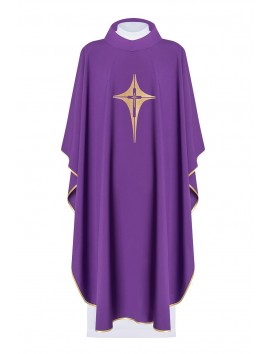
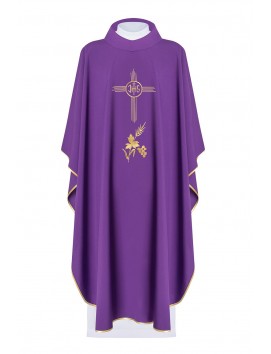
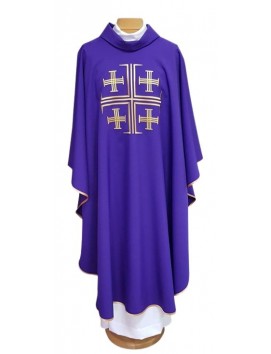
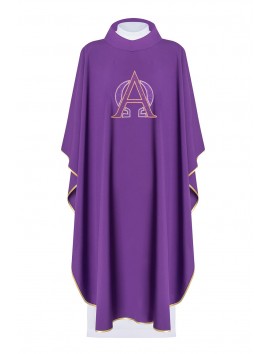
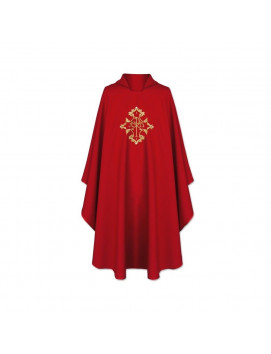
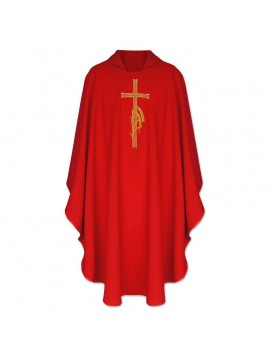
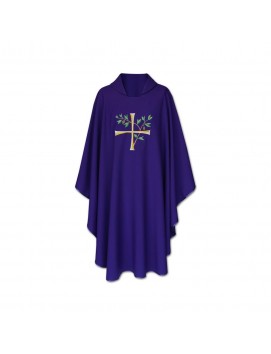
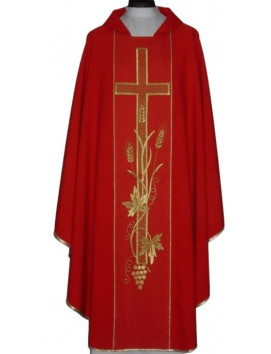
Crosses: The most common symbol, often embroidered in gold or silver thread. The cross is central to Christian faith and especially meaningful during Lent, symbolizing Christ’s sacrifice.
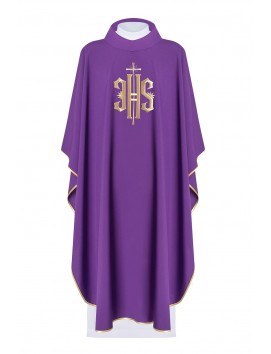
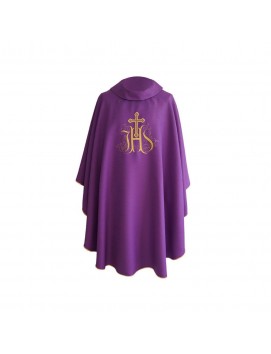
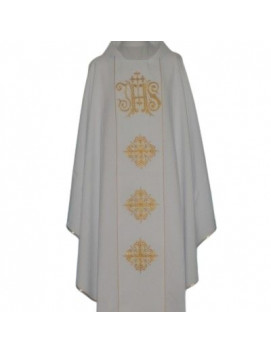
IHS Monogram: These three letters stand for the name of Jesus. You’ll often see “IHS” at the center of a cross or as a standalone design, reinforcing the focus on Christ.
Crowns of Thorns: This symbol directly references the Passion of Christ, serving as a reminder of suffering, humility, and redemption.
Nails: Another symbol of passion, the nails evoke the crucifixion and the themes of penance and sacrifice that purple represents.
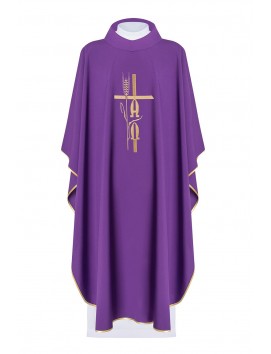
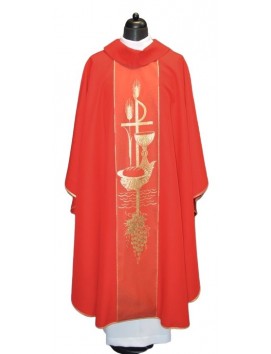
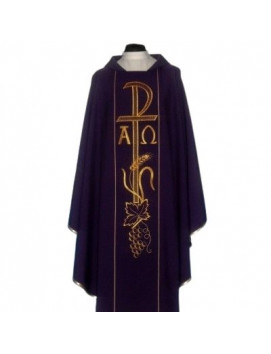
Eucharistic Symbols: Chalices, wheat, and grapes sometimes appear, tying the vestment to the celebration of the Mass and the presence of Christ in the Eucharist.
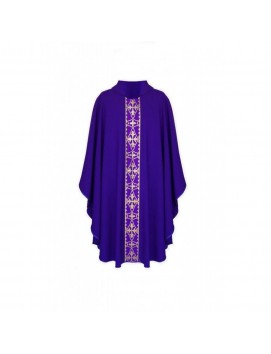
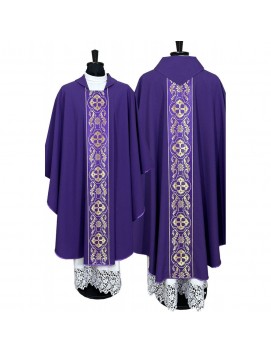
Orphrey Bands: These are decorative strips, often heavily embroidered, that run vertically or in a cross shape on the chasuble. They’re not just for show-they frame the main symbols and add visual focus.
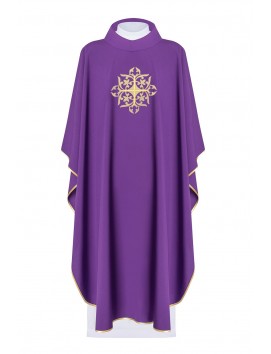
Plant or Geometric Ornaments: Vines, leaves, and other plant motifs symbolize growth, spiritual life, and faith. Geometric patterns can also appear, adding beauty while keeping the focus on the liturgical season.
Why These Symbols Matter
Visual Catechesis: Every symbol is a teaching tool. The cross, IHS, and Passion symbols help the congregation visually connect to the themes of penance, preparation, and sacrifice.
Liturgical Focus: Purple chasubles are worn during the Advent and Lent seasons of reflection and spiritual preparation. The embroidery reinforces the solemnity and purpose of these times.
Tradition and Reverence: Embroidered gold or silver thread, especially on purple, adds dignity and reverence to the vestment, elevating the worship experience.
Common Embroidery Techniques
Gold and Silver Thread: Adds a sense of majesty and highlights the sacredness of the symbols.
Computer Embroidery: Modern chasubles often use precise machine embroidery for detailed designs and consistency.
Hand Embroidery: Hand-stitched symbols bring a unique, artisanal touch to high-end or custom chasubles.
Quick Tips: What to Look for in Purple Chasuble Embroidery
Central Cross or IHS: Check for a bold cross or IHS monogram front and center if you see a purple chasuble.
Passion Symbols: Crowns of thorns or nails mean the vestment is likely for Lent or Good Friday.
Orphrey Bands: Look for vertical or cross-shaped bands framing the main symbols.
Gold Detailing: Gold or silver thread pops against purple, making the symbols stand out.
How do I choose the right size and style of chasuble?
1. Start With the Right Size
Fit matters. The chasuble should match the priest’s height and build. Too long, and you risk tripping or looking sloppy. Too short, and it loses its solemn look, and can restrict movement.
Here’s how to nail the size:
Height: Most sizing charts use your height as the main guide. For example, a monastic cut chasuble at 52” length fits someone 5'6” to 5'8”, while a 60” length fits someone 6'3” to 6'4”.
Width: Standard widths are around 60”, but some cuts (like Gothic) offer special small or ample sizes for different builds.
Key measurements: Have someone else measure you for accuracy, including the top of the head to the floor (height), neck, shoulder-to-shoulder, back length, chest, waist, hips, and sleeve length.
Custom sizing: If standard sizes don’t fit, go custom. Many vestment makers offer bespoke options for a perfect fit.
2. Pick the Right Style for Your Needs
Not all chasubles are created equal. Here’s a quick rundown:
Gothic Chasuble: Semi-circular, lightweight, and practical. Great for most liturgical settings and easy to move in.
Monastic Chasuble: Fuller cut, often longer, with a traditional, flowing look. Perfect for solemn liturgies.
Roman (Fiddleback): Structured, ornate, and shorter. Classic for high solemnity or traditional Masses.
Other Styles: Semi-Gothic, Marian, or occasional chasubles for special feasts or needs.
Pro tips:
Match the style to your church’s architecture and liturgical tradition. A Romanesque church looks great with geometric, classic designs; Baroque churches can handle more elaborate, decorative chasubles.
Consider the priest’s comfort and movement, especially for long services or processions.
3. Don’t Ignore Material and Motif
Material: Lightweight, breathable fabrics like cotton, linen, or premium polyester keep you comfortable. For special occasions, silk, brocade, or velvet adds elegance.
Design: Choose motifs and embroidery that fit the liturgical season and your parish’s tradition. For Advent and Lent, go sober and straightforward; for feasts, go ornate.
Color: Always match the liturgical color to the season-purple for Advent and Lent, green for Ordinary Time, white or gold for feasts, red for martyrs.
4. Quality and Durability
Could you check the stitching and finishing? A chasuble is an investment. Neat, durable stitching means it’ll last through years of use and washing.
You can balance your budget with quality. High-quality chasubles cost more but deliver better value over time.
5. Where to Buy
Always buy from trusted sellers or reputable vestment makers. Look for options for returns or adjustments if the fit isn’t perfect.
Quick Checklist: How Do I Choose the Right Size and Style of Chasuble?
You can measure your height and key body points and get help for accuracy.
You can pick a style that matches your liturgical tradition and comfort needs.
Choose quality materials and season-appropriate colors.
Look for neat stitching and durable construction.
Buy from trusted sellers, with custom sizing if needed.
How should a purple chasuble be cared for and stored?
1. Always Follow the Care Label
Every purple chasuble comes with a care label. Please read it. Follow it. This label tells you exactly how to wash, dry, and iron your chasuble based on its unique fabric and embroidery. Ignoring this is the fastest way to ruin a beautiful vestment.
2. Clean Gently and Spot Clean First
Hand wash in cool or lukewarm water with a mild detergent if needed. Never soak for too long-this protects both the fabric and the embroidery.
If you must use a washing machine, use the delicate cycle and place the chasuble in a laundry bag to shield decorative elements.
Spot clean stains immediately with cold water and a soft cloth. Don’t scrub hard; gentle blotting is your friend.
For intricate embroidery or delicate fabrics, professional dry cleaning by someone who knows church vestments is your best bet-usually once or twice a year is enough.
3. Avoid Bleach and Harsh Chemicals
Bleach and strong cleaners will destroy the color and fibers of your purple chasuble. Please make sure to stick to mild detergents made for delicate fabrics.
4. Dry with Care
Never dry in direct sunlight. Sunlight fades purple faster than you’d believe.
To keep the shape, hang in a shaded, well-ventilated area using a wide, fabric-covered hanger.
Avoid tumble dryers-air dry only.
5. Iron at Low Temperature
If you need to iron, you can use a low-heat setting.
Place a cotton cloth over the chasuble to protect the embroidery and fabric from direct heat.
Lay the chasuble flat for stubborn creases and place a heavy book on top overnight instead of ironing.
6. Store Properly, Don’t Fold
Hang your purple chasuble on a wide, sturdy hanger to prevent wrinkles and fabric damage.
Use a breathable garment bag, not plastic dry-cleaning bags, to shield from dust and moisture but allow airflow.
Store in a cool, dry, dark place-heat, humidity, and sunlight are the enemies of fabric and color.
Avoid folding, which can cause permanent creases and weaken the fabric over time.
7. Prevent Damage and Pests
Protect against moths with natural repellents if you’re storing for long periods.
Please check regularly for any signs of mold, mildew, or insect damage and address them as soon as possible.
8. Inspect and Maintain
Regularly check for loose threads, damaged embroidery, or minor tears. Please fix them fast to prevent bigger problems down the line.
If traveling, use a dedicated garment bag and avoid cramming the chasuble into a suitcase with other items.
Quick Checklist: How Should a Purple Chasuble Be Cared For and Stored?
Follow the care label, always.
Hand wash or spot clean with mild detergent.
Never use bleach or harsh chemicals.
Air dry in the shade; never in direct sunlight.
Iron on low with a cloth barrier, or flatten creases with a weight.
You can hang on a wide, sturdy hanger in a breathable garment bag.
Store in a cool, dry, dark place-never fold.
Please protect them from pests and check on them regularly.