
No products
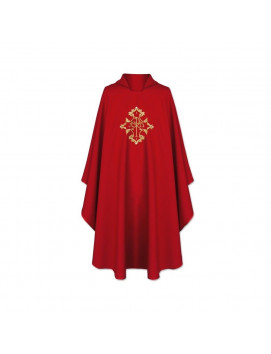
Red chasubles
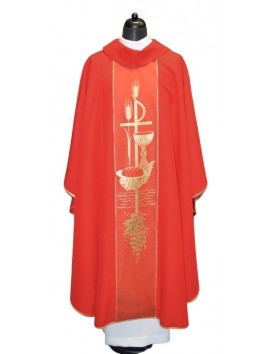
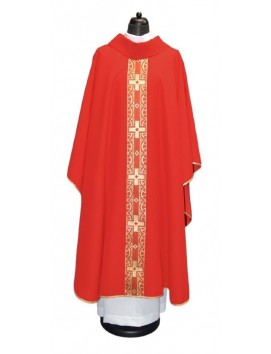
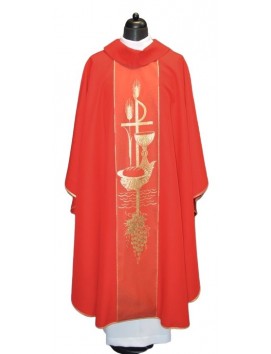
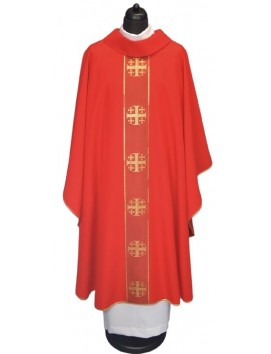
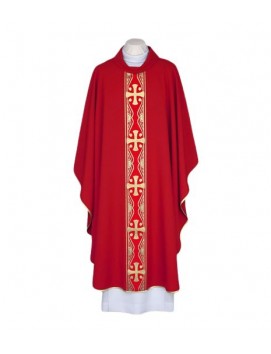
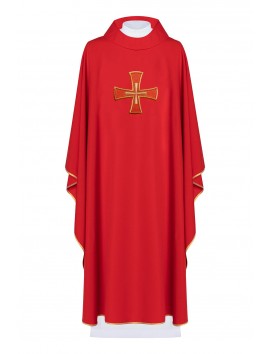
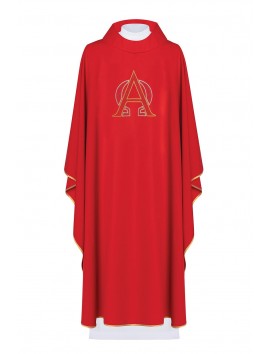
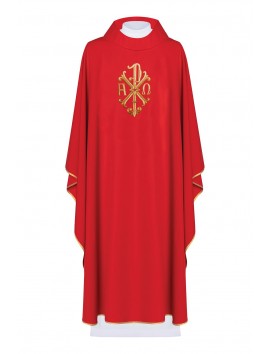
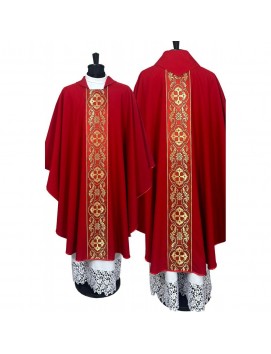
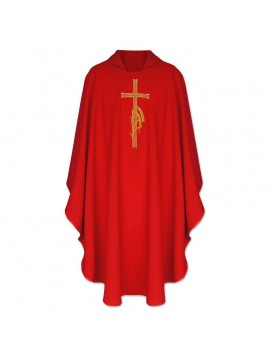
A red chasuble is the leading liturgical vestment priests wear during specific Catholic, Anglican, and some Protestant ceremonies. Think of it as a large, flowing cloak-usually made from rich fabrics like silk or damask-that drapes over the shoulders and covers most of the body. The red chasuble isn’t just about style; it’s loaded with meaning and tradition.
A red chasuble is the leading liturgical vestment priests wear during specific Catholic, Anglican, and some Protestant ceremonies. Think of it as a large, flowing cloak-usually made from rich fabrics like silk or damask-that drapes over the shoulders and covers most of the body. The red chasuble isn’t just about style; it’s loaded with meaning and tradition.
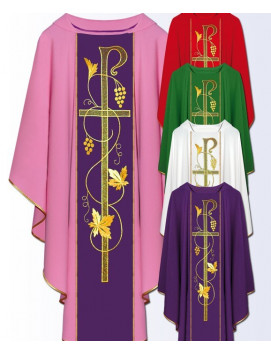
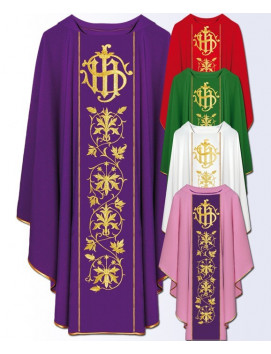
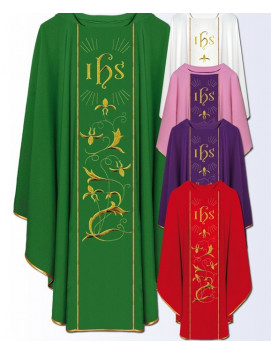
Gothic chasuble PX - liturgical colors (14) Gothic chasuble PX - liturgical colors (14)
Gothic chasuble PX - liturgical colors (14) Gothic chasuble PX -...
$ 1711Review(s)
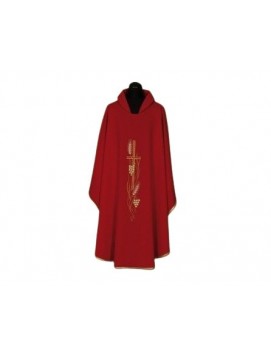
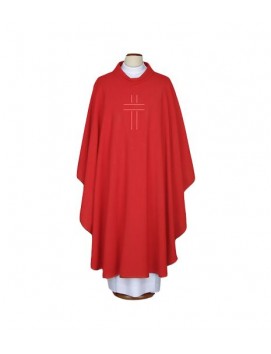
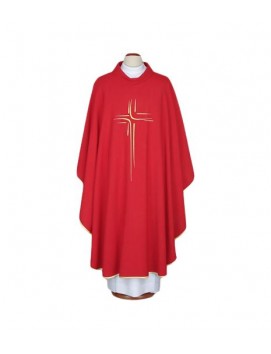
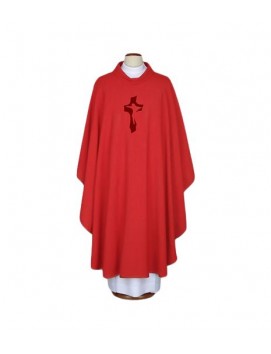




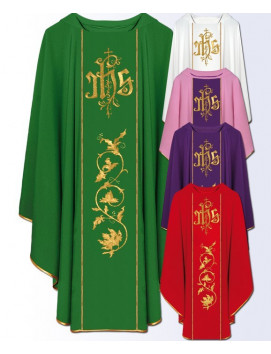
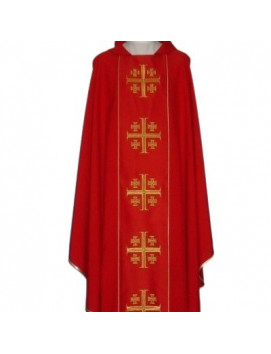
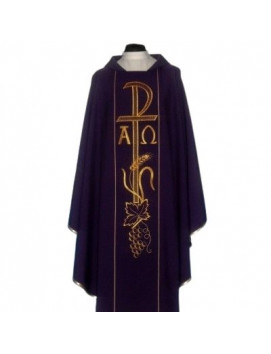
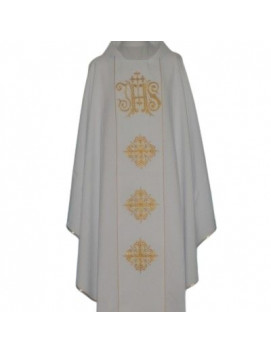
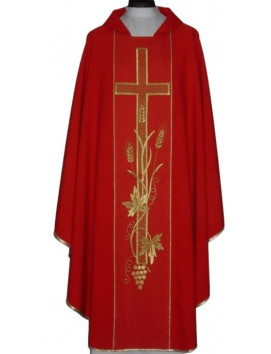
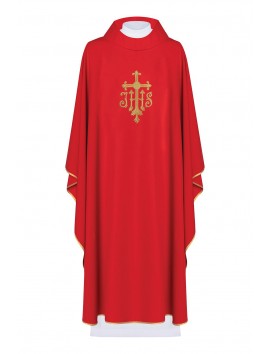
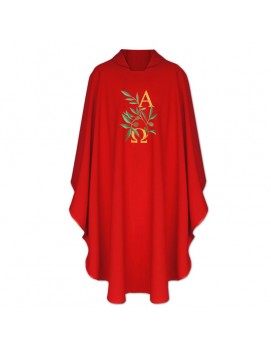
What is the meaning of the red chasuble?
The red chasuble is more than just a vestment; it is a symbol loaded with centuries of meaning in Christian liturgy. When you see a priest wearing a red chasuble, you’re witnessing a visual shorthand for some of the most powerful themes in the faith: sacrifice, the Holy Spirit, martyrdom, and passionate love.
Why Red? Here’s What It Means
Red isn’t chosen accidentally. Here’s what the red chasuble stands for:
Blood and Sacrifice: Red is the color of blood; in church tradition, it’s a direct reminder of Christ’s sacrifice on the cross. When a priest wears a red chasuble, it signifies the price paid for redemption and the blood of martyrs who gave everything for their faith.
The Holy Spirit and Fire: Red also represents the fire of the Holy Spirit. Think Pentecost-when the apostles received the Holy Spirit as tongues of fire, red vestments make that moment tangible for everyone in the congregation.
Love and Passion: Red is the color of love and zeal. It’s about God’s love for humanity and the passionate devotion believers are called to show.
Martyrdom: Red chasubles are worn to honor saints who died for their faith. It’s a tribute to courage, conviction, and the ultimate act of witness.
When is the Red Chasuble Worn?
You’ll see the red chasuble at key moments in the liturgical calendar, including:
Palm Sunday
Good Friday
Pentecost
Feast days of the apostles and martyrs
Sacrament of Confirmation
These aren’t random dates-they’re chosen to highlight the themes of sacrifice, the Holy Spirit, and unwavering faith.
How the Red Chasuble Brings Meaning to Worship
Let’s get practical. The red chasuble isn’t just about tradition. It’s about making spiritual realities visible:
It reminds the congregation of Christ’s sacrifice and the cost of discipleship.
It marks the presence and power of the Holy Spirit during key celebrations.
It honors those who lived and died for their faith, inspiring others to do the same.
Quick Recap: What is the Meaning of the Red Chasuble?
The red chasuble is all about blood, sacrifice, love, fire, and the Holy Spirit.
It’s worn on the most powerful days in the church calendar to make invisible truths visible.
If you want to understand Christian worship, understanding the meaning of the red chasuble is a must.
What is the historical significance of red chasubles in Christian worship?
Red chasubles aren’t just colorful robes-they’re loaded with meaning, tradition, and centuries of history. Here’s why they matter:
Ancient Roots and Evolution
The chasuble started as a Roman outer garment called the paenula-a practical, everyday cloak in the late Roman Empire. The Church held on to this style as civil fashion changed, transforming it into a sacred vestment.
By the 8th and 9th centuries, church councils and popes began prescribing the chasuble as essential for liturgical celebrations, cementing its role in Christian worship.
Over time, the design shifted from a full, conical shape to the more tailored forms you see today-Roman, Gothic, and hybrid styles-all while keeping its deep symbolic roots.
Why Red? Symbolism Through the Ages
Blood and Sacrifice: Red chasubles are a visual reminder of Christ’s passion and the blood of martyrs. Every time a priest dons red, it’s a nod to the ultimate sacrifice-Christ on the cross and the saints who followed Him, even unto death.
Fire of the Holy Spirit: Red also stands for the Holy Spirit’s fire, especially on Pentecost when the apostles received the Spirit as tongues of fire. Wearing red chasubles on Pentecost isn’t just a tradition, but a way to make that spiritual reality visible and tangible for the congregation.
Love and Passion: Beyond sacrifice, red embodies God’s love and the passionate devotion expected from believers. It’s a color that stirs emotion and calls for commitment.
When Are Red Chasubles Worn?
You’ll see red chasubles during the most powerful moments in the church calendar:
Palm Sunday (Jesus’ entry into Jerusalem)
Good Friday (Christ’s crucifixion)
Pentecost (the Holy Spirit’s descent)
Feast days of apostles, evangelists, and martyrs
Confirmation ceremonies and votive Masses of the Holy Spirit
Every appearance of the red chasuble is deliberate, marking events that center on sacrifice, the Spirit, and unwavering faith.
Artistic and Spiritual Legacy
Red chasubles have evolved in design, but their historical significance remains. Each vestment is a tapestry of faith and history, from intricate embroidery to bold symbols like crosses and flames.
The craftsmanship behind these vestments reflects the church’s dedication to beauty, reverence, and continuity with the past.
Key Takeaways: Why Red Chasubles Matter
Red chasubles are directly linked to the earliest Christian traditions and the Roman Empire.
They symbolize the blood of Christ, the fire of the Holy Spirit, and the courage of martyrs.
Their use is tied to the Christian calendar's most significant celebrations and feasts.
The evolution of the red chasuble’s design mirrors the church’s journey through history, blending ancient roots with ongoing spiritual meaning.
What does the color red symbolize in liturgical vestments?
Blood and Sacrifice
Red is the color of blood. In the church, it’s a direct reminder of Christ’s Passion and the ultimate sacrifice He made on the cross.
It’s also about the martyrs-those who gave their lives for their faith. On feast days for martyrs, apostles, and evangelists, red vestments are front and center to honor their courage and witness.
Red shows up on Good Friday, Palm Sunday, and other days, marking sacrifice as a visual cue that we remember the cost of faith.
Fire and the Holy Spirit
Red means fire. Specifically, the fire of the Holy Spirit. On Pentecost, when the Holy Spirit descended as tongues of fire, red vestments make that moment come alive for everyone in the pews.
It’s also worn at Confirmations and votive Masses of the Holy Spirit, symbolizing the gifts, zeal, and power that come from above.
Love and Passion
Red isn’t just about pain-it’s about untold love and burning charity. The church uses red to show God’s passionate love for humanity and the call for us to love with that same intensity.
On Pentecost, red glows like fire, signifying heavenly love and the Spirit’s action.
Royalty and Dignity
Historically, red was a color reserved for royalty and the powerful, thanks to the expense of red dye. In some traditions, red vestments can also nod to Christ’s kingly dignity and the honor of the saints.
Can red chasubles be used outside the specified liturgical celebrations?
Red chasubles are traditionally reserved for specific liturgical occasions. The color red in Christian vestments is packed with meaning: sacrifice, the Holy Spirit, and martyrdom. The church calendar is precise about when red chasubles hit the altar: Palm Sunday, Good Friday, Pentecost, feast days of apostles and martyrs, and sometimes Confirmations. These moments are chosen because they align with what red represents.
Why the Restriction?
Liturgical symbolism matters. Each color-red, green, white, and purple-marks a specific theme or season. Red is powerful, so it’s saved for the most dramatic moments: Christ’s passion, the fire of the Holy Spirit, and the sacrifice of martyrs.
Consistency across the church. Uniformity keeps the message clear. When you see red, you know what’s being commemorated.
Are There Any Exceptions?
Rare exceptions exist, but they’re not the norm. Sometimes, local custom or a bishop’s directive might allow red chasubles for other solemnities emphasizing sacrifice, love, or the Holy Spirit.
Non-liturgical use is rarely allowed. Chasubles, including red ones, are considered liturgical vestments. Their use is generally limited to Mass and other sacraments. Wearing a chasuble outside these contexts is rare and usually only happens for special blessings, the Anointing of the Sick, or in some private devotions within religious communities. However, even then, it’s not common practice.
Laypeople and non-clergy don’t wear chasubles. The vestment symbolizes priestly authority and is reserved for ordained ministers.
What Happens If You Use Red Chasubles Outside the Calendar?
It can be unclear. The congregation expects specific colors to mean certain things. Using red outside its intended context can muddle the message and disrupt the flow of the liturgical year.
It might go against local or diocesan guidelines. Always check with your diocese or liturgical authority before making changes. The rules are there for a reason-to keep worship meaningful and unified.
Key Takeaways
Red chasubles are meant for specific liturgical celebrations: Palm Sunday, Good Friday, Pentecost, martyrs’ feast days, and Confirmations.
Exceptions are rare and usually require approval or are tied to local custom.
Using red chasubles outside the prescribed times is not recommended and can dilute their powerful symbolism.
Always check your local liturgical guidelines before making any changes.
What is the significance of wearing red on Pentecost, Palm Sunday, and Good Friday?
Wearing red on Pentecost, Palm Sunday, and Good Friday isn’t just about looking coordinated; it’s about making the invisible visible. Red is the color of fire, blood, sacrifice, and the Holy Spirit. Each of these days taps into a different part of that symbolism, and the impact is enormous.
Why Red on Pentecost?
Red symbolizes the Holy Spirit. On Pentecost, Christians remember the day the Holy Spirit descended on the apostles as tongues of fire. That’s why you’ll see churches decked out in red-it’s a visual shout-out to the power and presence of the Spirit.
Red means fire and transformation. The flames weren’t just for show-they changed everything. Red on Pentecost is a reminder that faith is supposed to ignite, transform, and send us out into the world with boldness.
Red represents unity. When the congregation wears red, it’s a sign that everyone is touched by the same Spirit and called to the same mission.
Why Red on Palm Sunday?
Red is the color of Christ’s Passion. Palm Sunday starts Holy Week, leading to Jesus’ suffering and death. The red vestments directly reference the blood Christ would shed for humanity.
Red signals sacrifice. This isn’t just about remembering a historical event-it’s about honoring the ultimate sacrifice and preparing our hearts for what’s coming on Good Friday.
Why Red on Good Friday?
Red honors the blood of Jesus. Good Friday is all about the crucifixion. Red vestments and attire are worn to remember Christ's blood on the cross for salvation.
Red marks a day of solemnity and love. It’s a visual reminder that love sometimes looks like sacrifice, and that the greatest love is shown in giving everything for others.
Key Takeaways: The Power of Red
Red on Pentecost = Fire and the Holy Spirit: A celebration of the Spirit’s power and the birth of the Church.
Red on Palm Sunday = Passion and Sacrifice: A call to remember Christ’s journey to the cross.
Red on Good Friday = Blood and Redemption: Honoring the ultimate act of love and the cost of salvation.
Why Does This Matter?
Wearing red on Pentecost, Palm Sunday, and Good Friday isn’t random-it’s a bold, visual way to connect with the most profound truths of Christian faith. It’s about remembering sacrifice, celebrating the Spirit, and uniting as a community around the things that matter most.
Are there regional differences in the use of red chasubles?
There are apparent regional differences in the use of red chasubles in design and how they’re worn in Christian worship. Red always brings big symbolism: blood, sacrifice, the Holy Spirit, and martyrdom. However, how red chasubles look and when they’re used can shift from one region to another.
How Regional Styles of Red Chasubles Differ
Shape and Cut:
Italian (Italo-Roman) Chasubles: These tend to be wider in the back, with a fuller, more dramatic drape. They’re classic, traditional, and often seen as the “gold standard” for solemnity and grandeur.
French Chasubles: Usually narrower, especially at the back and around the shoulders. The cut exposes more of the breast and shoulder, giving a lighter, less whole appearance.
Austrian Chasubles: Characterized by a gently rounded, wide back and front, with broader column orphreys (decorative bands). They look more expansive and are often richly decorated.
Spanish Chasubles: The most “cut-back” style shoulders are almost entirely exposed. Spanish chasubles have their own identity, often featuring two-column orphreys and elaborate embroidery. They’re instantly recognizable and very different from their Italian or French cousins.
Ornamentation and Fabric:
Italian and Spanish red chasubles often feature brocaded silk and floral or vine embroidery, while French and Austrian versions might use more geometric or columnar designs.
Embroidery, symbols (like flames, doves, or crosses), and fabric choice can vary widely, reflecting local artistic traditions and available materials.
Regional Differences in Liturgical Use
Liturgical Calendar:
The core rule is universal: red chasubles are worn for Pentecost, feasts of martyrs, Palm Sunday, and Good Friday. But, depending on local custom or diocesan guidelines, there can be subtle differences. Some regions may permit red on additional solemnities or for local saints with a strong tradition of martyrdom.
In certain places, red chasubles are also used for the sacrament of Confirmation, especially where the Holy Spirit’s symbolism is emphasized.
Marian Feasts:
While Marian chasubles are typically blue, some regions incorporate red as a secondary color, especially where Marian devotion is closely tied to Christ’s sacrifice. You might see Marian symbols mixed with red accents in these local traditions.
Why Do These Differences Matter?
Local Identity:
The style of red chasuble a priest wears can signal regional identity, heritage, and the particular history of a diocese or parish.
Artistic Expression:
Regional differences keep the tradition alive and evolving, allowing communities to express their faith through local art, embroidery, and vestment design.
Key Takeaways
Yes, there are fundamental regional differences in red chasubles-both in style and in how they’re used.
Italian, French, Austrian, and Spanish chasubles each have their own recognizable shape and decorative approach.
Local customs and diocesan rules can influence when red chasubles are worn, especially for Marian feasts or special celebrations.
These differences celebrate the diversity and history of Christian worship around the world.
What materials are red chasubles made from?
Red chasubles are crafted from various fabrics, each with its strengths. The material you choose impacts everything-how the chasuble looks, feels, lasts, and even how easy it is to care for. Here’s a no-nonsense breakdown of the most common materials you’ll find in red chasubles:
Wool and Wool Blends
Pure Wool: Known for its rich appearance and breathability. Wool resists odors and drapes beautifully, but it’s pricier and usually requires dry cleaning.
Wool Blends: Often mixed with synthetic fibers like Trevira for durability and easier care. A common blend is 54% wool and 46% Trevira-this keeps the chasuble looking sharp and comfortable while being more affordable and wrinkle-resistant.
Linen and Linen Blends
Pure Linen: Super breathable, cool, and crisp. Linen is a classic choice for sacred vestments, especially in warmer climates. It holds embroidery well and is easy to wash, but wrinkles can easily fade.
Linen Blends: These offer more durability and less wrinkling than pure linen, making them a practical choice for frequent use.
Silk and Satin
Silk: The luxury option. Silk chasubles have a natural sheen and feel incredibly rich. They’re reserved for high feasts and major celebrations due to their cost and delicacy.
Satin: Closely related to silk, satin offers shine and elegance but is more affordable. It’s often used as a base for damask and brocade fabrics.
Damask, Brocade, and Jacquard
Damask: A woven fabric with intricate patterns, often floral or religious. Damask chasubles are classic, traditional, and look stunning in red.
Brocade: Similar to damask but with raised patterns, sometimes incorporating gold or silver threads for extra richness. Perfect for solemn occasions.
Jacquard: Italian jacquard fabrics are popular for their durability and detailed designs, and they are great for handmade, heirloom-quality chasubles.
Polyester and Synthetic Blends
Polyester: Lightweight, wrinkle-resistant, and affordable. Polyester chasubles are easy to care for and ideal for parishes on a budget or everyday use.
Polyester Blends: Often mixed with wool or cotton to balance comfort, durability, and price. These are practical and increasingly common in modern vestments.
Cotton
Cotton: Soft, breathable, and absorbent. While not as common for the main body of chasubles, cotton is sometimes used in blends or for lining due to its comfort and affordability.
Special Touches: Embroidery and Metallic Threads
Gold and Silver Threads: Many red chasubles feature embroidery with metallic threads for added beauty and symbolism.
Hand Embroidery: Custom, hand-embroidered designs-crosses, flames, doves-turn a chasuble into a work of art and reinforce its liturgical meaning.
How to Choose the Right Material for a Red Chasuble
Here’s how I’d approach it:
Climate matters: Go for linen or lightweight blends in hot weather; wool or heavier damask in cooler climates.
Budget: Polyester and blends are wallet-friendly; silk, damask, and brocade are investment pieces.
Care: If you want easy maintenance, stick with polyester or blends. Wool and silk require more attention.
Occasion: Save the ornate, embroidered silk or brocade chasubles for major feasts. Use simpler, durable fabrics for regular services.
Key Takeaways
Red chasubles are made from wool, linen, silk, damask, brocade, jacquard, polyester, and cotton, often in blends for the best balance of beauty and durability.
Choose your material based on climate, budget, care needs, and the importance of the celebration.
Embroidery and metallic threads add meaning and artistry to every red chasuble.
Are red chasubles available in different sizes or fits?
The answer is a clear yes. Most suppliers offer red chasubles in various standard sizes; many even provide custom sizing for a perfect fit. Here’s how it breaks down:
Standard and Universal Sizes
Universal Fit: Some red chasubles come in a “universal” or “one size fits most” option, designed to drape nicely on various body types. These are made with shaping in mind, using quality fabrics that hang properly and look dignified on most wearers.
Standard Sizes: Many retailers list specific measurements for their red chasubles. For example, a typical standard size might be 130 cm in length and 154 cm in width. These dimensions cover most adults, but may not suit everyone.
Custom Sizing and Tailoring
Custom Orders: If you need something more specific, you’re in luck. Many manufacturers and online stores offer custom sizing. You provide your height and weight, or other measurements, and they’ll tailor the chasuble to fit you exactly.
Multiple Size Options: Some suppliers have small, medium, and large options, with clear width and height measurements. For example, you might find a small at 46” x 44”, a medium at 50” x 46”, and other sizes as needed.
Lined and Unlined Options: Besides size, you can often choose between lined and unlined chasubles, which affects both fit and drape.
How to Order the Right Size
Check the Sizing Chart: Always look for the supplier’s sizing chart or product description for exact measurements.
Custom Requests: If you don’t see your size, reach out-most reputable vestment makers will accommodate special requests with just a few extra days for production.
Contact Support: If unsure, customer service teams are usually ready to help you select or customize the correct size.
Why Size and Fit Matter
Comfort: A well-fitted red chasuble won’t restrict movement or feel awkward during Mass.
Appearance: Proper fit ensures the chasuble drapes elegantly, maintaining the dignity of the liturgy.
Confidence: When vestments fit right, you can focus on worship, not adjusting your clothing.
Key Takeaways
Red chasubles are available in universal, standard, and custom sizes.
You can order tailored fits by providing your measurements to most suppliers.
Options include lined/unlined and multiple size categories for the best comfort and appearance.
Always check sizing details and don’t hesitate to request a custom fit for your red chasuble.
How do I choose the right red chasuble for my parish?
Choosing the right red chasuble for your parish is about balancing liturgical requirements, comfort, style, and budget. Here’s what to focus on:
1. Follow Liturgical Guidelines First
Check your denomination’s or diocese’s rules. Red chasubles are used for specific occasions-Pentecost, feasts of martyrs, Good Friday, and sometimes Confirmation. Make sure your choice matches the liturgical calendar and any local requirements.
Confirm style or design restrictions. Some dioceses specify embroidery, symbols, or even fabric types.
2. Pick the Right Style for Your Parish
Roman Chasuble: Wide, complete, and often heavily decorated. Perfect for parishes that lean traditional and want a sense of grandeur.
Gothic Chasuble: Lighter, semi-circular, and more streamlined. Great for modern spaces or priests who value comfort and simplicity.
Semi-Gothic: A hybrid offers some fullness with modern lines.
Chasubles with Images or Embroidery: Adds extra symbolism-think flames, doves, crosses, or saints. Choose what resonates with your parish’s identity.
3. Choose the Best Material for Comfort and Longevity
Climate matters: Lightweight fabrics like silk or polyester for hot climates; heavier materials like wool or brocade for cooler churches.
Quality counts: Look for strong seams and durable fabrics. A well-made chasuble lasts for years and keeps its beauty.
Easy care: If you want low maintenance, opt for blends or synthetics that are machine washable.
4. Match the Chasuble to Your Church Decor
Harmonize with the sanctuary: The chasuble should complement your altar, banners, and overall color scheme. This creates a cohesive, dignified look during liturgy.
Consider embroidery and ornamentation: Detailed embroidery can elevate the vestment, but keep it in line with your parish’s aesthetic, simple or ornate, as fits your community.
5. Set a Realistic Budget
Know your limits: Prices vary by material, craftsmanship, and decoration.
Invest in quality: A higher upfront cost for a durable, well-made chasuble can save money eventually.
Shop around: Compare options, but don’t sacrifice quality for price.
6. Prioritize Priest Comfort and Fit
Fit matters: The chasuble should allow free movement and make the priest feel comfortable, especially during long services.
Personal preference: If possible, involve the priest in the decision. Comfort and confidence on the altar matter.
Quick Checklist: How Do I Choose the Right Red Chasuble for My Parish?
Confirm liturgical appropriateness and diocesan guidelines.
Pick a style (Roman, Gothic, Semi-Gothic, or custom)
Choose a fabric that fits your climate and budget.
Match the chasuble to your church’s decor and aesthetic.
Decide on the level of embroidery or ornamentation.
Set a budget and invest in quality craftsmanship.
Ensure a comfortable fit for the priest
Key Takeaways
The right red chasuble honors tradition and enhances worship.
When choosing, consider liturgical rules, style, material, decor, budget, and priest comfort.
Investing in quality and fit ensures your red chasuble will serve your parish for years.
How should red chasubles be cared for and stored?
1. Always Follow the Care Label
Every red chasuble comes with a care label. Start there. The manufacturer knows best-follow those instructions to avoid costly mistakes.
2. Gentle Cleaning Only
Hand Wash Preferred: Use cool or lukewarm water and a mild detergent. Gently agitate, don’t scrub. This protects delicate fabrics and embroidery.
Delicate Machine Cycle: If you must use a washing machine, put the chasuble in a laundry bag and select the gentle cycle.
No Bleach or Harsh Chemicals: These destroy color and fibers. Stick with mild soap.
3. Spot Clean When Possible
For light stains, blot with a soft cloth and cold water immediately. Don’t scrub or rub hard-this can damage the fabric or any embroidery.
Prevention is best. You can avoid eating or drinking while vested, and use a stole protector if needed.
4. Professional Cleaning for Embroidered or Ornate Chasubles
If your red chasuble features intricate embroidery or delicate materials, use a professional dry cleaner with experience in liturgical garments. This keeps the fabric and decorations safe.
5. Proper Drying
Never wring out a chasuble. Lay it flat on a towel or hang it in a shaded, well-ventilated area-never in direct sunlight, which fades colors.
Could you ensure the chasuble is completely dry before storing it to prevent mildew and odors?
6. Iron with Caution
If ironing is needed, use a low-heat setting and always place a cloth between the iron and the chasuble to protect embroidery and delicate fabrics.
Some experts recommend avoiding ironing altogether. If creased, lay the vestment flat and place a heavy object overnight.
7. Store Red Chasubles Correctly
Hang, Don’t Fold: Use a wide, padded hanger to maintain the chasuble’s shape and avoid deep creases.
Protective Cover: Use a breathable garment bag made of cotton or linen, not plastic, to keep dust and moisture out while allowing airflow.
Cool, Dry, and Dark Place: Store in a well-ventilated, dry area away from sunlight, humidity, and heat sources. Never use cellars or attics, which can breed mold and mildew.
Natural Moth Protection: Add lavender sachets or cedar blocks to deter moths, mainly if the chasuble contains wool or silk.
8. Regular Inspection and Maintenance
Check your red chasubles periodically for stains, loose threads, or moth damage. Address issues promptly to prevent bigger problems.
Could you schedule professional cleaning every six months if the chasuble is used frequently?
Key Takeaways
Follow care labels and use gentle cleaning methods for red chasubles.
Please just spot clean stains immediately and avoid harsh chemicals or bleach.
Dry chasubles completely before storage, and always use breathable covers.
Hang on wide, padded hangers in a cool, dry, dark place.
Inspect regularly and use natural moth repellents for long-term preservation.