
No products
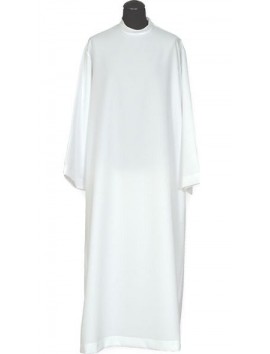
Altar server surplice
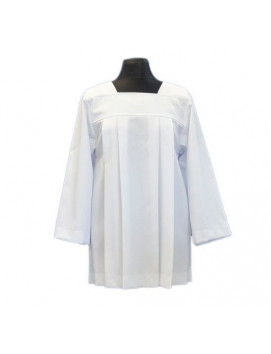
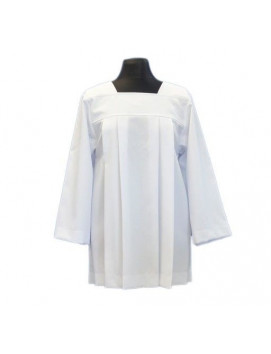
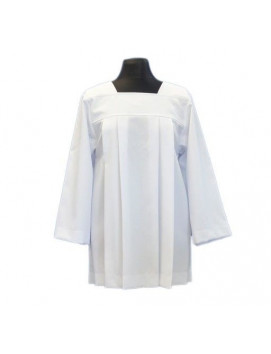
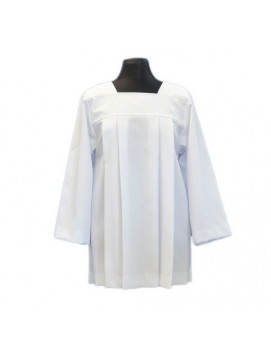
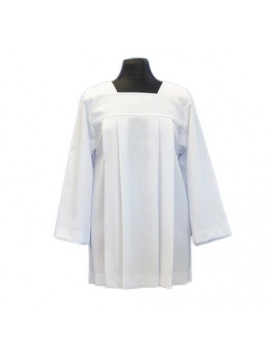
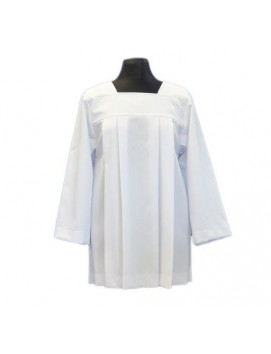
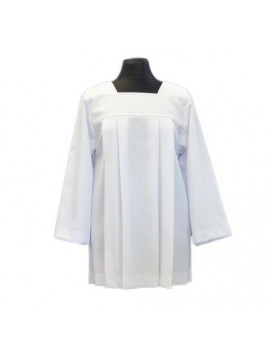
An altar server surplice is a white, loose-fitting liturgical vestment worn over a cassock by altar servers during Catholic Mass and other religious ceremonies. It symbolizes purity, service, and tradition, and is designed to enhance the solemnity and unity of the liturgical celebration. Surplices are typically made from lightweight materials such as cotton, polyester, viscose, or lace, and are available in various styles and sizes to accommodate different needs.


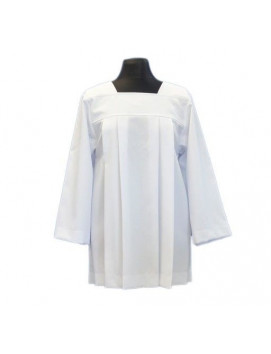
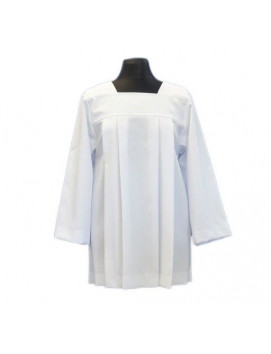
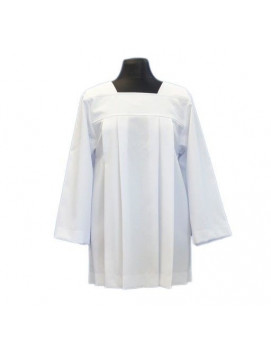
Can both boys and girls wear a surplice as altar servers?
Yes, both boys and girls can wear a surplice as altar servers. The days of only “altar boys” in cassocks and surplices are gone in most places. Today’s church is about participation, inclusion, and unity. Both boys and girls step up to the altar, don the same surplice, and serve with equal dignity and responsibility.
Why Does This Matter?
When both boys and girls wear a surplice as altar servers, it sends a clear message: everyone is welcome to serve. The church recognizes the value of all its members, regardless of gender. This isn’t just about equality but building a stronger, more unified community. The U.S. bishops have made it clear: there should be no distinction in the functions or vesture of altar servers based on gender.
What About Tradition and Styles?
Some parishes used to have different vestments for boys and girls—cassocks and surplices for boys, albs for girls, or slight style variations. But honestly, that approach is fading. Most parishes now choose the same surplice style for everyone, or at most, subtle differences in collar or lace that don’t create division. The focus is on the service, not the outfit.
How Do Parishes Implement This?
Uniform Vesture: Both boys and girls wear the same surplice, usually white, symbolizing purity and service.
Diocesan Policy: Most dioceses have policies supporting inclusivity, allowing both boys and girls to serve and wear the surplice.
Practicality: Surplices come in various sizes and styles to fit all altar servers, making it easy for everyone to participate.
The Real Impact
When you allow both boys and girls to wear a surplice as altar servers, you’re not just following guidelines—you’re building a culture of service, respect, and spiritual growth. Young people learn responsibility, teamwork, and the importance of serving others. They become role models for your congregation, inspiring others to get involved.
What are the main features of a traditional altar server surplice?
1. Classic White Color
A traditional altar server surplice is always white. This isn’t just for looks—white symbolizes purity, devotion, and the sacred role of serving at the altar. When you see a server in a white surplice, you know they’re there to serve with reverence.
2. Loose-Fitting, Tunic-Style Design
The surplice is loose-fitting and tunic-like, designed to be worn over a cassock. This allows for easy movement during Mass and other liturgical services. The length typically falls to the knees, giving a dignified appearance without restricting mobility.
3. Wide or Moderately Wide Sleeves
Traditional surplices feature wide or moderately wide sleeves. This isn’t just about style—comfort and ease of movement, especially when altar servers handle candles, books, or other liturgical items.
4. Quality Materials
You want durability and comfort. Most traditional altar server surplices are made from high-quality cotton, polyester blends, or linen. These fabrics are chosen for their breathability, ease of care, and ability to withstand frequent washing.
5. Simple or Ornate Detailing
While the most basic surplices are plain, traditional versions might include:
Lace trim at the hem or sleeves for special occasions
Pleated or embroidered designs for added elegance
Square or round necklines, with the square neck being a classic, time-honored style
6. Worn Over a Cassock
A surplice is never worn alone. Depending on the occasion and tradition, it always goes over a cassock, typically black, red, or white. This layering is essential for the complete, traditional look.
7. Symbolic Role
The surplice isn’t just a uniform. It symbolizes service, humility, and the altar server’s commitment to the sacred liturgy. Wearing it connects the server to centuries of church tradition.
What should I look for when buying an altar server surplice?
1. Material Quality
The first thing I check is the fabric. The best altar server surplices are made from high-quality materials like cotton, polyester, or a cotton-poly blend. Why? Cotton is breathable and comfortable, polyester is wrinkle-resistant and durable, and blends give you the best of both worlds—easy care, comfort, and longevity. If your church is in a warmer climate, linen is also a great, breathable option.
2. Comfort and Fit
Comfort is non-negotiable. Altar servers move a lot—kneeling, standing, carrying candles—so their surplice needs to allow freedom of movement. The fit should be loose but not baggy, and the length should cover the cassock without becoming a tripping hazard. Always check the sizing guide and, if possible, try different sizes to find that perfect fit.
3. Design and Style
A traditional altar server surplice is white, symbolizing purity and service. But you’ll find options with lace trim, pleated fronts, square or round necklines, and even embroidered details for special occasions. Pick a style that matches your parish’s tradition—some prefer simplicity, others want elegance.
4. Durability and Maintenance
You want a surplice that stands up to frequent washing and still looks great. Look for reinforced stitching, quality fabric, and easy-care instructions. Polyester and blends are perfect for durability and low maintenance, while cotton and linen may need a bit more care but offer superior comfort.
5. Value for Money
Don’t just go for the cheapest option. A well-made surplice will last years, saving you money in the long run. Consider the overall value: quality, comfort, fit, and design. Sometimes paying a little more upfront means fewer replacements down the road.
6. Size Variety
Please ensure the supplier offers a range of sizes to fit everyone, from kids to adults. Ill-fitting vestments can distract servers and detract from the dignity of the service.
7. Ease of Ordering and Support
Choose a reputable supplier with clear sizing charts, good customer support, and easy returns if the fit isn’t right. This makes the whole process smoother for you and your team.
Quick Checklist: What Should I Look for When Buying an Altar Server Surplice?
High-quality material (cotton, polyester, blends, or linen)
Comfortable, loose fit with freedom of movement
Appropriate length to cover the cassock, not too long
Traditional white color; optional lace, pleats, or embroidery
Durable construction and easy-care instructions
Good value for money—don’t sacrifice quality for price.
Wide range of sizes for all altar servers
Reliable supplier with precise sizing and support
What materials are altar server surplices made from?
The primary materials used for altar server surplices are cotton, polyester, poly-cotton blends, viscose, linen, and specialty fabrics like Terlenka or terital. Each has its strengths—let’s break it down so you know exactly what you’re getting.
1. Cotton
Cotton is a classic choice for altar server surplices. It’s breathable, soft, and comfortable, making it ideal for long services or hot climates. Cotton surplices look crisp and traditional but may require more ironing and careful washing to maintain their appearance.
2. Polyester
Polyester is popular because it’s durable, wrinkle-resistant, and easy to care for. Surplices made from polyester hold their shape and color even after frequent washing. Polyester is a strong pick if you want a low-maintenance option that looks good after service after service.
3. Poly-Cotton Blends
Poly-cotton blends combine the best of both worlds: cotton's comfort and polyester's durability. These surplices are lightweight, easy to launder, and resist wrinkles, making them a top choice for busy parishes requiring vestments.
4. Viscose
Viscose is another lightweight, breathable fabric sometimes blended with cotton. It drapes nicely and feels soft, giving altar servers surplices a refined look and comfortable fit.
5. Linen
Linen is less common but prized for its breathability and traditional appearance. It’s a premium choice for special occasions or parishes that want a classic, high-end look. Linen does require more care—think hand-washing and ironing—but the result is worth it for those who value tradition.
6. Specialty Fabrics (Terlenka, Terital, Gabardine, Lace)
Terlenka (a polyester-viscose blend) and terital are used for their durability and easy care, and they are often found in European surplices.
Gabardine is a tough, tightly woven fabric that holds up to heavy use.
Lace is often added as a decorative element on hems and sleeves for feast days or special liturgies, usually layered over a sturdier base fabric.
Why Material Matters
Choosing the right material for altar server surplices impacts:
Comfort: Cotton, viscose, and blends keep servers cool and comfortable.
Durability: Polyester, gabardine, and blends stand up to repeated washing.
Appearance: Linen and lace add elegance for special occasions, while blends and polyester keep things looking sharp week after week.
Maintenance: Poly-cotton blends and polyester are easiest to care for, while cotton and linen need more attention.
How do you care for and maintain a surplice?
Caring for and maintaining a surplice comes down to proper washing, smart storage, and quick repairs. Here’s how I do it—and how you can too.
1. Washing Your Surplice
The first step in caring for and maintaining a surplice is knowing the fabric. Most surplices are made from cotton, polyester, or a blend. Always check the care label, but here’s the general approach:
Cotton: Wash in cold or warm water with a gentle detergent. Avoid bleach unless you’re dealing with tough stains. Air dry or tumble dry on low to prevent shrinking.
Polyester/Blends: Machine wash in cold water. These fabrics resist wrinkles and dry quickly. Use a mild detergent and skip the bleach.
Lace or Embroidered Surplices: Hand wash or use a delicate cycle. Lay flat to dry to protect the detailing.
2. Ironing and Pressing
A crisp surplice looks sharp and dignified. If you want that fresh-from-the-sacristy look:
Iron cotton surplices on medium heat while slightly damp for best results.
Polyester and blends usually need less ironing—just a quick touch-up with a cool iron.
Lace details should be ironed carefully, using a pressing cloth to avoid damage.
3. Stain Removal
How do you care for and maintain a surplice when it gets stained? Act fast:
Blot stains immediately—don’t rub.
Use a gentle stain remover or a mix of baking soda and water.
Could you wash as soon as possible to prevent permanent marks?
4. Proper Storage
Storing your surplice the right way is key to keeping it clean and wrinkle-free:
Hang surplices on wide, padded hangers to maintain their shape.
Store in a cool, dry place away from direct sunlight to prevent yellowing.
Use garment bags for long-term storage, especially for lace or special-occasion surplices.
5. Quick Repairs and Upkeep
Don’t let small issues become big problems:
Could you swap loose buttons or hems right away?
Trim stray threads.
Inspect regularly for wear, especially if your surplice gets heavy use.
Quick Checklist: How Do You Care for and Maintain a Surplice?
Could you check the fabric and follow the label instructions?
Wash gently—cold water for polyester, warm for cotton.
Iron as needed, using low or medium heat
Remove stains quickly and carefully.
Hang on padded hangers, store in a cool, dry place.
Repair minor damage immediately