
No products
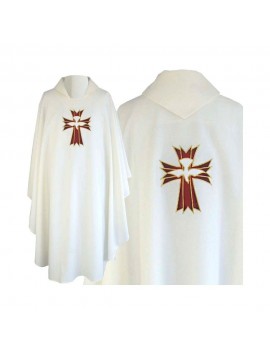
Chasubles with Holy Spirit
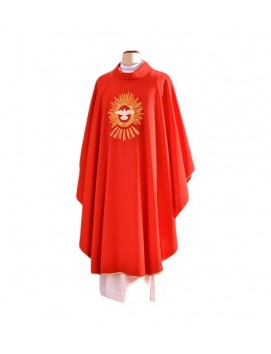
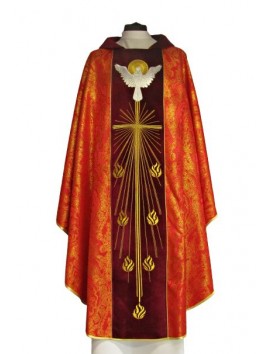
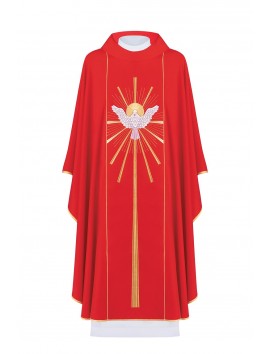
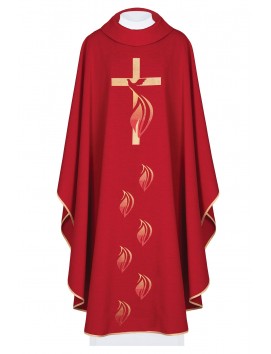
Chasubles with Holy Spirit imagery are liturgical vestments worn by priests, primarily in the Catholic tradition, that feature symbols representing the Holy Spirit—most commonly a dove, flames, or other elements signifying the Spirit's presence. These garments are deeply symbolic, used primarily during significant liturgical celebrations like Pentecost, and crafted in various styles and materials to reflect tradition and contemporary design preferences.
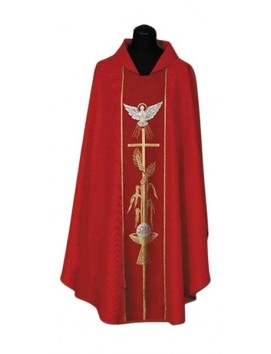
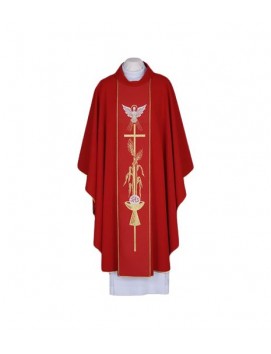
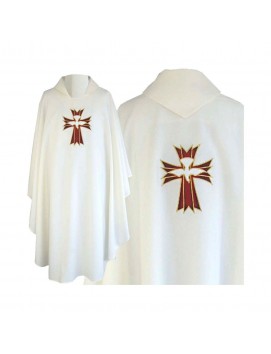
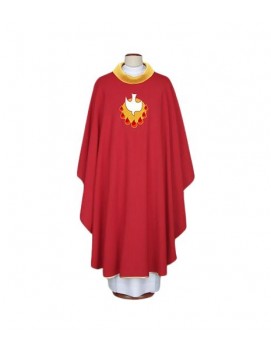
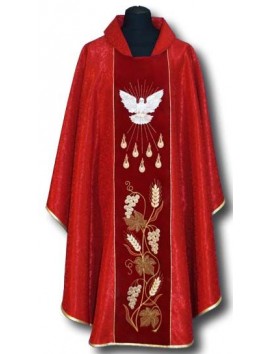
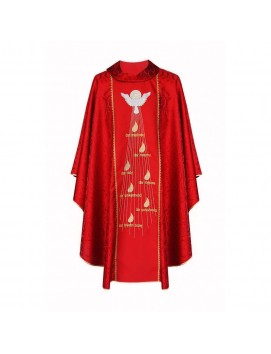
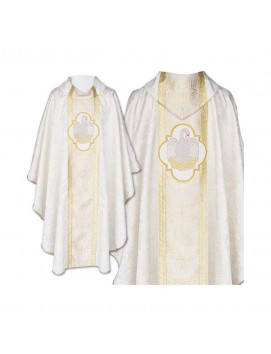

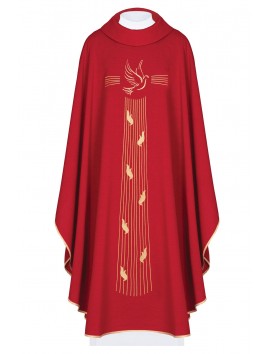
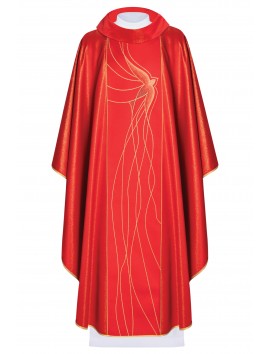

What do the symbols of the Holy Spirit on a chasuble mean?
You're looking at a visual sermon when you see a chasuble with the Holy Spirit. The most common symbol? The dove. This comes straight from the Bible—at Jesus’ baptism, the Holy Spirit descends “like a dove.” On a chasuble, the dove stands for purity, peace, and God's active presence in the liturgy. It’s a reminder that the Holy Spirit is with us, guiding and empowering every act of worship.
But the dove isn’t alone. You’ll often see tongues of fire, another direct line to Pentecost, where the Holy Spirit appeared as flames above the disciples’ heads. Fire means energy, transformation, and the burning love of God. When a priest wears a chasuble with these symbols, he’s wearing the story of Pentecost—the birth of the Church and the explosion of faith.
Why Are These Symbols Important?
Let’s get real: symbols are shortcuts for meaning. The Holy Spirit’s symbols on a chasuble aren’t random—they’re chosen to communicate profound truths instantly:
Dove: Purity, peace, new beginnings, and God’s approval.
Fire (Tongues of Fire): Power, transformation, passion, and the presence of God.
Wind or Breath: Sometimes shown as flowing lines or movement, reminding us that the Spirit is invisible but always active, moving, refreshing, and giving life.
Seven Flames or Rays: Represent the seven gifts of the Holy Spirit: wisdom, understanding, counsel, fortitude, knowledge, piety, and fear of the Lord.
Every time you see these on a chasuble, you see the Church’s teaching method, without words. It’s visual theology.
When Are Chasubles with Holy Spirit Symbols Used?
You’ll spot these chasubles at Pentecost, Confirmation, and any Mass focused on the Holy Spirit. The color is usually red, symbolizing the fire of the Spirit and the blood of martyrs—energy, sacrifice, and love rolled into one.
What Should You Look for in a Chasuble with Holy Spirit Symbols?
Quality Embroidery: The symbols should be clear and bold—no half-measures here.
Liturgical Colors: Red for Pentecost, white for purity, gold for special celebrations.
Meaningful Placement: The dove or fire is often front and center, making the message unmistakable.
Why Does It Matter?
Because what you wear preaches. The symbols of the Holy Spirit on a chasuble mean the priest is putting on the story of God’s power and presence. It’s not just about looking good—it’s about reminding everyone in the room: the Holy Spirit is here, right now, ready to move.
Why is the dove a common symbol for the Holy Spirit on vestments?
Right from the start, the dove is the most common symbol for the Holy Spirit on vestments because it’s directly connected to key moments in Scripture. At Jesus’ baptism, all four Gospels record the Holy Spirit descending “like a dove” upon Him. This wasn’t just a cool visual—it was a public confirmation of Jesus’ divine mission and a sign of God’s presence, holiness, and peace1235.
The Dove: More Than Just a Bird
So, why is the dove a common symbol for the Holy Spirit on vestments? Here’s what it means:
Peace and Reconciliation: The dove first shows up as a symbol of peace in the story of Noah. When the floodwaters receded, a dove returned an olive branch, signaling God’s renewed relationship with humanity. This theme carries over to the Holy Spirit, bringing peace, hope, and a new beginning.
Purity and Innocence: Doves are gentle, harmless, and pure. When Jesus says, “be harmless as doves,” He points to the innocence and purity of the Spirit. On vestments, the dove reminds us of the Spirit’s role in making us holy and pure before God.
Divine Presence: At Jesus’ baptism, the dove was a sign that the invisible Spirit had come. When a priest wears a vestment with a dove, it’s a visual reminder that the Holy Spirit is present and active in the Church’s worship.
Hope and Renewal: Just as the dove brought hope to Noah, it now symbolizes the hope and renewal the Spirit brings to every believer. It’s about fresh starts, forgiveness, and God’s ongoing work.
Why Vestments? Why Not Just Art or Statues?
Vestments are worn during the most critical moments of worship. When you see a dove on a chasuble or stole, it’s not just for show. It’s there to remind everyone—priest and congregation alike—that the Holy Spirit is leading, guiding, and empowering what’s happening in that moment. It’s a visual sermon about peace, purity, and God’s presence.
What occasions are chasubles with the Holy Spirit worn?
Chasubles with the Holy Spirit are most commonly worn on Pentecost Sunday. Why? Pentecost is the feast that celebrates the descent of the Holy Spirit upon the apostles, marking the birth of the Church. The red chasuble, often adorned with symbols like the dove or tongues of fire, is a visual reminder of this event and the transformative power of the Holy Spirit.
But Pentecost isn’t the only time you’ll see these vestments. Let’s break down the main occasions:
1. Pentecost Sunday
The primary occasion for wearing chasubles is with the Holy Spirit.
Red vestments symbolize the Holy Spirit's fire and the Church's birth.
2. Confirmation
During the sacrament of Confirmation, the Holy Spirit is invoked to strengthen the faithful.
Priests often wear red chasubles with Holy Spirit symbols to emphasize the Spirit’s presence and action.
3. Feast Days of Apostles and Martyrs
Red vestments honor those who witnessed to the faith, often at the cost of their lives.
The color red and Holy Spirit imagery connect the courage of martyrs to the Spirit’s power.
4. Other Solemnities Emphasizing the Holy Spirit
Some local traditions or special Masses may call for chasubles with Holy Spirit symbols, primarily when the liturgy focuses on the Spirit’s gifts or action in the Church.
Why Red? Why These Symbols?
Red is the liturgical color for the Holy Spirit. It stands for fire, energy, and the transformative presence of God. The dove, flames, or rays on these chasubles directly reference the Holy Spirit’s appearance at Pentecost and throughout Scripture.
Quick Recap
Pentecost Sunday is the main occasion for chasubles with the Holy Spirit.
Confirmation and feast days of apostles/martyrs also feature these vestments.
Red is the color of the Holy Spirit, symbolizing fire, courage, and divine presence.
The symbols—dove, flames—make the message clear: the Holy Spirit is active and influential here.
What materials are used to make chasubles with Holy Spirit imagery?
1. Polyester
Polyester is one of the most common materials used to make chasubles with Holy Spirit imagery. Why? It’s lightweight, durable, easy to clean, and holds color beautifully. This means the dove, flames, and other Holy Spirit symbols look vibrant and sharp, even after many uses. Polyester is a smart pick if you want a vestment that stands up to regular wear and still looks fresh.
2. Wool and Acrylic Blends
Want a chasuble with a bit more weight and a classic feel? Many chasubles combine wool with acrylic. For example, an 80% acrylic and 20% wool blend offers warmth, structure, and a traditional drape. This combo is especially popular for high-quality, embroidered chasubles with Holy Spirit symbols, giving you comfort and a touch of luxury.
3. Silk
Silk is a premium choice for chasubles with Holy Spirit imagery. It’s elegant, has a natural sheen, and drapes beautifully. Silk chasubles are often reserved for major feasts or solemn occasions because they look and feel special. The smooth surface is perfect for intricate embroidery, making those Holy Spirit images pop.
4. Brocade and Velvet
If you want something regal, look for chasubles made from brocade or velvet. Brocade offers rich patterns and a sense of tradition, while velvet brings depth and a luxurious feel. Both materials are chosen for their ability to elevate the look of Holy Spirit imagery, especially for high feast days and processions.
5. Linen
Linen is another natural fabric sometimes used for chasubles, especially in warmer climates. It’s breathable, strong, and has a crisp, classic look. While not as common as polyester or silk, linen is valued for its comfort and traditional vibe.
How Are the Holy Spirit Images Added?
Embroidery: The most popular technique for adding Holy Spirit imagery. High-quality threads create detailed, long-lasting designs—think doves, flames, and rays of light.
Orphrey Bands: Decorative bands, often embroidered or woven, add extra detail and focus to the imagery.
Digital Printing: Modern chasubles sometimes use digital printing for vibrant, detailed images, especially on polyester fabrics.
How are the Holy Spirit designs created—are they embroidered, printed, or appliquéd?
Holy Spirit designs on chasubles can be embroidered, printed, or appliquéd—each method has strengths. Here’s what you need to know:
1. Embroidered Holy Spirit Designs
Embroidery is the gold standard. When you see a chasuble with a detailed dove or flames, chances are it’s embroidered. Why? Because embroidery delivers:
Durability: Stitched designs last for years, even with regular use.
Texture and Depth: Threads add dimension, making the Holy Spirit imagery pop.
Prestige: Embroidered vestments look high-end, perfect for major feasts like Pentecost or Confirmation.
Embroidery is the way to go if you want a vestment that stands out and holds up.
2. Printed Holy Spirit Designs
Now, let’s talk about printed designs. Modern technology allows vibrant, detailed Holy Spirit images to be printed directly onto fabric. Here’s why people choose printing:
Vivid Colors: Printing can capture gradients and details that embroidery can’t.
Lightweight: Printed chasubles are often lighter and more breathable, great for warm climates or daily use.
Cost-Effective: Printing is usually less expensive than hand embroidery, making it accessible for more parishes.
Printed designs are ideal if you want bold visuals and a contemporary look without breaking the bank.
3. Appliquéd Holy Spirit Designs
Appliqué is the third option, and it’s all about layering. Appliqué means sewing pieces of fabric onto the chasuble to form the Holy Spirit symbol, like a dove or flame. Here’s what makes appliqué special:
Bold Contrast: Different fabrics create eye-catching contrast and unique effects.
Artisan Touch: Appliqué is often done by hand, adding a personal, crafted feel.
Custom Options: Mix fabrics, textures, and even metallics easily for a one-of-a-kind vestment.
If you want something artistic and unique, appliqué is a fantastic choice.
Which Method Should You Choose?
For tradition and durability, go with embroidery.
For modern visuals and budget, choose printing.
For artistry and texture: Pick appliqué.
What styles of chasubles are available with Holy Spirit symbolism?
Chasubles with Holy Spirit symbolism come in several classic and contemporary styles. Each style offers a different look, feel, and level of tradition. Here’s what you need to know:
1. Gothic Chasuble
The Gothic chasuble is one of the most popular styles for Holy Spirit symbolism. It features a wide, flowing cut that drapes elegantly over the priest’s shoulders. This style is perfect for showcasing large, detailed Holy Spirit designs—like a white dove or tongues of fire—embroidered or appliquéd on the front and back panels. Gothic chasubles often use rich materials like damask, wool blends, or velvet, and they make a bold statement in any liturgical setting.
2. Roman Chasuble (Casula)
The Roman chasuble, or the “fiddleback,” is more fitted and structured. This traditional style is often chosen for its historical significance and classic look. Holy Spirit symbols—such as the descending dove or the seven gifts of the Spirit—are usually embroidered on the central orphrey (the decorative band running down the center). This style is ideal for those who want a timeless, dignified appearance.
3. Semi-Gothic Chasuble
A blend between the Gothic and Roman styles, the semi-Gothic chasuble offers a slightly narrower cut than the complete Gothic but is less fitted than the Roman. It’s a great choice if you want the comfort of the Gothic with a touch of the Roman tradition. Holy Spirit imagery on semi-Gothic chasubles is typically bold and visible, making it easy for the congregation to connect with the symbolism.
4. Violin Chasuble
The violin chasuble is highly ornate, reserved for the most solemn celebrations. It features rich embroidery and decorative patterns, making it a perfect canvas for elaborate Holy Spirit symbols, especially for feasts like Pentecost.
What Makes These Styles Stand Out?
Symbol Placement: The most common Holy Spirit symbol is the dove, often shown descending with outstretched wings. Some chasubles also feature tongues of fire or rays representing the seven gifts of the Holy Spirit.
Color Choices: Red is the dominant color for Holy Spirit chasubles, symbolizing the fire of the Spirit and the blood of martyrs. White and gold are also used for special celebrations.
Materials: Expect high-quality fabrics like damask, brocade, wool blends, and velvet, all chosen to enhance the visual impact of the Holy Spirit imagery.
Customization and Modern Options
Many suppliers offer customization, so you can choose the style, fabric, and specific Holy Spirit symbols that fit your parish’s needs. Whether you prefer a traditional look or something more contemporary, there’s a chasuble style with Holy Spirit symbolism for you.
What is the significance of wearing a chasuble with the Holy Spirit during Pentecost?
Pentecost marks the moment when the Holy Spirit descended upon the apostles, transforming them from a fearful group into courageous witnesses ready to spread the Gospel to the world. When a priest puts on a chasuble adorned with Holy Spirit imagery—like the dove or tongues of fire—he’s stepping into that story and making it present for everyone in the congregation.
1. Symbolizing the Fire of the Spirit
The red chasuble, often decorated with flames or a dove, isn’t just for show. Red is the color of fire, love, and zeal—the very qualities the Holy Spirit brings. It directly references the “tongues of fire” that appeared above the apostles’ heads on the first Pentecost, filling them with divine love and courage. Wearing red with Holy Spirit symbols means, “The Spirit is here, now, empowering us just as He did then.”
2. Making the Invisible Visible
The chasuble with the Holy Spirit turns invisible realities into something you can see. The dove, flames, and wind are all ancient symbols of the Spirit’s presence and power. When the priest wears these symbols, it’s a visual catechism—a teaching tool that reminds everyone that Pentecost is not just a story from the past, but a living reality in the Church today.
3. Emphasizing the Mission
Pentecost is about mission—being sent out with courage and passion. The chasuble with the Holy Spirit is a reminder that every member of the Church is called to go forth, empowered by the Spirit, to share Christ’s message. It visually reinforces the Church’s identity as a Spirit-filled community, ready to bring hope and transformation to the world.
4. Uniting the Community
Wearing a chasuble with the Holy Spirit during Pentecost unites the priest and congregation in a shared celebration. It’s a sign that the same Spirit who transformed the apostles is present and active in the Church today, inviting everyone to renew their commitment and faith.
Can chasubles with Holy Spirit symbols be worn outside of Pentecost?
Chasubles with Holy Spirit symbols are not limited to Pentecost. While Pentecost is the most prominent occasion for wearing these vestments—celebrating the descent of the Holy Spirit with powerful symbols like the dove and tongues of fire—these chasubles also have a place in other liturgical celebrations.
When Else Are They Worn?
Feasts of Apostles and Martyrs: Red chasubles, often decorated with Holy Spirit imagery, are worn on the feast days of apostles and martyrs. The color red represents the fire of the Holy Spirit and the blood of those who gave their lives for their faith.
Good Friday and Palm Sunday: The same red chasubles may be used, highlighting themes of sacrifice, courage, and the Spirit’s empowering presence.
Confirmation: The Holy Spirit is invoked specially during the sacrament of Confirmation. Chasubles with Holy Spirit symbols are a natural fit, visually reinforcing the meaning of the sacrament.
Other Special Masses: Any celebration focusing on the Holy Spirit's gifts, fruits, or presence can be an occasion for these vestments. The Church’s guidelines allow for flexibility, especially when the symbols support the theme of the liturgy.
Why Is This Allowed?
The Church assigns specific colors and symbols to different seasons and feasts, but there’s room for meaningful repetition. The color red and the Holy Spirit’s imagery don’t just belong to Pentecost—they’re also about witness, sacrifice, and divine empowerment, which show up throughout the liturgical year. The symbols on a chasuble—like the dove or flames—serve as visual catechesis, helping the faithful connect with the mysteries of faith every season.
What is the history of chasubles with Holy Spirit imagery in the Church?
Chasubles have been part of Church tradition since the earliest centuries. Initially, the chasuble started as an everyday Roman garment called the "paenula" or "casula." As the Church grew, this garment took on a liturgical role, becoming the official vestment for priests during Mass by the 6th century. Over time, the chasuble’s cut, fabric, and decoration evolved, reflecting changes in Church liturgy and the deepening theology of the priesthood.
The Rise of Symbolism and Embroidery
As chasubles became more central in worship, their decoration took on new importance. Early chasubles were simple, but richly embroidered designs became common in the Middle Ages. The Church began to use chasubles as a canvas for visual catechesis—teaching the faithful through images and symbols. Holy Spirit imagery became popular, especially the dove and tongues of fire. These symbols weren’t just for show—they were meant to make the mysteries of faith visible and tangible for everyone at Mass.
Why the Holy Spirit?
The Holy Spirit is central to the Church’s life and mission. The dove, flames, and rays on chasubles directly connect to Pentecost—the moment the Spirit descended on the apostles. Over the centuries, these symbols expanded to include the seven Gifts of the Spirit, the Fruits of the Spirit, and other biblical references. Chasubles with Holy Spirit imagery became especially prominent for Pentecost, Confirmation, and feasts of apostles and martyrs, where the Spirit’s power and presence are celebrated.
Artistic Evolution
Chasubles with Holy Spirit imagery have shifted with artistic trends. In the early Church, designs were minimal. By the Renaissance and Baroque periods, chasubles were richly decorated with silk, velvet, and gold thread, often featuring elaborate Holy Spirit motifs. Today, you’ll find everything from simple, modern designs to ornate, traditional embroidery—each style reflecting the ongoing desire to make the Holy Spirit’s presence visible in worship.
The Chasuble’s Deeper Meaning
Wearing a chasuble with Holy Spirit imagery isn’t just about style. The chasuble itself is a sign of the priest’s role as mediator and servant, a visual reminder of Christ’s yoke and the unity of the Church. Adding Holy Spirit imagery amplifies this message: it’s a declaration that the Church acts not by human power, but by the Spirit’s guidance and grace.
Key Takeaways
The history of chasubles with Holy Spirit imagery in the Church goes back to the earliest centuries, evolving from simple Roman garments to richly symbolic vestments.
Holy Spirit designs—doves, flames, rays—became central as the Church used vestments to teach and inspire the faithful.
These chasubles are most prominent at Pentecost, Confirmation, and feasts celebrating the Spirit’s action in the Church.
The tradition continues today, blending ancient meaning with new artistic expression, always pointing to the living presence of the Holy Spirit in worship.
Browse the full collection of chasubles with the Holy Spirit and other motifs.