
No products
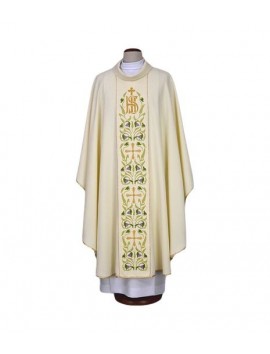
Ecru chasubles
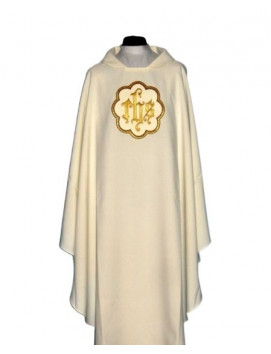
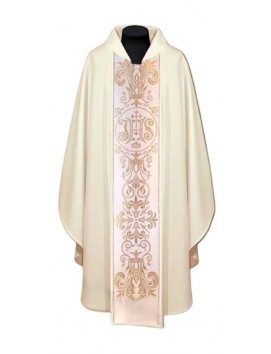
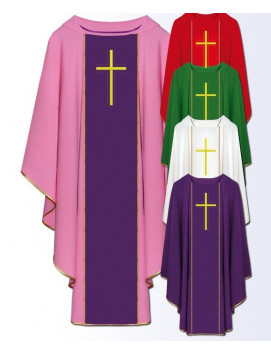
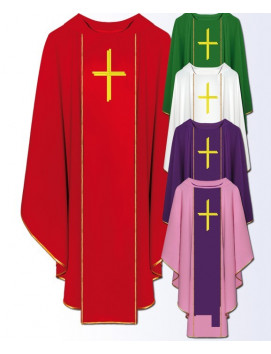
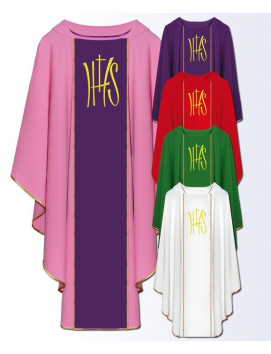
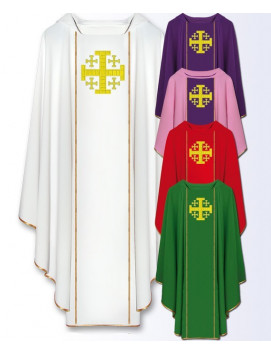
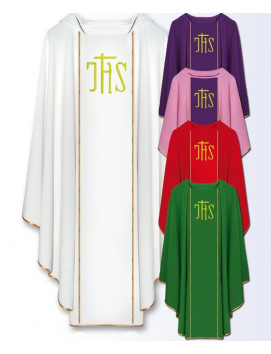
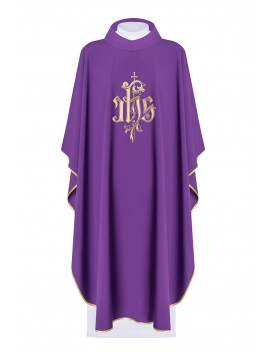
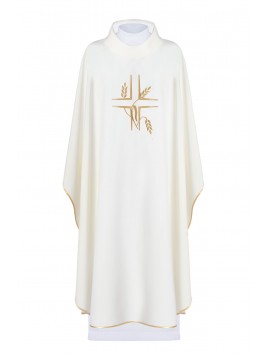
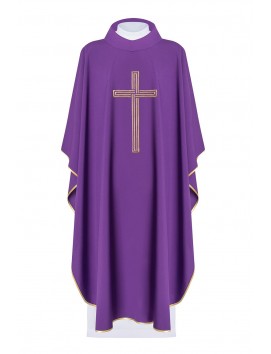
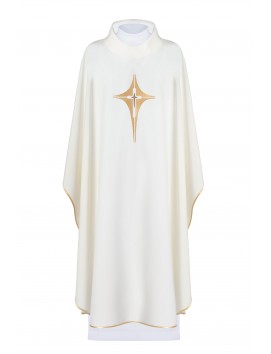
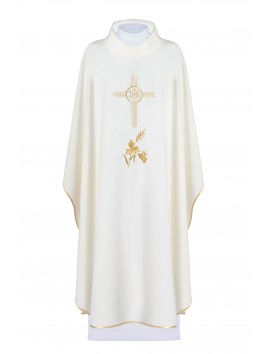
An ecru chasuble is a liturgical vestment, usually worn by priests during Mass. The standout feature? Its color is ecru, which is a light beige or creamy off-white. This isn’t just about style. The ecru chasuble brings a sense of serenity, purity, and tradition to the altar, making it a favorite for solemn ceremonies and special liturgical seasons.
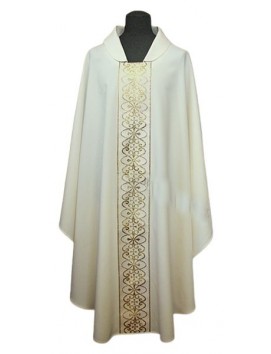
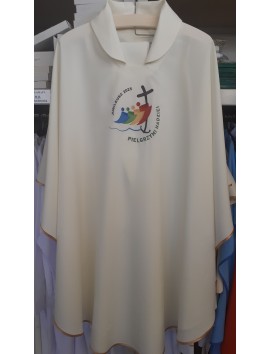
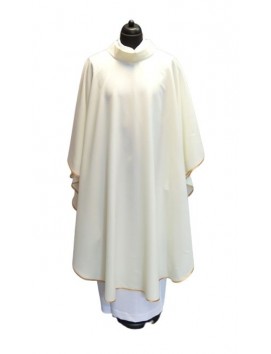
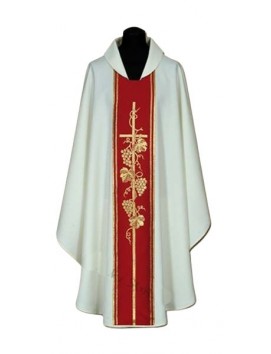
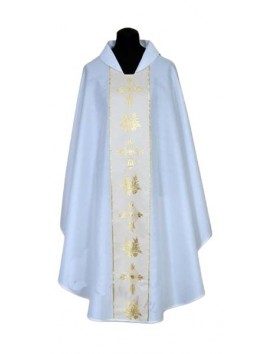
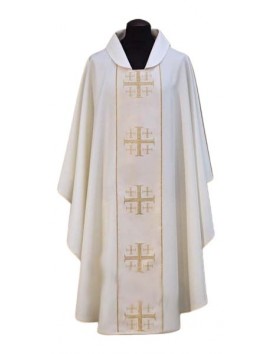
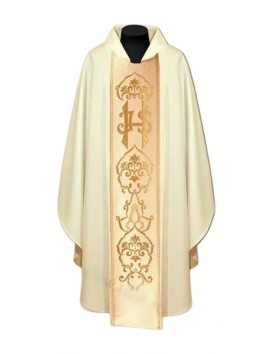

What does the ecru color symbolize in the liturgy?
The Meaning of Ecru in the Liturgical Tradition
Ecru isn’t just a fancy word for off-white. The ecru color symbolizes purity, innocence, new beginnings, and hope in the liturgical world. The ecru color symbolizes purity, innocence, new beginnings, and hope. That creamy, soft shade brings a sense of serenity and calm to any church setting. When you see ecru vestments or decorations, you’re looking at a color that’s all about renewal and the promise of something greater.
Why Churches Choose Ecru
Here’s why ecru stands out in the liturgy:
Purity and Innocence: Ecru is closely tied to the idea of a clean slate. It represents the pure intentions behind worship and the innocence of faith.
New Beginnings: This color symbolizes fresh starts-think baptisms, Easter, or any time the church wants to highlight resurrection and renewal.
Hope and Renewal: Ecru is often chosen for seasons or ceremonies that focus on hope, like Easter, where it points to the resurrection of Christ and the promise of eternal life.
Solemnity and Serenity: The subtle tone of ecru brings peace and reverence to the sanctuary, making it perfect for solemn celebrations.
When Is Ecru Used in the Liturgy?
You’ll spot ecru in several key moments:
Easter Season: Ecru is a favorite for Easter, symbolizing resurrection and new life.
Baptisms and Weddings: It marks the start of a new spiritual journey.
Special Celebrations: Whenever the church wants to emphasize purity, joy, or renewal, ecru is a top pick.
How Ecru Compares to Other Liturgical Colors
Let’s put ecru side by side with the primary liturgical colors:
| Color | Symbolism | Common Use |
|---|---|---|
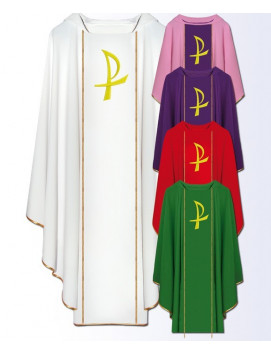
| White | Purity, joy, innocence | Christmas, Easter, and feasts |
| Red | Sacrifice, Holy Spirit, martyrdom | Pentecost, feasts |
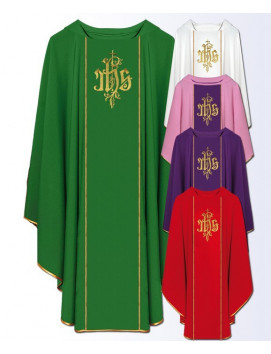
| Green | Life, hope, growth | Ordinary Time |
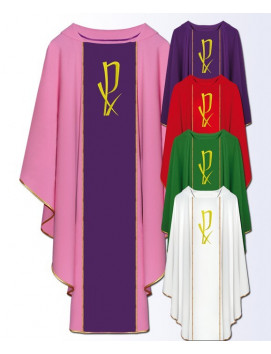
| Purple | Penitence, royalty, mourning | Lent, Advent |
| Black | Mourning, death | Funerals, Good Friday |
| Ecru | Purity, new beginnings, hope | Easter, baptisms, weddings |
Ecru offers a softer, more understated alternative to stark white, bringing just as much meaning and tradition.
Key Takeaways
Ecru color symbolizes purity, innocence, new beginnings, and hope in the liturgy.
It’s used for Easter, baptisms, weddings, and any celebration of renewal and joy.
The gentle tone of ecru creates an atmosphere of serenity, reverence, and spiritual focus.
Ecru stands out as a timeless, elegant choice for churches honoring tradition while creating a welcoming, peaceful space.
For which liturgical occasions is an ecru chasuble appropriate?
Why choose an Ecru Chasuble?
First off, ecru chasubles aren’t just about looking elegant. The ecru color, a creamy, light beige, symbolizes purity, light, serenity, and spiritual devotion. These vestments are a go-to for moments when the Church wants to highlight solemnity and tradition.
Liturgical Occasions Perfect for an Ecru Chasuble
Here’s where an ecru chasuble shines:
Christmas: Celebrate the birth of Christ with a color that radiates purity and joy.
Easter: Mark the resurrection with a vestment that embodies new beginnings and spiritual light.
Marian Celebrations: Honor the Virgin Mary with a hue that reflects innocence and devotion.
Transfiguration: Bring out the ecru for this feast, emphasizing the glory and transformation of Christ.
Solemn Liturgical Celebrations: Any Mass or ceremony that calls for extra reverence and elegance is an excellent fit for an ecru chasuble.
Special Parish or Diocesan Events: Depending on local tradition, ecru may be chosen for jubilees, dedications, or other significant milestones.
Why Does the Occasion Matter?
Symbolism: Ecru’s gentle tone enhances the sacred atmosphere, making the celebration more profound.
Tradition: Many parishes and dioceses have guidelines, but ecru’s versatility is often accepted for various liturgical seasons and ceremonies.
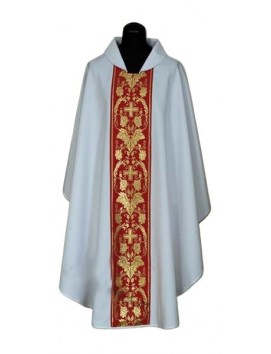
Elegance: Embroidered ornaments and gold trim add a layer of beauty and dignity, making the chasuble suitable for the Church’s most important days.
Quick Reference: When to Wear an Ecru Chasuble
Christmas and Easter Masses
Marian feasts and solemnities
The Transfiguration
Major parish celebrations
Any Mass where purity, light, and solemnity are the focus
What materials are commonly used in ecru chasubles?
The Most Common Materials in Ecru Chasubles
You’ll see a handful of standout materials when shopping for an ecru chasuble. Here’s what’s most popular and why it matters:
Sacroline Fabric:
This high-quality blend is soft, delicate, and fits well. Most Sacroline ecru chasubles mix 85% natural fibers (like viscose, linen, and silk) with 15% synthetic (usually polyester). That combo gives you a vestment that’s both luxurious and durable.Damask:
Damask is a classic. It’s an airy, crease-resistant fabric that’s also stain-resistant. You’ll find damask ecru chasubles in both Roman and Gothic styles. The fabric’s texture and pattern add elegance and help the chasuble keep its shape, even after frequent use.Elan Wool:
Some ecru chasubles are made from a blend of wool and polyester, typically 54% wool, 46% polyester. This mix offers comfort, breathability, and a bit of stretch, making it ideal for longer ceremonies.Lightweight Synthetic Blends:
For chasubles that need to be super practical, you’ll see lightweight, airy blends that are easy to wash and iron. These are crease-resistant and keep their color well, making them perfect for frequent use.
Why These Materials?
Comfort:
Soft, breathable fabrics mean you stay comfortable, even during long services.Durability:
Blends with polyester or synthetic fibers resist wrinkles, stains, and wear, so your chasuble looks sharp for years.Elegance:
Natural fibers like silk and linen give a refined look and feel, while gold thread embroidery and trim add that extra touch of class.Easy Care:
Many ecru chasubles are made to handle standard washing and ironing, making maintenance simple.
Quick Reference: Top Materials in Ecru Chasubles
Sacroline (viscose, linen, silk, polyester)
Damask (often with ornate patterns)
Elan wool (wool/polyester blend)
Lightweight synthetic blends
What sizes are available, and how do I choose the right fit?
What Sizes Are Available for Ecru Chasubles?
Ecru chasubles come in various sizes, and most reputable suppliers offer standard and custom options. Here’s what you’ll typically find:
Standard Sizes:
Most brands offer standard sizes based on height and body build. For example, you’ll see lengths ranging from 46” to 60” and widths from 52” to 160 cm, depending on the cut (Gothic, Roman, Monastic).Monastic Cut: Lengths from 52” to 60”, widths around 60”, covering heights from 5’6” to 6’4”.
Gothic Cut: Lengths from 46” (special small) to 52” or more, widths from 52” to 160 cm, suitable for various heights.
Roman Cut: Typical size is about 110 cm x 70 cm (43.5” x 27.5”).
Universal Size:
Some chasubles are labeled as “universal,” with a length around 127–135 cm (50–53”) and a width of 158–160 cm (62–63”), designed to fit most priests comfortably.Custom Sizing:
Many suppliers can tailor the chasuble to your measurements or preferences, especially if you have specific needs or want a perfect fit.
How Do I Choose the Right Fit for a Chasuble?
Getting the correct fit is all about comfort, movement, and appearance. Here’s what you need to consider:
Height Matters:
Match the chasuble length to your height. For example, if you’re 5’6”–5’8”, a 52” length works. Taller? Go up to 58” or 60” for a better drape.Width and Cut:
Wider chasubles (like Gothic or Monastic) offer more freedom of movement and a fuller look. Roman cuts are slimmer and more fitted.Try It On:
Try on different sizes or cuts to see what feels best. The chasuble should drape well and allow you to move freely during liturgical actions.Consider Layering:
Remember, you’ll be wearing the chasuble over other vestments. Make sure there’s enough room for comfort without being baggy.Custom Adjustments:
If standard sizes don’t fit right, go custom. Most suppliers can adjust length, width, or sleeve style.
Quick Checklist for Choosing the Right Chasuble Size
Know your height and chest size.
Decide on the cut: Gothic (full), Roman (fitted), or Monastic (ample).
Could you check the standard size charts for recommended lengths and widths?
Could you try on or measure a chasuble you already like for reference?
Don’t hesitate to request custom sizing if you’re between standard sizes or have special requirements.
How do I know if an ecru chasuble suits my parish or ceremony?
What Makes an Ecru Chasuble Stand Out?
Ecru chasubles are all about versatility, tradition, and elegance. The creamy off-white ecru color symbolizes purity, joy, and solemnity. It’s softer than stark white, which works for various liturgical seasons and celebrations. This isn’t just about color but the message you send to your congregation.
When Is an Ecru Chasuble Appropriate?
Here’s when you should consider using an ecru chasuble:
Multiple Liturgical Seasons: Ecru’s flexibility means it can be used throughout the year, making it a wise investment for parishes with limited vestment budgets.
Solemn Celebrations: It’s perfect for moments that require reverence and dignity-think major feasts, solemnities, or special parish anniversaries.
Marian and Festive Occasions: Ecru works well for Marian feasts or any celebration where purity and joy are the focus.
When You Want Timeless Elegance: Ecru transcends trends. It’s a classic choice that always looks appropriate and respectful.
How Do I Decide If It Fits My Parish or Ceremony?
Here’s a checklist to make your decision easy:
Check Your Parish’s Tradition: Does your parish have established colors for certain feasts or seasons? If not, ecru is a safe, versatile option.
Consider the Ceremony’s Tone: Is it a joyful, solemn, or Marian-focused celebration? Ecru chasubles fit all these vibes.
Think About Your Vestment Collection: If you need a vestment that covers multiple occasions, ecru is practical and cost-effective.
Match the Church’s Style: Ecru chasubles come in many designs, from minimalist to ornate. Pick one that reflects your parish’s aesthetic and the priest’s preference.
Climate and Comfort: Ecru chasubles are available in a range of fabrics-choose one that suits your local climate and frequency of use.
Pro Tips for Choosing the Right Ecru Chasuble
Look for quality materials and craftsmanship for durability and comfort.
Choose embroidery and symbols that hold meaning for your community, crosses, Marian emblems, or saints.
Make sure the design and fit align with the dignity of your worship space and the needs of your clergy.
How should I care for and clean my ecru chasuble to ensure its longevity?
Follow the Manufacturer’s Instructions First
Every ecru chasuble is slightly different, especially with all the embroidery, gold trim, and specialty fabrics. Before anything else, check the care label. This is your roadmap. If the label says, “hand wash only” or “dry-clean only,” follow that to the letter.
Washing Your Ecru Chasuble
Hand Wash is Best:
Use cool or lukewarm water and a mild detergent. Gently swish the chasuble-don’t scrub or wrong. This protects the fabric and delicate embroidery.Machine Wash (If Allowed):
If the care label allows, use a gentle/delicate cycle. Place the chasuble in a laundry bag to shield decorations. Keep the temperature low and skip the spin cycle to avoid damaging embellishments.Avoid Bleach and Harsh Chemicals:
Bleach will wreck the color and fibers. Please just stick to mild, gentle detergents only.
Drying and Ironing Tips
Air Dry Only:
Could you hang your ecru chasuble on a wide, padded hanger in a shaded area? Never use direct sunlight-it fades the color fast.Iron Carefully:
If you need ironing, you can use low heat. Always place a cloth between the iron and the chasuble to protect the embroidery. Iron while the fabric is still slightly damp for best results.
Storing Your Ecru Chasuble
Hang, Don’t Fold:
Always hang your chasuble on a sturdy hanger to keep its shape. Folding causes creases that are difficult to remove and can damage the fabric long-term.Use a Garment Bag:
Store your chasuble in a breathable garment bag to protect it from dust, light, and moisture. Avoid plastic bags that trap humidity.Keep Out of Sunlight:
Sunlight fades ecru fabrics. You can store it in a fabulous, dark closet for best results.
Quick Tips for Spot Cleaning and Repairs
Treat Stains Fast:
Blot (don’t rub) stains immediately with a soft, damp cloth. Cold water works best. Avoid aggressive scrubbing, it’ll damage the fabric and embroidery.Professional Cleaning:
For heavy stains or intricate embroidery, take your chasuble to a professional dry cleaner who handles liturgical garments.Check for Damage:
Please check your chasuble regularly for loose threads, snags, or worn areas. Minor repairs done early will save you big headaches later.
Key Takeaways
Hand wash with mild detergent and cool water for most ecru chasubles.
Avoid bleach, harsh chemicals, and direct sunlight.
Hang on a wide hanger and store in a garment bag to prevent dust and fading.
Iron on low heat with a cloth barrier; never fold your chasuble.
Treat stains quickly and repair minor damage right away.
Compare ecru with every other colour in our full range of chasubles.