
No products
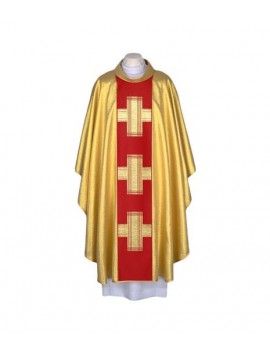
Gold chasubles
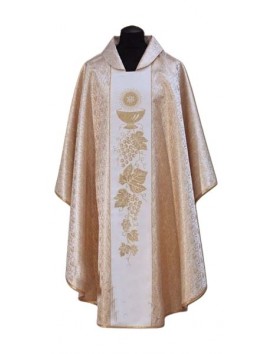
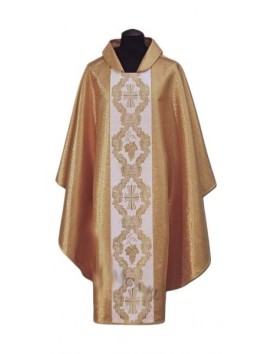
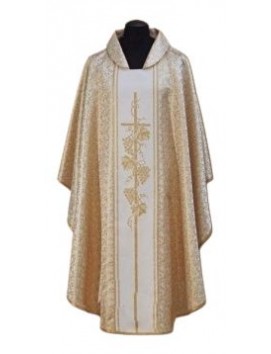
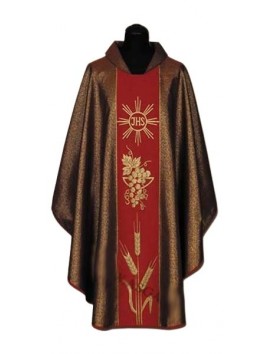
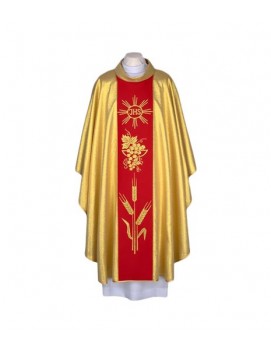
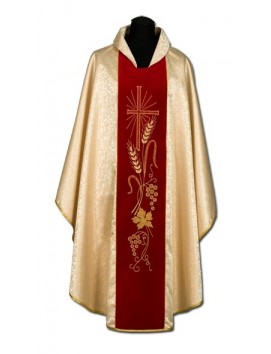
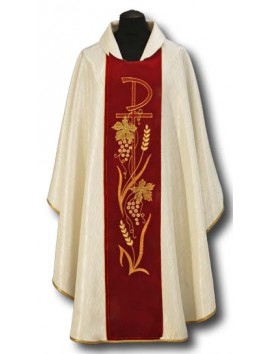
A gold chasuble is a vital piece of liturgical vestment worn by priests during church ceremonies. It symbolizes the richness and grandeur of the faith and is intricately designed with gold embroidery and motifs, adding a touch of elegance to religious proceedings.
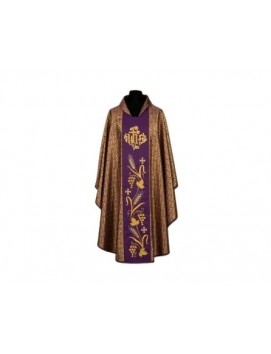
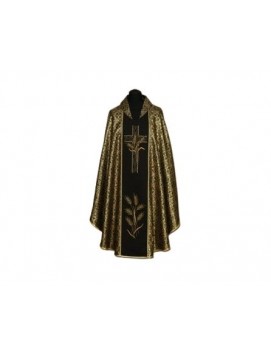
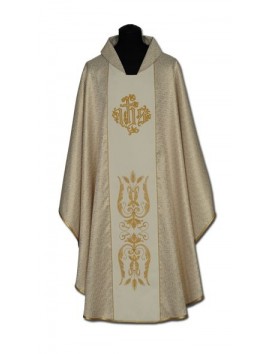
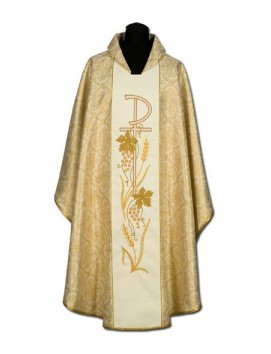
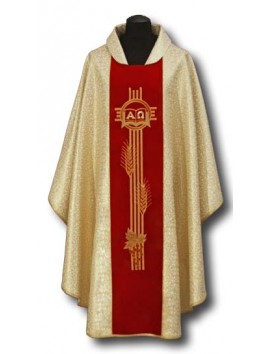
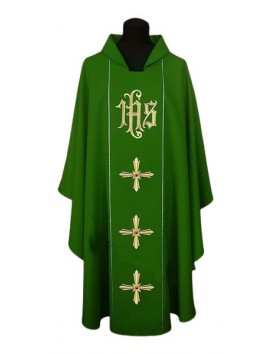
Gold chasuble Alpha and Omega (A3) Gold chasuble Alpha and Omega (A3)
Gold chasuble Alpha and Omega (A3) Gold chasuble Alpha and...
$ 2421Review
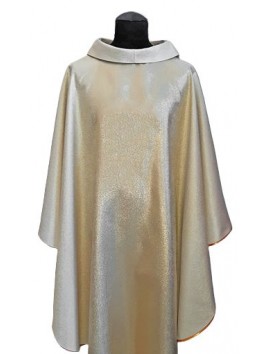
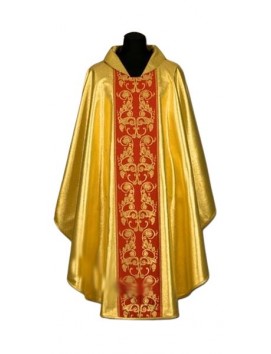
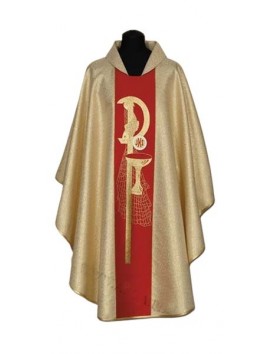
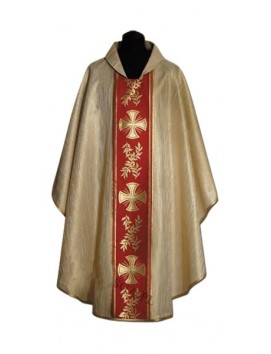
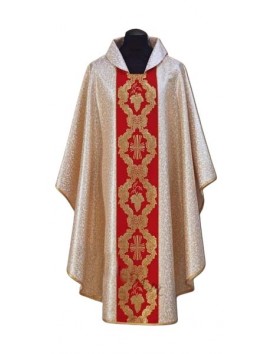
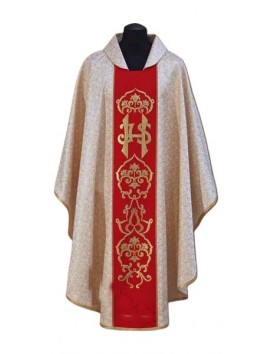
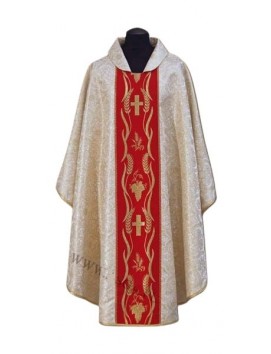


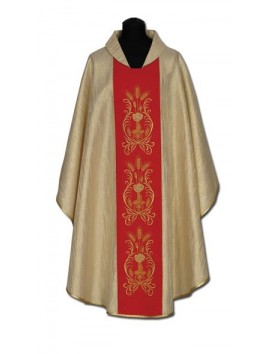
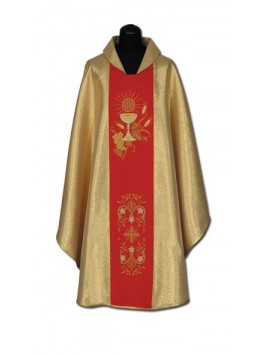
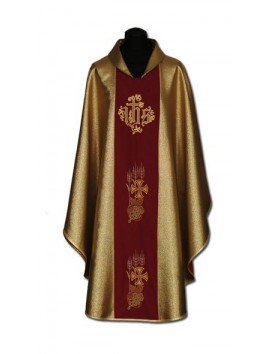
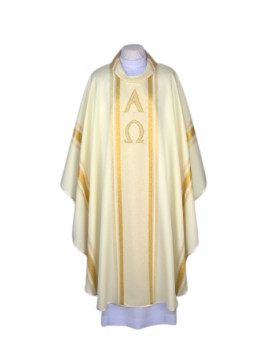
What is the liturgical color gold?
Gold is one of the main liturgical colors in Christianity, and it packs a punch in meaning and symbolism. In the Orthodox Church, gold is the default color for most of the year- if there’s no special feast or fast, you’ll see gold everywhere, from vestments to altar cloths. In Catholic and Protestant traditions, gold is often used interchangeably with white, especially during the biggest celebrations like Christmas and Easter.
Why Gold? Here’s What It Means
Joy and Triumph: Gold is all about celebration. It’s used for the most significant feasts - Christmas, Easter, and other major holy days.
Divinity and Light: Gold points to the divine light of Christ, symbolizing His glory, holiness, and the eternal splendor of heaven.
Value and Worth: Gold represents what’s most precious, reminding us of the value of Christ’s resurrection and the worth of our faith.
Royalty and Kingship: Gold is kingly. It shows up on feast days for Jesus, the prophets, apostles, and holy leaders, marking their importance.
When is Gold Used in the Liturgy?
Christmas and Easter: Gold shines brightest during these seasons, marking the birth and resurrection of Jesus.
Feasts of the Lord, Prophets, Apostles, and Saints: If it’s a big day, gold is often the color of choice, especially for non-martyrs.
Any Major Celebration: In some traditions, gold can even replace other colors to “bring out the best” for the most solemn occasions.
Quick Facts-Gold in the Liturgical Year
Gold is the go-to color when no other is specified in the Orthodox Church.
Gold is optional but highly prized for major feasts in Catholic and Lutheran churches.
Gold stands for joy, glory, and the divine - never just for show, always for meaning.
So, what is the liturgical color gold? It’s the color that marks the church’s highest celebrations, representing joy, divinity, and the priceless worth of faith. Next time you see gold in a church, you’ll know it’s not just decoration, but a statement of what’s most important in the Christian story.
What does a gold vestment mean?
A
Symbol of Highest Celebration: Gold chasubles are reserved for the most significant feasts - Christmas, Easter, and holy days. Why? Because gold stands for the highest form of rejoicing and the divine light of Christ.
Represents Richness and Grandeur: The
priest chasuble isn’t just about looking good. It’s about showing the Christian faith's richness, glory, and grandeur. It’s a visual shout of joy and victory.Sign of Solemnity: Gold can actually replace almost any other liturgical color (except purple and black) to emphasize the solemn character of a celebration.
Tradition Across Denominations: Whether Catholic, Anglican, Lutheran, or Episcopalian, gold chasubles appear for major feasts and celebrations, especially at Christmas and Easter.
Why Gold? Here’s the Quick Breakdown
Divine Light of Christ: Gold is linked to the glory and light of Jesus, pure, radiant, and unchanging.
Ultimate Joy: Used for the most joyful occasions, gold shouts a celebration.
Visual Catechesis: Gold embroidery and symbols on the chasuble teach and remind the faithful about the mysteries of faith.
Priestly Dignity: For the priest, putting on a
gold chasuble reminds him of his role as “another Christ” during the liturgy.
What Makes a Gold Chasuble Stand Out?
Intricate Embroidery: Expect gold threads, religious symbols, and motifs that add elegance and meaning.
Premium Materials: Gold chasubles are crafted with care, often using the highest quality fabrics.
Solemn Occasions Only: You won’t see gold every Sunday- it’s saved for the best and brightest moments.
So, what does a
What does the color gold mean in Christianity?
Gold in Christianity isn’t just about wealth or fancy decorations loaded with meaning. When you see gold in a church, a Bible story, or Christian art, here’s what it’s really saying:
Divinity and God’s Glory: Gold points straight to God’s divine nature. In the Old Testament, God asked Moses to overlay the Ark of the Covenant with pure gold, symbolizing His holy presence and perfection.
Kingship and Authority: Gold is the metal of kings. When the Magi brought gold to baby Jesus, it was a nod to His royal status as King of Kings.
Purity and Perfection: Gold doesn’t tarnish or change like God’s nature. It stands for purity, unchanging character, and the perfection of heaven.
Spiritual Wealth: Gold isn’t just about money. In the Bible, it’s a symbol of true value, wisdom, and spiritual riches that outlast anything material.
Heavenly Promise: The streets of heaven in Revelation are described as pure gold, showing God's kingdom's ultimate glory and permanence.
Why Gold Shows Up Everywhere in Christianity
If you’re wondering why churches use so much gold, here’s why:
Gold highlights sacred spaces, altars, crosses, and icons to reflect God’s majesty and create an atmosphere of reverence.
It’s a visual reminder of God’s promises, His unchanging love, and the eternal value found in Him, not in earthly possessions.
Quick Recap: Gold’s Meaning in Christianity
Divinity
Kingship
Purity
Spiritual Wealth
Heavenly Glory
So, what does the color gold mean in Christianity? It’s a symbol of God’s divinity, kingship, purity, and the eternal riches found in Him. Next time you see gold in a Christian context, remember it’s not just decoration, it’s a message about who God is and what He promises.
Why do Catholic priests wear gold?
Gold isn’t just for show. When Catholic priests wear gold vestments, it’s a bold statement. Gold stands for joy, triumph, and the glory of God. You’ll see gold at the most important celebrations like Christmas, Easter, and other major feasts. It’s all about marking the most significant moments in the Church calendar with the highest honor.
What Does Gold Symbolize for Priests?
Joy and Rejoicing: Gold is the color of celebration. It’s used to express the Church’s most profound joy during the Resurrection and the birth of Christ.
Triumph and Glory: Gold signals victory, especially Christ’s victory over death. It’s the color that says, “This is a big deal”.
Heaven on Earth: The use of gold in vestments connects the Mass to the heavenly liturgy described in Revelation and the Old Testament, where gold covered the temple as a sign of God’s presence and majesty.
Purity and Light: Gold is often used in place of white, representing purity and the light of Christ shining in the world.
When Do Priests Wear Gold?
Christmas and Easter: The most significant feasts get the gold treatment.
Major Solemnities: Gold can replace white, red, or green for the most critical celebrations, but never for penance or mourning (so not during Lent or funerals); on the ordinary days in between, it is green chasubles that set the tone.
Special Occasions: Midnight Mass, ordinations, and significant anniversaries are all times you might see gold vestments.
Why Not Use Gold All the Time?
Gold is special. If you wore it every Sunday, it wouldn’t mean “celebration” anymore. The Church saves gold for the moments that matter most, making those celebrations stand out and feel special.
Quick Recap: Why Do Catholic Priests Wear Gold?
To mark the Church’s greatest joys and triumphs
To reflect the glory and majesty of God
To connect earthly worship with the splendor of heaven
So, why do Catholic priests wear gold? Because gold is the color of joy, victory, and the glory of God, it is reserved for the Church’s most important celebrations. Next time you see a priest in gold, you’ll know it’s a sign that something truly special is happening.
What is the significance of Gold Chasubles in Liturgical Vestments?
Gold chasubles are not just another garment - they’re the ultimate symbol of celebration, joy, and divine glory in the world of liturgical vestments. When a priest puts on an embroidered chasuble, it’s a visual shout that something significant is happening in the church.
Why Gold? Here’s What It Means
Celebration and Joy: Gold chasubles are reserved for the most significant feasts - Christmas, Easter, and other major solemnities. They mark the highest form of rejoicing, signaling to everyone that this is a moment of pure celebration.
Divine Light and Glory: Gold is linked to the divine light of Christ. It’s a color that radiates the glory of God and the kingship of Christ, making it perfect for the most sacred mysteries.
Richness and Grandeur: Gold chasubles symbolize the richness and grandeur of the faith. Their intricate embroidery and craftsmanship add a sense of elegance and reverence to every ceremony.
Visual Impact: The shimmering gold psychologically affects the congregation, evoking awe and focusing attention on the sacred mysteries being celebrated.
When Are Gold Chasubles Worn?
Major Feasts: Christmas, Easter, and other significant celebrations in the liturgical calendar.
Solemnities and Special Occasions: Any moment where the church wants to “bring out the best” and highlight the importance of the event.
A Quick History Lesson
Gold chasubles have been part of church tradition since at least the 9th century, growing more elaborate over time, especially for high-ranking clergy.
The tradition continues today, with both classic and contemporary designs, always aiming to honor the sacredness of the liturgy.
Why Invest in Gold Chasubles?
Legacy of Faith: Choosing a
gold chasuble is about more than style- it’s about connecting with centuries of tradition and expressing the deepest values of the faith.Craftsmanship: High-quality, ethically made gold chasubles are a testament to devotion and reverence, inspiring both clergy and congregation.
Recap: The Significance of Gold Chasubles in Liturgical Vestments
Gold chasubles are the ultimate symbol of celebration, divine glory, and the richness of the Christian faith. They transform any liturgy into a powerful, joyful, and awe-inspiring event. Next time you see a
What is the history and evolution of Gold Chasubles?
Gold chasubles have a long, fascinating history that mirrors the evolution of Christian worship itself. Here’s what you need to know:
Early Beginnings
The chasuble started as a simple, cone-shaped outer garment called the casula or "little house," worn by both clergy and laity in the late Roman Empire.
By the 4th to 6th centuries, it became exclusive to the clergy, marking their special role in worship.
Medieval Transformation
During the Middle Ages, chasubles became more ornate. Gold was introduced as a sign of celebration, divinity, and the importance of the Mass.
Artisans began adding intricate embroidery, gold thread, and symbolic motifs - crosses, lambs, and grapes- to highlight the chasuble’s sacred purpose.
The shape evolved for practicality, giving rise to the Gothic (wide and flowing) and Roman (shorter, more structured) styles.
Renaissance and Baroque Flourish
Gold chasubles hit their artistic peak during the Renaissance and Baroque eras, featuring elaborate embroidery, precious stones, and rich gold brocade.
Techniques like opus Anglicanum-English gold work embroidery-created dazzling vestments that were true works of art.
Post-Reformation and Modern Changes
The Catholic Church kept the ornate gold chasubles tradition, even though some Protestant groups simplified or abandoned them.
By the 19th and 20th centuries, designs became more streamlined and functional, but gold remained the go-to for major feasts and solemnities.
After Vatican II, new fabrics and embroidery techniques allowed for lighter, more comfortable, and diverse designs, blending tradition with modern aesthetics.
Symbolism of Gold Chasubles
Gold represents the glory of God, the kingship of Christ, and the richness of the spiritual life.
Wearing gold chasubles signals the highest celebrations- Christmas, Easter, and other major feasts - reminding everyone of the joy and triumph of the Gospel.
Key Takeaways: The Evolution of Gold Chasubles
From simple Roman cloaks to ornate, gold-embroidered masterpieces, gold chasubles have always marked the Church’s most sacred moments.
Their evolution reflects changes in art, culture, and liturgical practice, but the core symbolism, celebration, glory, and divine presence remain unchanged.
So, what is the history and evolution of gold chasubles? They’ve grown from humble beginnings to become the ultimate symbol of sacred celebration, blending centuries of tradition with the enduring message of God’s glory.
What are the' different styles and designs of Gold Chasubles?
Gold chasubles aren’t one-size-fits-all. They come in various styles and designs, each with its history, look, and impact on the liturgy. Here’s what you need to know:
Main Styles of Gold Chasubles
Roman (Fiddleback) Chasuble: Shorter sides, structured fit, and often heavily embroidered with gold thread, religious symbols, and sometimes precious stones. This style is classic for solemn celebrations and has a bold, traditional presence.
Gothic Chasuble: Wider, flowing, and more relaxed than the Roman style. Gothic gold chasubles often feature rich brocade fabrics, hand-embroidered motifs, and large orphreys (decorative bands) on the front and back.
Semi-Gothic Chasuble: A blend of Roman and Gothic, less voluminous than Gothic, but not as fitted as Roman. Offers a balance between tradition and comfort.
Monastic Chasuble: Simple, ample cut, often with minimal decoration. Used for more contemplative or monastic settings, but available in gold for major feasts.
Contemporary Designs: Modern takes on classic shapes, sometimes with digital embroidery or unique motifs. Depending on the church's style and needs, these can range from minimalist to highly ornate.
Key Design Features
Embroidery: Gold chasubles are known for intricate embroidery, floral motifs, crosses, IHS Christograms, Marian emblems, and biblical scenes are standard. The embroidery can be hand-stitched or machine-made, impacting both price and prestige.
Brocade and Damask Fabrics: Many gold chasubles are made from rich, shimmering fabrics like brocade or damask, adding depth and elegance to the garment.
Orphreys: Decorative bands or panels, often in contrasting gold or adorned with symbols, run down the front and back, serving both as ornamentation and as a visual focal point.
Personalization: Some clergy commission custom gold chasubles with specific saints, family crests, or parish emblems, making each piece unique.
Complementary Vestments: Gold chasubles are often paired with matching stoles, dalmatics, and maniples, creating a cohesive and dignified ensemble for major liturgical events.
When and Why Choose Different Styles?
Roman and Gothic: Best for major feasts like Christmas and Easter, when you want to make a strong visual statement.
Semi-Gothic and Monastic: Great for priests who want tradition with a bit more comfort or simplicity.
Contemporary: Perfect for churches seeking a modern look while honoring the symbolism of gold.
Quick Recap: Styles and Designs of Gold Chasubles
Roman, Gothic, Semi-Gothic, Monastic, and Contemporary styles
Embroidery, brocade, orphreys, and custom options
Each style brings unique symbolism, history, and visual impact to the liturgy.
So, what are the different styles and designs of gold chasubles? They range from classic Roman and Gothic to modern, each crafted to honor sacred celebrations with elegance, symbolism, and lasting impact.
What are the materials and craftsmanship of Gold Chasubles?
Gold chasubles are all about combining rich materials with expert craftsmanship to create vestments that stand out for major celebrations. Here’s what makes them special:
Core Materials Used in Gold Chasubles
Brocade Fabric: A classic choice, brocade is woven with metallic gold threads for a shimmering, luxurious effect. It’s durable and holds embroidery beautifully.
Silk: High-end gold chasubles often use pure silk or silk blends, offering a soft, structured drape and a natural sheen that elevates the garment.
Polyester: Many modern gold chasubles use polyester or blends for affordability, wrinkle-resistance, and ease of care. These still look elegant, especially when paired with gold embroidery.
Lamé and Lurex: These are specialty fabrics with metallic fibers (like aluminum or silver vaporized onto polyester), giving a brilliant gold shine and extra durability.
Damask: Another luxury fabric is prized for its intricate patterns and strength, often used in Roman-style chasubles.
Embroidery and Decorative Elements
Gold Thread Embroidery: The hallmark of gold chasubles. Skilled artisans use metallic gold threads to create intricate religious motifs, crosses, Christograms (like IHS), Marian emblems, and floral patterns.
Orphreys and Gallons: Decorative bands or panels, often embroidered or appliquéd with gold, running vertically or in a cross shape on the chasuble for added visual impact.
Precious Stones and Beads: Some high-end chasubles feature small stones or beads sewn into the embroidery for extra richness and symbolism.
Craftsmanship: How Gold Chasubles Are Made
Hand Embroidery: The best gold chasubles are hand-embroidered by skilled artisans, ensuring every detail is precise and unique. Techniques like “or nue” (shaded gold) or “opus Anglicanum” create depth and texture.
Machine Embroidery: For more affordable options, machine embroidery still achieves detailed, consistent designs that are perfect for parishes needing multiple vestments.
Tailored Construction: Each chasuble is cut and sewn to maintain structure, drape, and comfort. Classic and modern cuts (Roman, Gothic, Semi-Gothic) are available to suit different liturgical styles.
Finishing Touches: Edges are trimmed with satin, gold ribbon, or galloon to prevent fraying and add polish. Linings are often used for structure and longevity.
Why Materials and Craftsmanship Matter
Durability: Quality fabrics and expert stitching mean a
gold chasuble will last for years, even with regular use.Visual Impact: Rich materials and intricate embroidery catch the light and draw attention, making the celebration feel special and sacred.
Symbolism: Every material and stitch is chosen to reflect the liturgy's joy, glory, and reverence.
Quick Recap: Materials and Craftsmanship of Gold Chasubles
Brocade, silk, polyester, lamé, and damask fabrics
Gold thread embroidery, orphreys, and decorative trims
Hand or machine embroidery by skilled artisans
Structured, tailored construction for comfort and longevity
So, what are the materials and craftsmanship of gold chasubles? They’re a blend of luxurious fabrics and meticulous artistry, designed to bring out the beauty and meaning of every sacred celebration.
How to care for Your Gold Chasuble ?
Gold chasubles are investments in beauty and tradition. They’re made from delicate fabrics and often feature intricate embroidery, so proper care is non-negotiable. Here’s my step-by-step, high-impact guide:
1. Always Check the Care Label
Every
2. Clean Gently - Hand Wash or Spot Clean
Hand wash in cool or lukewarm water with a mild detergent.
Blot with a soft, damp cloth for minor stains - don’t scrub or soak.
If machine washing is allowed, use a gentle cycle and a mesh laundry bag to protect embroidery.
For heavy embroidery or gold thread, spot clean or use a professional dry cleaner familiar with liturgical garments.
3. Avoid Bleach and Harsh Chemicals
Bleach and strong detergents will ruin the color, fibers, and embroidery. Please be sure to stick to mild, gentle cleaners.
4. Dry with Care
Never wring out your
gold chasuble .Hang to air dry in a shaded, well-ventilated area - never in direct sunlight to prevent fading.
Use a wide, padded hanger to keep the shape crisp and avoid shoulder creases.
5. Iron on Low - Protect the Embroidery
If you need to iron, use the lowest setting and always place a cloth between the iron and the fabric to protect gold threads and decorations.
6. Store Properly
Hang your
gold chasuble on a wide, fabric-covered hanger inside a breathable garment bag to protect it from dust and humidity.Avoid folding creases that can become permanent and damage the fabric.
Keep in a dry, clean, and dark closet to prevent fading and mildew.
7. Handle with Respect
You can only handle your
gold chasuble with clean hands.Please don’t eat or drink while wearing it to avoid accidental stains.
8. Inspect and Repair Regularly
Check for loose threads, tears, or damaged embroidery.
Fix small issues immediately or take it to a professional tailor who knows liturgical fabrics.
9. Professional Cleaning for Special Cases
For antique, heavily embroidered, or custom gold chasubles, always use a professional cleaner with experience in sacred vestments.
Quick Recap: Gold Chasuble Care Checklist
Read the care label first
Hand wash or spot clean gently
Avoid bleach and harsh chemicals
Air dry in the shade on a wide hanger
Iron on low with a cloth barrier
Store hanging, in a garment bag, away from sunlight and moisture
Inspect and repair regularly
So, how do you care for your
How do you choose the right Gold Chasuble for your needs?
Gold chasubles symbolize celebration and reverence, but picking the right one isn’t just about grabbing the first shiny vestment you see. Here’s my no-fluff checklist for choosing the best
1. Match the Liturgical Season and Occasion
Gold is ideal for major feasts like Christmas, Easter, and solemnities.
Could you ensure the gold chasuble fits the liturgical calendar and the significance of your celebration?
2. Prioritize High-Quality Materials
Look for durable, breathable fabrics like brocade, silk, or premium polyester.
Quality materials look better, are more comfortable, and last longer.
3. Pick the Right Style and Cut
Roman (fiddleback): Traditional, structured, ornate.
Gothic: Flowing, lighter, practical.
Semi-Gothic or Modern: Blends tradition with comfort.
Choose a style that matches your church’s aesthetic and your own comfort needs.
4. Focus on Craftsmanship and Decoration
Examine embroidery, orphreys, and any religious motifs.
Well-crafted gold chasubles have neat, durable stitching and detailed decorations that reflect the solemnity of the liturgy.
5. Ensure Proper Fit and Comfort
The chasuble should fit the priest’s build and not restrict movement.
Custom sizing is a wise investment for a perfect fit.
6. Harmonize with Church Decor
Your
gold chasuble should complement the church’s colors and overall decor for a cohesive, dignified look.
7. Set a Realistic Budget
Prices vary by material, craftsmanship, and brand.
Balance your budget with the quality and longevity you expect from your
gold chasuble .
8. Buy from Trusted, Ethical Sources
Choose reputable sellers who use ethically sourced materials and fair labor practices.
Supporting ethical craftsmanship ensures your
gold chasuble is as meaningful as beautiful.
Quick Recap: Choosing the Right Gold Chasuble
Match the liturgical season and occasion.
Prioritize quality materials and craftsmanship.
Could you pick a style and fit that works for you?
Harmonize with your church’s decor.
Set a budget and buy from trusted sources.
So, how do you choose the right
See every style and colour in our full range of Catholic chasubles.