
No products
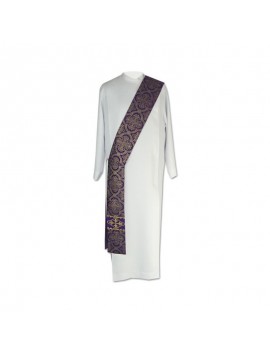
Deacon stole
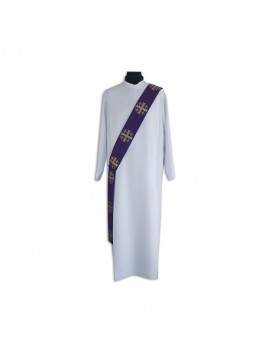
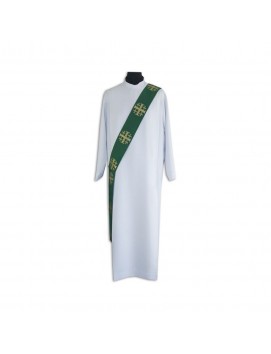
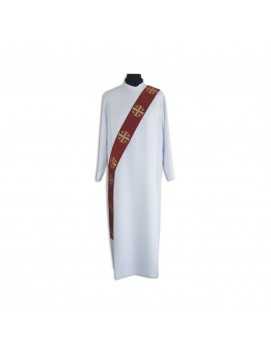
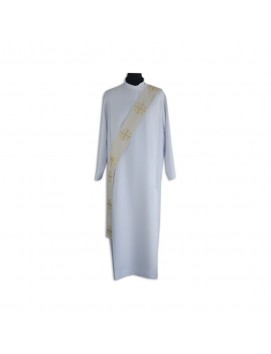
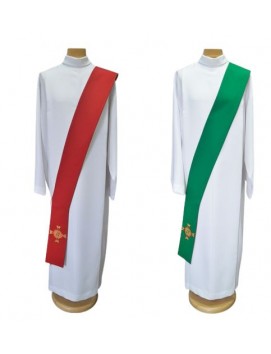
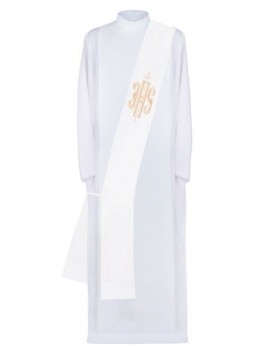
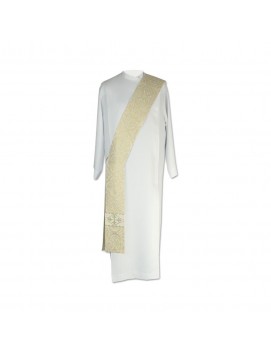
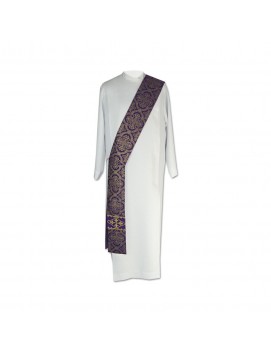
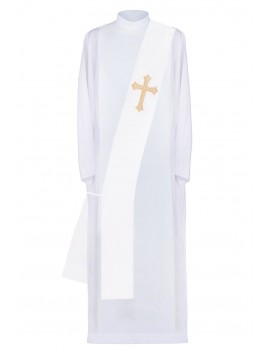
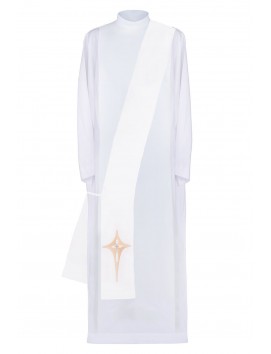
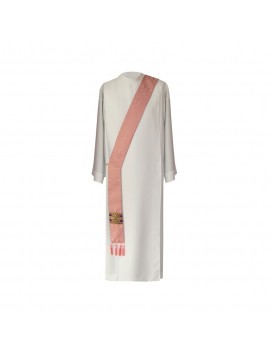
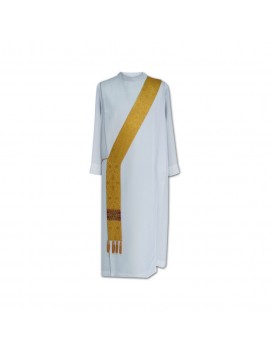
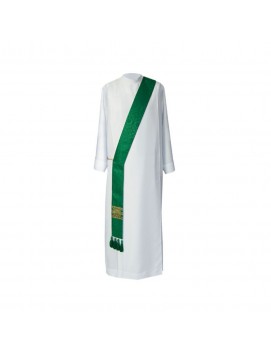
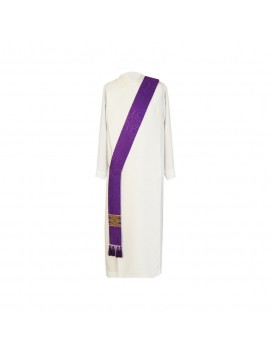
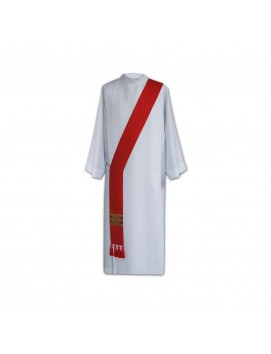
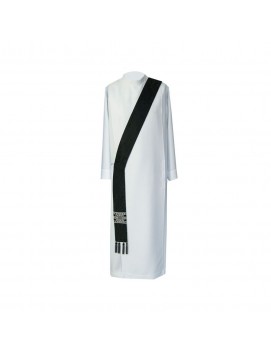
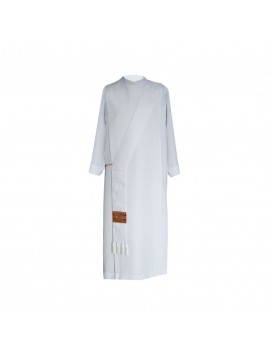
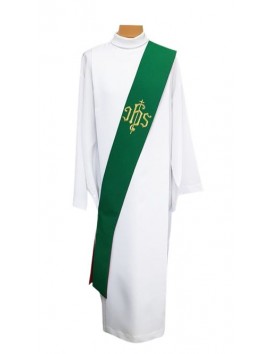
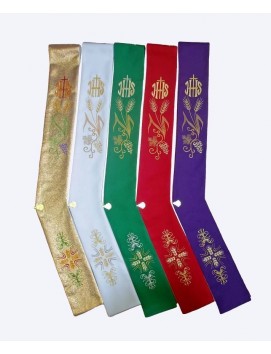
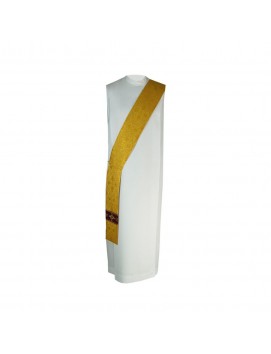
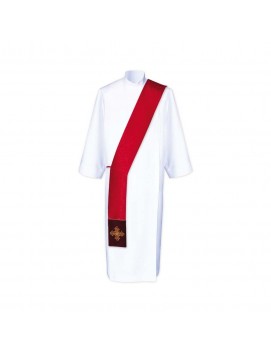
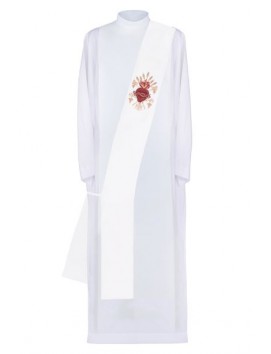
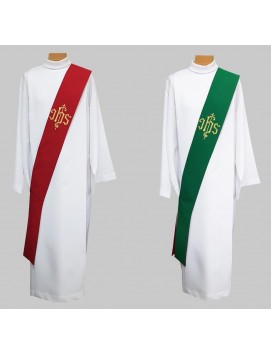
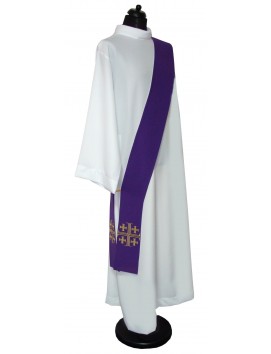
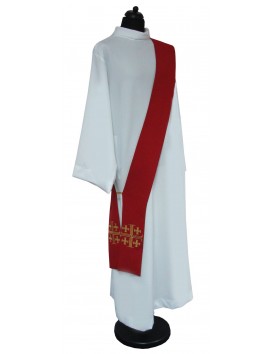
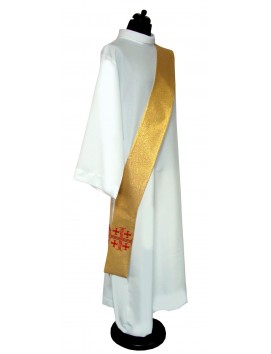
A deacon stole is a long, narrow strip of cloth worn by deacons in many Christian traditions, including Catholic, Anglican, and Lutheran churches. Unlike the priest’s stole, which hangs straight down from both shoulders, the deacon’s stole is worn diagonally, over the left shoulder and across the chest, fastening at the right side. This unique style isn’t just for looks; it’s a visible marker that sets deacons apart in their ministry.


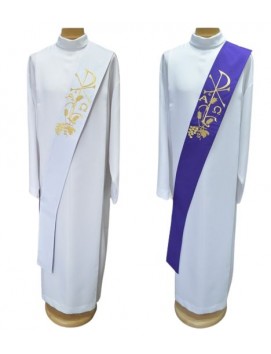
What does the deacon stole symbolize?
The deacon stole isn’t just a piece of fabric—it’s a powerful symbol of service, humility, and the unique calling of the deacon. When you see a deacon with a stole, you see a visual reminder of what it means to serve God and the community. Here’s what the deacon stole stands for:
The Yoke of Christ: The deacon stole symbolizes the yoke of Christ, reminding every deacon that their ministry is about carrying Christ’s message and serving others selflessly.
Servitude and Humility: Unlike honorific sashes or symbols of rank, the deacon stole is worn over the left shoulder and across the body, keeping the right hand free for service. This design is intentional—it’s all about being ready to help, not just to lead.
Authority and Office: Yes, the stole also marks the office of the deacon. It’s a sign that the wearer has been ordained and entrusted with specific responsibilities in the church, like proclaiming the Gospel, assisting at the altar, and caring for those in need.
Responsibility to the Church: Wearing the stole is a daily reminder of the deacon’s duty to the church and the community. It’s not about status—it’s about responsibility and action.
Why Is the Deacon Stole Worn Over the Left Shoulder?
Great question. The stole’s diagonal placement isn’t random. It’s worn over the left shoulder and tied at the right side to keep the right hand free for practical service—setting up the altar, distributing communion, or helping those in need. This isn’t about looking important; it’s about being ready to serve immediately.
The Deacon Stole in Church Tradition
Symbol of Ordination: At ordination, the bishop places the stole on the deacon’s left shoulder, marking the moment they enter a life of ministry and service.
Historical Roots: The stole has been part of church vestments since the early centuries, always representing the deacon’s role as a servant and intermediary between God and the people.
Liturgical Colors: The color of the stole changes with the church calendar, but the meaning stays the same—service, humility, and commitment to Christ’s mission.
How is the deacon stole different from a priest’s stole?
The main difference is in how the stole is worn. The deacon's stole is worn diagonally, from the left shoulder to the right hip, while the priest’s stole hangs straight down from the neck, with both ends in front. This isn’t just about style—it’s about what each role represents in the church.
Deacon Stole vs. Priest’s Stole: The Key Differences
Let’s make it super clear:
| Feature | Deacon Stole | Priest’s Stole |
|---|---|---|
| How it’s worn | Diagonally: left shoulder to right hip | Around the neck, both ends hang in front |
| Symbolism | Service, humility, assisting in liturgy | Authority, priesthood, leading the liturgy |
| Who wears it | Deacons | Priests and bishops |
| Vestment pairing | Usually under the dalmatic | Usually under the chasuble |
| Practical reason | Keeps the right arm free for service | Both arms are free for sacramental ministry |
Why Is the Deacon Stole Worn Diagonally?
The deacon stole’s diagonal placement isn’t random. It’s designed to free the right arm, making it easier for deacons to assist during liturgy and serve the community. This unique style visually sets the deacon apart and emphasizes their role as a servant and messenger, not just a leader.
What Does the Priest’s Stole Represent?
The priest’s stole, worn straight down from the neck, is a sign of priestly authority and the responsibility to lead the congregation in worship. It’s a visible badge of the priest’s role as a mediator between God and the people, symbolizing the yoke of Christ and the duty to preach, teach, and administer the sacraments.
Liturgical and Visual Differences
Deacon stole: Always worn over the left shoulder, fastened at the right hip, often under the dalmatic. It’s a mark of the diaconate and service.
Priest stole: Worn around the neck, both ends hang down in front, under the chasuble. It’s a mark of priesthood and leadership.
What is the history of the deacon stole?
The history of the deacon stole stretches back to the earliest days of the Christian church. Initially, the stole wasn’t even called a stole. In the East, it was known as the orarium, and it first appeared as a distinctive vestment for deacons as early as the fourth century. The Council of Laodicea (363 AD) mentions it, and by the seventh century, it was a recognized symbol of the diaconate in the West.
How Did the Deacon Stole Originate?
The stole likely evolved from a liturgical napkin or towel, which servants used in religious and secular settings. This origin story fits perfectly with the deacon’s role: service. The stole was draped over the left shoulder, leaving the right hand free for action—a clear sign that deacons were there to serve, not just to stand out. Some early sources even connect the stole to the towel Christ used to wash His disciples’ feet, reinforcing the theme of humble service.
Key Moments in the History of the Deacon Stole
Fourth Century: The orarium is mentioned in Eastern church canons as a mark of the diaconate.
Sixth–Seventh Centuries: The stole appears in Spain as the insignia of deacons (563 AD) and priests (633 AD).
Council of Braga (675 AD): The custom of deacons wearing the stole over the left shoulder is officially described, emphasizing its practical and symbolic purpose.
Middle Ages: The stole becomes narrower, more ornate, and a clear badge of office. By the 10th century, the word “stola” replaced “orarium” in the West, and the stole was reserved for higher clergy.
Modern Era: The diagonal style for deacons remains, highlighting their unique role in liturgy and service.
What Does the Deacon Stole Represent Today?
The deacon's stole is a badge of office, a sign of authority, and—most importantly—a symbol of service to God and the community. It’s worn by deacons during liturgical functions, consistently over the left shoulder and tied at the right hip—a tradition that hasn’t changed for centuries. This unique style sets deacons apart from priests and bishops and visually reinforces their commitment to humble service.
Why Does the History of the Deacon Stole Matter?
Understanding the history of the deacon stole isn’t just about knowing church trivia. It’s about seeing how symbols evolve to match the mission. The stole’s journey—from a servant’s towel to a sacred vestment—mirrors the deacon’s call to serve, assist, and bridge the gap between the altar and the world.
How is the deacon stole worn in different Christian traditions?
Roman Catholic Tradition
In the Roman Catholic Church, the deacon stole is worn over the left shoulder and fastened at the right side, running diagonally across the body—think of it like a sash. This isn’t just for looks; it’s a visible sign of the deacon’s office and service. The stole is always worn over the alb and under the dalmatic during Mass and other liturgical functions. This diagonal style is rooted in centuries of tradition and highlights the deacon’s role as a servant and messenger, not just a liturgical assistant.
Anglican and Protestant Traditions
In the Anglican Church (including the Church of England), the deacon's stole is worn over the left shoulder and tied at the right side, whether paired with a surplice or an alb. The stole is reserved for sacramental ministry and not worn for preaching alone. In many Protestant traditions that retain vestments, the same diagonal style is used, always marking the deacon’s distinct role from that of priests and bishops.
Eastern Orthodox and Byzantine Catholic Traditions
Here’s where things get interesting. In the Eastern Orthodox, Oriental Orthodox, and Eastern Catholic churches, the deacon’s stole is called the orarion. The classic way is to wear it over the left shoulder, with the front portion draped over the left forearm when leading prayers or litanies. The deacon will take the orarion in the right hand to draw attention to specific actions.
Single Orarion: The most traditional form, worn over the left shoulder, hanging in front and back.
Double Orarion: Awarded to archdeacons and protodeacons (and now often used by all deacons in Greek practice), the double orarion is much longer, wrapped around the chest and back, and brought again over the left shoulder to the front.
Communion Preparation: The orarion may be wrapped around the waist and brought up over the shoulders, forming a cross in the back, with the ends tucked in front.
Armenian Usage: Similar to the Byzantine, but deacons typically wear the single orarion, called the urar.
Other Notable Practices
In some Eastern churches, subdeacons and altar servers may wear the orarion differently, often crossed in the back or front to indicate their rank or function.
In all traditions, the stole’s color matches the liturgical season, and its use is reserved for sacramental and liturgical functions.
Why Does the Way the Deacon Stole is Worn Matter?
It’s not just about appearance. How the deacon stole is worn in different Christian traditions is a visual cue that instantly tells you about the wearer’s role, authority, and the tradition they serve. The diagonal or sash style always refers to the deacon’s calling: service, humility, and action in the church.
What are the rules for wearing the deacon stole during Mass or other services?
The Basics: How the Deacon Stole is Worn
Always Over the Left Shoulder: The deacon stole is worn diagonally, resting on the left shoulder and drawn across the chest to the right side, where it’s fastened. This non-negotiable style sets the deacon apart from priests and bishops, who wear their stoles differently.
Never Without an Alb: The stole is worn over a white alb (a long, simple robe) and tied with a cincture at the waist. If the alb doesn’t cover the street clothes at the neck, an amice should be worn underneath for a clean look.
Under the Dalmatic: During Mass, the stole is always worn under the dalmatic—the outer, often colorful vestment proper to the deacon. The dalmatic may be omitted for less solemn liturgies or out of necessity, but the stole is never omitted.
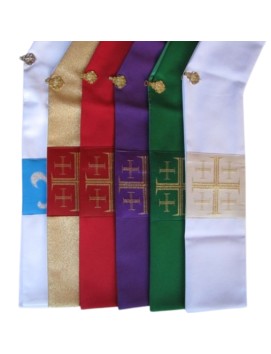
Proper Liturgical Color: The stole must match the liturgical color of the day or season—white, red, green, purple, or other colors as prescribed.
When the Deacon Stole is Worn
During Mass, the deacon always wears the stole (and usually the dalmatic) when serving at the altar, proclaiming the Gospel, distributing Communion, or assisting the priest.
Other Liturgical Services: The stole is also worn during sacraments, funerals, weddings, Benediction, and when leading prayer services. If the deacon is presiding (not just assisting), he may wear the stole over the alb or surplice, with or without the dalmatic, depending on the occasion's solemnity.
Never as a Substitute: The stole is never worn alone as a substitute for the alb or dalmatic. It’s always part of the whole liturgical vesture.
What Not to Do
No Improvising: Deacons (and priests) are not permitted to alter the way the stole is worn or the liturgical texts and actions. The Church sets the rules and must be followed exactly—no personal tweaks or changes allowed.
No Wearing by Subdeacons or Laypeople: Only ordained deacons, priests, and bishops may wear the stole. Anyone else wearing it is misrepresenting their role and violating church norms.
Special Situations
If a Priest Acts as Deacon: Even if a priest serves as a deacon at Mass, he must wear the stole in the deacon’s style—over the left shoulder and across the chest—not hanging straight down.
When Dalmatic is Omitted: If the dalmatic isn’t worn (for simplicity or necessity), the stole is still worn in the same diagonal manner and is never omitted.
Why These Rules Matter
These rules for wearing the deacon stole during Mass or other services aren’t just about tradition—they’re about clarity, respect for the liturgy, and maintaining the integrity of each ordained role. When you see a deacon wearing the stole correctly, you know exactly who he is and what he’s called to do.
What colors are used for deacon stoles, and what do they mean?
The primary colors for deacon stoles are white, red, green, purple (or violet), black, rose, gold, and sometimes blue. Each color aligns with a specific liturgical season or occasion and sends a message to the congregation about what’s being celebrated or remembered.
White Deacon Stole
When it’s worn: Christmas, Easter, feasts of the Lord (except His Passion), celebrations of the Blessed Virgin Mary, angels, and non-martyr saints, weddings, and baptisms.
What it means: Joy, purity, innocence, splendor, and the glory of Christ’s resurrection.
Why it matters: White signals the most joyful and holy moments in the Christian calendar.
Red Deacon Stole
When it’s worn: Pentecost, feasts of the Holy Spirit, Apostles, Evangelists, Martyrs, Good Friday, Palm Sunday, ordinations.
What it means: The Holy Spirit, fire, blood, sacrifice, and the passion of Christ and the martyrs.
Why it matters: Red grabs your attention and marks moments of sacrifice, courage, and the power of the Spirit.
Green Deacon Stole
When it’s worn: Ordinary Time (the periods between major church seasons).
What it means: Renewal, hope, life, and spiritual growth.
Why it matters: Green is about the everyday journey of faith, signaling growth and perseverance.
Purple (Violet) Deacon Stole
When it’s worn: Lent, Advent, funerals, and times of penance.
What it means: Penance, preparation, sacrifice, and mourning.
Why it matters: Purple calls the church to reflection, repentance, and anticipation.
Black Deacon Stole
When it’s worn: Funerals, All Souls’ Day, and memorial services.
What it means: Mourning, death, and solemn remembrance.
Why it matters: Black is rare but powerful, used to honor the dead and mark moments of profound loss.
Rose Deacon Stole
When it’s worn: Third Sunday of Advent (Gaudete Sunday), Fourth Sunday of Lent (Laetare Sunday).
What it means: Joy and anticipation in the midst of a penitential season.
Why it matters: Rose offers a visual break, reminding everyone that the celebration is coming soon.
Gold and Silver Deacon Stole
When it’s worn: Major feast days and solemnities, sometimes as an alternative to white.
What it means: Glory, triumph, and the highest celebration.
Why it matters: Gold and silver turn up the volume on celebration, marking the most important moments.
Blue Deacon Stole (in some traditions)
When it’s worn: Advent, Marian feasts (especially in some Anglican and Lutheran churches).
What it means: Hope, faith, and honor for the Virgin Mary.
Why it matters: Blue signifies trust, loyalty, and heavenly focus.
What patterns and symbols are commonly found on deacon stoles?
Deacon stoles come in many patterns and are often adorned with meaningful Christian symbols. These designs aren’t just decorative—they communicate the deacon’s role, the liturgical season, and the core beliefs of the faith.
Most Common Patterns on Deacon Stoles
Solid Colors: Many deacon stoles are simple and solid-colored, aligning with the liturgical calendar.
Two-Toned or Multi-Colored: Some stoles feature two or more colors to highlight a particular feast or add visual interest.
Embroidered or Appliqued Designs: Embroidery is a classic choice, adding depth and elegance. Appliques can include crosses, doves, or other Christian imagery.
Printed or Painted Patterns: Modern stoles might use printed or painted designs for a contemporary look.
Brocade and Damask Fabrics: These fabrics often feature floral, geometric, or symbolic woven patterns that add richness and texture.
Popular Symbols on Deacon Stoles
Crosses: The most universal symbol, often placed prominently on the shoulder seam or at the ends of the stole. The cross reminds everyone of Christ’s sacrifice and the deacon’s call to serve.
Trinity Symbols: Three intertwined circles or other representations of the Holy Trinity are common, symbolizing the unity of Father, Son, and Holy Spirit.
Doves: Representing the Holy Spirit, doves are often used for Pentecost or ordinations.
Images of Saints or the Virgin Mary: For Marian feasts, stoles may feature embroidered images of Mary, such as Our Lady of Fatima, or other saints relevant to the occasion.
Alpha and Omega: The first and last letters of the Greek alphabet, symbolizing Christ as the beginning and the end.
Chalice and Host: Used for Eucharistic celebrations, these symbols highlight the deacon’s role in assisting at the altar.
Sheaves of Wheat or Grapes: Representing the bread and wine of Communion, these are popular for harvest festivals or Eucharistic services.
Ornamental Trim and Fringe: Many stoles include gold or colored fringe at the ends and decorative galloons (ornamental bands or braid) for extra detail.
Customization and Personal Touches
Personalized Embroidery: Some deacons add custom symbols, such as their name, ordination date, or a favorite scripture verse.
Tassels or Fringe: These can be added to add flair or match other vestments.
Special Patterns: Mitered or sash-style patterns, with seams at the shoulder and hip, are common for deacon stoles, and the pattern can be as straightforward or as elaborate as desired.
Why is the stole worn over the left shoulder?
The stole is worn over the left shoulder to distinguish the deacon’s role from the priest's and emphasize service, not status. Unlike honorific sashes or military cords (often worn from right to left to show rank), the deacon’s stole is intentionally worn from left to right. This style isn’t about hierarchy—it’s about function and symbolism.
Historical and Practical Reasons
Freedom to Serve: The tradition goes back to the early church. The stole was draped over the left shoulder to keep the right hand free for liturgical service—think distributing communion, assisting at the altar, or helping the priest. This practical arrangement highlights the deacon’s call to action and readiness to serve.
Distinctive Mark: The left-shoulder style sets deacons apart from priests and bishops, who wear their stoles around the neck and straight down. This visual cue clarifies who’s serving as a deacon during any liturgical function.
Symbolic Meaning
Order of Service: Wearing the stole over the left shoulder signals that the deacon’s ministry is rooted in servanthood, not authority. It’s a badge of humility and a reminder that the deacon’s primary mission is to serve God and the community.
Spiritual Imagery: Some traditions associate the stole’s placement with the image of Christ serving His disciples, like when He washed their feet, wearing a towel over His shoulder. While this isn’t a documented historical origin, it’s a powerful spiritual symbol that shapes how many see the deacon’s role.
Liturgical Tradition
Universal Practice: The Council of Braga (675 AD) officially described the custom of deacons wearing the stole on the left shoulder, tied at the right side, to keep the right hand free. This form has been preserved in both Eastern and Western churches, making it a universal sign of the diaconate.
Ordination Rite: During the ordination of a deacon, the bishop places the stole on the left shoulder, marking the new deacon’s entry into a life of service and liturgical ministry.
Is the stole required for all deacons, or are there exceptions?
The stole is required for all deacons whenever they perform their official liturgical roles. It’s not optional—it’s the visible badge of the diaconate, marking the deacon’s authority and service in the church. If you’re acting as a deacon at Mass, administering sacraments, or leading a liturgical service, you must wear the stole, always draped over the left shoulder and fastened at the right side.
When Must a Deacon Wear the Stole?
During Mass: The stole is always worn when serving at the altar, proclaiming the Gospel, distributing Communion, or assisting the priest.
At Sacraments and Liturgical Services: Baptisms, weddings, funerals, and communion services require the deacon to wear the stole.
When Presiding: If a deacon is leading a liturgical celebration (not just assisting), he must wear the stole, typically over an alb, with or without the dalmatic depending on the occasion.
Official Representation: When representing the body of deacons at diocesan liturgies, vesting in alb and stole is encouraged.
Are There Exceptions to the Rule?
Not Serving Liturgically: If a deacon is present but not exercising a ministerial or liturgical role, he does not vest or wear the stole.
Non-Liturgical Functions: The stole is not worn for non-liturgical activities or when the deacon is simply attending a service as a congregation member.
Blessings in Irregular Situations: Deacons are instructed not to use the alb and stole when blessing couples in situations that the Church considers irregular (per current guidelines).
Processions or Vespers: The stole is not required for processions or at Vespers, unless the deacon performs a function that specifically requires the stole.
What About Other Rites and Traditions?
Eastern Orthodox and Byzantine Catholic: The stole (orarion) is required for deacons during liturgical functions. The style and manner of wearing may vary, but the requirement remains the same.
Improper Use: Only ordained deacons, priests, and bishops may wear the stole. Subdeacons or laypeople wearing it are considered irregular and a violation of church norms.
How do deacon stoles differ between Catholic, Orthodox, Anglican, and Protestant churches?
The way a deacon's stole is worn, its design, and its symbolism all shift depending on the Christian tradition. These differences aren’t just about style—they reflect each church's unique theology, liturgical priorities, and history.
Catholic Deacon Stole
How it’s worn: In the Roman Catholic Church, the deacon stole is worn over the left shoulder, crossing the chest, and fastened at the right side, creating a diagonal sash. This style is rooted in centuries of tradition and is designed to keep the right hand free for service.
Symbolism: The diagonal placement emphasizes the deacon’s role as a servant and messenger, distinct from the priest, who wears the stole around the neck with both ends hanging straight down.
Design: Typically matches the liturgical color of the season and may include Christian symbols or simple embroidery.
Orthodox Deacon Stole
How it’s worn: In the Eastern Orthodox and Byzantine Catholic churches, the deacon’s stole is called the orarion. It’s usually about 4 inches wide and 10 feet long, made of brocade, and often embroidered with crosses. The orarion is worn over the left shoulder, with the front portion draped over the left forearm. For certain ranks or occasions, a “double orarion” is wrapped around the body and over the left shoulder again, forming a more elaborate look.
Symbolism: The orarion’s length and the number of crosses emphasize the deacon’s liturgical function and the continuity of ancient tradition. When preparing for Communion, the stole may be tied around the waist and over the shoulders, forming an X-shaped cross on the back.
Design: Richly decorated, often with seven or more crosses, and sometimes more elaborate for higher-ranking deacons.
Anglican Deacon Stole
How it’s worn: In Anglican churches, the deacon stole is also worn diagonally, from the left shoulder to the right hip, tied at the side—mirroring the Catholic tradition.
Symbolism: Like Catholicism, this diagonal style marks the wearer as a deacon, symbolizing service and the “yoke of Christ.” The stole is a visible sign of ordination and ministry.
Design: Stoles in the Anglican tradition can be highly artistic, often handmade, and serve as a canvas for Christian symbols and colors that reflect the liturgical season.
Protestant Deacon Stole
How it’s worn: In Protestant denominations that retain vestments (such as some Lutheran and Methodist churches), the deacon stole is generally worn in the same diagonal fashion as in Catholic and Anglican churches. However, many Protestant traditions do not use the stole or only use it in specific liturgical contexts.
Symbolism: Where used, the stole still signifies service and ordination, but the emphasis on vestments is often less pronounced.
Design: Protestant stoles may be simpler, sometimes reflecting local or congregational preferences rather than strict liturgical rules.
Key Differences Summed Up
| Tradition | Name/Style | How It’s Worn | Symbolism | Design Features |
|---|---|---|---|---|
| Catholic | Stole | Diagonal, left shoulder to right hip | Service, ordination | Liturgical colors, simple or embroidered |
| Orthodox | Orarion | Over the left shoulder, forearm, or wrapped | Ancient tradition, service | Brocade, many crosses, elaborate for higher ranks |
| Anglican | Stole | Diagonal, tied at the side | Service, “yoke of Christ” | Artistic, handmade, symbolic |
| Protestant | Stole (varies) | Diagonal, if used, or not at all | Service, ordination | Simple, varies by congregation |
How should a deacon care for their stole?
Proper care for a deacon stole is about more than just looking good—it’s about respect for your ministry and the tradition you represent. Here’s exactly how to do it:
1. Always Check the Care Label
Read the Manufacturer’s Instructions: Every stole is different. Some are made from brocade, silk, damask, or synthetic blends. Always check the label for specific care instructions—some stoles are hand-washable, but many require dry cleaning to protect the fabric and embroidery.
Avoid Harsh Chemicals: Never use bleach or strong detergents. These can damage delicate fabrics and fade colors.
2. Handle with Care
Fasten Properly: When wearing, ensure the stole is fastened securely at the back with a hook, button, or cord—this keeps it centered and prevents unnecessary stretching or wear.
Lay Flat: Always ensure the stole lies flat and isn’t twisted or bunched. This prevents creasing and maintains its shape.
3. Cleaning and Maintenance
Dry Clean or Hand Wash: Most stoles, especially those with intricate embroidery or made from luxury fabrics, should be dry cleaned. If hand washing is allowed, use cold water and mild soap, then air dry flat.
Use Mesh Bags: Place machine-washable stoles in a mesh laundry bag and use a gentle cycle to prevent snags and wrinkles.
Air Dry Only: Never put a stole in the dryer. Hang it away from direct sunlight to avoid fading and fabric damage.
4. Storage Tips
Hang on Contoured Hangers: Use a wide or contoured hanger to keep the stole’s shape. Fasten any closures and let the fabric breathe before storing.
Avoid Sunlight: Store your stole in a cool, dry place, away from direct sunlight to keep colors vibrant.
Keep Flat and Unwrinkled: If you need to fold the stole, fold it carefully along natural seams. Avoid heavy creasing.
5. Special Care for Embroidery and Fringe
Protect Embroidery: Handle embroidered areas gently, mainly if your stole features custom designs or symbols.
Fringe Maintenance: If your stole has fringe, keep it untangled and smooth. Gently comb with your fingers if needed.
6. Professional Touches
Custom Repairs: If your stole gets damaged, consult a professional specializing in clerical vestments for repairs or restoration—don’t DIY on valuable or intricate pieces.
Periodic Inspection: Regularly check for loose threads, worn areas, or fading, and address issues early to extend the stole’s life.