
No products
Birettas
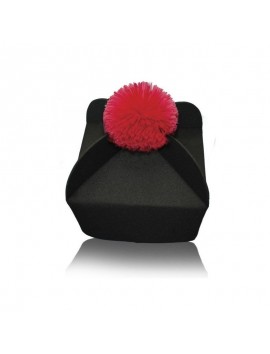
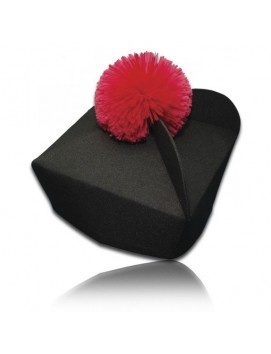
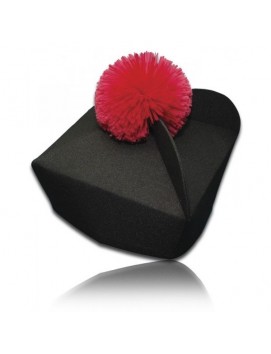
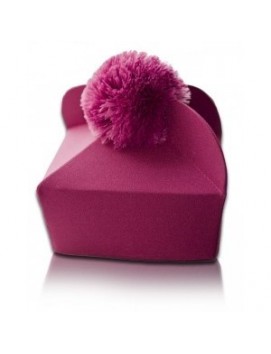
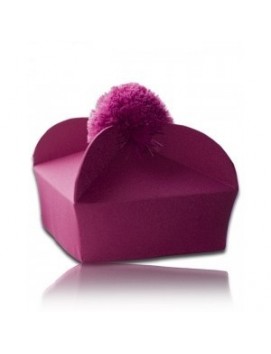
The biretta is a square cap with three or four peaks (sometimes called horns) and often topped with a pompom or tassel. Clergy is most commonly worn in the Roman Catholic Church, but you’ll also see it in some Anglican and Lutheran circles. The biretta isn’t just a fashion statement—it’s a symbol of clerical rank, academic achievement, and tradition.


What is the origin of the biretta in Christian tradition?
The origin of the biretta in Christian tradition traces back to the early Middle Ages. The biretta, as we know it today, is a square cap with three or four peaks, often topped with a pompom or tuft. But it didn’t start this way. The roots of the biretta are a mix of practicality and symbolism, evolving over centuries.
Medieval Beginnings
The earliest mentions of the biretta date back to the tenth century. It likely started as a simple cap, known as the birettum or pileus, worn for warmth and as a sign of dignity.
The academic cap of the High Middle Ages—a soft, square hat—was a direct ancestor of the biretta. Over time, this cap evolved into the biretta and the modern mortarboard you see at graduations today.
By the 13th century, biretum was used interchangeably with “cap” and biretum was used interchangeably with “cap” and was closely related to the skullcap or pileolus worn under the mitre.
Ecclesiastical Adoption
The biretta became more than just a practical head covering. In 1311, the Synod of Bergamo ordered clergy to wear the “bireta on their heads after the manner of laymen,” cementing its place in church life.
As the centuries passed, the biretta’s shape became more distinct. By the 16th century, it had evolved into its present square form, often stiffened with cardboard to keep its shape.
Symbolism and Significance
The biretta’s peaks symbolize the roles of clergy: for priests, the three peaks represent teaching, sanctifying, and governing; for bishops, a fourth peak signifies their jurisdiction over a diocese.
Wearing or removing the biretta became a ritual, removing it at the mention of the Holy Name or during specific prayers as a sign of reverence and humility.
Academic and Cultural Influence
The biretta’s academic roots are still visible today. Those earning a pontifical doctorate may wear a four-peaked biretta to indicate their academic achievement.
The design and use of the biretta influenced not only ecclesiastical dress but also academic and legal headgear across Europe.
Why Does the Origin of the Biretta Matter?
Understanding the origin of the biretta in Christian tradition isn’t just about church fashion—it’s about connecting with the history, symbolism, and values that have shaped the Church for centuries. The biretta reminds us that every detail in tradition has a story, and those stories matter.
What does the biretta symbolize for clergy?
The biretta is a powerful symbol of the priest’s mission, humility, and reverence. Here’s what it means, broken down for you.
The Threefold Ministry
First, the three peaks on a priest’s biretta are not random. They represent the threefold ministry of the clergy: teaching, sanctifying, and governing. Every time a priest puts on that biretta, he’s reminded that his job is to guide, bless, and lead his community. For bishops, the biretta often has a fourth peak—this extra point represents their wider jurisdiction and responsibility over a diocese, on top of those three core duties.
Humility and Service
Wearing the biretta is a statement of humility. It’s not about looking stylish or drawing attention. The biretta can look a bit odd, and that’s the point. It keeps the priest humble, reminding him—and everyone watching—that he’s not there to show off, but to serve Christ at the altar. Wearing something so distinctive, even at the risk of being ridiculed, is a public embrace of humility and self-sacrifice.
Reverence for the Sacred
One of the most significant moments for the biretta comes when it’s removed. Whenever the Holy Name of Jesus is spoken during the liturgy, the priest takes off his biretta as a sign of deep respect and awe. This gesture is a visual cue for the congregation to honor the sacred and never take the name of Jesus lightly. It’s a discipline that trains the clergy and the faithful in reverence and devotion.
Symbol of Authority and Juridical Power
The biretta also signals the priest’s authority, especially in moments like granting absolution in confession. Just as a judge puts on a cap to pronounce a sentence, the priest wears the biretta to pronounce forgiveness and life, not condemnation. It’s a sign of his role as a spiritual judge and shepherd.
Connection to Tradition
Finally, the biretta is a badge of tradition. It connects today’s clergy with centuries of church history and the timeless truths of the faith. Wearing the biretta means, “I’m part of something bigger than myself—something ancient and sacred.”
What is the historical connection between the biretta and academic dress?
Let’s get right to it: the historical connection between the biretta and academic dress goes back to the Middle Ages. The biretta—a square cap with three or four peaks, often topped with a pompom—wasn’t just a symbol for clergy. It was also a badge of honor for medieval European scholars, artists, and learned people.
Medieval Origins: Shared Roots
The biretta and academic caps trace their origins to the medieval birettum or pileus, a soft, square cap worn by clerics and scholars alike.
In the 12th and 13th centuries, universities were closely tied to the Church. Most scholars were monks or clerics, so their academic dress was church dress.
The biretta was worn to identify educated people—whether you were a theologian, a philosopher, or a church leader, the cap was your badge.
Evolution Into Academic Dress
As universities grew, the biretta evolved. By the 14th and 15th centuries, it was common for students and professors to wear these caps to show their status and intellect.
The modern mortarboard—the classic graduation cap—directly descends from the biretta. The square shape, the peaks, and even the tassel all have roots in the old biretta.
Academic dress codes became more formalized in the 16th century, but the connection to the biretta remained clear. In fact, at pontifical universities, doctoral graduates still wear a four-peaked biretta to mark their achievement.
Symbolism and Legacy
The biretta and the academic cap symbolize learning, authority, and a connection to a long tradition of scholarship and faith.
The colors and styles of both hats often indicate rank, field of study, or clerical status—another tradition that started with the biretta and continues in academic regalia today.
Why Does This Connection Matter?
Understanding the historical connection between the biretta and academic dress isn’t just trivia—it’s about recognizing how education and faith were once intertwined. The biretta reminds us that the pursuit of knowledge and the life of faith have always gone hand in hand.
When is a biretta worn during Catholic liturgical services?
Processions and Entering the Church
Clergy typically wear the biretta during processions, especially when entering or leaving the church at the start and end of Mass or other liturgical ceremonies.
Sacred ministers (priests, deacons, subdeacons) keep the biretta on during the procession, while other clergy may carry it and remove it upon entering the church.
While Seated in Choir
When clergy are seated in the choir (the designated area for clergy not actively celebrating Mass), the biretta is worn. This is standard unless the Blessed Sacrament is exposed; in that case, the biretta is removed as a sign of reverence.
Before standing, clergy remove the biretta. It’s only put back on once they are seated again.
During Acts of Jurisdiction
The biretta is worn when a priest performs acts of jurisdiction, such as giving absolution in confession or reconciling a convert.
This tradition highlights the priest’s role as a spiritual judge, similar to how English judges once donned a black cap to pronounce a sentence.
Outdoor Services and Processions
The biretta is commonly seen during outdoor services like burials, graveside prayers, and processions that don’t involve the Blessed Sacrament.
All clergy wear the biretta in outdoor processions unless carrying a relic, statue, or sacred image, in which case it is removed.
When is the Biretta Removed?
The biretta is always removed at the altar, during the actual celebration of Mass, and whenever the Holy Name of Jesus is spoken or sung.
It’s also removed in the presence of the Blessed Sacrament or during certain liturgical gestures, such as bows or genuflections.
Never wear the biretta while kneeling.
Quick Biretta Etiquette
Carry the biretta in processions if not wearing it.
Never sit on your biretta—hold it in your hands when standing.
Tip or remove the biretta in response to liturgical bows, the Holy Name, or when honored by another minister.
What are the rules for putting on and removing the biretta?
The rules for putting on and removing the biretta are clear and purposeful. The biretta isn’t just a hat—it’s a symbol of office, humility, and reverence. Here’s how clergy handle it, step by step.
When to Put On the Biretta
Before Processions: The biretta is put on before entering a procession, whether it’s the start of Mass, a liturgical ceremony, or an outdoor service.
While Seated in Choir: The biretta is worn when clergy are seated in choir (not actively celebrating Mass). It’s only put back on after being seated.
Acts of Jurisdiction: Priests put on the biretta when performing acts of jurisdiction, such as granting absolution or reconciling a convert.
Outdoor Services: The biretta is worn during outdoor processions and services, unless carrying a sacred object.
When to Remove the Biretta
At the Altar: The biretta is always removed when approaching or standing at the altar.
During Prayers: Remove the biretta for the opening and closing prayers, and any time the Holy Name of Jesus is spoken or sung.
In the Presence of the Blessed Sacrament: The biretta comes off whenever the Blessed Sacrament is exposed or present.
While Kneeling: Never wear the biretta while kneeling during the liturgy.
Liturgical Gestures: Remove or tip the biretta during bows, genuflections, or when receiving a blessing.
How to Handle the Biretta
Hold It Properly: When not wearing the biretta, hold it by the peak, never by the pompom or tassel.
Don’t Sit On It: Always hold the biretta in your hands when standing or sitting, never place it on the pew or seat.
Passing the Biretta: If a server or assistant is present, they may hold the biretta for the celebrant during certain parts of the liturgy.
What is the significance of removing the biretta at the mention of the Holy Name?
A Visible Sign of Reverence
Respect for the Divine: When the Holy Name of Jesus is spoken or sung during the liturgy, clergy remove their biretta as a physical gesture of reverence. It’s a way of saying, “This moment is set apart. This Name is above all names.”
Teaching by Example: By removing the biretta, clergy visually teach the congregation to treat the Holy Name with special honor. It’s a silent lesson in respect, humility, and faith.
Humility in Action
Putting God First: The act isn’t about the priest or his authority—it’s about stepping aside and letting Christ take center stage. Removing the biretta is a humble acknowledgment that everyone bows in the presence of the Holy Name.
Tradition Rooted in Scripture: The Bible says, “At the name of Jesus every knee should bow” (Philippians 2:10). Taking off the biretta is a direct, visible way of living out that command.
Consistency Across the Liturgy
Not Just for the Holy Name: While the most significant moment is at the mention of Jesus, clergy also remove the biretta for other sacred moments, like prayers, blessings, or when the Blessed Sacrament is exposed. But the Holy Name holds a unique place of honor.
Unified Gesture: This tradition isn’t just for the priest. All clergy present follow the same rule, creating a unified act of worship and respect.
Why Does This Matter for You?
Understanding Tradition: Knowing the significance of removing the biretta at the mention of the Holy Name helps you see that Catholic rituals aren’t empty gestures—they’re packed with meaning.
Deepening Your Reverence: Even if you’re not wearing a biretta, you can join in this spirit of respect by bowing your head or pausing in prayer when you hear the Holy Name.
Is the biretta still required after the Second Vatican Council?
The short answer: No, the biretta is not strictly required after the Second Vatican Council. But let’s break down what that means for clergy and anyone interested in Catholic liturgical dress.
What Changed After Vatican II?
Pre-Vatican II: Before the Second Vatican Council, the biretta was a standard part of clerical attire. Priests, bishops, and even seminarians were expected to wear it at specific times, especially during processions, when seated in choir, and at particular points in the liturgy.
Post-Vatican II: After Vatican II (1962–1965), the Church significantly reformed the liturgy and its rubrics. The Council encouraged simplicity and a focus on the essentials of worship, which included relaxing some of the rules about clerical dress.
What Do the Current Rules Say?
No Universal Requirement: The General Instruction of the Roman Missal (GIRM) and current liturgical law do not mandate the biretta for clergy during Mass or other services. There’s no obligation in the rubrics for priests or bishops to wear it.
Local Custom and Personal Preference: In some places, especially where tradition is strong or in communities that celebrate the Traditional Latin Mass, the biretta is still worn as a sign of continuity and reverence. In most parishes, though, you’ll rarely see it.
Optional, Not Forbidden: The biretta is not banned. Clergy who love tradition can still wear it, but it’s a personal or local choice, not a universal rule.
Why Do Some Clergy Still Wear the Biretta?
Symbol of Tradition: For many priests, wearing the biretta is a way to honor the Church’s history and maintain a visible link to centuries of Catholic worship.
Traditional Latin Mass: The biretta is still commonly worn in celebrations of the Extraordinary Form (the Traditional Latin Mass), where the older rubrics are followed.
Academic and Ceremonial Use: The biretta also remains part of academic dress at pontifical universities and in certain formal ceremonies.
What Does This Mean for You?
No Need to Worry: If you’re a priest or seminarian, you’re not required to wear the biretta unless your bishop or religious superior asks you to.
Respect for Local Practice: If you attend a traditional parish or a Latin Mass, you might see the biretta in use. In most modern parishes, it’s simply not part of the scene.
What is the difference between a three-peaked and a four-peaked biretta?
Three-Peaked Biretta
Who Wears It: The three-peaked biretta is traditionally worn by priests and deacons in the Roman Catholic Church and some Anglican and Lutheran clergy.
Symbolism: The three peaks represent the threefold ministry of the clergy: teaching, sanctifying, and governing. Every time a priest puts on this biretta, he’s visually reminded of these core duties.
Liturgical Use: The three-peaked biretta is the standard for liturgical use, meaning it’s what you’ll see during Mass, processions, and other church ceremonies.
Design: It’s a square cap with three distinct points or “horns,” often featuring a pompom or tuft at the center.
Four-Peaked Biretta
Who Wears It: The four-peaked biretta is most commonly worn by bishops in the Catholic Church, signifying a higher rank and broader responsibility. In academic settings, a four-peaked biretta is worn by those who hold a doctoral degree from a pontifical university or faculty, but this is not for liturgical use.
Symbolism: The fourth peak represents the bishop’s jurisdiction over a diocese and the threefold ministry. It’s a sign of his role as shepherd and overseer of the local church.
Academic Use: In academia, the four-peaked biretta marks the wearer as a doctor of sacred theology or another pontifical degree, connecting church tradition with academic achievement.
Design: The four-peaked biretta looks similar to the three-peaked version but with an extra point, making it easy to distinguish once you know what to look for.
Quick Comparison Table
| Feature | Three-Peaked Biretta | Four-Peaked Biretta |
|---|---|---|
| Worn by | Priests, deacons | Bishops (liturgical), doctors (academic) |
| Symbolism | Threefold ministry (teach, sanctify, govern) | Adds a bishop’s jurisdiction or academic doctorate |
| Liturgical use | Yes | Yes (bishops); academic only for doctors |
| Academic use | Rare | Yes, for pontifical doctorates |
How do the colors of the biretta indicate clerical rank?
Black Biretta
Who wears it: Priests, deacons, and seminarians.
What it means: Black is the standard color for most clergy. It represents humility, service, and the foundational role of priests and deacons in the Church.
Details: Sometimes a black biretta will have a black pom or tuft. Diocesan priests and deacons stick with black, while some religious orders may have their variations (like white for certain canons).
Amaranth (Purple) Biretta
Who wears it: Bishops.
What it means: The amaranth (a deep purple or violet) biretta signals the wearer’s higher rank and authority as a bishop. It’s a step up from black and sets bishops apart visually during liturgical ceremonies135.
Details: Bishops’ birettas often feature a purple pom or tuft on top.
Scarlet Red Biretta
Who wears it: Cardinals.
What it means: The scarlet red biretta is reserved for cardinals, the highest-ranking clergy below the pope. The red color powerfully symbolizes a cardinal’s willingness to defend the faith, even to the point of martyrdom. It’s a mark of honor and responsibility, given directly by the pope during a special ceremony called a consistory.
Details: Cardinals’ birettas are made of silk and do not have a pom or tuft on top.
White Biretta
Who wears it: The pope (rarely, if ever).
What it means: The pope does not typically wear a biretta. Instead, he’s known for the white zucchetto or, on occasion, the camauro.
Special Cases and Academic Colors
Academic Birettas: Those who hold doctoral degrees from pontifical universities may wear a black biretta with colored piping or tufts that correspond to their academic discipline (e.g., red for theology, green for canon law).
Religious Orders: Some orders have unique colors, like white for the canons of the Order of Prémontré.
What materials are birettas typically made from?
Birettas are usually crafted from high-quality fabrics that reflect the wearer's rank and the occasion's formality. Here’s what you need to know:
Silk
Premium Choice: Silk is the gold standard for birettas, especially for bishops and cardinals. Scarlet red birettas for cardinals and amaranth (purple) birettas for bishops are almost always made from pure silk or watered silk for a luxurious, traditional finish.
Details: Silk birettas often feature a matching silk pompom or tuft and a silk or cotton lining for comfort and structure.
Wool
Classic and Durable: Many priests’ birettas are made from 100% wool, offering warmth, durability, and a classic look. Wool is a practical choice for everyday use and for clergy who prefer a more traditional, understated appearance.
Comfort: Wool birettas are lined—often with cotton—to keep them comfortable during long services.
Polyester
Modern Alternative: Some birettas, especially those made for frequent or academic use, are crafted from ribbed polyester fabric. Polyester is durable, easy to maintain, and more affordable than silk.
Handmade Touch: High-quality polyester birettas are often handcrafted, fully lined, and finished with a silk pompom for a polished appearance.
Cotton (Lining)
Soft and Breathable: The inside of a biretta is typically lined with cotton, providing breathability and comfort regardless of the outer fabric.
Special Variations
Rayon Pom-poms: Some birettas feature rayon pompoms, especially in more affordable or mass-produced versions.
Custom Piping: Academic birettas or those for special ranks may include colored piping cords in silk or cotton for added distinction.
How should a biretta be sized and fitted?
1. Measure Your Head Correctly
Use a Soft Measuring Tape: Wrap a flexible measuring tape around the widest part of your head. This means measuring just above your eyebrows and ears, where the biretta will naturally sit.
Measure to the Nearest 1/8 Inch or Millimeter: Accuracy is key. Don’t round up or down—get the exact measurement for the best fit.
Take the Measurement at the Level You’d Wear the Hat: This ensures the biretta isn’t too tight or loose at the crown.
2. Match Your Measurement to the Size Chart
Check Manufacturer’s Sizing: Birettas come in standard hat sizes, often in inches, centimeters, or traditional hat sizes (like 7 1/4, 7 1/2, etc.).
Common Size Conversions:
6 7/8 = 21 1/2" (54-55 cm)
7 = 21 7/8" (56 cm)
7 1/8 = 22 1/4" (57 cm)
7 1/4 = 22 5/8" (58 cm)
7 3/8 = 23" (59 cm)
7 1/2 = 23 1/2" (60 cm)
7 5/8 = 23 7/8" (61 cm)
7 3/4 = 24 1/4" (62 cm)
Choose the Closest Size: It’s usually better to size up for comfort if you're between sizes.
3. Try It On (If Possible)
Fit Should Be Snug, Not Tight: The biretta should sit securely without pinching or leaving marks.
Check the Balance: The square shape should sit evenly, with the peakless corner (if present) on the left side of your head.
No Slipping: A properly fitted biretta won’t slip off during movement or when you bow your head.
4. Custom Fitting
Custom Orders: If you have a unique head shape or size, many suppliers offer custom sizing for birettas—provide your exact measurement when ordering.
Special Linings: Some birettas come with cotton or silk linings for extra comfort and a better fit.
5. Sizing for Academic or Liturgical Use
Same Sizing Rules Apply: Always follow the exact measurement and fitting guidelines if your biretta is for academic or liturgical use.
Check for Local Preferences: Some parishes or academic institutions may have specific biretta style or fit requirements.
How should a biretta be cared for and stored?
1. Cleaning Your Biretta
Spot Cleaning: Most birettas are made from wool, silk, or polyester. For everyday dirt, gently brush the surface with a soft, dry clothes brush. If you notice a stain, use a damp cloth and mild soap to spot clean—never soak the biretta.
Avoid Machine Washing: Never put your biretta in the washing machine or dryer. The structure will collapse, and the fabric may shrink or warp.
Professional Cleaning: For silk or heavily soiled birettas, take them to a professional dry cleaner with experience in delicate fabrics. Make sure they know it’s a structured, ceremonial hat.
2. Handling and Daily Care
Handle by the Peaks: Always pick up and handle your biretta by the peaks, not the pompom or tuft. This prevents unnecessary wear and keeps the shape crisp.
Keep It Dry: If your biretta gets wet, let it air dry naturally—never use direct heat or a hairdryer. Pat gently with a towel and reshape if needed.
3. Storing Your Biretta
Use a Hat Box: The best way to store a biretta is in a dedicated hat box. This protects it from dust, sunlight, and accidental crushing.
Maintain Shape: If you don’t have a hat box, store your biretta on a flat, clean surface away from heavy objects. You can stuff the inside with acid-free tissue paper to help it keep its shape.
Avoid Sunlight and Humidity: Store your biretta in a cool, dry place. Direct sunlight will fade the fabric, and humidity can cause mold or mildew.
Never Stack or Squash: Don’t stack anything on your biretta. The structure is key to its look—it's tough to fix once it’s bent or crushed.
4. Travel Tips
Travel Case: If you travel frequently, invest in a hard-shell case designed for hats. This will keep your biretta safe in your luggage.
Quick Fixes: Carry a small lint brush or cloth for quick touch-ups before services.
